
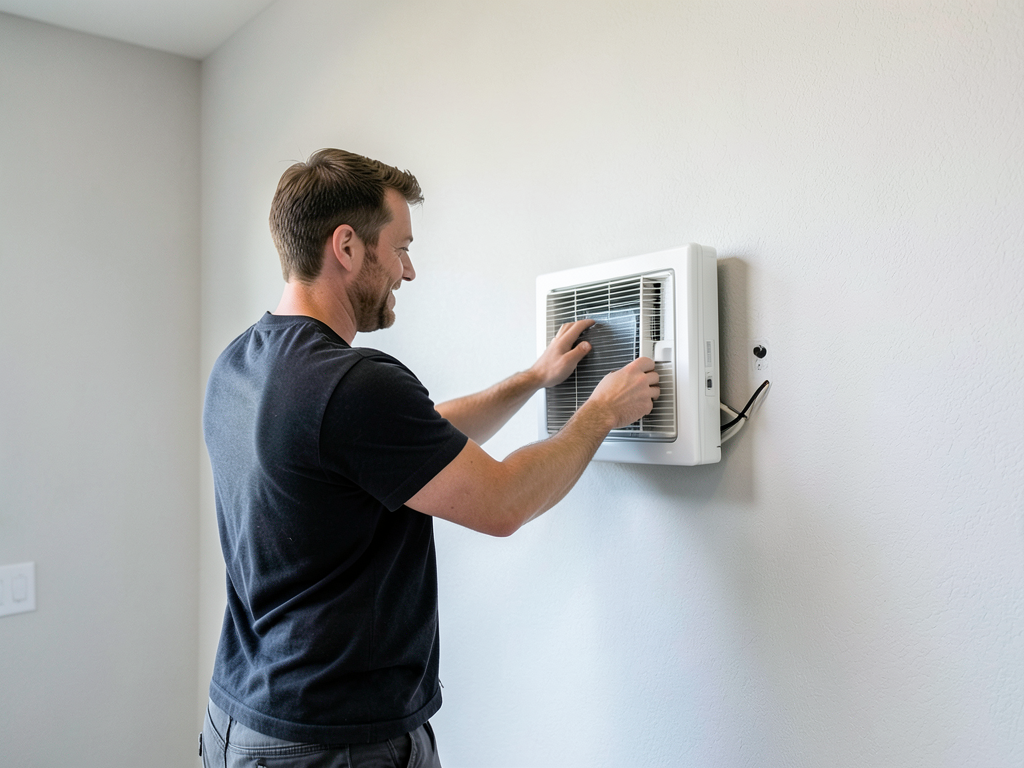
Choosing the Best HVAC for Your Denver Accessory Dwelling Unit
Adding heating and cooling to a new Denver ADU requires balancing space constraints, energy efficiency, and Denver’s unique climate challenges. This guide breaks down system types, local codes, and cost factors so you can make the right choice for your small-footprint living space.. Read more about Why Your Heat Pump Might Struggle When Denver Temperatures Drop Below Zero.
Why ADU Heating and Cooling Differs from Primary Residences
Denver ADUs typically range from 400 to 800 square feet, creating unique HVAC challenges. The compact footprint means heat loss through exterior walls increases proportionally, while the smaller air volume requires precise load calculations. Denver’s altitude at 5,280 feet reduces air density, affecting both combustion efficiency and heat pump performance in extreme cold.
Denver’s semi-arid climate with temperature swings of 40+ degrees between day and night means your system must handle rapid transitions. The 2022 Denver Energy Code requires all new ADUs to meet strict efficiency standards, including SEER2 minimums of 15 for cooling and HSPF2 minimums of 8.5 for heating.
Top 4 HVAC Solutions for Denver ADUs
| System Type | Installation Cost Range | Space Required | Denver Climate Suitability |
|---|---|---|---|
| Ductless Mini-Split | $3,500 – $7,000 | Wall/ceiling mount only | Excellent – handles temp swings |
| Air Source Heat Pump | $4,800 – $9,500 | Interior air handler + exterior unit | Good – needs cold-climate model |
| Packaged Terminal AC/Heat | $2,200 – $4,500 | Wall sleeve penetration | Fair – limited efficiency |
| Electric Resistance + Window AC | $1,800 – $3,200 | No mechanical space needed | Poor – high operating costs |
Ductless Mini-Split Systems
Mini-splits offer the best space-to-efficiency ratio for Denver ADUs. These systems mount high on walls or ceilings, freeing up floor space. Modern cold-climate mini-splits maintain efficiency down to -13°F, crucial for Denver’s occasional sub-zero nights. The inverter technology adjusts compressor speed continuously, eliminating the temperature swings common in traditional systems. Ductless Mini Split Installation for Older Homes in The Highlands.
Installation requires only a 3-inch hole for refrigerant lines, making them ideal for retrofitting existing structures. Most Denver ADUs need 9,000 to 18,000 BTU capacity depending on insulation quality and window area. City and County of Denver building codes.
Air Source Heat Pumps
Heat pumps provide both heating and cooling from a single unit, eliminating the need for separate systems. Denver’s climate allows heat pumps to operate efficiently for about 8 months annually. During the coldest weeks, they switch to electric resistance backup, which increases operating costs but ensures reliable heating.. Read more about Real Costs of Running a Swamp Cooler vs Central Air in Broomfield.
Look for models with HSPF2 ratings above 9.0 for Denver’s climate. The outdoor units must be elevated 6 inches above grade to prevent snow blockage and positioned away from prevailing winter winds.. Read more about Comparing the Best Air Filter MERV Ratings for Colorado Wildfire Season.
Packaged Terminal Units
PTAC units install through exterior walls and work well for extremely tight spaces. They’re common in hotels and can be effective for ADUs where ceiling or wall space doesn’t exist for other options. However, they typically achieve only 10-12 SEER efficiency, higher than mini-splits.
Noise can be an issue in quiet residential settings. The units require exterior wall space and protrude slightly into the room, which may impact furniture placement.
Electric Resistance + Window AC
This combination offers the lowest upfront cost but highest operating expenses. Electric resistance heating converts nearly 100% of electricity to heat, but electricity costs in Denver average $0.14 per kWh. Window AC units typically last only 5-7 years in Colorado’s intense UV exposure and frequent temperature cycling.
This option works only for occasional-use ADUs or as temporary solutions during system selection.
Denver Building Codes and Energy Requirements for ADUs
The City and County of Denver amended the International Residential Code to include specific ADU requirements. All new ADUs must comply with the Denver Green Building Ordinance if they exceed 500 square feet. This requires either solar readiness, enhanced insulation, or energy-efficient mechanical systems.
Mechanical permits are required for all HVAC installations. The permit process includes Manual J load calculations specific to Denver’s altitude. At 5,280 feet, air density decreases by approximately 16% compared to sea level, requiring 16% more airflow for the same cooling capacity.
Denver’s noise ordinance limits outdoor unit sound to 60 decibels at property lines. This restriction often eliminates the cheapest outdoor units and requires careful placement planning, especially in high-density neighborhoods like Capitol Hill or Highland.. Read more about Tips for Protecting Your Outdoor AC Unit from Cottonwood and Hail in Denver.
Cost Analysis: Installation vs. Operating Expenses
Installation costs vary significantly based on system complexity and home configuration. Mini-splits require professional refrigerant line installation and electrical work. Heat pumps need both indoor and outdoor units plus potential electrical panel upgrades for 240V circuits.
Operating costs depend on system efficiency and local utility rates. Xcel Energy’s Time-of-Use rates can increase cooling costs by 30% during peak afternoon hours. A high-efficiency mini-split might cost $30-40 monthly to operate in summer, while a standard heat pump could cost $45-60 monthly. Xcel Energy rebates.
Maintenance represents another cost factor. Denver’s dry air and dust require filter changes every 60-90 days instead of the standard 6-month interval. Annual professional maintenance prevents the efficiency losses that commonly occur at altitude.
Maximizing Space: Where to Install Your HVAC Units
Space optimization becomes critical in ADUs where every square foot counts. Wall-mounted mini-splits keep floor space clear but require 8+ feet of wall height. Ceiling cassette units hide completely above the ceiling but need attic access for service.. Read more about Is an Attic Fan the Secret to a Cooler House in Sunnyside?.
Outdoor units need protection from Denver’s heavy snow loads. Mounting on wall brackets keeps them above typical snow depths of 12-18 inches. However, wall mounting increases installation costs by $300-500 and requires structural evaluation of the mounting surface.
For interior units, closet installations work if you can sacrifice 24×24 inches of floor space. The closet must have a louvered door for proper airflow and access for filter changes. Under-window installations can work but reduce natural light and may violate egress requirements.
Available Denver Rebates and Tax Credits for Energy-Efficient ADUs
Xcel Energy offers rebates up to $1,000 for high-efficiency heat pumps meeting SEER2 minimums of 18 and HSPF2 minimums of 10. The Colorado Energy Office provides tax credits up to $1,500 for systems installed in qualifying energy-efficient buildings.. Read more about Understanding the Federal Tax Credits for New HVAC Equipment in 2026.
Denver’s Climate Action, Sustainability & Resiliency (CASR) office administers additional rebates for homes meeting specific energy performance criteria. These programs often require third-party energy audits, which add $300-500 to project costs but can unlock thousands in incentives.
Federal tax credits through 2026 cover 30% of equipment costs up to $2,000 for qualifying heat pumps. These credits apply to both the equipment and installation labor, making high-efficiency systems more affordable.
Frequently Asked Questions
What size HVAC system does my Denver ADU need?
Most Denver ADUs require 9,000 to 18,000 BTU cooling capacity. A Manual J calculation considering your specific square footage, insulation, windows, and altitude provides the exact requirement. Undersized systems won’t maintain comfort, while oversized units cycle too frequently, reducing efficiency and comfort.. Read more about Why You Should Consider a Garage Heater for Your Workshop in Lone Tree.
Can I install HVAC myself in my ADU?
Denver requires licensed HVAC contractors for all mechanical system installations. DIY installation voids warranties and creates safety hazards with refrigerant handling and electrical connections. The city also requires permits and inspections for code compliance. Commercial HVAC Contractors.
How long do HVAC systems last in Denver’s climate?
Quality systems typically last 12-15 years in Denver. The altitude and temperature extremes can reduce lifespan by 2-3 years compared to sea-level installations. Regular maintenance, especially filter changes in Denver’s dusty air, extends system life significantly.
Are heat pumps effective in Denver’s cold winters?
Modern cold-climate heat pumps operate efficiently down to about 0°F. Below that temperature, they switch to electric resistance backup. For Denver’s climate, this backup operates only during the coldest nights, keeping operating costs reasonable while providing reliable heating.. Read more about Why Modern Sloan’s Lake Townhomes Need an HRV or ERV for Fresh Air.
What’s the most cost-effective HVAC option for a rental ADU?
Ductless mini-splits offer the best balance of upfront cost, operating efficiency, and tenant appeal. They provide individual room control, operate quietly, and maintain efficiency in Denver’s climate. The higher initial investment typically pays back within 3-5 years through lower utility costs.
Ready to Install Your ADU HVAC System?
Choosing the right HVAC system for your Denver ADU affects comfort, energy costs, and property value for years to come. The altitude, climate, and local codes create specific requirements that generic advice won’t address.
Call (720) 502-9511 today to schedule your inspection. Our NATE-certified technicians will evaluate your space, calculate exact load requirements, and recommend systems optimized for Denver’s unique conditions. Don’t let another season pass without the right heating and cooling solution for your ADU.
Pick up the phone and call (720) 502-9511 before the next storm hits. We’ll help you navigate the permitting process, maximize available rebates, and ensure your system meets all Denver building code requirements.
You may also find this helpful. Will Denver’s New Electrification Rules Force You to Replace Your Gas Furnace?.
{
“@context”: “https://schema.org”,
“@type”: “BlogPosting”,
“headline”: “Everything You Need to Know About Adding Heating and Cooling to a New Denver ADU”,
“description”: “Learn how to choose the right HVAC system for your Denver ADU. Explore mini-splits, heat pumps, rebates, and local building codes for efficient heating and cooling.”,
“wordCount”: 1422,
“datePublished”: “2026-03-11T12:28:00.000Z”,
“dateModified”: “2026-03-11T12:28:00.000Z”,
“inLanguage”: “en-US”,
“mainEntityOfPage”: {
“@type”: “WebPage”,
“@id”: “https://fortresshvacdenver.com”
},
“publisher”: {
“@type”: “LocalBusiness”,
“name”: “Fortress HVAC Denver”,
“url”: “https://fortresshvacdenver.com”
},
“author”: {
“@type”: “Organization”,
“name”: “Fortress HVAC Denver”,
“url”: “https://fortresshvacdenver.com”
},
“image”: {
“@type”: “ImageObject”,
“url”: “https://fortresshvacdenver.com/wp-content/uploads/2026/03/everything-you-need-to-know-about-adding-heating-a-1.png”
}
}
{
“@context”: “https://schema.org”,
“@type”: “HVACBusiness”,
“name”: “Fortress HVAC Denver”,
“url”: “https://fortresshvacdenver.com”,
“address”: {
“@type”: “PostalAddress”,
“addressLocality”: “Denver”
},
“areaServed”: {
“@type”: “City”,
“name”: “Denver”
}
}
{
“@context”: “https://schema.org”,
“@type”: “FAQPage”,
“mainEntity”: [
{
“@type”: “Question”,
“name”: “What size HVAC system does my Denver ADU need?”,
“acceptedAnswer”: {
“@type”: “Answer”,
“text”: “Most Denver ADUs require 9,000 to 18,000 BTU cooling capacity. A Manual J calculation considering your specific square footage, insulation, windows, and altitude provides the exact requirement. Undersized systems won’t maintain comfort, while oversized units cycle too frequently, reducing efficiency and comfort.”
}
},
{
“@type”: “Question”,
“name”: “Can I install HVAC myself in my ADU?”,
“acceptedAnswer”: {
“@type”: “Answer”,
“text”: “Denver requires licensed HVAC contractors for all mechanical system installations. DIY installation voids warranties and creates safety hazards with refrigerant handling and electrical connections. The city also requires permits and inspections for code compliance. Commercial HVAC Contractors.”
}
},
{
“@type”: “Question”,
“name”: “How long do HVAC systems last in Denver’s climate?”,
“acceptedAnswer”: {
“@type”: “Answer”,
“text”: “Quality systems typically last 12-15 years in Denver. The altitude and temperature extremes can reduce lifespan by 2-3 years compared to sea-level installations. Regular maintenance, especially filter changes in Denver’s dusty air, extends system life significantly.”
}
},
{
“@type”: “Question”,
“name”: “Are heat pumps effective in Denver’s cold winters?”,
“acceptedAnswer”: {
“@type”: “Answer”,
“text”: “Modern cold-climate heat pumps operate efficiently down to about 0°F. Below that temperature, they switch to electric resistance backup. For Denver’s climate, this backup operates only during the coldest nights, keeping operating costs reasonable while providing reliable heating.”
}
},
{
“@type”: “Question”,
“name”: “What’s the most cost-effective HVAC option for a rental ADU?”,
“acceptedAnswer”: {
“@type”: “Answer”,
“text”: “Ductless mini-splits offer the best balance of upfront cost, operating efficiency, and tenant appeal. They provide individual room control, operate quietly, and maintain efficiency in Denver’s climate. The higher initial investment typically pays back within 3-5 years through lower utility costs.”
}
},
{
“@type”: “Question”,
“name”: “Ready to Install Your ADU HVAC System?”,
“acceptedAnswer”: {
“@type”: “Answer”,
“text”: “Choosing the right HVAC system for your Denver ADU affects comfort, energy costs, and property value for years to come. The altitude, climate, and local codes create specific requirements that generic advice won’t address.”
}
}
]
}
{
“@context”: “https://schema.org”,
“@type”: “BreadcrumbList”,
“itemListElement”: [
{
“@type”: “ListItem”,
“position”: 1,
“name”: “Home”,
“item”: “https://fortresshvacdenver.com”
},
{
“@type”: “ListItem”,
“position”: 2,
“name”: “Blog”,
“item”: “https://fortresshvacdenver.com/blog”
},
{
“@type”: “ListItem”,
“position”: 3,
“name”: “Everything You Need to Know About Adding Heating and Cooling to a New Denver ADU”
}
]
}
{
“@context”: “https://schema.org”,
“@type”: “Service”,
“serviceType”: “HVAC”,
“provider”: {
“@type”: “LocalBusiness”,
“name”: “Fortress HVAC Denver”,
“url”: “https://fortresshvacdenver.com”
},
“areaServed”: {
“@type”: “City”,
“name”: “Denver”
},
“description”: “Learn how to choose the right HVAC system for your Denver ADU. Explore mini-splits, heat pumps, rebates, and local building codes for efficient heating and cooling.”
}