
Why Your Heat Pump Might Struggle When Denver Temperatures Drop Below Zero
Denver’s mile-high altitude and extreme winter temperature swings create unique challenges for heat pump performance. When temperatures plummet below zero, even modern cold-climate heat pumps can struggle to extract enough heat from the thin, dry air to keep your home comfortable. Understanding these limitations and the engineering solutions available is crucial for Denver homeowners considering heat pump technology.
Heat pumps work by transferring heat from outside air to inside your home. As outdoor temperatures drop, the available heat energy decreases dramatically. In Denver’s climate zone 5, where winter design temperatures range from -1°F to 6°F, this becomes a critical engineering challenge that requires specific equipment and installation strategies.. Read more about How to Use Colorado Clean Energy Financing for Your New HVAC System in Denver.
The Science Behind Heat Pump Performance in Denver’s Climate
Denver’s high altitude affects heat pump efficiency in several ways. At 5,280 feet above sea level, air density is approximately 16% lower than at sea level. This reduced air density means less heat energy is available for extraction, and the heat pump’s compressor must work harder to move the same amount of heat.
The semi-arid climate compounds these challenges. Denver’s average winter humidity levels drop below 30%, which affects the defrost cycle efficiency. Unlike humid cold climates where frost builds up quickly on outdoor coils, Denver’s dry conditions create different thermal dynamics that many standard heat pump designs weren’t optimized for.
According to ASHRAE climate data, Denver experiences approximately 7-10 days per year where temperatures drop below zero degrees Fahrenheit. During these extreme cold events, standard heat pumps can see their heating capacity drop by 70-80% compared to their rated capacity at 47°F. ASHRAE climate data.
Understanding Key Performance Metrics: COP and HSPF2
Coefficient of Performance (COP) measures heat pump efficiency at specific temperatures. A typical heat pump might have a COP of 3.5 at 47°F, meaning it delivers 3.5 units of heat for every unit of electricity consumed. However, at 5°F, that same unit might drop to a COP of 1.5 or lower.
Heating Seasonal Performance Factor 2 (HSPF2) provides a more accurate seasonal efficiency rating that accounts for modern testing conditions. For Denver’s climate, look for HSPF2 ratings above 9.0 for cold-climate models. The higher the HSPF2, the better the unit will perform during our frequent cold snaps.
Denver’s extreme diurnal temperature swings also impact performance. It’s common to see 40-50 degree temperature changes in a single day. This requires heat pumps with sophisticated controls that can adjust output rapidly without sacrificing efficiency or reliability.
Modern Solutions: Cold Climate Heat Pumps and Inverter Technology
Recent advances in inverter-driven compressor technology have revolutionized heat pump performance in cold climates. Unlike traditional single-speed compressors that turn on and off, inverter compressors can modulate their speed to match heating demand precisely.
Mitsubishi’s Hyper-Heat technology and similar systems from Daikin and Carrier use enhanced vapor injection cycles that allow heat extraction to continue at temperatures as low as -13°F to -22°F. These systems maintain heating capacity when standard units would be overwhelmed.. Read more about Certified Mitsubishi Mini Split Installation and Support for Homeowners in University Park.
The defrost cycle becomes critical in Denver’s conditions. Standard heat pumps might defrost every 30-60 minutes in humid climates, but Denver’s dry air means defrost cycles can be extended to 60-90 minutes or more. This reduces energy waste and maintains more consistent heating output.
The Dual-Fuel Strategy: When Heat Pumps Need Backup
For Denver homes, the most reliable approach combines a high-efficiency heat pump with a gas furnace backup. This hybrid system automatically switches to gas heating when outdoor temperatures drop below the economic balance point, typically around 25-30°F in our region. Emergency Furnace Repair for Denver Residents Dealing with a Frozen House.
During extreme cold events, the gas furnace handles the heavy lifting while the heat pump provides supplementary heating or switches to cooling mode if needed. This combination provides the best of both worlds: heat pump efficiency during mild weather and gas reliability during polar vortex conditions.. Read more about Propane Furnace Maintenance and Repair for Mountain Homes in Genesee and Morrison.
The economic balance point calculation considers current natural gas and electricity rates. With Xcel Energy’s current rate structures, many Denver homeowners find the optimal switchover temperature falls between 28-35°F, though this varies based on individual utility rates and home characteristics. Xcel Energy rebates.
Denver-Specific Installation Considerations
Denver’s building codes require specific considerations for heat pump installations. The Denver Green Building Ordinance mandates minimum efficiency standards that often exceed national requirements. Additionally, local mechanical permits must account for our high-altitude combustion air requirements.
Outdoor unit placement becomes critical in Denver’s climate. Units need protection from our intense UV exposure, which can degrade plastic components over time. Snow accumulation patterns must be considered, as Denver’s heavy snow loads can bury outdoor units if not properly elevated.
The expansive bentonite clay soil common in many Denver neighborhoods can cause foundation shifts that affect refrigerant line sets and electrical connections. Professional installation includes proper support and flexible connections to accommodate this soil movement.
Performance Data: What to Expect in Denver Winters
Based on field data from Denver installations, here’s what homeowners can expect from different heat pump technologies during extreme cold:
| Temperature | Standard Heat Pump | Cold Climate Heat Pump | Dual-Fuel System |
|---|---|---|---|
| 20°F | 85% capacity | 95% capacity | 100% gas |
| 0°F | 45% capacity | 70% capacity | 100% gas |
| -10°F | 20% capacity | 45% capacity | 100% gas |
During Denver’s record cold snap in December 2022, when temperatures dropped to -20°F at Denver International Airport, homes with properly sized dual-fuel systems maintained comfortable temperatures while single heat pump systems struggled to keep up.
Maintenance Requirements for Denver Heat Pumps
Denver’s unique climate creates specific maintenance needs. The intense UV exposure at altitude can degrade outdoor unit finishes and electrical insulation. Regular inspection of these components prevents premature failure.
Dust and debris from our semi-arid environment can clog outdoor coils more quickly than in humid climates. Annual coil cleaning becomes essential, typically needed twice as often as in coastal regions.
The freeze-thaw cycles common in Denver winters can cause water accumulation in drain pans and lines. Proper drainage system design prevents ice buildup that could damage components or cause indoor water leaks.. Read more about Water Source Heat Pump Services for High Rise Condos in LoDo and the Golden Triangle.
Financial Considerations: Rebates and Operating Costs
Xcel Energy offers substantial rebates for qualifying cold-climate heat pumps, often ranging from $800 to $2,000 depending on efficiency ratings and installation scope. The federal 25C tax credit provides additional savings of up to $2,000 for qualifying equipment.
Colorado’s energy office also administers electrification grants for income-qualified homeowners, potentially covering 50-100% of heat pump installation costs. These programs make heat pump technology increasingly accessible for Denver residents.
Operating cost comparisons show heat pumps typically cost 30-50% less to operate than electric resistance heating during most of the heating season. However, during extreme cold events, the operating cost advantage can disappear if the system relies heavily on expensive electric resistance backup heat.
Diagnostic Signs Your Heat Pump Is Struggling
Recognizing when your heat pump needs attention can prevent comfort issues during critical cold periods. Common warning signs include:
- Ice buildup on outdoor coils that doesn’t melt during defrost cycles
- Unusual noises from the compressor during cold startups
- Reduced airflow from supply vents
- Emergency heat light staying illuminated for extended periods
Professional technicians use specific diagnostic tools to evaluate heat pump performance. A superheat and subcooling measurement at 5°F outdoor temperature provides crucial data about refrigerant charge and system efficiency that standard maintenance checks might miss.
Making the Right Choice for Your Denver Home
The decision between different heat pump technologies depends on your specific situation. Factors to consider include your home’s insulation levels, existing ductwork condition, budget constraints, and tolerance for occasional performance limitations during extreme cold.
Homes with good insulation and air sealing can often use cold-climate heat pumps effectively as standalone systems. Older homes with poor insulation might benefit more from the reliability of a dual-fuel approach.
Consider your typical absence patterns as well. If you travel frequently during winter months, a system with robust backup heating provides peace of mind that your home won’t freeze during extended absences.
The Future of Heat Pump Technology in Denver
Heat pump technology continues to advance rapidly. Next-generation cold-climate models expected in 2026-2027 promise even better performance at extreme temperatures, with some manufacturers targeting reliable operation down to -30°F.
Integration with smart home systems allows for predictive operation based on weather forecasts. These systems can pre-condition your home before cold fronts arrive, reducing the demand spike when extreme cold actually hits.
As Colorado’s electric grid becomes cleaner and more renewable energy comes online, the environmental benefits of heat pumps will continue to improve, making them an increasingly attractive option for environmentally conscious Denver homeowners.
Frequently Asked Questions
Do heat pumps work in Denver’s extreme cold?
Yes, but performance varies significantly by technology. Cold-climate heat pumps with inverter technology can maintain heating capacity down to -10°F to -20°F, while standard models struggle below 20°F. Dual-fuel systems provide the most reliable performance for Denver’s climate.
How much do heat pumps cost to install in Denver?
Installation costs typically range from $8,000 to $20,000 depending on system size, technology level, and whether existing ductwork needs modification. Cold-climate models and dual-fuel systems fall on the higher end of this range but often qualify for substantial utility rebates.
What’s the difference between a standard and cold-climate heat pump?
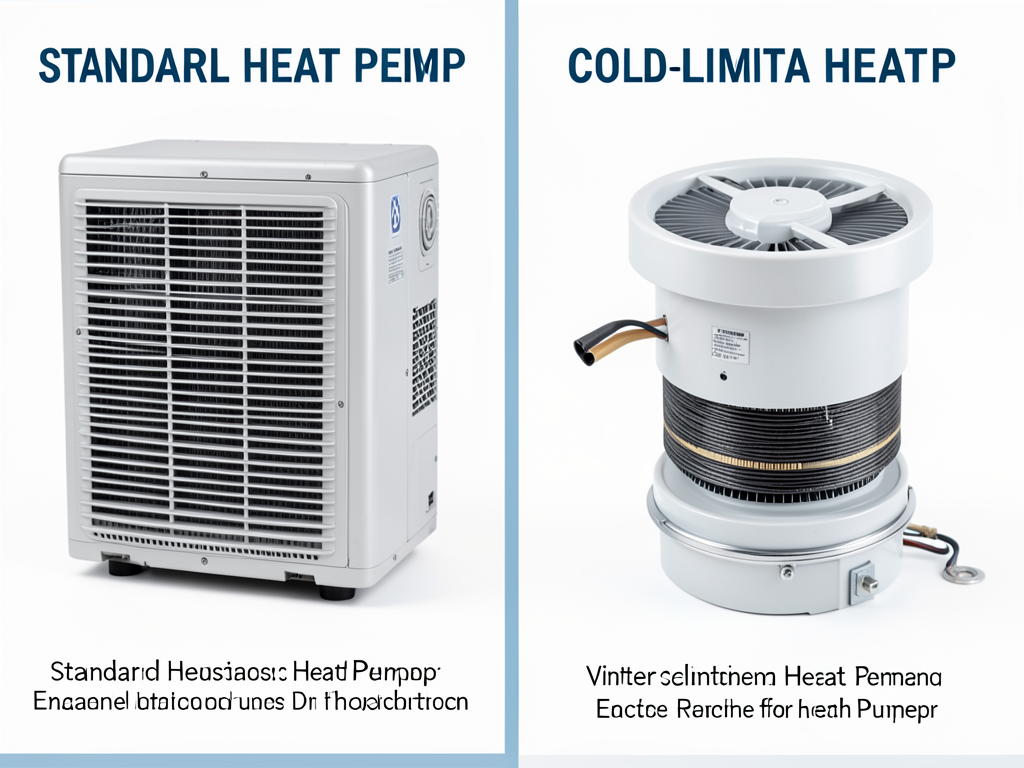
Cold-climate heat pumps use enhanced compressor technology, better insulation, and specialized refrigerant circuits that maintain heating capacity at much lower temperatures. Standard models typically lose most of their heating ability below 25°F, while cold-climate units can operate effectively down to -20°F or lower.
Ready to Upgrade Your Home’s Heating System?
Understanding your options is the first step toward making an informed decision about your home’s heating system. Whether you’re considering a cold-climate heat pump, a dual-fuel system, or need to evaluate your current equipment’s performance, professional guidance can help you navigate these complex choices.
Call (720) 502-9511 today to schedule a comprehensive heating evaluation. Our NATE-certified technicians understand Denver’s unique climate challenges and can recommend solutions that will keep your home comfortable through even the coldest Colorado winters. Don’t wait until the next polar vortex hits – get expert advice now.
Pick up the phone and call (720) 502-9511 before the next storm hits. We’ll help you understand exactly what heating solution makes sense for your home, budget, and comfort needs.

You may also find this helpful. Why You Should Never Turn Your Heat Completely Off When Leaving Denver for Vacation.
You may also find this helpful. Trane versus Lennox Furnaces (Which Brand Performs Best in the Denver Cold?).
[IMAGE_PLACEHOLDER_3>
{
“@context”: “https://schema.org”,
“@type”: “BlogPosting”,
“headline”: “Why Your Heat Pump Might Struggle When Denver Temperatures Drop Below Zero”,
“description”: “Learn why Denver heat pumps face unique challenges in sub-zero temperatures and discover the technical solutions that keep your home warm through Colorado winters.”,
“wordCount”: 1701,
“datePublished”: “2026-04-03T15:51:00.000Z”,
“dateModified”: “2026-04-03T15:51:00.000Z”,
“inLanguage”: “en-US”,
“mainEntityOfPage”: {
“@type”: “WebPage”,
“@id”: “https://fortresshvacdenver.com”
},
“publisher”: {
“@type”: “LocalBusiness”,
“name”: “Fortress HVAC Denver”,
“url”: “https://fortresshvacdenver.com”
},
“author”: {
“@type”: “Organization”,
“name”: “Fortress HVAC Denver”,
“url”: “https://fortresshvacdenver.com”
},
“image”: {
“@type”: “ImageObject”,
“url”: “https://fortresshvacdenver.com/wp-content/uploads/2026/03/why-your-heat-pump-might-struggle-when-denver-temp-1.png”
}
}
{
“@context”: “https://schema.org”,
“@type”: “HVACBusiness”,
“name”: “Fortress HVAC Denver”,
“url”: “https://fortresshvacdenver.com”,
“address”: {
“@type”: “PostalAddress”,
“addressLocality”: “Denver”
},
“areaServed”: {
“@type”: “City”,
“name”: “Denver”
}
}
{
“@context”: “https://schema.org”,
“@type”: “FAQPage”,
“mainEntity”: [
{
“@type”: “Question”,
“name”: “Do heat pumps work in Denver’s extreme cold?”,
“acceptedAnswer”: {
“@type”: “Answer”,
“text”: “Yes, but performance varies significantly by technology. Cold-climate heat pumps with inverter technology can maintain heating capacity down to -10°F to -20°F, while standard models struggle below 20°F. Dual-fuel systems provide the most reliable performance for Denver’s climate.”
}
},
{
“@type”: “Question”,
“name”: “How much do heat pumps cost to install in Denver?”,
“acceptedAnswer”: {
“@type”: “Answer”,
“text”: “Installation costs typically range from $8,000 to $20,000 depending on system size, technology level, and whether existing ductwork needs modification. Cold-climate models and dual-fuel systems fall on the higher end of this range but often qualify for substantial utility rebates.”
}
},
{
“@type”: “Question”,
“name”: “What’s the difference between a standard and cold-climate heat pump?”,
“acceptedAnswer”: {
“@type”: “Answer”,
“text”: “Cold-climate heat pumps use enhanced compressor technology, better insulation, and specialized refrigerant circuits that maintain heating capacity at much lower temperatures. Standard models typically lose most of their heating ability below 25°F, while cold-climate units can operate effectively down to -20°F or lower.”
}
},
{
“@type”: “Question”,
“name”: “Ready to Upgrade Your Home’s Heating System?”,
“acceptedAnswer”: {
“@type”: “Answer”,
“text”: “Understanding your options is the first step toward making an informed decision about your home’s heating system. Whether you’re considering a cold-climate heat pump, a dual-fuel system, or need to evaluate your current equipment’s performance, professional guidance can help you navigate these complex choices.”
}
}
]
}
{
“@context”: “https://schema.org”,
“@type”: “BreadcrumbList”,
“itemListElement”: [
{
“@type”: “ListItem”,
“position”: 1,
“name”: “Home”,
“item”: “https://fortresshvacdenver.com”
},
{
“@type”: “ListItem”,
“position”: 2,
“name”: “Blog”,
“item”: “https://fortresshvacdenver.com/blog”
},
{
“@type”: “ListItem”,
“position”: 3,
“name”: “Why Your Heat Pump Might Struggle When Denver Temperatures Drop Below Zero”
}
]
}
{
“@context”: “https://schema.org”,
“@type”: “Service”,
“serviceType”: “HVAC”,
“provider”: {
“@type”: “LocalBusiness”,
“name”: “Fortress HVAC Denver”,
“url”: “https://fortresshvacdenver.com”
},
“areaServed”: {
“@type”: “City”,
“name”: “Denver”
},
“description”: “Learn why Denver heat pumps face unique challenges in sub-zero temperatures and discover the technical solutions that keep your home warm through Colorado winters.”
}