




Federal Heights sits at 5,295 feet elevation where thin air makes HVAC systems work harder. Your equipment battles extreme temperature swings, from summer days pushing 95 degrees to January nights dropping below zero. This constant cycling wears out components faster than systems at lower elevations or milder climates.
The area's low humidity during winter months stresses heating systems while dust from nearby I-25 and construction clogs filters rapidly. Homes near Clear Creek and the South Platte River face additional moisture challenges in basements, forcing furnaces and air handlers to battle condensation and mold risk.
Federal Heights building codes require specific efficiency standards for replacement systems, and many older homes built in the 1960s and 1970s have undersized ductwork that reduces system performance. Properties near Federal Boulevard deal with constant traffic vibration that loosens connections over time. Your HVAC system faces challenges that Denver or Boulder equipment never sees, and it demands service from technicians who understand these exact conditions.
We built our reputation in Federal Heights by showing up fast and fixing problems permanently. Too many HVAC companies send undertrained technicians who guess at repairs or push unnecessary replacements. We do neither. Every Fortress technician carries diagnostic equipment that identifies the actual problem, not symptoms. We explain what failed, why it failed, and what it takes to fix it correctly.
Our service area focuses exclusively on Adams County and northern Denver metro communities. This tight geographic focus means we reach Federal Heights homes in 30 to 60 minutes, not the two to four hour windows competitors promise. We stock our trucks with parts for systems common to homes in your area, which means we complete most repairs on the first visit.
We price every job before we start work. You see the cost, approve it, then we execute. No surprise charges. No inflated diagnostic fees that disappear if you approve the repair. The price we quote is the price you pay.
Our technicians train continuously on Colorado-specific challenges like altitude compensation, freeze protection for mountain climate extremes, and humidity management for Front Range conditions. We see the same Lennox, Trane, Carrier, and Rheem systems in Federal Heights homes every day. This repetition makes us faster and more accurate than companies spreading themselves across multiple markets and equipment types.
When something breaks at 9 PM on Sunday, we answer the phone. When your furnace quits and temperatures drop, we dispatch immediately. Federal Heights families choose us because we treat emergencies like emergencies.

We reach Federal Heights homes in 30 to 60 minutes during emergencies because our service area stays tight. We do not make you wait while technicians finish jobs in Boulder or Castle Rock. You call, we dispatch, we arrive ready to diagnose and repair immediately.

We quote the complete repair cost before starting work. You approve the price, then we fix the problem. No hidden fees, no inflated diagnostics, no surprise charges when the job finishes. The price we quote is exactly what you pay every single time.
Our trucks stock parts for the Lennox, Trane, Carrier, Rheem, and Bryant systems most Federal Heights homes use. We complete 87% of repairs on the first visit because we carry what your equipment needs. No waiting days for parts to arrive from warehouses.
Equipment performs differently at 5,295 feet. We adjust combustion settings, compensate for reduced air density, and configure controls for Federal Heights elevation. This expertise prevents callbacks and extends equipment life in ways sea-level trained technicians miss completely.
Fortress HVAC Denver handles everything from midnight furnace failures to planned system replacements. We repair all major brands and fuel types, from gas furnaces to electric heat pumps, central air conditioners to ductless mini-splits. Our service range covers emergency breakdowns, routine maintenance, indoor air quality improvements, and complete system installations.
Federal Heights homes need different approaches depending on whether you face an immediate crisis or plan for long-term efficiency. We separate our services into emergency repair, preventive maintenance, and system replacement categories because each requires different expertise, urgency levels, and customer expectations. A 2 AM furnace failure demands different response than planning a July AC upgrade.
We match our approach to your situation. Emergencies get rapid dispatch and fast temporary solutions if needed. Maintenance customers get scheduled appointments with thorough inspections. Replacement projects get detailed consultations with load calculations and equipment comparisons. Every service category gets the same expertise, just delivered at the pace your situation requires.
Your furnace quits at midnight. Your AC fails during a heat wave. Your heat pump freezes solid. We dispatch immediately for heating and cooling emergencies because comfort and safety cannot wait. Our technicians arrive with diagnostic tools and common parts, identify the failure, and restore your system fast. We handle no heat calls, no cooling emergencies, frozen equipment, gas valve failures, compressor problems, and complete system shutdowns any hour of any day.
Regular maintenance catches small problems before they become expensive emergencies. We inspect electrical connections, test safety controls, measure refrigerant pressures, clean condensers, check combustion efficiency, and verify airflow. This service happens on your schedule with technicians who document every measurement and explain what your system needs. Spring AC tune-ups and fall furnace inspections keep Federal Heights systems running efficiently through temperature extremes.
Old equipment eventually costs more to repair than replace. We perform load calculations for your exact home size and insulation levels, then recommend properly sized systems that match Federal Heights climate demands. Our installations include new furnaces, air conditioners, heat pumps, thermostats, and complete ductwork modifications when needed. Every installation meets Colorado energy codes and manufacturer specifications for warranty protection and maximum efficiency.
Federal Heights homes battle HVAC challenges that milder climates never see. The 60-degree temperature swings between day and night stress components. Altitude reduces equipment efficiency. Dust from constant construction and I-25 traffic clogs filters in weeks instead of months. Homes built before 1990 often have undersized ductwork that forces systems to work harder.
We see the same failures repeatedly across Federal Heights neighborhoods. Furnaces struggle with ignition in thin air. AC compressors fail from overwork during 90-degree days. Thermostats lose calibration from temperature extremes. Heat exchangers crack from constant heating cycles. These problems show up predictably based on equipment age, installation quality, and maintenance history. Knowing what typically fails helps us diagnose faster and stock the right repair parts.
Federal Heights elevation reduces oxygen content, which affects gas furnace combustion. Ignitors fail to light burners consistently, hot surface igniters crack from stress, and flame sensors corrode from altitude-affected exhaust chemistry. We adjust air-to-fuel ratios and replace failed ignition components to restore reliable heating.
Compressors work harder in thin air to move refrigerant. Summer temperatures pushing 95 degrees combined with altitude stress cause compressors to overheat and fail prematurely. Contactor wear, capacitor failure, and refrigerant loss accelerate this damage. We diagnose electrical problems and refrigerant issues before compressors burn out completely.
Federal Boulevard and I-25 generate constant dust that infiltrates homes. Nearby construction adds to the problem. Filters clog in three to four weeks instead of three months. Clogged filters restrict airflow, which causes frozen coils in summer and overheated heat exchangers in winter. Regular filter changes become critical maintenance.
Homes built before 1990 often have ductwork designed for smaller, less efficient systems. When homeowners upgrade to modern high-efficiency equipment, existing ducts cannot move enough air. Systems short-cycle, rooms stay uncomfortable, and equipment fails early. We measure airflow and recommend duct modifications when needed.
We know calling for HVAC service means something already went wrong. Your home is too hot, too cold, or making concerning noises. You need clear answers and fast solutions, not sales pitches or vague timelines.
When you call Fortress HVAC Denver, you talk to someone who listens to your problem, asks specific diagnostic questions, and gives you an honest arrival window. We do not promise "sometime Tuesday" or four-hour arrival ranges. You get a real timeframe and updates if anything changes.
Our technicians arrive in stocked trucks, diagnose the actual problem with testing equipment, and explain what failed in plain language. You see the failed part, understand why it broke, and get a fixed price quote before any repair work begins. This transparency removes the anxiety most people feel when facing unexpected HVAC repairs.
Our technicians use multimeters, manometers, refrigerant gauges, combustion analyzers, and airflow meters to identify exact failures. We test components instead of guessing. You see the readings that prove what failed. This diagnostic approach eliminates unnecessary part replacements and gives you confidence the repair will actually fix your problem instead of treating symptoms.
We quote complete repair costs after diagnosis but before starting work. The price includes parts, labor, testing, and any system adjustments needed. You approve or decline with complete information. No surprise charges appear when we finish. No inflated diagnostic fees that only apply if you reject the repair. The quote you approve is the exact amount you pay.
We stock parts for common failures on Federal Heights equipment. Most repairs finish the same day we diagnose them. When we need to order parts, we explain exactly what we need, how long it takes to arrive, and whether temporary solutions exist. We do not leave you without heat in January or cooling in July unless absolutely no alternative exists.
We built our process around speed and transparency because those matter most when your HVAC system fails. You need to know what to expect, when we arrive, and what it costs.
Call (720) 502-9511 and talk to a real person who asks about your symptoms, confirms your location, and dispatches the nearest available technician. We give you an actual arrival window, not a vague timeframe. For emergencies, we dispatch immediately and keep you updated on arrival time as the technician travels to your Federal Heights home.
Our technician arrives, listens to your problem, tests your system with diagnostic equipment, and identifies the actual failure. You see the failed component and understand what broke. We then quote a fixed price for the complete repair including parts and labor. You approve or decline with full information before any repair work begins.
After you approve the quote, we complete the repair, test all system functions, and verify correct operation. You see your system running properly before we leave. We clean up our work area, explain what we fixed, and answer any questions about operation or maintenance. Your system works correctly and you understand exactly what we did.
Federal Heights sits at 5,295 feet where reduced atmospheric pressure affects every aspect of HVAC performance. Gas furnaces require adjusted air-to-fuel ratios because oxygen content drops roughly 15% compared to sea level. Installers who ignore altitude compensation create incomplete combustion, sooting problems, and premature heat exchanger failure.
Air conditioning systems lose approximately 3% capacity for every 1,000 feet above sea level. Your AC works harder to achieve the same cooling, which stresses compressors and increases electrical draw. Proper refrigerant charging becomes critical because incorrect pressures at altitude cause rapid compressor failure.
Colorado energy codes require minimum 80% AFUE for furnaces and 14 SEER for air conditioners in new construction and replacement applications. Adams County enforces these standards through permit inspections. We verify all replacement systems meet current code requirements and pull proper permits for installations requiring them.
Federal Heights homes built before 1990 typically use sheet metal duct systems with minimal insulation and significant air leakage. Manual J load calculations factor this leakage into proper equipment sizing. Oversized equipment short-cycles and fails to dehumidify. Undersized equipment runs constantly without achieving comfort. We perform actual load calculations instead of matching tonnage to square footage rules that ignore insulation, window quality, and duct efficiency.
High-efficiency furnaces (90% AFUE and above) require PVC condensate drainage and sealed combustion air intake. Improper installation causes frozen condensate lines in winter and combustion air starvation. Every high-efficiency installation requires specific venting materials and drainage routing that meets manufacturer specifications and local codes.
Gas furnaces must be adjusted for Federal Heights elevation through orifice changes or pressure regulator modifications. Factory settings assume sea level oxygen content. Without proper adjustment, furnaces produce carbon monoxide, soot deposits, and flame rollout. Every installation and replacement requires altitude-specific configuration verified with combustion analysis equipment.
AC systems require precise refrigerant charges adjusted for Federal Heights elevation and temperature conditions. Charging by pressure alone without superheat and subcooling measurements causes compressor failure. We measure actual system performance and adjust charges to manufacturer specifications corrected for local altitude and ambient conditions.
Adams County requires permits for furnace and AC replacements. Inspectors verify proper venting, electrical connections, gas piping, condensate drainage, and emergency shutoffs. We pull permits, schedule inspections, and guarantee code compliance on every installation. This protects your insurance coverage and home value while ensuring safe operation.
HVAC technician explains how Federal Heights altitude affects heating and cooling system performance, common equipment failures in Adams County homes, and proper diagnostic procedures for furnace and air conditioner repairs. Covers altitude combustion adjustment, refrigerant charging at 5,295 feet, load calculation importance, and what homeowners should expect from professional HVAC service including transparent pricing and same-day repair completion.
Fortress HVAC Denver focuses our service area exclusively on Federal Heights and nearby Adams County communities. This tight geographic focus means we reach your home faster than companies spreading technicians across the entire Front Range.
We serve homes throughout Federal Heights from the neighborhoods near Federal Boulevard and West 84th Avenue to properties along Lowell Boulevard approaching Thornton. Families in the residential areas west of Federal Boulevard toward Regis University call us for furnace repairs and AC installations. Homeowners near Skyview Campus and the Federal Heights Recreation Center trust our emergency response times.
Our service area extends to surrounding communities including Westminster to the south, Thornton to the east, and Northglenn adjacent to Federal Heights eastern border. We regularly service homes near the Clear Creek Trail system and properties between I-25 and Sheridan Boulevard. The Bradburn neighborhood in Westminster and Harris Park area in Thornton see our trucks frequently.
Federal Heights homes near the South Platte River face different HVAC challenges than properties on higher ground near Rocky Mountain Lake. River proximity increases humidity levels that affect furnace operation and air quality. Homes in the older residential sections along Pecos Street and Irving Street typically have original ductwork requiring careful inspection during system replacements.
We know Federal Heights street layouts, typical home construction from different decades, and which neighborhoods tend to have which HVAC brands installed. This local familiarity helps us stock appropriate parts, arrive quickly using optimal routes, and understand what types of systems your neighbors run. When you call about a Lennox furnace in the Federal Heights area near West 92nd Avenue, we already know what parts that system typically needs and whether we have them in stock.
The $5000 rule is a simple guideline to help you decide between repair or replacement. Multiply the age of your HVAC system by the estimated repair cost. If the total exceeds $5000, replacement makes more financial sense. For example, if your 12-year-old furnace needs a $500 repair, that equals $6000, signaling it's time to replace. Federal Heights homes face temperature swings that stress aging equipment. This rule helps you avoid throwing money at a system nearing failure when a new, efficient unit offers better long-term value and reliability.
A complete HVAC system for a typical Federal Heights home ranges from mid-range to higher-end investment depending on size, efficiency rating, and complexity. Single-stage systems cost less upfront but run less efficiently. Variable-speed systems cost more but handle Colorado's temperature extremes better and lower monthly bills. Factors affecting price include ductwork condition, home square footage, insulation quality, and equipment brand. Federal Heights homes built in different eras have different needs. Get multiple quotes and compare efficiency ratings, not just bottom-line prices, to understand true long-term value.
Colorado law now requires all new furnace installations to meet minimum 95% AFUE efficiency standards in most areas, including Federal Heights. This means your furnace converts 95% of fuel into heat, wasting only 5%. Older furnaces often run at 60-80% efficiency, wasting fuel and money. The law pushes homeowners toward high-efficiency condensing furnaces that vent through PVC pipes instead of traditional chimneys. This upgrade reduces emissions and lowers heating bills during Federal Heights winters. If you're replacing a furnace, plan for this efficiency requirement and potential venting modifications during installation.
The $5000 rule is a simple guideline to help you decide between repair or replacement. Multiply the age of your HVAC system by the estimated repair cost. If the total exceeds $5000, replacement makes more financial sense. For example, if your 12-year-old furnace needs a $500 repair, that equals $6000, signaling it's time to replace. Federal Heights homes face temperature swings that stress aging equipment. This rule helps you avoid throwing money at a system nearing failure when a new, efficient unit offers better long-term value and reliability.
A complete HVAC system for a typical Federal Heights home ranges from mid-range to higher-end investment depending on size, efficiency rating, and complexity. Single-stage systems cost less upfront but run less efficiently. Variable-speed systems cost more but handle Colorado's temperature extremes better and lower monthly bills. Factors affecting price include ductwork condition, home square footage, insulation quality, and equipment brand. Federal Heights homes built in different eras have different needs. Get multiple quotes and compare efficiency ratings, not just bottom-line prices, to understand true long-term value.
Colorado law now requires all new furnace installations to meet minimum 95% AFUE efficiency standards in most areas, including Federal Heights. This means your furnace converts 95% of fuel into heat, wasting only 5%. Older furnaces often run at 60-80% efficiency, wasting fuel and money. The law pushes homeowners toward high-efficiency condensing furnaces that vent through PVC pipes instead of traditional chimneys. This upgrade reduces emissions and lowers heating bills during Federal Heights winters. If you're replacing a furnace, plan for this efficiency requirement and potential venting modifications during installation.
The top HVAC brands include Carrier, Trane, Lennox, Rheem, and American Standard. Each brand offers different strengths. Carrier and Trane are known for durability and commercial-grade components. Lennox focuses on efficiency and quiet operation. Rheem offers solid value with good warranty coverage. American Standard balances performance and price. For Federal Heights homes, choose a brand based on your specific needs, not marketing hype. A properly sized and installed mid-tier system outperforms a poorly installed premium unit. Work with experienced contractors who stand behind the equipment they install and service what they sell.
A 4000 square-foot home in Federal Heights typically needs a larger tonnage system, usually 4 to 5 tons depending on insulation, ceiling height, and window efficiency. Costs increase with home size due to equipment capacity, longer ductwork runs, and zoning requirements. High-efficiency variable-speed systems cost more upfront but handle Colorado's climate better and reduce monthly bills. Two-stage or zoned systems work well for larger homes with uneven heating and cooling needs. Proper load calculations matter more than square footage alone. Oversized equipment cycles too frequently, reducing efficiency and comfort in Federal Heights temperature swings.
The 3-minute rule prevents compressor damage by allowing refrigerant pressure to equalize before restarting. After your AC shuts off, wait at least 3 minutes before turning it back on. Starting too soon forces the compressor to work against high pressure, causing premature wear and potential failure. Many modern thermostats have built-in delay timers for protection. Federal Heights homeowners should avoid rapidly cycling their AC during summer heat waves. If your system short-cycles on its own (runs less than 10 minutes per cycle), you have a problem requiring professional diagnosis, not a thermostat adjustment.
Installing central AC in a 2000 square-foot Federal Heights home varies based on whether ductwork exists. Homes with existing ducts from forced-air heating need only the outdoor condenser and indoor evaporator coil, reducing costs. Homes without ducts require full ductwork installation, significantly increasing the investment. Factors include insulation quality, window efficiency, home layout, and desired efficiency rating. Federal Heights summer heat and dry climate favor higher SEER ratings for better performance and lower bills. Mini-split systems offer ductless alternatives for homes where traditional ductwork is impractical or too expensive to install.
HVAC systems in Federal Heights typically last 15 to 20 years with proper maintenance. Furnaces often reach 20 years, while air conditioners average 15 to 17 years. Colorado's dry climate and temperature extremes stress equipment. Systems without annual maintenance fail earlier, often around 10 to 12 years. Cheap builder-grade units installed in newer developments may not reach 15 years. Premium systems with regular tune-ups, clean filters, and prompt repairs maximize lifespan. If your system approaches 15 years and needs major repairs, replacement often makes more financial sense than extended repairs on aging equipment.
Get the best HVAC deal by comparing value, not just price. Obtain three quotes from licensed contractors serving Federal Heights. Verify proper load calculations for accurate sizing. Compare equipment efficiency ratings, warranty coverage, and installation quality. Ask about financing options and utility rebates for high-efficiency systems. Schedule installations during shoulder seasons (spring or fall) when demand drops and contractors offer better pricing. Avoid the cheapest bid, which often means undersized equipment or shortcuts. Focus on total cost of ownership: installation price plus expected operating costs over the system's lifespan. Quality installation matters more than brand name.
You can write off a new furnace if it qualifies as a home improvement for rental property or home office deductions. Federal tax credits exist for high-efficiency HVAC systems meeting specific criteria. The Inflation Reduction Act offers credits for Energy Star certified heat pumps and furnaces meeting efficiency thresholds. Credits cover a percentage of equipment and installation costs, with annual caps. Colorado may offer additional state incentives for efficiency upgrades. Consult a tax professional familiar with current federal and Colorado tax law. Standard primary residence furnace replacements typically do not qualify as medical deductions or standard home repairs.
The top HVAC brands include Carrier, Trane, Lennox, Rheem, and American Standard. Each brand offers different strengths. Carrier and Trane are known for durability and commercial-grade components. Lennox focuses on efficiency and quiet operation. Rheem offers solid value with good warranty coverage. American Standard balances performance and price. For Federal Heights homes, choose a brand based on your specific needs, not marketing hype. A properly sized and installed mid-tier system outperforms a poorly installed premium unit. Work with experienced contractors who stand behind the equipment they install and service what they sell.
A 4000 square-foot home in Federal Heights typically needs a larger tonnage system, usually 4 to 5 tons depending on insulation, ceiling height, and window efficiency. Costs increase with home size due to equipment capacity, longer ductwork runs, and zoning requirements. High-efficiency variable-speed systems cost more upfront but handle Colorado's climate better and reduce monthly bills. Two-stage or zoned systems work well for larger homes with uneven heating and cooling needs. Proper load calculations matter more than square footage alone. Oversized equipment cycles too frequently, reducing efficiency and comfort in Federal Heights temperature swings.
The 3-minute rule prevents compressor damage by allowing refrigerant pressure to equalize before restarting. After your AC shuts off, wait at least 3 minutes before turning it back on. Starting too soon forces the compressor to work against high pressure, causing premature wear and potential failure. Many modern thermostats have built-in delay timers for protection. Federal Heights homeowners should avoid rapidly cycling their AC during summer heat waves. If your system short-cycles on its own (runs less than 10 minutes per cycle), you have a problem requiring professional diagnosis, not a thermostat adjustment.
Installing central AC in a 2000 square-foot Federal Heights home varies based on whether ductwork exists. Homes with existing ducts from forced-air heating need only the outdoor condenser and indoor evaporator coil, reducing costs. Homes without ducts require full ductwork installation, significantly increasing the investment. Factors include insulation quality, window efficiency, home layout, and desired efficiency rating. Federal Heights summer heat and dry climate favor higher SEER ratings for better performance and lower bills. Mini-split systems offer ductless alternatives for homes where traditional ductwork is impractical or too expensive to install.
HVAC systems in Federal Heights typically last 15 to 20 years with proper maintenance. Furnaces often reach 20 years, while air conditioners average 15 to 17 years. Colorado's dry climate and temperature extremes stress equipment. Systems without annual maintenance fail earlier, often around 10 to 12 years. Cheap builder-grade units installed in newer developments may not reach 15 years. Premium systems with regular tune-ups, clean filters, and prompt repairs maximize lifespan. If your system approaches 15 years and needs major repairs, replacement often makes more financial sense than extended repairs on aging equipment.
Get the best HVAC deal by comparing value, not just price. Obtain three quotes from licensed contractors serving Federal Heights. Verify proper load calculations for accurate sizing. Compare equipment efficiency ratings, warranty coverage, and installation quality. Ask about financing options and utility rebates for high-efficiency systems. Schedule installations during shoulder seasons (spring or fall) when demand drops and contractors offer better pricing. Avoid the cheapest bid, which often means undersized equipment or shortcuts. Focus on total cost of ownership: installation price plus expected operating costs over the system's lifespan. Quality installation matters more than brand name.
You can write off a new furnace if it qualifies as a home improvement for rental property or home office deductions. Federal tax credits exist for high-efficiency HVAC systems meeting specific criteria. The Inflation Reduction Act offers credits for Energy Star certified heat pumps and furnaces meeting efficiency thresholds. Credits cover a percentage of equipment and installation costs, with annual caps. Colorado may offer additional state incentives for efficiency upgrades. Consult a tax professional familiar with current federal and Colorado tax law. Standard primary residence furnace replacements typically do not qualify as medical deductions or standard home repairs.
Fortress HVAC is proud to serve the Denver area and surrounding communities. We invite you to view our location on the map, which highlights our service area. While we often come directly to you for services, knowing our central base can help you understand our reach. Feel free to contact us with any questions about our service coverage or to schedule an appointment directly.
Address:
Federal Heights, CO, 80260
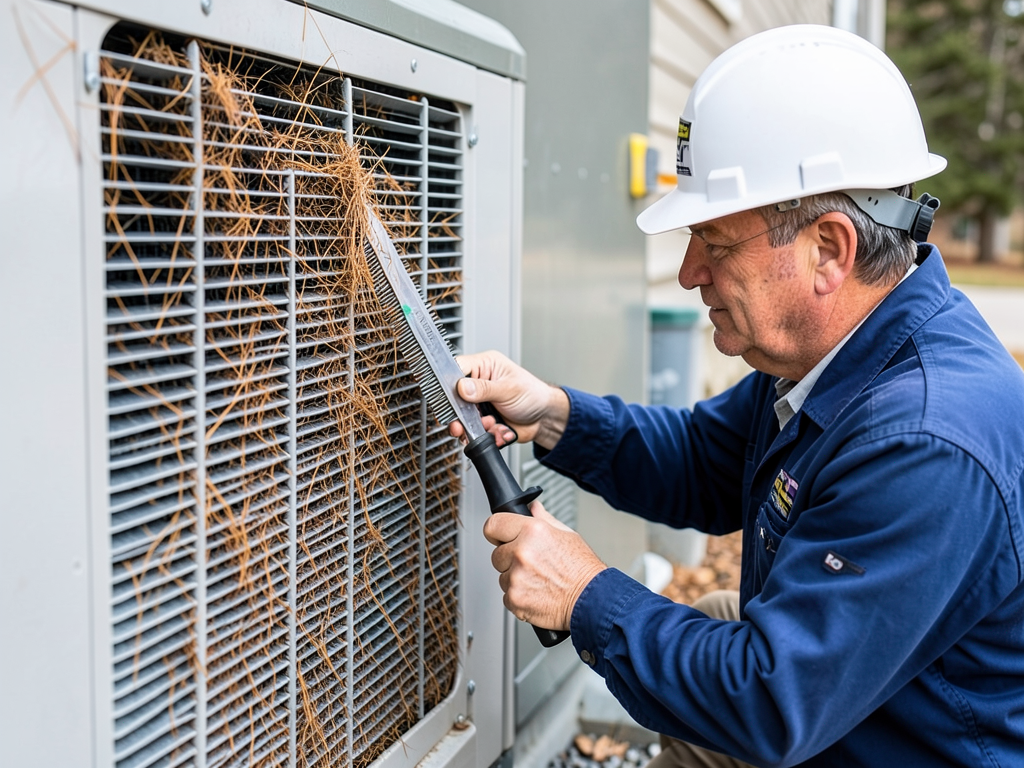
Why Pine Needles are a Unique Threat to Denver AC Units Living in Genesee means dealing with the beautiful but challenging mountain environment. The pine trees that give your property its scenic charm can wreak…

Why Your Gas Fireplace Should Not Be Your Only Heat Source in Golden\n\nGolden homeowners often…
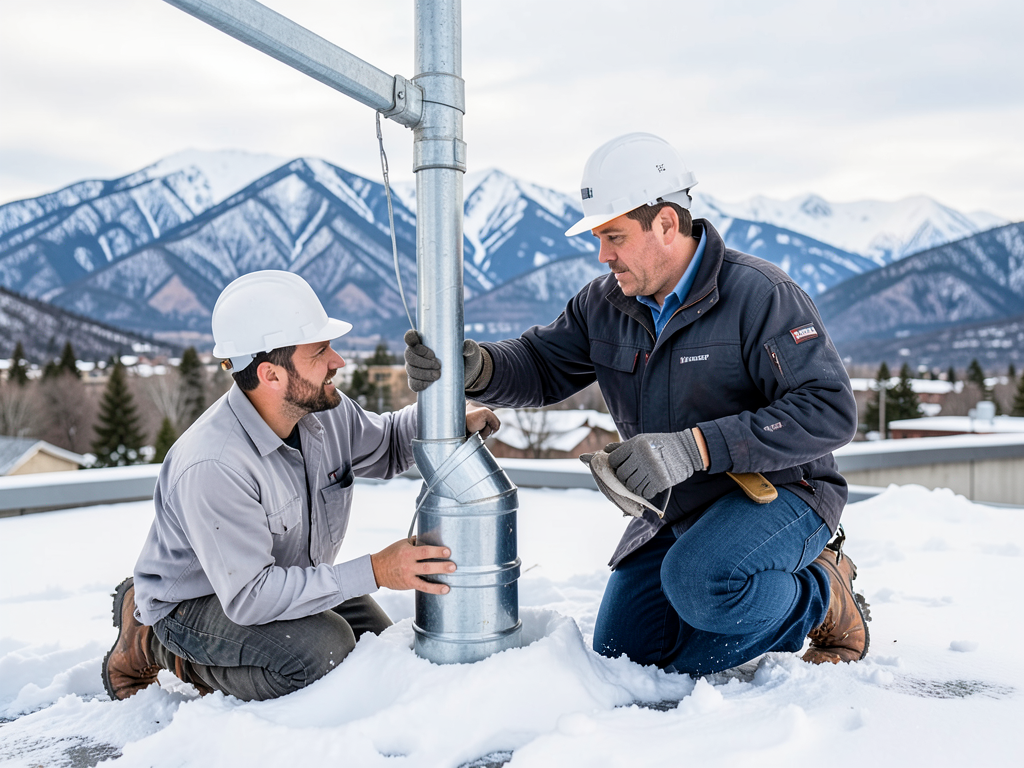
Why Your Furnace Venting Needs Special Attention in High Altitude Morrison Living at 5,800 feet…
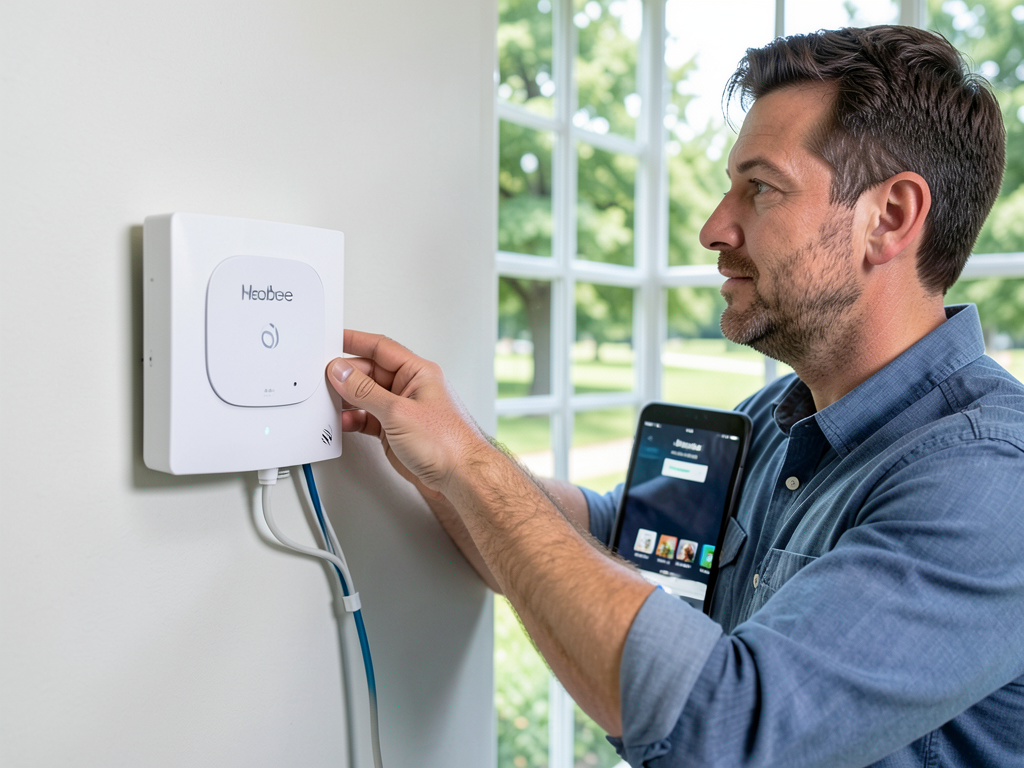
How to Integrate Your HVAC with Matter and Apple Home in Central Park Central Park…
Your comfort cannot wait. Call Fortress HVAC Denver at (720) 502-9511 for immediate dispatch. We diagnose accurately, quote fairly, and repair correctly. Our technicians are ready to restore your heating or cooling today.