




Centennial sits at 5,500 feet elevation where temperature swings punish HVAC systems year-round. Summer afternoons hit 95 degrees while nights drop to the 60s. Winter mornings plunge below zero, then warm to 50 by afternoon. This constant cycling strains compressors, wears out blower motors, and causes expansion joints to fail.
The dry air at elevation accelerates dust buildup in ductwork and filters. Wind from the eastern plains carries debris that clogs condensers. Homes near Piney Creek and Cherry Creek face higher humidity that promotes mold growth in vent systems. Neighborhoods like Southglenn and Walnut Hills see older HVAC systems struggling with modern demand loads.
Colorado's freeze-thaw cycles create condensation issues that ice over coils and crack heat exchangers. Furnaces run harder in thin air to maintain temperature. Air conditioners work overtime against intense UV radiation at altitude. Systems that work fine at sea level fail faster here.
Building codes require higher SEER ratings and tighter envelope construction. Retrofitting older homes in Heritage Greens or Smoky Hill requires understanding how modern systems integrate with existing ductwork. Equipment must handle rapid temperature changes without breaking down. That's why emergency calls spike during season transitions.
We built our reputation responding to the calls other companies ignore. When your furnace quits at 2 AM on a January night, you don't need a voicemail. You need a technician with a fully stocked truck headed to your door. Fortress HVAC Denver runs 24/7 emergency service because Colorado weather doesn't respect office hours.
Our technicians train on altitude-specific HVAC challenges that coastal companies never see. We know how thin air affects combustion efficiency. We understand why condensate lines freeze in Centennial when they wouldn't in Denver. We've diagnosed thousands of systems in Foxridge, Settlers, and Willow Spring neighborhoods where elevation stress accelerates wear patterns.
You get upfront pricing before work starts. No surprise charges when the job finishes. We carry parts for every major brand on our trucks because driving back to the warehouse wastes your time. Our diagnostic process identifies root causes, not just symptoms. Replacing a capacitor might fix today's problem, but if your compressor is drawing too many amps, we tell you now before it fails next month.
We service both residential and light commercial properties. That means we handle everything from standard split systems to complex multi-zone setups. We pull permits for major installations and coordinate inspections. We warranty our work because we know it's done right. When we leave, your system works the way the manufacturer designed it.

Furnaces fail at midnight. Air conditioners quit during heat waves. We answer emergency calls every hour of every day. Our technicians carry diagnostic tools and common parts to fix most problems on the first visit. You don't wait until Monday morning when it's 15 degrees outside. We dispatch immediately and restore comfort fast.

You approve the price before we touch your system. No hourly rates that inflate when jobs take longer. No hidden fees discovered after work finishes. We diagnose the problem, quote the repair, and wait for your approval. The price we quote is the price you pay. Emergency service costs more than scheduled maintenance, but you'll know exactly what before we start.
Centennial's elevation creates unique HVAC challenges. Combustion behaves differently in thin air. Heat exchangers crack from rapid temperature swings. Our technicians train specifically on high-altitude system performance. We adjust gas valve pressures correctly for 5,500 feet. We know which capacitors fail first under UV stress. Experience at elevation matters when diagnosis counts.
We know Centennial's neighborhoods and common system types in each area. Homes in Highlands Ranch additions run different equipment than older Southglenn properties. We've serviced systems throughout Smoky Hill, Walnut Hills, and Streets of Southglenn. That local experience means faster diagnosis and repairs done right the first time because we've seen these exact issues before.
Your heating and cooling needs change with Colorado's extreme weather. Winter demands furnace reliability when temperatures drop below zero. Summer requires air conditioning that handles 95-degree days without breaking down. Year-round comfort depends on maintenance that prevents failures before they happen.
Fortress HVAC Denver provides emergency repairs when systems quit, planned replacements when equipment reaches end of life, and preventive maintenance that extends system longevity. We service all major brands including Carrier, Trane, Lennox, Rheem, and Goodman. Our technicians diagnose forced air systems, heat pumps, boilers, and ductless mini-splits.
We handle everything from simple thermostat repairs to complete system replacements. Refrigerant leaks, failed compressors, cracked heat exchangers, frozen evaporator coils, and blower motor failures all get fixed with the same commitment to quality. We pull permits for new installations and ensure work meets Arapahoe County building codes. Your comfort system either works reliably or we make it right.
Heating and cooling failures happen without warning. A working furnace dies overnight. An air conditioner quits during the hottest week of summer. We dispatch technicians 24/7 because emergencies don't wait for convenient timing. Our trucks carry diagnostic equipment and common replacement parts for immediate repairs. We troubleshoot electrical issues, replace failed capacitors, fix refrigerant leaks, and restore operation fast. Most emergency calls get resolved the same day because we stock parts and know what fails most often at Centennial's elevation.
Old systems eventually cost more to repair than replace. Heat exchangers crack after 20 years of thermal cycling. Compressors fail on 15-year-old air conditioners. We help you decide when replacement makes financial sense. New high-efficiency systems cut energy bills while providing better comfort. We size equipment correctly for your home's square footage, insulation levels, and Centennial's climate demands. Installation includes ductwork modifications, proper refrigerant charging for altitude, and county permit compliance. You get manufacturer warranties plus our workmanship guarantee.
Regular maintenance catches small problems before they become expensive failures. We inspect heat exchangers for cracks, test capacitors under load, measure refrigerant charge, clean condenser coils, and check electrical connections. Furnace tune-ups before winter ensure reliable operation during cold snaps. Air conditioning service before summer prevents breakdowns during heat waves. Clean filters improve efficiency and air quality. Lubricated motors last longer. Calibrated thermostats maintain even temperatures. Scheduled maintenance costs less than emergency repairs and extends equipment life by years.
Centennial's climate creates specific failure patterns that coastal HVAC technicians never encounter. Altitude affects combustion efficiency and puts extra load on blower motors. Rapid temperature swings between day and night stress expansion joints and electrical components. Dry air accelerates dust accumulation while intense UV radiation degrades outdoor components faster.
Homes near major roads like Arapahoe and Colorado Boulevard collect more airborne debris that clogs filters and condenser coils. Properties in established neighborhoods like Southglenn often have undersized ductwork for modern high-efficiency systems. Newer construction in Heritage Greens uses tighter building envelopes that require precise air balancing. Understanding these local factors helps us diagnose problems faster and recommend solutions that actually work in Centennial's environment.
Air conditioners freeze up when refrigerant charge drops or airflow restricts. Low humidity at elevation makes ice formation worse. Clogged filters reduce airflow across coils. Refrigerant leaks from UV-damaged line sets lower system pressure. Blower motors weakened by thin air can't move enough volume. Ice buildup stops cooling and can damage compressors. We check charge levels, clean coils, replace filters, and verify proper airflow to prevent freezing.
Systems that turn on and off constantly waste energy and wear out faster. Oversized equipment for the space causes short cycling. Failed thermostats send incorrect signals. Dirty flame sensors shut down furnaces prematurely. Weak capacitors prevent compressors from starting properly. Ductwork leaks in unconditioned attics waste conditioned air. We diagnose cycling patterns, measure run times, and identify whether the problem stems from controls, sizing, or mechanical failure.
Rising utility costs signal efficiency loss somewhere in your system. Refrigerant leaks force compressors to run longer. Dirty coils reduce heat transfer efficiency. Ductwork leaks waste 20 to 30 percent of conditioned air. Old furnaces with cracked heat exchangers lose combustion efficiency. Thermostats in poor locations cycle equipment incorrectly. We perform efficiency testing, check duct integrity, measure temperature splits, and identify where your system wastes money.
Unusual sounds and odors warn of dangerous failures. Grinding noises indicate bearing failure in motors. Banging sounds suggest cracked heat exchangers. Burning smells can mean electrical shorts or overheating components. Hissing sounds point to refrigerant leaks. Squealing belts need replacement before they snap. We never ignore warning signs that might indicate safety hazards or imminent breakdowns requiring immediate attention and repair.
HVAC emergencies create stress. Your family needs heat in January or cooling in July. You want fast service but worry about price gouging. You need honest answers about whether to repair or replace aging equipment.
Fortress HVAC Denver treats emergency calls with the urgency they deserve. We answer phones 24/7. We dispatch the closest available technician. We arrive in clearly marked trucks with all necessary tools and common parts. Our process focuses on stopping the immediate problem, explaining what happened, and presenting options with transparent pricing. You make informed decisions without pressure or surprise charges after work completes.
Your technician arrives with professional diagnostic equipment. We test electrical components, measure refrigerant pressures, inspect heat exchangers, and identify failure points. You get a clear explanation of what broke and why it happened. We explain whether this failure indicates deeper problems or represents normal wear. If your system shows signs of additional pending failures, we tell you now. You receive photos of damaged components and straightforward answers to every question.
We quote flat-rate prices for repairs before touching your system. You see the total cost including parts and labor. Emergency service rates apply to after-hours calls but those rates are disclosed when you call. No hidden fees appear later. If diagnostic work reveals additional problems, we provide separate quotes for each issue. You decide what gets fixed and when. We never start work without your explicit approval of the price and scope.
We warranty all repair work and stand behind our installations. If the same component fails within the warranty period, we fix it at no charge. We clean up completely after work finishes. We test system operation before leaving and verify temperatures reach setpoints. You receive documentation of work performed and recommendations for future maintenance. We follow up to ensure your system continues operating correctly and address any concerns immediately.
Fast response matters in HVAC emergencies, but rushed work creates more problems. Our process balances speed with thoroughness to restore your comfort reliably.
Call our 24/7 line at (720) 502-9511 and speak directly with our dispatch team. We gather basic information about your system and symptoms. We provide immediate troubleshooting tips that might restore basic function while the technician drives to your location. We give you an accurate arrival window and text when the technician is 15 minutes away. Our trucks carry extensive parts inventory to fix most common failures immediately.
Your technician performs comprehensive system testing to identify all failure points. We explain what broke and show you the failed components. You receive a detailed quote before any repair work begins. Once you approve, we complete repairs using quality parts backed by manufacturer warranties. We test system operation under load conditions to verify proper function. Most repairs finish the same visit because we stock common replacement parts.
We run your system through complete heating or cooling cycles before leaving. We verify temperatures, check airflow, measure electrical draw, and confirm all safety controls function correctly. You receive written documentation of repairs completed and any recommended future maintenance. We clean the work area and remove all debris. Our team follows up within 48 hours to confirm your system continues operating properly and answer any additional questions.
Quality HVAC work in Centennial requires understanding altitude-specific factors that affect system performance. Colorado's elevation changes combustion dynamics and refrigerant behavior in ways that standard training doesn't cover.
Furnace installations must account for reduced oxygen density at 5,500 feet. Gas valves require pressure adjustments different from sea level specifications. Venting calculations change because draft dynamics differ in thin air. We follow manufacturer altitude compensation charts and verify combustion efficiency with digital analyzers. Improper altitude adjustments cause incomplete combustion, carbon monoxide production, and premature heat exchanger failure.
Air conditioning systems require refrigerant charge adjustments for elevation. Subcooling and superheat targets shift because atmospheric pressure affects saturation temperatures. We charge systems using precise weight measurements and verify performance with temperature splits across the evaporator coil. Overcharging damages compressors while undercharging causes frozen coils and poor cooling.
Arapahoe County requires permits for furnace replacements, air conditioner installations, and ductwork modifications. Inspectors verify proper venting, correct gas line sizing, adequate combustion air, proper refrigerant recovery, and code-compliant electrical connections. We pull permits, coordinate inspections, and ensure work passes the first time. Unpermitted work creates liability issues and complicates home sales.
Equipment sizing requires accurate load calculations using Manual J methodology. Oversized systems short cycle and fail to dehumidify. Undersized systems run constantly without reaching setpoints. We measure actual square footage, calculate window solar gain, assess insulation values, and account for Centennial's climate data. Proper sizing delivers comfort and efficiency.
Repair costs depend on failed component complexity and refrigerant type. Simple capacitor replacements cost less than compressor changes. R-410A refrigerant costs more than older R-22. Emergency service outside business hours carries premium rates. Complex diagnosis on multi-zone systems takes longer than single-stage equipment. Parts availability affects timing. We provide exact quotes before starting work so you control spending decisions.
Most emergency repairs complete in two to four hours including diagnosis and testing. Complete system replacements take one to two days depending on ductwork modifications required. Permit inspections add one to three days to new installation timelines. Custom ductwork fabrication extends schedules. We communicate realistic timelines upfront and update you if complications arise. Rushed work creates future problems we refuse to cause.
Colorado requires EPA Section 608 certification for refrigerant handling. Contractors must carry liability insurance and workers compensation coverage. Manufacturer warranties require licensed installation to remain valid. We maintain all required certifications and insurance. Our installation warranty covers workmanship defects. Equipment warranties from manufacturers cover parts failures. Proper documentation protects your investment and ensures coverage when problems arise.
HVAC technician explains how Centennial's elevation and climate create specific heating and cooling system failures. Covers altitude effects on combustion and refrigerant performance, common failure patterns in Southglenn and Smoky Hill neighborhoods, and when to repair versus replace aging equipment. Demonstrates diagnostic process for frozen coils, short cycling, and efficiency loss. Provides maintenance recommendations for Centennial's dry climate and temperature extremes.
Fortress HVAC Denver provides heating and cooling service throughout Centennial and neighboring Arapahoe County communities. Our service area spans from the Streets of Southglenn shopping district east to Smoky Hill Road, and from Dry Creek Road south to the Douglas County line.
We regularly service homes in established neighborhoods like Southglenn, Walnut Hills, and Willow Spring where older HVAC systems require replacement or extensive repair. These areas feature homes built in the 1970s and 1980s with original equipment now reaching end of life. Ductwork often needs modification to accommodate modern high-efficiency systems. We understand the construction methods and system types common to these neighborhoods.
Newer developments in Heritage Greens, Piney Creek, and Homestead Farm present different challenges. Tighter building envelopes and advanced HVAC systems require precise diagnostics when problems occur. Multi-zone systems and variable-speed equipment need technicians who understand complex controls. We train specifically on the newer technology installed in recent construction.
Properties near major corridors like Arapahoe Road, Smoky Hill Road, and Colorado Boulevard face heavier dust loads from traffic. Condenser coils clog faster. Filters need more frequent replacement. We adjust maintenance schedules based on location-specific conditions.
Commercial properties in the Dry Creek business corridor and retail centers along County Line Road require fast response to minimize business disruption. We handle rooftop units, package systems, and light commercial split systems that serve restaurants, offices, and retail spaces.
Our proximity to Centennial means fast response times across the entire city. We reach Foxridge homes as quickly as properties in The Highlands or Settlers. Geography doesn't determine service quality. Whether you live near Cherry Creek State Park or south near Castle Pines, you receive the same professional service and guaranteed repairs.
HVAC system replacement in Centennial varies based on your home size, equipment efficiency, and installation complexity. A complete system for an average home typically ranges from several thousand to over ten thousand dollars. Your final investment depends on the unit's SEER rating, brand, ductwork condition, and any needed upgrades. High-altitude equipment performs differently, so you need components rated for Centennial's elevation. Get multiple quotes from local contractors. They'll assess your specific needs and provide accurate pricing. Energy-efficient systems cost more upfront but save you money on monthly utility bills.
Your HVAC system size depends on square footage, ceiling height, insulation quality, window count, and sun exposure. Centennial's high altitude requires specific calculations. A typical 2,000-square-foot home needs a 2.5 to 3.5-ton system. Oversized units cycle on and off too frequently, wasting energy and reducing comfort. Undersized systems run constantly and fail to maintain temperature. A qualified contractor performs a Manual J load calculation to determine exact requirements. This assessment accounts for your home's unique characteristics and Centennial's climate conditions. Never guess on sizing. Proper calculations ensure efficient operation and long equipment life.
Schedule HVAC maintenance twice yearly in Centennial. Get furnace service in fall before heating season starts. Schedule air conditioner maintenance in spring before summer arrives. Biannual tune-ups prevent breakdowns, improve efficiency, and extend equipment lifespan. Technicians clean components, check refrigerant levels, inspect electrical connections, and test safety controls. Centennial's temperature extremes and dry climate put extra stress on HVAC systems. Regular maintenance catches small problems before they become expensive repairs. Many contractors offer maintenance plans with scheduled visits and priority service. Consistent upkeep keeps your system running reliably year-round and maintains your manufacturer warranty requirements.
HVAC system replacement in Centennial varies based on your home size, equipment efficiency, and installation complexity. A complete system for an average home typically ranges from several thousand to over ten thousand dollars. Your final investment depends on the unit's SEER rating, brand, ductwork condition, and any needed upgrades. High-altitude equipment performs differently, so you need components rated for Centennial's elevation. Get multiple quotes from local contractors. They'll assess your specific needs and provide accurate pricing. Energy-efficient systems cost more upfront but save you money on monthly utility bills.
Your HVAC system size depends on square footage, ceiling height, insulation quality, window count, and sun exposure. Centennial's high altitude requires specific calculations. A typical 2,000-square-foot home needs a 2.5 to 3.5-ton system. Oversized units cycle on and off too frequently, wasting energy and reducing comfort. Undersized systems run constantly and fail to maintain temperature. A qualified contractor performs a Manual J load calculation to determine exact requirements. This assessment accounts for your home's unique characteristics and Centennial's climate conditions. Never guess on sizing. Proper calculations ensure efficient operation and long equipment life.
Schedule HVAC maintenance twice yearly in Centennial. Get furnace service in fall before heating season starts. Schedule air conditioner maintenance in spring before summer arrives. Biannual tune-ups prevent breakdowns, improve efficiency, and extend equipment lifespan. Technicians clean components, check refrigerant levels, inspect electrical connections, and test safety controls. Centennial's temperature extremes and dry climate put extra stress on HVAC systems. Regular maintenance catches small problems before they become expensive repairs. Many contractors offer maintenance plans with scheduled visits and priority service. Consistent upkeep keeps your system running reliably year-round and maintains your manufacturer warranty requirements.
Air conditioner freeze-up happens when airflow restriction or refrigerant issues cause the evaporator coil to get too cold. Common causes include dirty air filters, blocked return vents, closed registers, and failing blower motors. Low refrigerant from leaks also creates freezing. When airflow drops, condensation on the coil freezes into ice. This blocks more airflow and worsens the problem. Turn off your system immediately if you see ice. Let it thaw completely before restarting. Replace your filter monthly during cooling season. If freezing continues, call a technician. They'll check refrigerant levels, test airflow, and find the root cause.
Centennial's dry climate makes whole-home humidifiers beneficial for comfort and health. Indoor humidity often drops below 20 percent in winter, causing dry skin, irritated sinuses, and respiratory discomfort. Low humidity also damages wood floors, furniture, and musical instruments. Static electricity becomes problematic. A furnace-mounted humidifier adds moisture to heated air throughout your home. Target humidity levels between 30 and 50 percent for optimal comfort. These systems connect to your water line and ductwork. They require minimal maintenance and operate automatically. You'll notice improved air quality, better sleep, and reduced heating bills because humid air feels warmer.
Complete HVAC system installation in Centennial takes one to three days for most homes. A straightforward replacement with existing ductwork takes eight to twelve hours. Complex installations requiring ductwork modifications, electrical upgrades, or structural changes take longer. Multi-zone systems and high-efficiency equipment need additional setup time. Your contractor removes old equipment, installs new components, connects electrical and refrigerant lines, tests system operation, and completes final adjustments. Weather conditions and permit inspections affect timing. Experienced installers work efficiently while ensuring quality. Ask your contractor for a specific timeline during the estimate. They'll outline each installation phase and expected completion date.
Top HVAC brands for Centennial's high altitude include Lennox, Trane, Carrier, Rheem, and Amana. These manufacturers offer equipment rated for elevation and extreme temperature swings. Look for systems with multi-stage compressors and variable-speed blowers. They handle altitude changes better and provide consistent comfort. High-efficiency models perform well in dry climates and reduce energy consumption. Local contractors stock parts for major brands, ensuring faster repairs. Choose equipment backed by strong warranties and reliable service networks. Your contractor recommends specific models based on your home's needs and budget. They understand which systems perform best in Centennial's unique environment and demanding climate conditions.
Many Centennial HVAC contractors offer same-day emergency furnace repair during winter months. Availability depends on the company's schedule, technician count, and service demand. Extreme cold days create high call volumes. Most companies prioritize emergencies like complete system failures and safety issues. You have better chances getting same-day service by calling early morning. Emergency repairs cost more than scheduled appointments. Prevent winter breakdowns with fall maintenance. Keep a list of 24/7 emergency HVAC companies before heating season starts. If your furnace fails, check your thermostat settings and circuit breakers first. These simple fixes sometimes restore heat without requiring a service call.
A 15-year-old HVAC system in Centennial approaches the end of its typical lifespan. Most systems last 15 to 20 years with proper maintenance. Consider replacement if repairs exceed half the replacement value or if the system needs frequent fixes. New systems offer better energy efficiency, saving you money monthly. Modern equipment handles high altitude more effectively. Evaluate your system's performance, reliability, and operating expenses. Frequent breakdowns signal declining reliability. Rising energy bills indicate decreasing efficiency. Get professional assessments from multiple contractors. They'll evaluate your system's condition and help you make an informed decision about repair versus replacement based on your situation.
HVAC installation in Centennial requires mechanical and electrical permits from the city. Your contractor typically handles permit applications and scheduling inspections. Permits ensure work meets building codes and safety standards. The city reviews equipment specifications, ductwork plans, and installation methods. Inspectors verify proper installation, adequate combustion air, correct venting, and safe electrical connections. Permit fees vary based on project scope. Never skip permits to save money. Unpermitted work creates liability issues, complicates home sales, and voids equipment warranties. Reputable contractors include permits in their quotes. They coordinate inspections and ensure compliance with all local codes and manufacturer requirements for your system.
Air conditioner freeze-up happens when airflow restriction or refrigerant issues cause the evaporator coil to get too cold. Common causes include dirty air filters, blocked return vents, closed registers, and failing blower motors. Low refrigerant from leaks also creates freezing. When airflow drops, condensation on the coil freezes into ice. This blocks more airflow and worsens the problem. Turn off your system immediately if you see ice. Let it thaw completely before restarting. Replace your filter monthly during cooling season. If freezing continues, call a technician. They'll check refrigerant levels, test airflow, and find the root cause.
Centennial's dry climate makes whole-home humidifiers beneficial for comfort and health. Indoor humidity often drops below 20 percent in winter, causing dry skin, irritated sinuses, and respiratory discomfort. Low humidity also damages wood floors, furniture, and musical instruments. Static electricity becomes problematic. A furnace-mounted humidifier adds moisture to heated air throughout your home. Target humidity levels between 30 and 50 percent for optimal comfort. These systems connect to your water line and ductwork. They require minimal maintenance and operate automatically. You'll notice improved air quality, better sleep, and reduced heating bills because humid air feels warmer.
Complete HVAC system installation in Centennial takes one to three days for most homes. A straightforward replacement with existing ductwork takes eight to twelve hours. Complex installations requiring ductwork modifications, electrical upgrades, or structural changes take longer. Multi-zone systems and high-efficiency equipment need additional setup time. Your contractor removes old equipment, installs new components, connects electrical and refrigerant lines, tests system operation, and completes final adjustments. Weather conditions and permit inspections affect timing. Experienced installers work efficiently while ensuring quality. Ask your contractor for a specific timeline during the estimate. They'll outline each installation phase and expected completion date.
Top HVAC brands for Centennial's high altitude include Lennox, Trane, Carrier, Rheem, and Amana. These manufacturers offer equipment rated for elevation and extreme temperature swings. Look for systems with multi-stage compressors and variable-speed blowers. They handle altitude changes better and provide consistent comfort. High-efficiency models perform well in dry climates and reduce energy consumption. Local contractors stock parts for major brands, ensuring faster repairs. Choose equipment backed by strong warranties and reliable service networks. Your contractor recommends specific models based on your home's needs and budget. They understand which systems perform best in Centennial's unique environment and demanding climate conditions.
Many Centennial HVAC contractors offer same-day emergency furnace repair during winter months. Availability depends on the company's schedule, technician count, and service demand. Extreme cold days create high call volumes. Most companies prioritize emergencies like complete system failures and safety issues. You have better chances getting same-day service by calling early morning. Emergency repairs cost more than scheduled appointments. Prevent winter breakdowns with fall maintenance. Keep a list of 24/7 emergency HVAC companies before heating season starts. If your furnace fails, check your thermostat settings and circuit breakers first. These simple fixes sometimes restore heat without requiring a service call.
A 15-year-old HVAC system in Centennial approaches the end of its typical lifespan. Most systems last 15 to 20 years with proper maintenance. Consider replacement if repairs exceed half the replacement value or if the system needs frequent fixes. New systems offer better energy efficiency, saving you money monthly. Modern equipment handles high altitude more effectively. Evaluate your system's performance, reliability, and operating expenses. Frequent breakdowns signal declining reliability. Rising energy bills indicate decreasing efficiency. Get professional assessments from multiple contractors. They'll evaluate your system's condition and help you make an informed decision about repair versus replacement based on your situation.
HVAC installation in Centennial requires mechanical and electrical permits from the city. Your contractor typically handles permit applications and scheduling inspections. Permits ensure work meets building codes and safety standards. The city reviews equipment specifications, ductwork plans, and installation methods. Inspectors verify proper installation, adequate combustion air, correct venting, and safe electrical connections. Permit fees vary based on project scope. Never skip permits to save money. Unpermitted work creates liability issues, complicates home sales, and voids equipment warranties. Reputable contractors include permits in their quotes. They coordinate inspections and ensure compliance with all local codes and manufacturer requirements for your system.
Fortress HVAC is proud to serve the Denver area and surrounding communities. We invite you to view our location on the map, which highlights our service area. While we often come directly to you for services, knowing our central base can help you understand our reach. Feel free to contact us with any questions about our service coverage or to schedule an appointment directly.
Address:
Centennial, CO, 80112
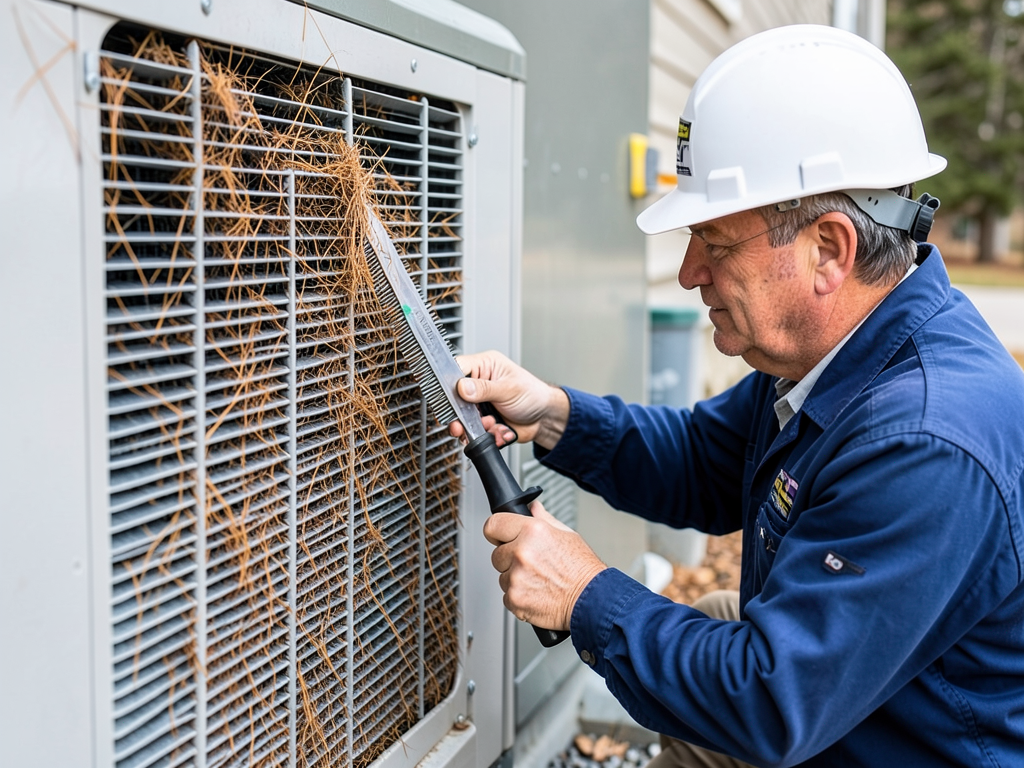
Why Pine Needles are a Unique Threat to Denver AC Units Living in Genesee means dealing with the beautiful but challenging mountain environment. The pine trees that give your property its scenic charm can wreak…

Why Your Gas Fireplace Should Not Be Your Only Heat Source in Golden\n\nGolden homeowners often…
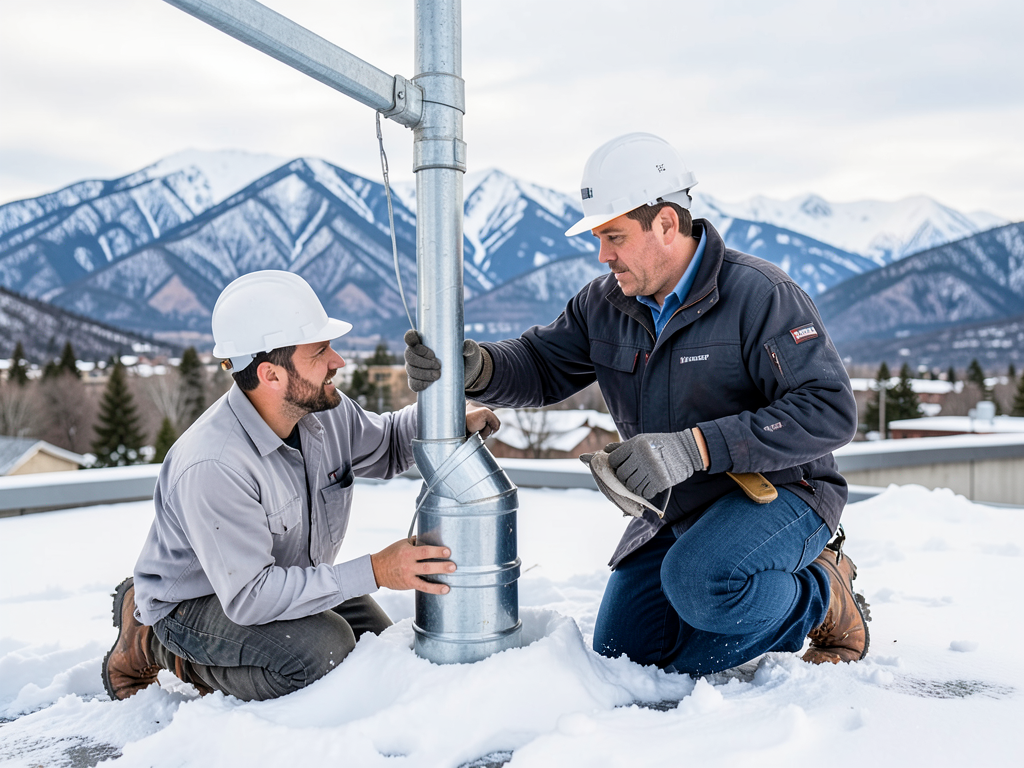
Why Your Furnace Venting Needs Special Attention in High Altitude Morrison Living at 5,800 feet…
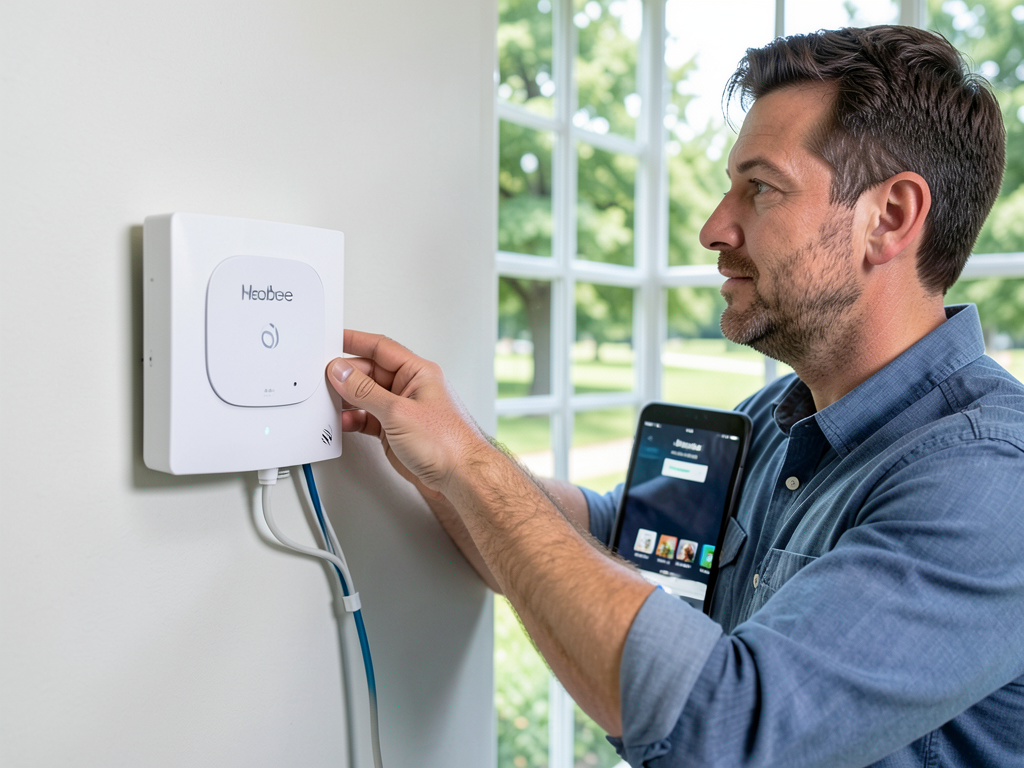
How to Integrate Your HVAC with Matter and Apple Home in Central Park Central Park…
Don't spend another hour without heat or cooling. Call Fortress HVAC Denver at (720) 502-9511 for immediate dispatch. Our technicians are standing by 24/7 to restore your comfort with honest service and upfront pricing.