
Tips for Protecting Your Outdoor AC Unit from Cottonwood and Hail in Denver
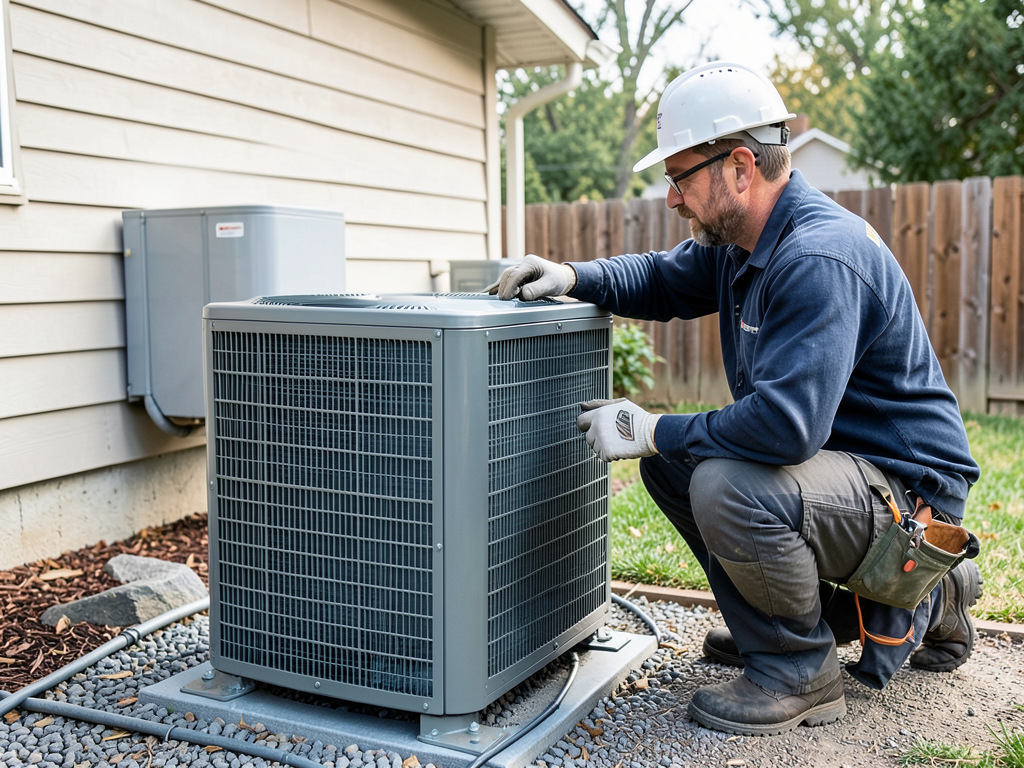
Denver homeowners face two unique threats to their outdoor AC units: cottonwood seeds in late spring and hailstorms from May through August. These Front Range hazards can clog coils, damage fins, and cause expensive repairs. This guide covers Denver-specific protection strategies from certified HVAC technicians who understand the local climate. Fast AC Repair Services in Aurora for When the Summer Heat Hits.
Why Denver Hail is Unique (and Dangerous for ACs)
Denver sits in “Hail Alley,” where the high altitude and temperature swings create perfect conditions for severe hailstorms. The Mile High City experiences more hailstorms per year than most U.S. cities, with stones often reaching golf ball size or larger. At Denver’s elevation, hail falls faster due to reduced air resistance, increasing impact force on your AC’s aluminum fins.
According to the National Weather Service, Denver averages 7-9 hailstorms annually, with peak activity between June and August. The combination of intense UV exposure and rapid temperature changes at 5,280 feet above sea level makes AC units particularly vulnerable to both hail impact and accelerated material degradation. National Weather Service Denver hail statistics.
3 Methods for Hail Protection
Permanent Hail Guards (Metal Mesh)
Professional-grade hail guards install directly over your condensing unit using powder-coated steel or aluminum mesh. These guards allow 95% of normal airflow while deflecting hail stones before they hit the fins. Quality guards meet ASHRAE standards for static pressure and won’t void your manufacturer warranty when properly installed. ASHRAE standards for HVAC equipment.
Installation requires measuring your specific unit dimensions and securing the guard with rust-resistant fasteners. The upfront cost ranges from $300-600 depending on unit size, but this one-time investment prevents thousands in hail damage repairs. Repair vs. Replace AC Guide.
Temporary Covers (Only for Off-Season)
Never cover your AC during the cooling season. Running a covered unit causes immediate compressor overheating and permanent damage. However, off-season covers protect against winter debris and cottonwood seeds when the system isn’t running.. Read more about How to Stop Your HVAC System from Rattling Every Time the Wind Blows in Green Mountain.
Use breathable mesh covers that allow moisture evaporation. Solid plastic tarps trap condensation and accelerate rust formation. Remove covers at least 48 hours before first use each spring to prevent mold growth.
Strategic Landscaping and Shelters
Planting deciduous trees 10-15 feet from your unit provides natural hail protection while maintaining proper airflow clearance. The canopy reduces hail velocity before stones reach your AC. However, avoid evergreens that drop needles year-round and create additional maintenance issues.
Freestanding pergolas or lattice structures positioned to block prevailing storm winds offer another protection layer. These structures must maintain 2 feet of clearance on all sides for adequate ventilation.. Read more about What to Do When Your Air Conditioner Freezes into a Block of Ice (Glendale Homeowner Guide).
The Airflow Trap: Why Most Covers Damage Your Unit
Air conditioning systems move 400-600 cubic feet of air per minute through the condenser coil. Blocking this airflow by even 20% causes the compressor to work harder, drawing more electricity and running hotter. This heat buildup reduces the unit’s SEER rating by 15-30% and can cause immediate failure.
Many homeowners buy “hail covers” that look protective but are actually death traps for compressors. These solid covers restrict airflow to dangerous levels. The correct approach uses hail guards that deflect impact while maintaining full airflow capacity. Professional guards are engineered to add less than 0.1 inches of static pressure to the system.
What to Do After a Hailstorm: A 5-Step Inspection Checklist
- Visual Assessment
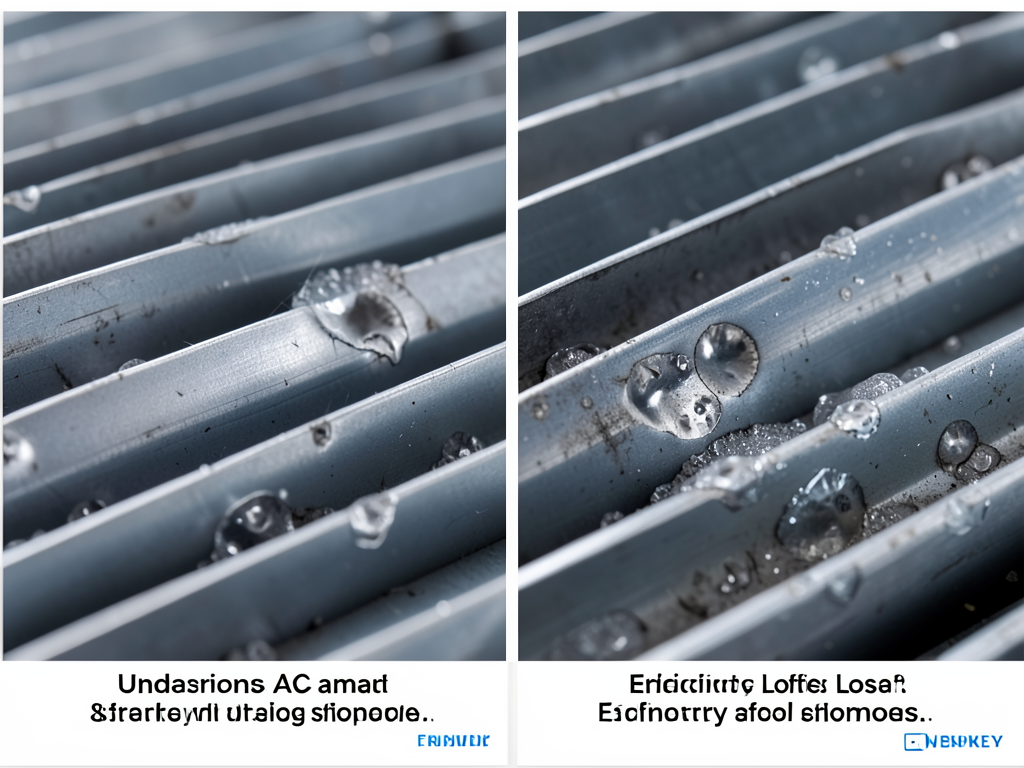
Examine the condenser coil fins for dents or bending. Hail damage appears as small dimples or crushed sections. Minor damage affects efficiency but major damage requires professional repair.
- Sound Check
Turn the system on and listen for unusual noises. Damaged fan blades create clicking sounds, while compressor issues sound like grinding or humming.
- Airflow Test
Feel the air coming from the top of the unit. Weak airflow indicates restricted coils from debris or damage.
- Refrigerant Line Inspection
Check copper lines for dents or kinks. Hail can damage these lines, causing refrigerant leaks that require immediate repair.
- Professional Assessment
Call (720) 502-9511 for a comprehensive inspection if you notice any damage signs or system performance changes.
Insurance Claims for AC Hail Damage in Colorado
Most Colorado homeowners insurance policies cover hail damage to AC units under the dwelling coverage section. However, you must document damage immediately after storms. Take clear photos of all visible damage before cleaning or covering the unit.
Deductibles for hail claims typically range from $500-2,000 depending on your policy. Some Denver-area insurers offer premium discounts for installing certified hail protection systems. Check with your insurance provider about specific requirements for coverage eligibility.
Professional HVAC companies can provide detailed damage assessments and repair estimates that insurance adjusters require for claim approval. Keep all documentation organized and submit claims within 30 days of the damaging event.
Cottonwood Seed Management: The Other Denver Threat
Downtown Denver and the Cherry Creek area experience heavy cottonwood seed release from late May through June. These fluffy seeds clog condenser coils and reduce efficiency by up to 40%. The seeds stick to moisture on coils and create a felt-like mat that blocks airflow.
Regular coil cleaning during cottonwood season prevents efficiency losses. Professional cleaning uses specialized coil cleaners that dissolve seed residue without damaging aluminum fins. DIY cleaning with pressure washers often bends fins and reduces efficiency further.
Install fine-mesh pre-filters over intake areas to catch seeds before they enter the coil. These filters require weekly cleaning during peak seed season but prevent the need for more intensive coil cleaning.
Professional vs. DIY Installation: What Makes Sense
Simple hail guards with basic mounting hardware can be DIY projects for mechanically inclined homeowners. However, professional installation ensures proper airflow measurements and warranty compliance. DIY installations that restrict airflow void manufacturer warranties and cause premature system failure.
Professional services include airflow testing with anemometers, proper mounting to prevent vibration, and integration with existing drainage systems. The cost difference between DIY and professional installation is typically $100-200, but professional work includes warranty protection and performance guarantees.
For temporary covers, follow manufacturer instructions precisely. Most covers specify maximum coverage time and require complete removal before system operation. Improper cover use causes more damage than no protection at all.
Impact on SEER Ratings and Energy Efficiency
Hail damage reduces AC efficiency by denting or crushing the condenser coil fins. These fins are engineered to specific spacing for optimal heat transfer. When hail bends fins, the reduced surface area decreases the unit’s ability to reject heat, forcing longer run times and higher energy bills.
A unit with 10% fin damage operates at approximately 90% of its rated efficiency. This seemingly small reduction increases monthly cooling costs by $15-30 depending on usage patterns. Severe damage of 30% or more can double energy consumption until repairs are made.
Regular maintenance including fin straightening with specialized combs can restore much of the lost efficiency. However, severely damaged coils often require complete replacement to regain full performance.
Long-Term Protection Strategies for Denver Homes
Denver’s climate requires year-round protection strategies. Install hail guards in April before storm season begins. Add cottonwood filters by early May. Schedule professional coil cleaning in late June after seed season peaks.
Consider the age of your unit when investing in protection. Units over 10 years old may be better replaced with newer, more efficient models that include enhanced durability features. Modern units often have thicker fins and better hail resistance than older models.
Track local weather patterns and storm warnings. Denver’s geography creates predictable storm corridors along the Front Range. Knowing when severe weather approaches allows time to implement temporary protection measures if needed.
Frequently Asked Questions
Will hail guards void my AC warranty?
Quality hail guards installed according to manufacturer specifications will not void warranties. However, covers that restrict airflow or require modifications to factory components may void coverage. Always check warranty terms before installation.
How much do hail guards cost in Denver?
Professional hail guard installation in Denver ranges from $300-600 for standard residential units. Custom sizes for larger or commercial units cost more. This investment typically pays for itself by preventing one major hail damage repair. Commercial HVAC Contractors.
Can I use plywood to protect my AC during hailstorms?
Temporarily placing plywood over your unit during approaching storms can provide protection, but must be removed immediately after the storm passes. Never run the AC with plywood in place, as this blocks all airflow and will destroy the compressor within minutes.
How do I know if my AC has hail damage?
Look for dented or bent fins on the condenser coil, damaged fan blades, or dents in the housing. Reduced cooling performance or unusual noises when operating also indicate potential hail damage. Professional inspection with thermal imaging can detect less obvious damage.
Does homeowners insurance cover hail damage to AC units?
Yes, most standard homeowners insurance policies cover hail damage to outdoor AC units as part of dwelling coverage. However, you’ll need to pay your deductible, which typically ranges from $500-2,000 in Colorado. Document damage with photos immediately after storms.. Read more about Creative Ways to Hide Outdoor Mini-Split Units in Tight Washington Park Lots.
How often should I clean my AC coils in Denver?
Denver’s climate requires cleaning at least twice yearly – once after cottonwood season in late June and again in fall before winter. Homes in particularly dusty areas or near construction may need quarterly cleaning to maintain efficiency.
What’s the difference between hail guards and hail covers?
Hail guards are permanent installations that deflect hail while maintaining airflow. Hail covers are temporary protective devices used only when the system is off. Covers must be removed before operation, while guards stay in place year-round.
Should I turn off my AC during hailstorms?
Yes, turning off your AC during severe hailstorms provides the best protection. This prevents the system from drawing in additional debris and reduces stress on components if damage occurs. Wait 30 minutes after the storm before restarting to allow any accumulated water to drain.
[IMAGE_PLACEHOLDER_3>
Protecting your outdoor AC unit from Denver’s unique weather challenges requires understanding both the threats and proper protection methods. Cottonwood seeds and hail can cause significant damage, but with the right strategies, you can prevent costly repairs and extend your system’s life. For professional installation of hail guards or post-storm inspections, call (720) 502-9511 today. Our NATE-certified technicians understand Denver’s specific climate challenges and can recommend the best protection for your home.
You may also find this helpful. When Is It Time to Retire Your 20 Year Old AC Unit? (Northfield Replacement Guide).
You may also find this helpful. Handling Seasonal Allergies in Platte Park When the Cottonwoods and Pines Start Polinating.
You may also find this helpful. Why Your Arvada Swamp Cooler Smells Like Fish or Mold Every Spring.
{
“@context”: “https://schema.org”,
“@type”: “BlogPosting”,
“headline”: “Tips for Protecting Your Outdoor AC Unit from Cottonwood and Hail in Denver”,
“description”: “Protect your Denver AC from cottonwood seeds and hail with proven strategies from local HVAC pros. Learn about hail guards, airflow safety, and insurance claims.”,
“wordCount”: 1717,
“datePublished”: “2026-03-23T15:02:00.000Z”,
“dateModified”: “2026-03-23T15:02:00.000Z”,
“inLanguage”: “en-US”,
“mainEntityOfPage”: {
“@type”: “WebPage”,
“@id”: “https://fortresshvacdenver.com”
},
“publisher”: {
“@type”: “LocalBusiness”,
“name”: “Fortress HVAC Denver”,
“url”: “https://fortresshvacdenver.com”
},
“author”: {
“@type”: “Organization”,
“name”: “Fortress HVAC Denver”,
“url”: “https://fortresshvacdenver.com”
},
“image”: {
“@type”: “ImageObject”,
“url”: “https://fortresshvacdenver.com/wp-content/uploads/2026/03/tips-for-protecting-your-outdoor-ac-unit-from-cott-1.png”
}
}
{
“@context”: “https://schema.org”,
“@type”: “HVACBusiness”,
“name”: “Fortress HVAC Denver”,
“url”: “https://fortresshvacdenver.com”,
“address”: {
“@type”: “PostalAddress”,
“addressLocality”: “Denver”
},
“areaServed”: {
“@type”: “City”,
“name”: “Denver”
}
}
{
“@context”: “https://schema.org”,
“@type”: “FAQPage”,
“mainEntity”: [
{
“@type”: “Question”,
“name”: “Will hail guards void my AC warranty?”,
“acceptedAnswer”: {
“@type”: “Answer”,
“text”: “Quality hail guards installed according to manufacturer specifications will not void warranties. However, covers that restrict airflow or require modifications to factory components may void coverage. Always check warranty terms before installation.”
}
},
{
“@type”: “Question”,
“name”: “How much do hail guards cost in Denver?”,
“acceptedAnswer”: {
“@type”: “Answer”,
“text”: “Professional hail guard installation in Denver ranges from $300-600 for standard residential units. Custom sizes for larger or commercial units cost more. This investment typically pays for itself by preventing one major hail damage repair. Commercial HVAC Contractors.”
}
},
{
“@type”: “Question”,
“name”: “Can I use plywood to protect my AC during hailstorms?”,
“acceptedAnswer”: {
“@type”: “Answer”,
“text”: “Temporarily placing plywood over your unit during approaching storms can provide protection, but must be removed immediately after the storm passes. Never run the AC with plywood in place, as this blocks all airflow and will destroy the compressor within minutes.”
}
},
{
“@type”: “Question”,
“name”: “How do I know if my AC has hail damage?”,
“acceptedAnswer”: {
“@type”: “Answer”,
“text”: “Look for dented or bent fins on the condenser coil, damaged fan blades, or dents in the housing. Reduced cooling performance or unusual noises when operating also indicate potential hail damage. Professional inspection with thermal imaging can detect less obvious damage.”
}
},
{
“@type”: “Question”,
“name”: “Does homeowners insurance cover hail damage to AC units?”,
“acceptedAnswer”: {
“@type”: “Answer”,
“text”: “Yes, most standard homeowners insurance policies cover hail damage to outdoor AC units as part of dwelling coverage. However, you’ll need to pay your deductible, which typically ranges from $500-2,000 in Colorado. Document damage with photos immediately after storms.”
}
},
{
“@type”: “Question”,
“name”: “How often should I clean my AC coils in Denver?”,
“acceptedAnswer”: {
“@type”: “Answer”,
“text”: “Denver’s climate requires cleaning at least twice yearly – once after cottonwood season in late June and again in fall before winter. Homes in particularly dusty areas or near construction may need quarterly cleaning to maintain efficiency.”
}
},
{
“@type”: “Question”,
“name”: “What’s the difference between hail guards and hail covers?”,
“acceptedAnswer”: {
“@type”: “Answer”,
“text”: “Hail guards are permanent installations that deflect hail while maintaining airflow. Hail covers are temporary protective devices used only when the system is off. Covers must be removed before operation, while guards stay in place year-round.”
}
},
{
“@type”: “Question”,
“name”: “Should I turn off my AC during hailstorms?”,
“acceptedAnswer”: {
“@type”: “Answer”,
“text”: “Yes, turning off your AC during severe hailstorms provides the best protection. This prevents the system from drawing in additional debris and reduces stress on components if damage occurs. Wait 30 minutes after the storm before restarting to allow any accumulated water to drain.”
}
}
]
}
{
“@context”: “https://schema.org”,
“@type”: “HowTo”,
“name”: “Hail Damage Inspection”,
“step”: [
{
“@type”: “HowToStep”,
“position”: 1,
“name”: “Visual Assessment”,
“text”: “Examine the condenser coil fins for dents or bending. Hail damage appears as small dimples or crushed sections. Minor damage affects efficiency but major damage requires professional repair.”
},
{
“@type”: “HowToStep”,
“position”: 2,
“name”: “Sound Check”,
“text”: “Turn the system on and listen for unusual noises. Damaged fan blades create clicking sounds, while compressor issues sound like grinding or humming.”
},
{
“@type”: “HowToStep”,
“position”: 3,
“name”: “Airflow Test”,
“text”: “Feel the air coming from the top of the unit. Weak airflow indicates restricted coils from debris or damage.”
},
{
“@type”: “HowToStep”,
“position”: 4,
“name”: “Refrigerant Line Inspection”,
“text”: “Check copper lines for dents or kinks. Hail can damage these lines, causing refrigerant leaks that require immediate repair.”
},
{
“@type”: “HowToStep”,
“position”: 5,
“name”: “Professional Assessment”,
“text”: “Call (720) 502-9511 for a comprehensive inspection if you notice any damage signs or system performance changes.”
}
],
“image”: “https://fortresshvacdenver.com/wp-content/uploads/2026/03/tips-for-protecting-your-outdoor-ac-unit-from-cott-1.png”
}
{
“@context”: “https://schema.org”,
“@type”: “BreadcrumbList”,
“itemListElement”: [
{
“@type”: “ListItem”,
“position”: 1,
“name”: “Home”,
“item”: “https://fortresshvacdenver.com”
},
{
“@type”: “ListItem”,
“position”: 2,
“name”: “Blog”,
“item”: “https://fortresshvacdenver.com/blog”
},
{
“@type”: “ListItem”,
“position”: 3,
“name”: “Tips for Protecting Your Outdoor AC Unit from Cottonwood and Hail in Denver”
}
]
}
{
“@context”: “https://schema.org”,
“@type”: “Service”,
“serviceType”: “HVAC”,
“provider”: {
“@type”: “LocalBusiness”,
“name”: “Fortress HVAC Denver”,
“url”: “https://fortresshvacdenver.com”
},
“areaServed”: {
“@type”: “City”,
“name”: “Denver”
},
“description”: “Protect your Denver AC from cottonwood seeds and hail with proven strategies from local HVAC pros. Learn about hail guards, airflow safety, and insurance claims.”
}