




Littleton sits at 5,351 feet elevation where HVAC systems work overtime against conditions most equipment never encounters. Summer temperatures swing from 95-degree afternoons to 55-degree nights, forcing your air conditioner and furnace to cycle constantly. Winter brings subzero cold snaps that strain heat exchangers and freeze condensate lines. The Front Range wind pushes dust and debris into outdoor units while low humidity dries out duct seals and causes air leaks.
Your system fights a 40 to 70-degree temperature swing between seasons. Equipment rated for sea-level operation loses efficiency in thin air where oxygen content drops 17 percent. Condensers work harder to reject heat. Furnaces struggle to achieve complete combustion. Compressors cycle more frequently because of rapid temperature changes between dawn and dusk.
Older neighborhoods near downtown Littleton and Ketring Park have aging ductwork in homes built before modern insulation standards. Newer developments around Ken Caryl and Roxborough Park demand high-efficiency systems to meet updated building codes. The South Platte River corridor creates microclimates with higher humidity that affects system sizing. Every zone of Littleton presents different challenges for heating and cooling performance.
Fortress HVAC Denver operates from our South Metro location with trucks stationed across Littleton for response times other companies cannot match. We stock parts for every major brand because waiting three days for a circuit board shipment is unacceptable when your family needs heat or cooling now. Our technicians train specifically on high-altitude HVAC performance, understanding how thin air and extreme temperature swings affect system operation differently than textbook scenarios.
We do not sell you a system your home does not need. Our load calculations account for Littleton's elevation, your home's orientation to prevailing winds, and insulation quality before recommending equipment. Too many contractors push oversized units that short-cycle and waste energy. We right-size systems using Manual J calculations adjusted for Front Range conditions, then verify performance with combustion analysis and airflow measurement after installation.
Every technician carries diagnostic tools that measure static pressure, refrigerant superheat and subcooling, and combustion efficiency. We find problems other companies miss because we test instead of guess. When we say your heat exchanger is cracked, we show you the crack with a borescope camera. When we recommend duct sealing, we prove the leakage with pressure testing. You see the problem and understand the solution before spending a dollar.
Our warranty covers parts and labor for two years on repairs, and we guarantee installation workmanship for five years. If something fails because of our work, we fix it at no charge. Most importantly, we answer our phones 24 hours a day year-round because HVAC emergencies do not wait for business hours.

We dispatch trucks from our South Metro base to reach most Littleton addresses within 90 minutes of your call. Our technicians carry common parts for Carrier, Trane, Lennox, Rheem, and Goodman systems to complete most repairs the same day without return trips or delays waiting for parts shipments.

Equipment performs differently at 5,300 feet than at sea level. Our technicians adjust combustion air mixtures, verify proper refrigerant charge for altitude, and calculate BTU requirements using elevation-corrected load factors. We understand how thin air affects heat transfer and combustion efficiency in ways flat-land contractors miss completely.
We show you what is broken using borescope cameras, refrigerant gauges, and combustion analyzers. You see cracked heat exchangers, measure low airflow, and understand refrigerant loss before we quote repairs. No mystery diagnoses or vague recommendations. Just clear evidence and straightforward solutions with upfront pricing.
We have serviced HVAC systems from Roxborough to Columbine for years, understanding how South Platte humidity differs from foothill dryness and how older ductwork in Ketring Park performs compared to modern systems in Ken Caryl. Local knowledge matters when diagnosing problems and recommending solutions that work in your specific neighborhood.
Fortress HVAC Denver handles every aspect of residential climate control from emergency furnace repair to complete system replacement. We service all major brands including Carrier, Trane, Lennox, Rheem, Goodman, Bryant, Amana, and York. Whether you need a quick AC tune-up before summer or full ductwork replacement in an older home, we staff technicians trained for jobs ranging from simple filter changes to complex zoning system installation.
Our service categories cover immediate emergency repairs when systems fail, planned replacements when equipment reaches end of life, and preventive maintenance that catches problems before they cause breakdowns. We separate these services because each requires different expertise, urgency levels, and customer needs. Emergency work demands rapid response and parts inventory. Replacement projects need careful load calculations and installation planning. Maintenance focuses on efficiency optimization and early problem detection. Understanding which service you need helps us respond with the right technician, tools, and timeline for your situation.
Your furnace quits at midnight in January. Your air conditioner fails during a July heat wave. We dispatch technicians around the clock for heating and cooling emergencies that cannot wait until morning. Our trucks carry common parts for most major brands to complete repairs the same visit. We diagnose failed components using thermal imaging, refrigerant analysis, and electrical testing to identify problems fast. Transparent pricing means you know the cost before we start work, with no surprise charges for after-hours service.
Old systems waste energy and break down frequently. We replace furnaces, air conditioners, heat pumps, and ductwork using proper load calculations for Littleton's elevation and climate. Manual J calculations account for your home's insulation, window orientation, and air sealing to right-size equipment instead of guessing capacity. We install high-efficiency systems from Carrier, Trane, and Lennox with warranties up to 10 years. Every installation includes combustion analysis, refrigerant charge verification, and airflow testing to guarantee performance meets manufacturer specifications.
Regular maintenance catches small problems before they cause expensive failures. Our tune-ups include filter replacement, blower cleaning, refrigerant level checks, electrical connection inspection, and combustion analysis on gas furnaces. We measure static pressure to detect duct restrictions and test safety controls to prevent dangerous malfunctions. Spring AC check-ups prepare cooling systems for summer demand. Fall furnace inspections ensure safe heating before winter. Maintenance customers get priority scheduling and discounted repair rates when problems develop.
Littleton's extreme climate creates specific HVAC challenges that homeowners across the South Metro area encounter repeatedly. Temperature swings from subzero winters to 95-degree summers force equipment to work harder than systems in milder climates. Elevation affects combustion efficiency and refrigerant performance. Wind carries dirt into outdoor units. Low humidity dries out duct seals and causes air leaks that waste energy.
Older neighborhoods near downtown and Ketring Park have aging ductwork that leaks conditioned air into attics and crawlspaces. Newer homes in Ken Caryl and Roxborough Park have tighter building envelopes that require proper ventilation to prevent indoor air quality problems. Homes near the South Platte River face different humidity levels than foothill properties. Every season brings predictable problems based on how Littleton's weather stresses heating and cooling equipment beyond normal operating parameters.
High-efficiency furnaces produce condensation that drains through plastic pipes. When temperatures drop below zero, condensate freezes in exterior drain lines and backs up into the furnace, triggering safety shutoffs. We install heat tape on exposed drain lines and reroute pipes to prevent freezing. Poor drain line installation causes this problem in 30 percent of Littleton furnace shutdowns during cold snaps.
Littleton's temperature extremes cause metal heat exchangers to expand and contract repeatedly, eventually cracking the steel. Cracks allow combustion gases containing carbon monoxide to mix with indoor air. We test every furnace with combustion analysis to detect cracked heat exchangers before they become dangerous. This failure is common in furnaces over 15 years old that have cycled through hundreds of heating seasons.
Air conditioners lose cooling capacity when refrigerant charge is incorrect for Littleton's 5,300-foot elevation. Systems charged at sea-level specifications run low on refrigerant here because pressure-temperature relationships change with altitude. We measure superheat and subcooling to verify proper charge for local conditions. Incorrect charge reduces efficiency by 20 percent and causes premature compressor failure from liquid slugging.
Wind carries dirt, cottonwood seeds, and construction dust into outdoor AC units, coating condenser coils with debris that blocks airflow. Restricted airflow causes high head pressure that strains compressors and reduces cooling capacity. We clean coils with specialized chemicals and pressure washing during maintenance visits. Dirty coils are the leading cause of AC inefficiency in Littleton, reducing capacity by up to 30 percent.
Working with Fortress HVAC Denver starts with a real person answering your call, not a voicemail system or call center. We ask targeted questions about your HVAC problem to send the right technician with the right tools and parts. You get an arrival window within two hours for emergencies or scheduled appointments that fit your availability for non-urgent work.
Our technicians arrive in marked trucks with company uniforms and photo identification. They wear shoe covers inside your home and use drop cloths to protect floors. Before starting any work, they explain what they will inspect, what diagnostic tests they will run, and what you should expect during the service call. Communication happens in plain language without technical jargon designed to confuse or pressure you into unnecessary purchases.
You receive a written estimate before any repair work begins. The estimate itemizes parts, labor, and any additional services needed to complete the job properly. We do not start repairs until you approve the price and scope of work. If we discover additional problems during diagnosis, we stop and explain the new issues before proceeding. Our goal is zero surprises on your final invoice.
We show you what is broken using cameras, gauges, and testing equipment. Cracked heat exchangers appear on borescope video. Low refrigerant charge shows on pressure gauges with actual readings compared to manufacturer specifications. Dirty blowers and coils are photographed to document conditions before and after cleaning. You see the evidence that supports our diagnosis instead of trusting vague explanations. This transparency builds confidence that recommended repairs address real problems, not imagined ones created to inflate invoices.
Every repair estimate lists parts by manufacturer part number, labor hours, and total cost before we touch your system. You approve or decline the work based on complete information, not surprise charges added after completion. If we find additional problems during repairs, we stop and provide a revised estimate for the new work. Our invoices match our estimates unless you approve additional services. No hidden fees, no diagnostic charges rolled into repair costs, no last-minute price increases.
We warranty all repair work for two years covering both parts and labor. If a component we installed fails or work we performed causes problems, we return to fix it at no charge. This guarantee covers workmanship issues like refrigerant leaks from improper brazing or electrical connections that fail from poor installation. Manufacturer defects are covered under separate manufacturer warranties, which we help you navigate if problems develop. Our warranty gives you protection beyond typical 90-day labor warranties most contractors offer.
We eliminate confusion from HVAC service by following the same clear process for every call. You know what happens next, when we will arrive, and how we will solve your heating or cooling problem. No surprises, no delays, no pressure sales tactics.
Call or message us with your HVAC problem. We ask specific questions about symptoms like strange noises, weak airflow, or temperature issues to understand what is failing. You get a two-hour arrival window for emergencies or schedule a convenient appointment for non-urgent work. We send technician names and photos before arrival so you know who to expect. Our dispatch system tracks truck locations to provide accurate arrival times and update you if traffic delays occur.
The technician inspects your system using diagnostic tools to identify failed components or performance problems. You receive a written estimate listing parts, labor, and total cost before any repairs begin. We show you visual evidence of problems using cameras or gauge readings. You approve or decline the work with complete information about what is broken and what it costs to fix. No repairs start until you authorize the work and price.
We complete approved repairs using quality parts backed by manufacturer warranties. After installation, we test system operation to verify proper performance including temperature output, airflow measurement, and safety control function. You receive documentation of all work performed, parts installed, and warranty coverage. We clean the work area and haul away old parts or equipment. Your final invoice matches the approved estimate unless you requested additional services during the call.
HVAC installation in Littleton must comply with multiple code authorities that protect safety and ensure proper system performance. The International Mechanical Code adopted by Colorado provides baseline requirements for equipment installation, combustion air supply, and venting. Local amendments by Littleton and Arapahoe County add specific provisions for high-altitude installation and seismic bracing. The International Energy Conservation Code mandates minimum efficiency standards and duct sealing requirements that reduce energy waste.
Gas furnace installation requires compliance with National Fuel Gas Code NFPA 54 for piping, venting, and combustion air. We size gas lines using pressure drop calculations that account for pipe length, fitting quantity, and BTU demand to prevent low pressure at the furnace. Vent pipes must maintain minimum slope for condensate drainage and use approved materials like AL29-4C stainless steel for high-efficiency condensing furnaces. Combustion air openings follow the larger of two calculation methods depending on space volume and equipment input rating.
Refrigerant handling follows EPA Section 608 regulations requiring certified technicians and proper recovery procedures. We evacuate systems to 500 microns before charging to remove moisture and air that damage compressors. Refrigerant charge is verified using superheat and subcooling measurements adjusted for Littleton's elevation, not just nameplate specifications. Incorrect charge causes reduced efficiency, compressor damage, and premature system failure.
Ductwork installation must meet ACCA Manual D design standards for proper sizing based on static pressure limits and CFM requirements. We calculate friction loss through supply and return ducts to ensure adequate airflow without exceeding blower capacity. All duct joints are sealed with mastic or approved tape, not cloth-backed duct tape which fails quickly. Duct insulation is required in unconditioned spaces to prevent condensation and heat loss. Poor duct design is the leading cause of comfort problems and high energy bills in homes with adequate equipment.
Load calculations use ACCA Manual J methodology to size heating and cooling equipment properly. We input your home's square footage, insulation values, window area and orientation, infiltration rate, and occupancy to calculate actual BTU requirements. Generic rules like 400 square feet per ton cause oversized equipment that short-cycles and wastes energy. Elevation correction factors reduce equipment capacity output because thin air decreases heat transfer efficiency. A system sized for Denver at 5,280 feet requires different capacity than the same home at sea level.
Gas furnaces must be derated for Littleton's 5,300-foot elevation because reduced oxygen content affects combustion efficiency. Manufacturers provide high-altitude orifices or pressure regulator springs to reduce gas flow and maintain proper air-fuel mixture. We verify combustion with flue gas analysis measuring oxygen content and carbon monoxide levels. Unadjusted furnaces run rich, producing soot and carbon monoxide while wasting gas.
Equipment efficiency ratings, system capacity, and brand reputation create the largest price variables. High-efficiency furnaces cost more but reduce gas bills. Two-stage and variable-speed equipment provides better comfort than single-stage units. Installation complexity including ductwork modification, refrigerant line length, and electrical upgrades adds labor cost. Permit fees, load calculations, and inspection requirements are mandatory costs that protect your investment.
Furnace or AC replacement typically requires one to two days depending on complexity. Simple changeouts in accessible locations finish in six to eight hours. Installations requiring ductwork modification, electrical panel upgrades, or gas line resizing take longer. We pull permits before starting work and schedule inspections to meet code requirements. Rush jobs skip critical steps like load calculations and proper startup procedures that ensure long equipment life.
Littleton requires mechanical permits for furnace and AC replacement. Inspectors verify proper installation including combustion air supply, vent pipe pitch, refrigerant line sizing, electrical connections, and condensate drainage. We handle permit applications and schedule inspections as part of installation service. Operating equipment without passing inspection voids manufacturer warranties and creates liability if problems develop. Unpermitted work is a red flag when selling your home.
Educational video explaining HVAC service considerations for Littleton, Colorado homeowners. Covers high-altitude effects on heating and cooling equipment, common system failures caused by Front Range climate, diagnostic procedures for accurate repairs, proper equipment sizing using load calculations, and how to evaluate HVAC contractors. Includes information on furnace combustion adjustment for elevation, refrigerant charge verification, frozen condensate line prevention, code compliance, and warranty protection for Littleton area homes.
Fortress HVAC Denver provides heating and cooling service throughout Littleton from the historic downtown area near Main Street and Mineral Avenue to newer developments in the western foothills. We service homes in established neighborhoods like Ketring Park and Centennial Valley where older ductwork and aging furnaces create unique retrofit challenges. These areas contain homes built in the 1960s and 1970s with original HVAC systems that need complete replacement or extensive duct modification to achieve modern efficiency standards.
Western Littleton neighborhoods including Ken Caryl Ranch and Roxborough Park feature larger homes built in the 1990s and 2000s with multiple HVAC zones and high-efficiency equipment. These properties demand technicians who understand zoning controls, variable-speed blowers, and communicating thermostat systems that older mechanics struggle to diagnose. We carry diagnostic tools and training specific to modern HVAC technology including WiFi thermostats and modulating furnaces.
The South Platte River corridor through northeast Littleton creates microclimates with higher humidity that affects AC sizing and duct insulation requirements. Homes near Chatfield Reservoir and along West Chatfield Avenue experience different cooling loads than properties in drier areas toward Highlands Ranch. We adjust load calculations and equipment selection based on specific site conditions rather than generic assumptions about Littleton's climate.
Southern Littleton areas near Columbine and Southwest Plaza blend into Arapahoe County and adjoin unincorporated areas where building codes vary slightly from city standards. We maintain familiarity with permit requirements across jurisdictional boundaries so installations meet local code regardless of whether your property falls within Littleton city limits or county jurisdiction. Our trucks respond from our South Metro location to reach most Littleton addresses within 90 minutes of dispatch.
We also serve communities surrounding Littleton including Englewood to the north, Highlands Ranch to the south, and Lakewood to the west. Homeowners in these adjacent areas receive the same rapid response and expert service as Littleton residents because HVAC problems do not respect city boundaries. Whether your home sits near Santa Fe Drive, Wadsworth Boulevard, or Bowles Avenue, our technicians know the neighborhoods and understand local HVAC challenges created by Front Range weather and elevation.
The $5000 rule helps you decide whether to repair or replace your aging HVAC system. Multiply the repair cost by the age of your unit. If the result exceeds $5000, replacement makes more financial sense than repair. For example, a $400 repair on a 10-year-old system equals $4000, so repair it. A $600 repair on a 12-year-old system equals $7200, so replace it. In Littleton, where temperature swings stress systems year-round, this rule helps homeowners avoid throwing money at failing equipment.
A new HVAC system for an average Littleton home typically ranges from moderate to significant investment depending on system type, efficiency rating, and home size. Factors affecting price include whether you need ductwork modifications, the SEER rating you choose, and your home's square footage. Littleton's elevation and climate mean you need a system sized correctly for both summer cooling and winter heating. Higher efficiency units cost more upfront but reduce monthly utility bills. Most homes here need 2 to 5 tons of cooling capacity.
HVAC job costs in Littleton vary widely based on scope. A routine maintenance visit runs far less than emergency repairs. Simple repairs like replacing a capacitor or thermostat cost less than complex compressor or blower motor replacements. Duct sealing or air handler repairs fall in the middle range. Emergency service calls after hours or on weekends carry premium pricing. The complexity of your system, accessibility of components, and refrigerant type all impact labor time. Always get detailed estimates before authorizing major work.
The $5000 rule helps you decide whether to repair or replace your aging HVAC system. Multiply the repair cost by the age of your unit. If the result exceeds $5000, replacement makes more financial sense than repair. For example, a $400 repair on a 10-year-old system equals $4000, so repair it. A $600 repair on a 12-year-old system equals $7200, so replace it. In Littleton, where temperature swings stress systems year-round, this rule helps homeowners avoid throwing money at failing equipment.
A new HVAC system for an average Littleton home typically ranges from moderate to significant investment depending on system type, efficiency rating, and home size. Factors affecting price include whether you need ductwork modifications, the SEER rating you choose, and your home's square footage. Littleton's elevation and climate mean you need a system sized correctly for both summer cooling and winter heating. Higher efficiency units cost more upfront but reduce monthly utility bills. Most homes here need 2 to 5 tons of cooling capacity.
HVAC job costs in Littleton vary widely based on scope. A routine maintenance visit runs far less than emergency repairs. Simple repairs like replacing a capacitor or thermostat cost less than complex compressor or blower motor replacements. Duct sealing or air handler repairs fall in the middle range. Emergency service calls after hours or on weekends carry premium pricing. The complexity of your system, accessibility of components, and refrigerant type all impact labor time. Always get detailed estimates before authorizing major work.
Replacing HVAC for a 2000 square foot house in Littleton depends on several factors. Your home needs a properly sized system, typically 3 to 4 tons of cooling capacity at this elevation. The final cost includes the indoor air handler or furnace, outdoor condenser unit, installation labor, and any necessary modifications to existing ductwork. Higher SEER ratings improve efficiency but increase upfront investment. Homes with multiple stories or poor insulation may need zoned systems, which add complexity and expense.
Yes, certain HVAC replacements qualify for federal tax credits in 2025 under the Energy Efficient Home Improvement Credit. Systems meeting specific efficiency thresholds can earn you a percentage back, with caps on total credit amounts. Heat pumps, central air conditioners, and high-efficiency furnaces may qualify if they meet or exceed minimum SEER2, EER2, or AFUE ratings. Keep all receipts and manufacturer certification statements. Consult a tax professional for your specific situation, as requirements change annually and installation must meet current standards.
HVAC systems in Littleton typically last 15 to 20 years with proper maintenance. Furnaces often outlive air conditioners because they run fewer months per year. Heat pumps work year-round and may need replacement closer to the 15-year mark. Lifespan depends heavily on maintenance frequency, filter changes, and system quality. Littleton's temperature extremes and elevation stress components more than milder climates. Systems installed incorrectly or undersized for your home fail sooner. Annual professional tune-ups extend equipment life and prevent premature breakdowns.
Fall and spring are the best months to buy HVAC systems in Littleton. Contractors face lighter demand between peak summer cooling and winter heating seasons, which means better availability and sometimes promotional pricing. You avoid the panic of replacing a failed system during temperature extremes. October through early November and April through May offer ideal installation weather. You can test your new system before extreme temperatures hit. Scheduling during off-peak months also gives you more flexibility for installation dates and better attention from installation crews.
Installing central AC in a 1500 square foot Littleton home depends on whether you have existing ductwork. Homes with forced-air heating already have ducts, which reduces installation complexity. You need a 2 to 3 ton unit for this square footage at our elevation. The project includes the outdoor condenser, indoor evaporator coil, refrigerant lines, electrical work, and thermostat. Homes without ductwork face significantly higher costs because full duct installation throughout the house is labor-intensive and requires careful design for proper airflow.
HVAC replacement costs reflect complex engineering and specialized components. Modern systems contain precision-manufactured compressors, heat exchangers, variable-speed blowers, and electronic controls. Refrigerant regulations have increased costs for specific coolants. Installation requires licensed technicians with specialized tools, proper refrigerant handling certification, and knowledge of load calculations. Your system must match your home's specific heating and cooling needs. Ductwork modifications, electrical upgrades, and permitting add expenses. Quality equipment lasts 15 to 20 years, so you are paying for long-term performance and energy efficiency.
Replacing HVAC for a 2000 square foot house in Littleton depends on several factors. Your home needs a properly sized system, typically 3 to 4 tons of cooling capacity at this elevation. The final cost includes the indoor air handler or furnace, outdoor condenser unit, installation labor, and any necessary modifications to existing ductwork. Higher SEER ratings improve efficiency but increase upfront investment. Homes with multiple stories or poor insulation may need zoned systems, which add complexity and expense.
Yes, certain HVAC replacements qualify for federal tax credits in 2025 under the Energy Efficient Home Improvement Credit. Systems meeting specific efficiency thresholds can earn you a percentage back, with caps on total credit amounts. Heat pumps, central air conditioners, and high-efficiency furnaces may qualify if they meet or exceed minimum SEER2, EER2, or AFUE ratings. Keep all receipts and manufacturer certification statements. Consult a tax professional for your specific situation, as requirements change annually and installation must meet current standards.
HVAC systems in Littleton typically last 15 to 20 years with proper maintenance. Furnaces often outlive air conditioners because they run fewer months per year. Heat pumps work year-round and may need replacement closer to the 15-year mark. Lifespan depends heavily on maintenance frequency, filter changes, and system quality. Littleton's temperature extremes and elevation stress components more than milder climates. Systems installed incorrectly or undersized for your home fail sooner. Annual professional tune-ups extend equipment life and prevent premature breakdowns.
Fall and spring are the best months to buy HVAC systems in Littleton. Contractors face lighter demand between peak summer cooling and winter heating seasons, which means better availability and sometimes promotional pricing. You avoid the panic of replacing a failed system during temperature extremes. October through early November and April through May offer ideal installation weather. You can test your new system before extreme temperatures hit. Scheduling during off-peak months also gives you more flexibility for installation dates and better attention from installation crews.
Installing central AC in a 1500 square foot Littleton home depends on whether you have existing ductwork. Homes with forced-air heating already have ducts, which reduces installation complexity. You need a 2 to 3 ton unit for this square footage at our elevation. The project includes the outdoor condenser, indoor evaporator coil, refrigerant lines, electrical work, and thermostat. Homes without ductwork face significantly higher costs because full duct installation throughout the house is labor-intensive and requires careful design for proper airflow.
HVAC replacement costs reflect complex engineering and specialized components. Modern systems contain precision-manufactured compressors, heat exchangers, variable-speed blowers, and electronic controls. Refrigerant regulations have increased costs for specific coolants. Installation requires licensed technicians with specialized tools, proper refrigerant handling certification, and knowledge of load calculations. Your system must match your home's specific heating and cooling needs. Ductwork modifications, electrical upgrades, and permitting add expenses. Quality equipment lasts 15 to 20 years, so you are paying for long-term performance and energy efficiency.
Fortress HVAC is proud to serve the Denver area and surrounding communities. We invite you to view our location on the map, which highlights our service area. While we often come directly to you for services, knowing our central base can help you understand our reach. Feel free to contact us with any questions about our service coverage or to schedule an appointment directly.
Address:
Littleton, CO, 80120
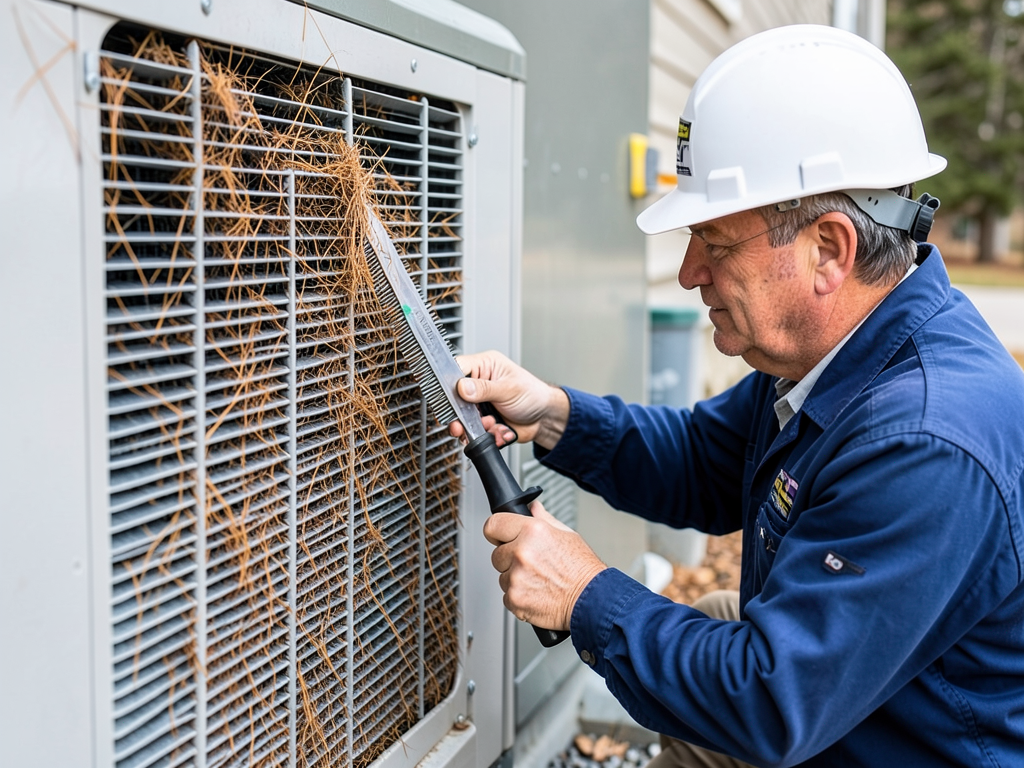
Why Pine Needles are a Unique Threat to Denver AC Units Living in Genesee means dealing with the beautiful but challenging mountain environment. The pine trees that give your property its scenic charm can wreak…

Why Your Gas Fireplace Should Not Be Your Only Heat Source in Golden\n\nGolden homeowners often…
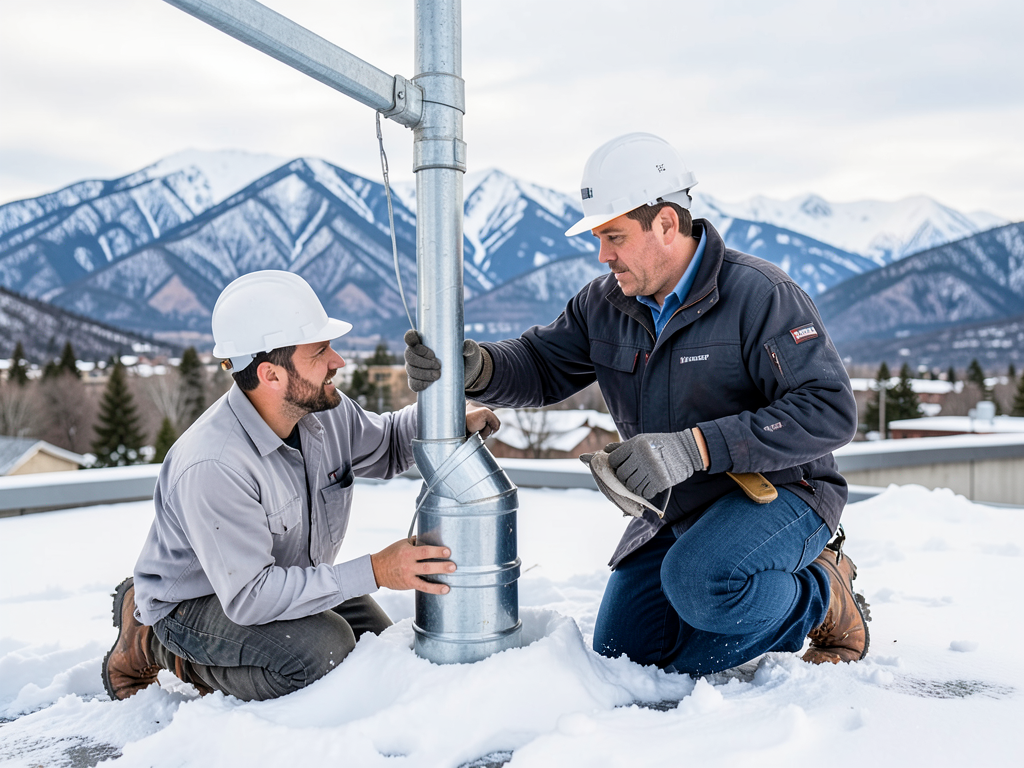
Why Your Furnace Venting Needs Special Attention in High Altitude Morrison Living at 5,800 feet…
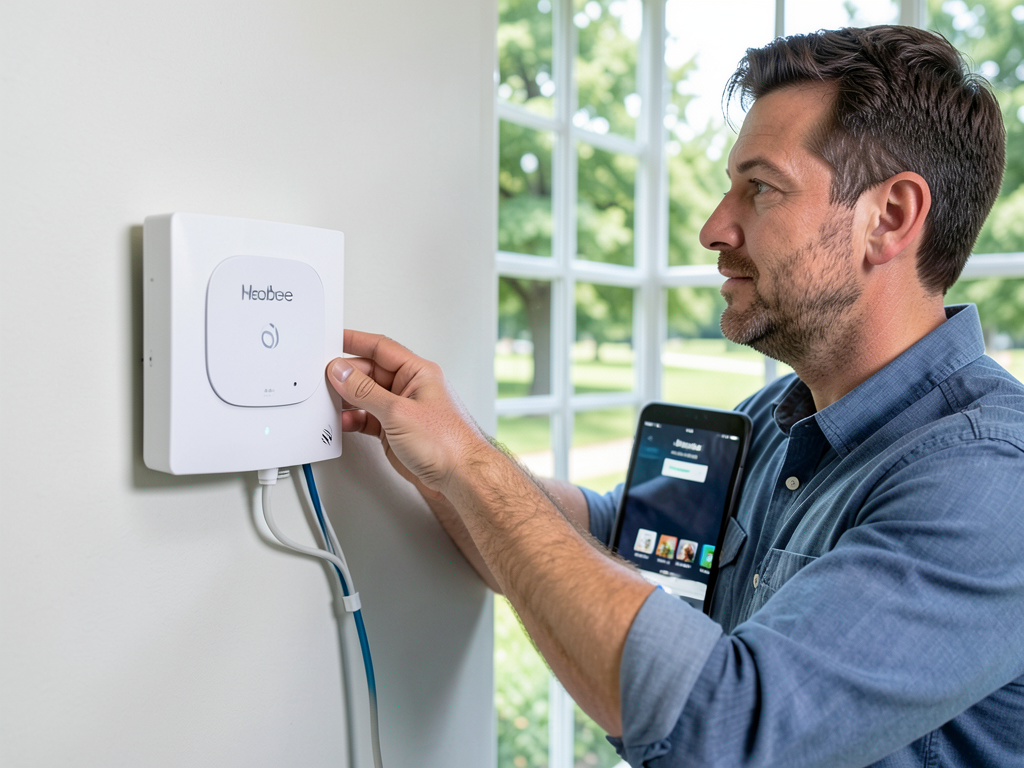
How to Integrate Your HVAC with Matter and Apple Home in Central Park Central Park…
Your comfort cannot wait when heating or cooling fails. Call Fortress HVAC Denver now at (720) 502-9511 for rapid response across Littleton. We answer 24 hours a day, dispatch trucks fast, and carry parts to complete most repairs the same day.