




Menu

Emergency Compressor Failure Repair in Denver – Same-Day Service Available 24/7

When your AC compressor fails in Denver's extreme temperature swings, you need immediate compressor failure repair that restores cooling fast. We dispatch certified technicians within hours to diagnose seized compressors, electrical burnouts, and refrigerant failures.

Slider Image 1
Slider Image 2
Slider Image 3
Slider Image 4
Slider Image 5
Slider Image 7
Slider Image 8
Slider Image 9
Slider Image 10
Slider Image 11

When Your AC Compressor Dies in Denver's Heat

You walk into your home expecting relief from Denver's blazing 95-degree afternoon. Instead, you feel warm air. The outdoor unit hums, but nothing cools. Your compressor just failed.

Denver's mile-high elevation creates brutal conditions for AC compressors. The thin air forces your system to work harder to move refrigerant. Summer temperature swings from 90 degrees during the day to 55 at night stress compressor windings and bearings. When you add sudden hailstorms and voltage spikes from afternoon thunderstorms, compressors fail without warning.

A seized AC compressor stops your entire cooling system. The compressor is the heart of your air conditioner. It pressurizes refrigerant and moves it through the condenser coils. When bearings lock up or electrical windings burn out, refrigerant stops flowing. Your evaporator coil warms up. The blower keeps running, but you get no cooling.

You need AC compressor replacement fast. Every hour without cooling in July means indoor temperatures climb above 85 degrees. Your home becomes unsafe for kids, elderly family members, and pets. Food spoils. Sleep becomes impossible.

A broken AC compressor requires immediate professional diagnosis. Compressor burnout often contaminates refrigerant lines with metal particles and acidic oil. If you just replace the compressor without flushing the system, the new unit fails within weeks. HVAC compressor burnout repair demands complete system decontamination, not just a parts swap.

When your air conditioner compressor fails in Denver, you need technicians who understand altitude-related pressure adjustments and can source replacement compressors that match Colorado's unique cooling loads.

When Your AC Compressor Dies in Denver's Heat
How We Fix Failed Compressors the Right Way

How We Fix Failed Compressors the Right Way

Most companies replace the compressor and leave. We fix the failure and prevent the next one.

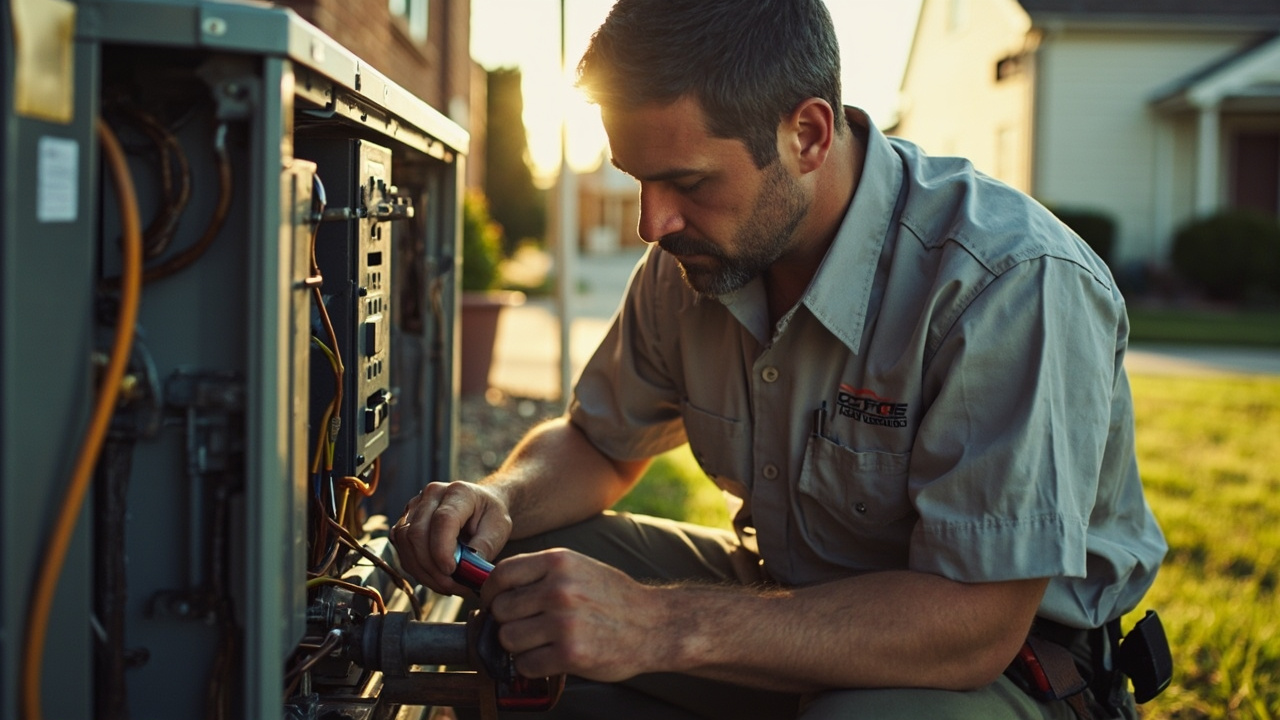
When you call for compressor failure repair, we start with electrical diagnostics. Compressors fail for specific reasons. We test capacitor microfarad ratings, measure voltage drop across contactor terminals, and check amperage draw on start and run cycles. A weak capacitor causes hard starts that destroy compressor windings over time. Loose electrical connections create resistance that overheats terminals.

We pull refrigerant samples and test for acid contamination. When compressor windings burn, they release acids into the refrigerant oil. This acid eats through the replacement compressor's internal components. We install filter driers, flush refrigerant lines with nitrogen, and verify acid levels drop below 0.05 pH before installing the new compressor.

Refrigerant charge matters at altitude. Denver sits at 5,280 feet. Air pressure is 17 percent lower than sea level. This changes how refrigerant behaves in your system. We adjust subcooling and superheat measurements for altitude. A compressor charged to manufacturer specs in Houston will short-cycle and fail in Denver.

We verify your condensing unit has adequate airflow. Shrubs, fence panels, and hail-damaged fins restrict airflow and cause head pressure to spike. High head pressure forces the compressor to work against resistance, burning out the motor. We straighten coil fins, remove debris, and confirm minimum clearance around the unit.

Before we leave, we test the system under load. We let it run through complete cooling cycles while monitoring suction pressure, discharge pressure, and amperage. A properly repaired system hits target pressures within five minutes and maintains steady amp draw. We document baseline performance so you know your system runs correctly.

What Happens During Emergency Compressor Replacement

Emergency Compressor Failure Repair in Denver – Same-Day Service Available 24/7
01

Rapid Diagnosis and Assessment

Our technician arrives with manifold gauges, electrical meters, and refrigerant analyzers. We test compressor windings for shorts, measure capacitor performance, and pull refrigerant samples. Within 20 minutes, we know if your compressor seized mechanically, burned out electrically, or failed from refrigerant contamination. We explain what failed, why it failed, and what repair options prevent repeat failures.
02

System Decontamination and Replacement

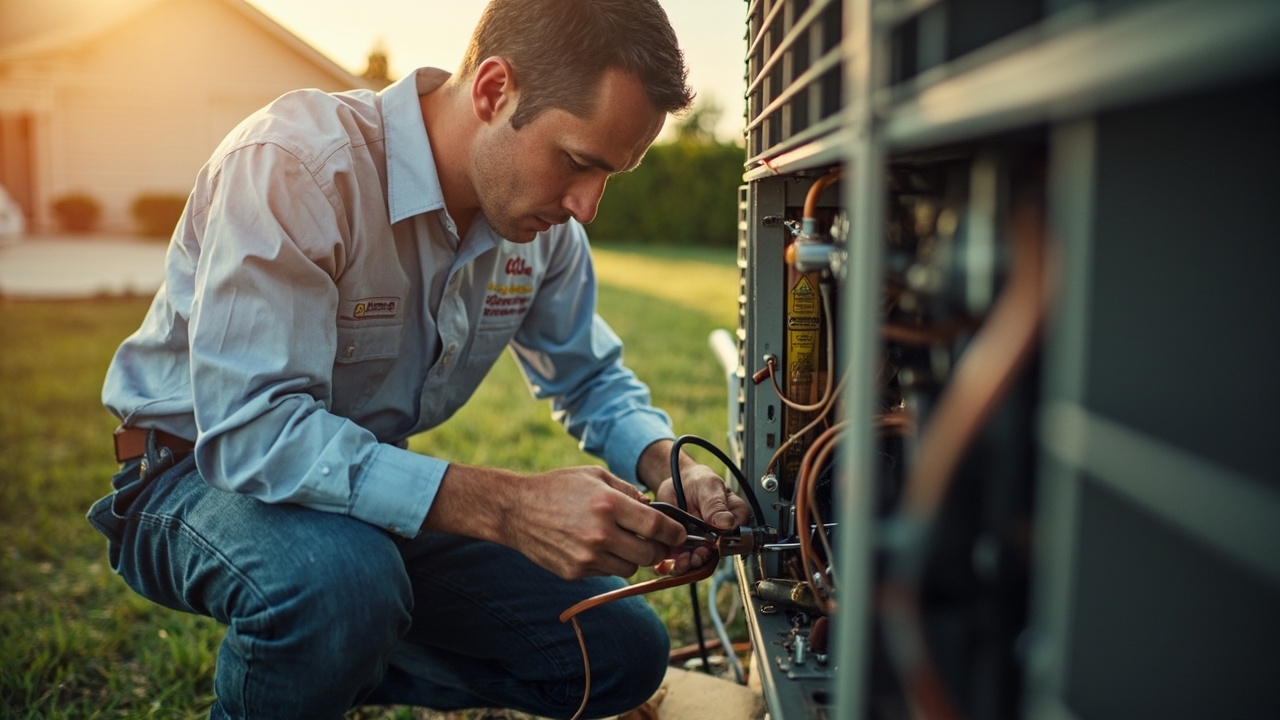
We recover remaining refrigerant, disconnect refrigerant lines, and remove the failed compressor. If burnout contaminated the system, we flush lines with dry nitrogen, install oversized filter driers, and replace the thermal expansion valve. We mount the replacement compressor, braze connections with nitrogen flow to prevent oxidation, pull a 500-micron vacuum, and charge the system to Denver altitude specifications.
03

Performance Testing and Verification

We run your system through multiple cooling cycles while monitoring pressures and temperatures. Suction pressure should stabilize between 118 and 125 psi for R-410A systems at Denver's elevation. Discharge pressure should reach 260 to 290 psi depending on outdoor temperature. We measure supply air temperature at registers and verify you get 18 to 22 degrees of cooling split. We leave when your system delivers consistent, reliable cooling.

Why Denver Homeowners Choose Fortress HVAC for Compressor Repairs

Compressor replacement in Denver requires altitude expertise. Most HVAC technicians train at sea level. They follow manufacturer charging charts that assume standard atmospheric pressure. Those charts fail at 5,280 feet. We train our technicians on high-altitude refrigerant behavior and pressure-temperature relationships specific to Colorado.

We stock compressors for systems common in Denver neighborhoods. Older homes in Washington Park and Congress Park run 2.5-ton to 3-ton single-stage compressors. Newer builds in Stapleton and Lowry use variable-speed scroll compressors that modulate capacity. We maintain inventory for Copeland, Tecumseh, and Bristol compressors so we complete most repairs the same day.

Denver's building codes require specific electrical disconnects and refrigerant line protection. We pull permits when required and ensure your compressor replacement meets city electrical and mechanical codes. Inspectors check for proper disconnect sizing, copper line protection through foundation penetrations, and secondary drain pan installations on indoor coils.

We understand how Denver's weather patterns stress AC systems. Spring hail damages condenser coils and bends fins. Summer thunderstorms cause voltage surges that fry compressor contactors. Fall temperature swings make systems short-cycle. We inspect the entire system during compressor replacement and catch problems before they cause the next failure.

Our technicians live in metro Denver. We serve Highlands, Cherry Creek, Littleton, and Lakewood. We know which neighborhoods have older electrical panels that need upgrades before compressor replacement. We recognize which areas get afternoon hail and recommend protective covers. When you work with Fortress HVAC Denver, you get technicians who understand your home's specific challenges because they live here too.

What to Expect During Compressor Failure Repair

Emergency Response Time

We dispatch technicians within two hours for compressor failures during Denver's summer heat. Our trucks carry diagnostic equipment, replacement capacitors, contactors, and common compressor models. Most emergency calls get same-day diagnosis. If we need to order a specific compressor, we provide temporary cooling solutions and schedule replacement within 24 to 48 hours. We prioritize homes with elderly residents, young children, or medical equipment that requires climate control. You get a confirmed arrival window when you call, and we update you if traffic or previous jobs run long.

Complete System Evaluation

We test every component that affects compressor performance. This includes start and run capacitors, contactor contacts, low-pressure and high-pressure switches, and thermal overload protection. We measure voltage at the disconnect and at the compressor terminals. We inspect refrigerant line insulation, check for restriction in the filter drier, and verify the reversing valve operates correctly on heat pump systems. If your compressor failed from a secondary problem like low refrigerant or restricted airflow, we find and fix the root cause so the replacement compressor lasts.

Professional Installation Standards

Your replacement compressor gets installed to manufacturer torque specifications. We use brass fittings rated for R-410A pressures up to 600 psi. All brazed connections get purged with nitrogen to prevent internal oxidation that causes future leaks. We pull vacuum below 500 microns and hold for 15 minutes to verify the system is leak-free and moisture-free. Refrigerant charge gets adjusted for Denver's altitude using superheat and subcooling measurements, not just gauge pressure. You get cooling performance that matches your system's design capacity.

Post-Repair Support and Monitoring

We provide written documentation of pressures, temperatures, and electrical readings after compressor replacement. This creates a performance baseline for future service calls. We explain warning signs that indicate problems, like unusual noises, short cycling, or reduced airflow. If you hear compressor chatter or notice ice on refrigerant lines, you call us immediately. We follow up within one week to verify your system performs correctly and answer questions. Our compressor installations include coverage on parts and labor, and we honor commitments without hidden exclusions or service call fees for callback visits.

Frequently Asked Questions

You Have Questions,
We Have Answers

Can a faulty compressor be fixed? +

Yes, some compressor failures can be fixed, but it depends on the damage. Minor electrical issues, failed capacitors, or refrigerant leaks around the compressor are often repairable. However, internal mechanical failure—like seized pistons or burned windings—requires full compressor replacement. A technician will perform a diagnostic to determine if repair is feasible. In Denver's high-altitude environment, compressors work harder due to thinner air, which can accelerate wear. If your system is under 7 years old and the damage is external, repair makes sense. Older units or those with internal damage are better candidates for replacement to avoid repeat failures.

What is the $5000 rule for AC? +

The 5000 dollar rule helps you decide between repair and replacement. Multiply your AC unit's age by the repair cost. If the total exceeds 5000, replace the system. If it's below 5000, repair makes financial sense. For example, a 10-year-old unit needing 600 dollars in repairs equals 6000, so replacement is smarter. Denver's temperature swings and dry climate stress older systems, making this rule especially useful. This formula balances immediate cost against long-term value. It prevents you from pouring money into aging equipment that will fail again soon. Always get a full diagnostic before deciding.

How much does it cost to fix an AC compressor? +

Compressor repair costs in Denver range widely based on the issue. Replacing a failed capacitor or contactor runs 150 to 400 dollars. Fixing refrigerant leaks costs 200 to 800 dollars, depending on accessibility. Full compressor replacement is the expensive option, typically running several thousand dollars when you include labor, refrigerant, and system rebalancing. The high altitude in Denver can complicate diagnostics, adding time. Emergency service calls cost more. Age matters too. If your system is over 10 years old, replacement may be more cost-effective than major compressor work. Get multiple quotes and a thorough inspection before committing.

What is the most common cause of compressor failure? +

Refrigerant leaks are the leading cause of compressor failure. Low refrigerant forces the compressor to overwork, causing overheating and internal damage. Dirty coils and clogged filters also starve the system of airflow, making the compressor run hot. Electrical issues like failed capacitors or voltage spikes damage motor windings. In Denver, extreme temperature swings between day and night stress seals and gaskets, increasing leak risk. Contaminants in the refrigerant lines—like moisture or debris—cause internal corrosion. Lack of maintenance accelerates all these problems. Regular filter changes and annual inspections catch issues before they destroy the compressor. Prevention is always cheaper than replacement.

Is it worth it to repair a compressor? +

It depends on the age and condition of your system. If your AC is under 8 years old and the compressor failure is covered by warranty, repair makes sense. You pay only for labor. If the unit is older than 12 years, replacement is smarter. Denver's altitude and dry air can shorten compressor lifespan, so factor that in. Consider the 5000 dollar rule. Also, weigh efficiency. Newer systems use 30 to 40 percent less energy than units over a decade old. If you are facing repeated repairs, replacement stops the bleeding. Get a full diagnostic and cost comparison before deciding.

What is the 3 minute rule for AC? +

The 3-minute rule protects your compressor from short cycling damage. After your AC shuts off, wait at least 3 minutes before restarting it. This allows refrigerant pressure to equalize between the high and low sides of the system. Restarting too soon forces the compressor to start against high pressure, which can damage motor windings and strain electrical components. In Denver's climate, where AC units cycle frequently during hot afternoons, this rule prevents premature wear. Most modern thermostats have built-in delay timers, but if you manually control your system, respect the 3-minute window. It extends compressor life significantly.

What is the average cost to replace a central AC unit? +

Replacing a central AC unit in Denver varies based on system size, efficiency rating, and installation complexity. You can expect costs to range from moderate to high for a full replacement, including removal of the old unit, new equipment, labor, permits, and refrigerant. High-efficiency models with SEER ratings above 16 cost more upfront but save money long-term on energy bills. Denver's altitude requires proper sizing and airflow calculations, which affect installation time. Ductwork modifications or electrical upgrades add to the total. Get three quotes from licensed contractors. Financing options can spread the cost over time without interest if you qualify.

What is the average lifespan of an HVAC? +

The average HVAC system lasts 15 to 20 years with proper maintenance. In Denver, the lifespan can be shorter due to altitude stress, extreme temperature swings, and dry air that degrades seals and gaskets faster. Furnaces tend to outlast air conditioners. Compressors and heat exchangers are the first major components to fail. Regular maintenance—filter changes, coil cleaning, and annual inspections—extends life significantly. Systems that run year-round wear out faster than those in milder climates. If your unit is over 15 years old and needing major repairs, replacement is often smarter than extending its life another few years.

Is HVAC system cost tax deductible? +

HVAC system costs are not tax deductible for most homeowners. The IRS treats them as home improvements, which do not qualify as deductions. However, if you install a high-efficiency system that qualifies for federal energy tax credits, you may be eligible for a credit up to a certain percentage of the cost. These credits phase in and out based on legislation, so check current IRS guidelines. For businesses in Denver, HVAC costs may be deductible as a business expense or depreciable asset. Consult a tax professional to confirm eligibility. Keep all receipts and manufacturer certifications if claiming energy credits.

Is it cheaper to replace the AC unit or the compressor? +

Replacing just the compressor is cheaper upfront than replacing the entire AC unit, but it is not always the smarter move. If your system is over 10 years old, replacing only the compressor leaves you with aging components that will fail soon. You will pay for multiple service calls. A full system replacement costs more now but gives you a warranty, better efficiency, and years of reliability. In Denver, where altitude and temperature swings stress equipment, older systems work harder and fail faster. If your unit is under 8 years old, compressor replacement makes sense. Older systems warrant full replacement.

How Denver's Altitude and Weather Extremes Destroy AC Compressors

Denver's elevation creates unique compressor stress that most HVAC technicians miss. At 5,280 feet, atmospheric pressure drops to 12.1 psia compared to 14.7 psia at sea level. This changes refrigerant boiling points and pressure-temperature relationships inside your AC system. A compressor charged correctly for Kansas City will run high head pressure in Denver, forcing the motor to work harder and overheat. Summer temperature swings from 95 degrees to 55 overnight cause thermal expansion and contraction that crack compressor mounts and stress refrigerant line connections. Add sudden hailstorms that dent condenser coils and reduce airflow, and Denver compressors fail 30 percent faster than systems at lower elevations.

Fortress HVAC Denver trains specifically for Front Range climate challenges and high-altitude system performance. We follow Denver building codes for electrical disconnects, refrigerant line protection, and condensate drainage in finished basements common throughout older neighborhoods. Our technicians understand how afternoon thunderstorms create voltage spikes that destroy compressor contactors and start capacitors. We stock parts for systems installed across metro Denver, from 1970s builder-grade units in Aurora to modern variable-speed systems in Highlands Ranch. When you need compressor failure repair in Denver, you need technicians who account for altitude, recognize weather-related damage, and adjust refrigerant charge for Colorado conditions.

HVAC Services in The Denver Area

Fortress HVAC is proud to serve the Denver area and surrounding communities. We invite you to view our location on the map, which highlights our service area. While we often come directly to you for services, knowing our central base can help you understand our reach. Feel free to contact us with any questions about our service coverage or to schedule an appointment directly.

Address:
Fortress HVAC Denver, 6035 E 38th Ave, Denver, CO, 80207

Additional Services We Offer

Our news updates

Latest Articles & News from The Blogs

Why Your Gas Fireplace Should Not Be Your Only Heat Source in Golden\n\nGolden homeowners often rely on gas fireplaces for…

Why Your Gas Fireplace Should Not Be Your Only Heat Source in Golden

Why Your Gas Fireplace Should Not Be Your Only Heat Source in Golden\n\nGolden homeowners often rely on gas fireplaces for…

Why Your Furnace Venting Needs Special Attention in High Altitude Morrison

Why Your Furnace Venting Needs Special Attention in High Altitude Morrison Living at 5,800 feet in Morrison means your furnace…

How to Integrate Your HVAC with Matter and Apple Home in Central Park

How to Integrate Your HVAC with Matter and Apple Home in Central Park Central Park residents who want their HVAC…

Contact Us

Your compressor failed. Your home is heating up. Call Fortress HVAC Denver now at (720) 502-9511 for same-day compressor failure repair. We dispatch emergency technicians across metro Denver within hours. Stop sweating and start cooling.