






Menu

Building Automation Systems in Denver – Reduce Operating Costs and Eliminate HVAC Downtime for Commercial Facilities

Fortress HVAC Denver integrates Building Management Systems with Direct Digital Controls to give commercial property managers centralized control, predictive maintenance alerts, and measurable energy savings across multi-zone facilities.

Slider Image 1
Slider Image 2
Slider Image 3
Slider Image 4
Slider Image 5
Slider Image 7
Slider Image 8
Slider Image 9
Slider Image 10
Slider Image 11

Why Denver Commercial Buildings Struggle Without Integrated Building Control Systems

Denver's elevation and dramatic temperature swings create unique challenges for Commercial HVAC Controls. A 40-degree temperature drop overnight is standard here. Your rooftop units cycle harder than in milder climates, and without Building Management Systems to modulate output based on real-time conditions, you burn energy during the day and risk freeze damage at night.

Most commercial buildings in Denver rely on outdated thermostats or standalone HVAC equipment. Each rooftop unit operates independently. Your chiller does not communicate with your air handlers. Your boiler runs on a timer, not actual demand. The result is simultaneous heating and cooling in different zones, wasted energy, and tenant complaints.

Without Direct Digital Controls, your facility manager reacts to problems after they happen. A failed compressor goes unnoticed until a tenant calls. A clogged filter reduces airflow for weeks before someone notices the spike in your utility bill. You have no visibility into system performance, no trend data, and no way to prove ROI when budgets tighten.

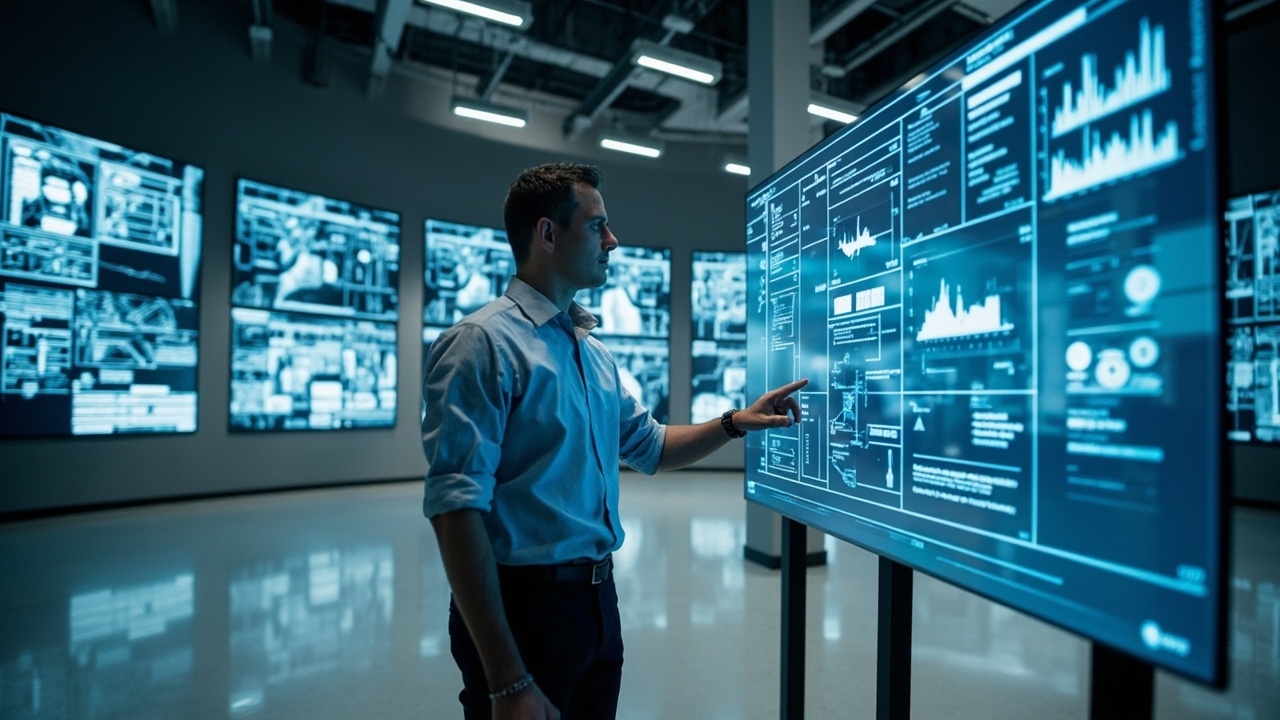
Energy Management Systems solve this by creating a single source of truth. Every piece of equipment reports status, runtime, and efficiency in real time. You spot anomalies before they become failures. You schedule maintenance based on actual wear, not guesswork. You adjust setpoints across 50 zones from a single screen, and you generate reports that justify every dollar spent on HVAC operations.

Why Denver Commercial Buildings Struggle Without Integrated Building Control Systems
How Building Automation Systems Centralize Control and Reduce Liability

How Building Automation Systems Centralize Control and Reduce Liability

Fortress HVAC Denver designs Building Automation Systems that integrate with your existing infrastructure. We do not rip and replace. We layer intelligence on top of your current equipment using open-protocol controllers that communicate with any manufacturer.

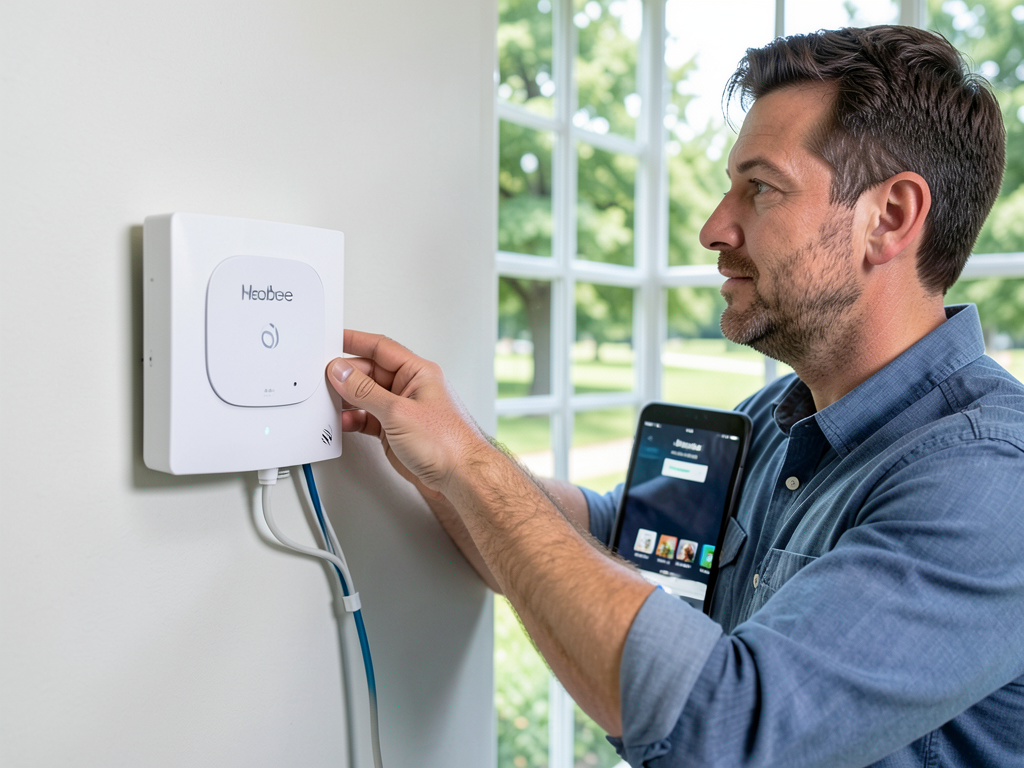
We install Direct Digital Controls at each piece of equipment. These controllers monitor supply air temperature, return air temperature, static pressure, valve position, damper position, and motor amperage. They send data back to a central Building Management System every 60 seconds. You see exactly what every rooftop unit, air handler, chiller, and boiler is doing at any moment.

We program logic sequences that match Denver's climate. Morning warm-up routines pre-condition spaces before occupancy without wasting energy overnight. Economizer modes take advantage of cool morning air instead of running compressors. Night setback routines prevent freeze damage without leaving equipment running at full capacity.

We configure alarms based on your operational priorities. Critical equipment failures trigger immediate notifications. Gradual efficiency losses generate maintenance requests before they escalate. You decide which alarms go to your phone, which go to email, and which log silently for monthly review.

We integrate your Energy Management Systems with tenant billing if you operate a multi-tenant facility. Each suite gets submetered. You bill based on actual consumption, not square footage. Tenants see their usage in real time and adjust behavior accordingly. Your operating expenses become recoverable, and you eliminate disputes over utility allocations.

What Happens During a Building Automation Systems Installation in Denver

Building Automation Systems in Denver – Reduce Operating Costs and Eliminate HVAC Downtime for Commercial Facilities
01

System Audit and Integration Planning

We survey your existing HVAC equipment, electrical panels, and network infrastructure. We identify which controllers are compatible with open protocols and which require replacement. We map communication pathways, verify power availability at each controller location, and document your current control sequences. You receive a detailed integration plan with zero ambiguity about what stays and what goes.
02

Controller Installation and Network Configuration

Our technicians install Direct Digital Controls at each HVAC unit, wire sensors for temperature and pressure monitoring, and establish network communication via BACnet or Modbus protocols. We configure IP addresses, test data transmission, and verify that every point reports accurately to the central Building Management System. All work happens during off-hours to avoid disrupting your operations or tenants.
03

Training and Ongoing Optimization

We train your facility team on dashboard navigation, alarm response, and schedule adjustments. You learn how to override setpoints for special events, generate energy reports for ownership, and interpret trend data for maintenance planning. We monitor system performance for 90 days post-installation, fine-tune control sequences based on actual usage patterns, and adjust alarms to eliminate false positives.

Why Denver Property Managers Trust Fortress HVAC for Building Control Systems

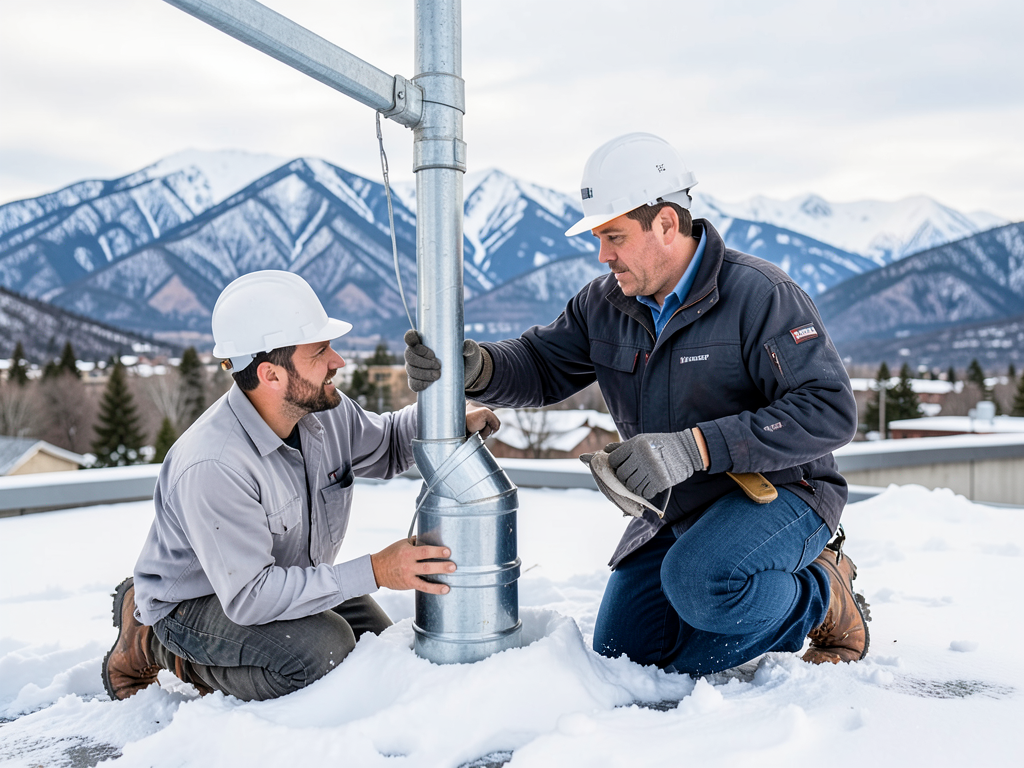
Commercial HVAC in Denver operates under different constraints than coastal markets. Your cooling loads are lower, but your heating season runs longer. Your equipment sits on rooftops exposed to intense UV and rapid freeze-thaw cycles. You need Building Automation Systems that account for altitude-related pressure changes and daily temperature swings that exceed 40 degrees.

Fortress HVAC Denver designs systems for this climate. We program economizer lockouts that prevent compressor cycling when outdoor temperatures drop below 55 degrees. We configure morning warm-up sequences that prevent frozen coils during spring cold snaps. We set up humidity monitoring for server rooms and telecom closets, where Denver's low humidity creates static discharge risks.

We work with local mechanical engineers who understand Denver's energy codes. Commercial buildings here must comply with ASHRAE 90.1 for new construction and substantial renovations. Your Building Management Systems must demonstrate compliance through automated reporting. We configure your system to log outdoor air ventilation rates, economizer operation hours, and zone-level temperature control. When the city inspector requests documentation, you generate it in five minutes.

We also integrate with existing fire alarm and security systems common in Denver commercial buildings. Your Building Automation Systems can receive occupancy signals from card readers and adjust HVAC schedules accordingly. If the fire alarm activates, your system automatically shuts down air handlers to prevent smoke migration. You get one integrated platform instead of three separate systems that do not communicate.

What to Expect When You Deploy Building Automation Systems in Denver

Implementation Timeline and Business Continuity

Most commercial Building Automation Systems installations take two to six weeks, depending on building size and equipment count. We schedule all invasive work during nights and weekends. Your tenants never lose heating or cooling. We stage controller installations floor by floor, verify functionality before moving to the next zone, and maintain redundant control during the transition. You receive weekly progress reports and a 48-hour notice before any planned outage.

Initial Assessment and Scope Definition

Our assessment includes a full equipment inventory, electrical load calculations, and network bandwidth analysis. We test communication with existing controllers, identify equipment nearing end-of-life, and recommend phased upgrades if budget is a constraint. You receive a detailed proposal with line-item pricing, ROI projections based on your current utility bills, and a risk assessment for any legacy equipment we plan to integrate.

Performance and Measurable Outcomes

Energy Management Systems typically reduce HVAC operating costs by 15 to 30 percent in the first year. You see the savings in your utility bills within 60 days. Your maintenance costs drop because you address small issues before they become emergency repairs. Your tenant satisfaction improves because temperature complaints decrease by half. You also extend equipment life by reducing unnecessary runtime and eliminating hard starts.

Ongoing Support and System Updates

We offer service agreements that include quarterly performance reviews, software updates, and priority response for control system issues. You get remote support for minor adjustments and on-site service when hardware replacement is required. We also provide annual energy audits that compare your current performance to baseline data and identify new optimization opportunities as your building usage evolves.

Frequently Asked Questions

You Have Questions,
We Have Answers

What are building automation systems? +

Building automation systems are centralized networks that control and monitor mechanical, electrical, and HVAC equipment in commercial facilities. These systems integrate lighting, temperature, ventilation, security, and energy management into a single platform. In Denver's variable climate, with temperature swings from subzero winters to 90-degree summers, automation systems optimize building performance while reducing operational costs. They use sensors, controllers, and software to adjust systems automatically based on occupancy, time of day, and environmental conditions. For Denver commercial properties, this means lower utility bills, improved tenant comfort, and reduced liability from equipment failures during extreme weather events.

What are the 4 types of automation systems? +

The four types are discrete automation, which handles simple on-off tasks like lighting. Batch automation manages processes in stages, common in manufacturing. Continuous automation runs processes without interruption, like HVAC in hospitals. Integrated automation combines multiple systems into one platform. Denver commercial buildings typically use integrated automation because it addresses multiple systems simultaneously. This matters in our climate where heating, cooling, and ventilation demands shift rapidly. Integrated systems prevent energy waste by coordinating equipment operation rather than running systems independently. For office buildings downtown or warehouses in Commerce City, this coordination reduces energy costs and prevents system conflicts.

What are the top 5 BMS systems? +

The top five BMS platforms are Johnson Controls Metasys, Siemens Desigo, Honeywell Forge, Schneider Electric EcoStruxure, and Tridium Niagara. Each offers different strengths for commercial applications. Johnson Controls dominates in large Denver office towers and healthcare facilities. Siemens excels in university campuses and government buildings. Honeywell provides strong HVAC integration for mixed-use properties. Schneider Electric focuses on energy analytics, valuable for Denver properties targeting LEED certification. Tridium Niagara offers open-protocol flexibility, which matters when retrofitting older buildings in historic districts. Selection depends on your facility type, existing equipment, and long-term scalability needs.

What is a typical BMS system? +

A typical BMS controls HVAC equipment, lighting, access control, and fire safety systems through networked sensors and controllers. The system includes field devices that gather data, controllers that process information and execute commands, and a central workstation for monitoring and adjustments. In Denver commercial buildings, the BMS responds to altitude-specific HVAC requirements and manages heating during cold snaps while preventing overcooling during mild periods. The system logs performance data, generates maintenance alerts, and allows remote access. For property managers overseeing multiple Denver locations, this centralized control reduces truck rolls and enables predictive maintenance before equipment fails during peak demand.

Is a BAS system hard to install? +

BAS installation complexity depends on building size, existing infrastructure, and system scope. New construction integrates automation during the build phase, which simplifies installation. Retrofitting older Denver buildings presents challenges like outdated wiring, incompatible legacy equipment, and limited network infrastructure. Installation requires coordination between electricians, HVAC technicians, and IT professionals. Denver's older warehouse districts and historic commercial buildings often need infrastructure upgrades before automation installation. Timeline ranges from weeks for small facilities to months for large campuses. The complexity justifies professional installation because improper configuration leads to system conflicts, energy waste, and code violations. Plan for minimal business disruption during phased installations.

What is BMS in simple words? +

BMS is a computer system that controls your building's equipment automatically. Think of it as the brain that manages heating, cooling, lights, and security without manual intervention. The system reads conditions like temperature and occupancy, then adjusts equipment to maintain comfort while minimizing energy use. In Denver offices, the BMS detects when conference rooms are empty and reduces heating or cooling accordingly. It prevents equipment from fighting each other, like running heating and cooling simultaneously. The system alerts you to problems before breakdowns occur. For commercial property owners, BMS translates to lower utility bills, fewer emergency repairs, and compliance with Denver energy codes.

What are examples of automation systems? +

Common automation systems include HVAC controls that adjust temperature based on occupancy and outdoor conditions. Lighting automation dims or switches off lights in unoccupied spaces. Access control systems manage entry points and track personnel movement. Energy management systems monitor consumption and identify waste. Fire and life safety systems coordinate alarms, sprinklers, and emergency ventilation. In Denver commercial properties, irrigation automation adjusts watering schedules based on precipitation and temperature, critical during our dry climate. Parking systems manage lighting and ventilation in underground garages common in downtown buildings. Refrigeration monitoring prevents losses in food service operations. These systems reduce labor costs and prevent revenue loss from equipment failures.

What are the 4 D's of automation? +

The four Ds are dull, dirty, dangerous, and dear. Automation handles dull repetitive tasks like scheduling HVAC setpoints, freeing staff for strategic work. It manages dirty tasks like monitoring air quality in mechanical rooms without exposing personnel. Dangerous tasks, like checking rooftop equipment during Denver winter storms, can be monitored remotely through sensors. Dear refers to expensive labor costs. For Denver commercial properties, automating routine monitoring reduces staffing requirements while improving response times. This matters when managing multiple properties across the metro area. Automation handles predictable tasks consistently while humans focus on complex troubleshooting and tenant relationships that require judgment.

What are the three main automations? +

The three main types are fixed automation, programmable automation, and flexible automation. Fixed automation performs repetitive tasks without variation, like constant-speed exhaust fans. Programmable automation allows sequence changes through software updates, such as adjusting HVAC schedules for seasonal occupancy shifts in Denver office buildings. Flexible automation adapts to changing conditions in real time, like VAV systems that adjust airflow based on actual demand rather than fixed schedules. Denver commercial facilities benefit most from flexible automation because our climate demands rapid response to temperature swings and altitude effects on HVAC performance. This reduces energy waste while maintaining code-required ventilation rates.

What is SCADA vs BMS? +

SCADA monitors and controls industrial processes across distributed locations, like water treatment plants or power grids. BMS focuses on commercial building systems within a single facility or campus. SCADA emphasizes real-time process control and data acquisition for critical infrastructure. BMS prioritizes occupant comfort, energy efficiency, and building equipment coordination. Denver uses SCADA for municipal water systems and utilities across the metro area. BMS runs individual commercial buildings, hospitals, and university campuses. SCADA handles mission-critical operations requiring redundancy and failover capabilities. BMS manages comfort and efficiency with less stringent uptime requirements. Some large Denver facilities use both, with SCADA for central plants and BMS for building distribution.

How Denver's Altitude and Temperature Swings Affect Building Control Systems Performance

Denver's 5,280-foot elevation reduces air density by 17 percent compared to sea level. This affects heat transfer in air handlers and rooftop units. Your HVAC equipment must move more air to deliver the same heating or cooling capacity. Without Building Automation Systems that adjust fan speeds based on altitude-corrected calculations, you either over-ventilate and waste energy or under-ventilate and violate ASHRAE standards. Direct Digital Controls compensate for this by modulating blower output based on actual static pressure and airflow measurements, not generic factory setpoints.

Fortress HVAC Denver has deployed Commercial HVAC Controls across office buildings in the Denver Tech Center, industrial facilities in Commerce City, and multi-family properties in Capitol Hill. We understand local electrical codes, work with Denver-based mechanical engineers, and maintain relationships with inspectors who review commercial HVAC permits. When you choose a local provider for Building Management Systems, you get faster response times, familiarity with Denver's unique climate challenges, and technicians who know your building type.

HVAC Services in The Denver Area

Fortress HVAC is proud to serve the Denver area and surrounding communities. We invite you to view our location on the map, which highlights our service area. While we often come directly to you for services, knowing our central base can help you understand our reach. Feel free to contact us with any questions about our service coverage or to schedule an appointment directly.

Address:
Fortress HVAC Denver, 6035 E 38th Ave, Denver, CO, 80207

Additional Services We Offer

Our news updates

Latest Articles & News from The Blogs

Why Your Gas Fireplace Should Not Be Your Only Heat Source in Golden\n\nGolden homeowners often rely on gas fireplaces for…

Why Your Gas Fireplace Should Not Be Your Only Heat Source in Golden

Why Your Gas Fireplace Should Not Be Your Only Heat Source in Golden\n\nGolden homeowners often rely on gas fireplaces for…

Why Your Furnace Venting Needs Special Attention in High Altitude Morrison

Why Your Furnace Venting Needs Special Attention in High Altitude Morrison Living at 5,800 feet in Morrison means your furnace…

How to Integrate Your HVAC with Matter and Apple Home in Central Park

How to Integrate Your HVAC with Matter and Apple Home in Central Park Central Park residents who want their HVAC…

Contact Us

Stop reacting to equipment failures and start preventing them. Call Fortress HVAC Denver at (720) 502-9511 to schedule your Building Automation Systems assessment. You will receive a detailed integration plan, ROI projections, and a clear implementation timeline within one week.