




Sheridan sits at 5,350 feet elevation where intense UV exposure, dramatic temperature swings, and low humidity put constant stress on heating and cooling equipment. Summer afternoons can hit 95 degrees before dropping to 55 at night. Winter mornings plunge below zero while afternoons warm to the 40s. Your HVAC system cycles more frequently than systems in moderate climates, wearing out contactors, capacitors, and blower motors faster.
The Front Range wind carries dirt and debris that clogs outdoor condenser coils, reducing efficiency by 30 percent or more. Older homes near South Platte River Road often have undersized ductwork from the 1960s and 70s, creating hot and cold spots that overwork your equipment. Newer construction in Fox Hollow uses high-efficiency systems that require precise calibration to handle altitude and rapid pressure changes.
Sheridan building codes now require SEER ratings of 14 or higher for AC replacements, and furnaces must meet 80 percent AFUE minimum efficiency standards. These regulations protect homeowners from high utility bills but require experienced technicians who understand high-altitude installation and Colorado climate demands. Generic HVAC service fails here because Sheridan conditions require local expertise.
Fortress HVAC Denver has served Sheridan and the southwest metro for over a decade, building a reputation on fast response and honest diagnosis. We do not sell you a new system when a $200 repair fixes the problem. Our technicians carry full diagnostic equipment and common replacement parts on every truck, which means most repairs finish the same day without waiting for orders or return visits.
We staff real technicians 24 hours a day, seven days a week. When you call at 2 AM with no heat, you reach a human who dispatches help immediately, not an answering service that takes messages. Our average response time in Sheridan is under 90 minutes for emergencies because we keep service vehicles positioned throughout the southwest metro.
Every technician completes ongoing training on high-altitude HVAC performance, Colorado energy codes, and the specific equipment brands common in Sheridan homes. We work on all major brands including Carrier, Trane, Lennox, Rheem, Goodman, and Bryant. Our flat-rate pricing means you know the cost before work starts, with no surprise charges for evening or weekend service.
We have established relationships with Sheridan homeowners, property managers, and local contractors who trust us for reliable service and transparent communication. When we say we will arrive at 3 PM, we show up at 3 PM. When we diagnose a problem, we explain it in plain language and show you the failed part. That integrity keeps customers calling us first.

We stock the parts that fail most often in Sheridan's climate. Capacitors, contactors, thermostats, igniters, and blower motors ride on every truck. This preparation means we complete 85 percent of repairs on the first visit without ordering parts or scheduling follow-ups that leave you uncomfortable for days.

Real technicians answer phones around the clock, not answering services. We dispatch immediately for no-heat and no-cool emergencies in Sheridan, arriving within 90 minutes on average. Nights, weekends, and holidays receive the same rapid response as weekday calls because heating and cooling failures do not wait for business hours.
You see the total cost before we start work. No hourly rates that climb while technicians troubleshoot. No trip charges, diagnostic fees, or surprise add-ons. Our flat-rate pricing includes labor, parts, and warranty coverage. Evening and weekend emergency calls cost the same as regular service because fair pricing builds trust.
We have worked in Sheridan neighborhoods for over ten years, learning the common problems in different areas. Older homes near South Federal Boulevard have different challenges than newer construction in Willow Creek. Our technicians recognize these patterns and solve problems faster because we know this community and its housing stock intimately.
Fortress HVAC Denver handles every heating and cooling need in Sheridan, from emergency furnace repairs at 3 AM to planned AC replacements and whole-home comfort upgrades. We service all equipment brands and system types, including forced-air furnaces, central air conditioners, heat pumps, ductless mini-splits, and boiler systems.
Our service range covers rapid emergency repairs when equipment fails, scheduled maintenance that prevents breakdowns, and full system replacements when repair costs exceed replacement value. We also handle air quality improvements, thermostat upgrades, duct sealing, and zoning systems that eliminate hot and cold spots.
Whether you need a quick fix to restore heat tonight or a complete HVAC system designed for Sheridan's altitude and climate swings, we have the equipment, training, and parts inventory to handle it. Our approach separates into three main categories based on urgency and scope. Emergency repairs happen immediately. Maintenance and tune-ups keep systems running efficiently. Replacements and installations provide long-term solutions when equipment reaches end of life or fails to meet your comfort needs.
Your furnace stops heating on a January night. Your air conditioner quits during a heat wave. We dispatch immediately with technicians who arrive within 90 minutes carrying diagnostic tools and common replacement parts. Most emergency repairs finish the same visit because we stock capacitors, contactors, thermostats, igniters, blower motors, and circuit boards that fail most often in Sheridan's climate. We restore comfort fast and stand behind every repair with warranty coverage.
Regular maintenance extends equipment life and catches small problems before they become expensive failures. Our seasonal tune-ups include complete system inspection, refrigerant level check, condenser coil cleaning, blower motor lubrication, thermostat calibration, and safety control testing. We identify worn parts and recommend replacement before they fail, preventing midnight emergencies. Maintained systems run 20 to 30 percent more efficiently, lowering monthly utility costs while improving comfort and reliability throughout Sheridan's extreme temperature swings.
When repair costs approach replacement value or your equipment exceeds 15 years old, installing a new high-efficiency system makes financial sense. We perform complete load calculations based on your home's square footage, insulation, window placement, and Sheridan's altitude to size equipment correctly. Oversized systems short-cycle and waste energy. Undersized systems run constantly without reaching temperature. We match equipment capacity to actual heating and cooling demands, then install to manufacturer specifications with proper refrigerant charge and airflow calibration.
Sheridan's elevation, climate extremes, and aging housing stock create specific HVAC challenges that show up repeatedly across different neighborhoods. Intense summer sun overworks air conditioners while winter cold stresses furnaces beyond normal duty cycles. Homes built before 1980 often have inadequate insulation and poorly sealed ductwork that wastes conditioned air and creates comfort problems.
We respond to the same core issues across Sheridan because geographic and climate factors affect every home regardless of system age or brand. Understanding these patterns helps homeowners recognize problems early and call for service before minor issues become complete failures. These four problems account for most emergency service calls we receive in Sheridan throughout the year. Catching them early through regular maintenance prevents uncomfortable breakdowns and expensive emergency repairs.
Sheridan's intense UV exposure and temperature swings wear out AC contactors and capacitors faster than moderate climates. The outdoor condenser runs constantly during July and August afternoons, stressing electrical components that eventually fail. We stock these parts on every truck because they fail predictably in high-altitude summer conditions. Same-day replacement restores cooling within hours.
Modern furnaces use hot surface igniters that crack and fail after years of thermal cycling. When your furnace blower runs but produces no heat, a failed igniter is the likely cause. These ceramic components become brittle over time and break during startup. We carry replacement igniters for all major furnace brands and restore heat within one visit.
Front Range wind blows cottonwood seeds, dirt, and debris into outdoor condenser coils every spring and summer. The buildup blocks airflow and forces your AC to work harder while cooling less effectively. Energy bills climb while indoor temperature rises. Professional coil cleaning restores full airflow and efficiency, typically improving cooling capacity by 25 to 35 percent immediately.
Old thermostats lose calibration over time, reading temperature incorrectly and cycling your system at the wrong times. You set the temperature to 72 but the house feels like 68 or 76. Upgrading to a modern programmable or smart thermostat improves accuracy, reduces energy waste, and allows scheduling that matches your daily routine for better comfort and lower bills.
From the moment you call until the final system test, we focus on clear communication, fast service, and repairs that last. You talk to real people who listen to your problem and dispatch help immediately for emergencies. Our technicians arrive on time, diagnose accurately, and explain what failed and why in plain language you understand.
We show you the broken part and explain repair options with upfront pricing before starting work. No hidden fees, no surprise charges, no pressure to buy services you do not need. If a simple repair fixes the problem, that is what we recommend. If replacement makes more financial sense than repeated repairs on old equipment, we explain why and provide options at different price points.
Every repair includes warranty coverage on parts and labor. We test the complete system before leaving to confirm proper operation and answer questions about maintenance or operation. You receive documentation of all work performed and recommendations for future service. Here are three specific commitments we make to every Sheridan customer.
Emergency calls get immediate dispatch with technicians arriving in Sheridan within 90 minutes on average. We do not schedule emergency service for tomorrow or next week. When you have no heat in January or no cooling in July, we respond the same day with fully stocked trucks ready to diagnose and repair on the first visit. You reach real technicians 24/7 who prioritize your comfort and safety.
We diagnose the actual problem using professional testing equipment, then explain what failed and show you the evidence. Our flat-rate pricing means you approve the total cost before we start repairs. No hourly rates that climb during troubleshooting. No add-ons or surprise fees. We present options when multiple solutions exist and recommend the most cost-effective approach based on your equipment age and condition.
Every repair includes warranty coverage on parts and labor. We test heating and cooling output, airflow, refrigerant charge, and safety controls before leaving your home. If the same problem returns within the warranty period, we fix it at no additional charge. Our work restores full system function, not temporary patches that fail again next month. You get reliable comfort and peace of mind.
Getting your HVAC system repaired or replaced should not involve confusion, delays, or surprise costs. Our process focuses on speed, transparency, and results that restore comfort immediately.
You call (720) 502-9511 and describe the problem. We ask a few questions about symptoms and system age, then dispatch a technician immediately for emergencies or schedule a convenient time for non-urgent service. You receive a text with technician name, photo, and estimated arrival time. No waiting days for callbacks or appointments. We respond fast because comfort matters.
Our technician arrives with diagnostic equipment and common parts, tests your system thoroughly, and identifies the problem. We show you what failed, explain why it happened, and provide flat-rate pricing for the repair. You approve the cost before we start work. For major repairs or replacements, we discuss options and financing. No pressure, just clear information that helps you decide.
We complete the repair using quality parts backed by warranty coverage. After installation, we test the entire system to confirm proper heating or cooling output, correct airflow, and safe operation. You see the system running correctly before we leave. We clean up completely, answer your questions, and provide documentation of all work performed plus maintenance recommendations to prevent future problems.
Professional HVAC service in Sheridan requires understanding altitude effects on equipment performance, Colorado energy codes, and manufacturer installation specifications. Air density at 5,350 feet elevation is 17 percent lower than sea level, which affects combustion efficiency in furnaces and airflow requirements for air conditioners. Equipment sized for sea level performs differently here and must be calibrated for altitude.
Colorado energy codes adopted IECC 2021 standards requiring minimum SEER 14 for air conditioner replacements and 80 percent AFUE for furnaces. Heat pumps must meet HSPF 8.2 in heating mode. These efficiency standards reduce energy consumption but require proper installation to achieve rated performance. Refrigerant charge must be precise. Ductwork must be sealed to less than 6 percent leakage. Airflow must match manufacturer specifications at 400 CFM per ton of cooling capacity.
Sheridan building permits require mechanical inspections for system replacements and major modifications. Inspectors verify proper venting, combustion air supply, electrical connections, refrigerant line sizing, condensate drainage, and clearances to combustible materials. Work that fails inspection must be corrected before final approval. Permits protect homeowners by ensuring installations meet safety codes and manufacturer requirements.
Refrigerant handling requires EPA Section 608 certification because improper recovery damages the environment and violates federal law. R-22 refrigerant is no longer produced, making repairs on older systems increasingly expensive. Modern systems use R-410A refrigerant that operates at higher pressures and requires different installation techniques. Technicians must understand these differences and follow proper charging procedures based on subcooling or superheat measurements, not just pressure readings.
Gas furnaces require altitude-adjusted orifice sizing and pressure regulator settings for proper combustion at 5,350 feet elevation. Manufacturers provide high-altitude conversion kits that modify fuel delivery for thinner air. Installations without altitude compensation waste gas, produce carbon monoxide, and fail prematurely. Air conditioners require airflow adjustments because lower air density affects heat exchange and compressor performance.
Proper equipment sizing requires Manual J load calculations that account for insulation levels, window placement, home orientation, and local climate data. Oversized systems cost more upfront, cycle frequently, fail to dehumidify properly, and wear out faster. Undersized systems run continuously without reaching set temperature. Correct sizing balances equipment capacity with actual heating and cooling demands for efficiency and comfort.
Refrigerant lines must be properly sized, supported, insulated, and charged to exact manufacturer specifications using subcooling or superheat measurements. Ductwork requires proper sizing per Manual D standards and sealed joints to prevent air leakage. Condensate drains need proper pitch and trap installation to prevent water backup. Electrical connections must meet NEC code for wire sizing and circuit protection.
Manufacturers require annual maintenance to maintain warranty coverage on most residential equipment. Maintenance includes air filter changes every 90 days, condenser coil cleaning annually, refrigerant level verification, electrical connection inspection, blower motor lubrication, and combustion analysis on gas furnaces. Neglected maintenance voids warranties and reduces system life by years while increasing energy costs and breakdown frequency.
This video explains common HVAC problems in Sheridan, Colorado and how Fortress HVAC Denver provides fast repair service. Topics include altitude effects on heating and cooling equipment, typical failures caused by temperature extremes, and the emergency repair process. Viewers learn about condenser failures, furnace igniter problems, coil cleaning, and thermostat issues specific to Sheridan's climate. The video demonstrates our same-day service approach and explains what homeowners should expect when calling for HVAC repair.
Fortress HVAC Denver provides heating and cooling service throughout Sheridan and surrounding areas of the southwest metro. We know this community because we have worked here for over a decade, responding to emergency calls and installing new systems in homes from South Federal Boulevard to the South Platte River corridor.
Older homes near Sheridan Boulevard and West Hampden Avenue often have original furnaces from the 1970s and 80s that need replacement or frequent repairs as components wear out. These neighborhoods feature smaller ranch-style homes with compact duct systems that require careful equipment sizing to avoid oversized installations that short-cycle. We have upgraded hundreds of systems in this area, improving comfort while reducing energy bills through modern high-efficiency equipment properly matched to home size.
The Fox Hollow area and newer construction near West Dartmouth Avenue feature larger homes with zoned HVAC systems and higher efficiency requirements. These properties often have heat pumps or two-stage furnaces with variable-speed air handlers that require advanced diagnostic tools and training. We service all modern equipment types and understand the complexity of multi-zone comfort systems common in newer Sheridan construction.
Properties near Fort Logan and the South Platte River face unique humidity challenges during spring and summer when moisture levels rise. Proper dehumidification requires correctly sized AC systems that run long enough to remove moisture, not just cool air. We help homeowners in these areas balance temperature control with humidity management for complete comfort during Colorado's variable weather patterns.
Sheridan's proximity to US Highway 285 and Santa Fe Drive makes response times fast from our dispatch locations throughout the metro area. We reach most Sheridan addresses within 90 minutes for emergency calls and schedule routine service at times convenient for your schedule. Whether you live near South Lowell Boulevard, West Kenyon Avenue, or anywhere across Sheridan, we provide the same rapid response and expert service that has built our reputation across the southwest metro.
The Willow Creek neighborhood and areas near Bear Creek contain a mix of older and renovated homes where HVAC upgrades often accompany kitchen and bathroom remodeling. We coordinate with contractors and homeowners to integrate new heating and cooling systems with whole-home improvements, ensuring proper duct layout, adequate return air, and equipment placement that supports both function and aesthetics. Our experience across diverse Sheridan neighborhoods means we understand local housing stock and the specific challenges each area presents.
HVAC does involve math, but it's practical application, not advanced calculus. You will use basic algebra, geometry, and arithmetic to calculate airflow, refrigerant charge, duct sizing, and BTU requirements. Load calculations require understanding area formulas and conversions. In Sheridan, you'll also calculate heat loss during cold winters when temperatures drop below freezing. Most calculations involve formulas you memorize and use repeatedly. Modern tools and apps simplify many tasks. If you can handle fractions, percentages, and basic equations, you can handle HVAC math. The focus is on accurate measurement and application, not theory.
HVAC schooling is moderately challenging but very achievable. Programs typically run six months to two years and combine classroom theory with hands-on practice. You will study thermodynamics, electrical circuits, refrigeration cycles, and airflow principles. The technical content requires focus, but instructors teach with real-world applications in mind. In Sheridan, training programs often emphasize altitude effects on HVAC performance and cold-climate system design. Most students find the hands-on work engaging. You need dedication and willingness to learn, but you don't need a four-year degree. Trade schools design curricula for people with varied educational backgrounds. Consistent effort pays off.
First, technical troubleshooting skills let you diagnose problems accurately without wasting time. Second, strong customer communication helps you explain issues clearly to homeowners in Sheridan who may not understand HVAC terminology. Third, attention to detail ensures proper installation, refrigerant charging, and safety compliance. Fourth, physical stamina matters because you will crawl through attics, lift equipment, and work in uncomfortable positions. Fifth, adaptability helps you handle diverse systems, from older furnaces to modern smart thermostats. Sheridan's climate demands technicians who understand both heating and cooling systems equally well. You must stay current with evolving technology and local building codes.
HVAC does involve math, but it's practical application, not advanced calculus. You will use basic algebra, geometry, and arithmetic to calculate airflow, refrigerant charge, duct sizing, and BTU requirements. Load calculations require understanding area formulas and conversions. In Sheridan, you'll also calculate heat loss during cold winters when temperatures drop below freezing. Most calculations involve formulas you memorize and use repeatedly. Modern tools and apps simplify many tasks. If you can handle fractions, percentages, and basic equations, you can handle HVAC math. The focus is on accurate measurement and application, not theory.
HVAC schooling is moderately challenging but very achievable. Programs typically run six months to two years and combine classroom theory with hands-on practice. You will study thermodynamics, electrical circuits, refrigeration cycles, and airflow principles. The technical content requires focus, but instructors teach with real-world applications in mind. In Sheridan, training programs often emphasize altitude effects on HVAC performance and cold-climate system design. Most students find the hands-on work engaging. You need dedication and willingness to learn, but you don't need a four-year degree. Trade schools design curricula for people with varied educational backgrounds. Consistent effort pays off.
First, technical troubleshooting skills let you diagnose problems accurately without wasting time. Second, strong customer communication helps you explain issues clearly to homeowners in Sheridan who may not understand HVAC terminology. Third, attention to detail ensures proper installation, refrigerant charging, and safety compliance. Fourth, physical stamina matters because you will crawl through attics, lift equipment, and work in uncomfortable positions. Fifth, adaptability helps you handle diverse systems, from older furnaces to modern smart thermostats. Sheridan's climate demands technicians who understand both heating and cooling systems equally well. You must stay current with evolving technology and local building codes.
HVAC is physically and mentally demanding. You will work in extreme temperatures, tight crawl spaces, and on rooftops. In Sheridan, winter service calls mean working in freezing attics or alongside malfunctioning furnaces. The job requires lifting heavy equipment, bending, kneeling, and standing for long periods. Mental challenges include diagnosing complex electrical and mechanical failures under pressure. Emergency calls happen nights, weekends, and holidays. You face tight deadlines and frustrated customers. The difficulty depends on your physical fitness, problem-solving ability, and stress tolerance. Many technicians find the variety and tangible results rewarding. It's demanding, but not impossible for motivated workers.
The five thousand dollar rule is an informal guideline for repair-versus-replace decisions. You multiply the repair cost by the system's age in years. If the result exceeds five thousand, replacement often makes more financial sense than repair. For example, a one thousand dollar repair on a seven-year-old unit equals seven thousand, suggesting replacement. This rule helps Sheridan homeowners avoid pouring money into aging equipment that will likely fail again soon. It's not absolute. Factors like energy efficiency gains, refrigerant phase-outs, and local utility rebates also matter. A qualified technician should walk you through the full cost-benefit analysis for your specific situation.
HVAC offers strong career potential. Demand stays consistent because heating and cooling are essential, not optional. Sheridan's temperature extremes mean year-round work. You can earn solid income without a four-year degree. Entry-level positions start quickly, and experienced technicians command higher wages. The trade offers multiple paths including residential service, commercial installation, or specialization in controls and automation. Job security is strong because HVAC systems always need maintenance and repair. Physical demands exist, but many find the hands-on problem-solving satisfying. If you want stable work, advancement opportunities, and tangible daily results, HVAC is worth serious consideration. The industry needs skilled workers.
HVAC and plumbing present different challenges. HVAC involves more electrical diagnostics, refrigeration theory, and airflow calculations. Plumbing focuses on pipe sizing, drainage physics, and water pressure systems. HVAC requires understanding thermodynamics and control systems. Plumbing demands knowledge of local codes and fixture installation. In Sheridan, HVAC technicians deal with altitude effects on combustion and system performance. Plumbers handle freeze protection and water heater performance in cold weather. Neither trade is objectively harder. HVAC may challenge you more if you struggle with electrical concepts. Plumbing may be tougher if spatial reasoning for pipe routing is difficult. Both require dedication and skill mastery.
HVAC technician earnings vary by experience, specialization, and location. Entry-level technicians in Colorado typically start between forty thousand and fifty thousand dollars annually. Experienced technicians with five-plus years often earn sixty thousand to eighty thousand dollars. Specialized skills like commercial refrigeration or building automation can push earnings higher. In Sheridan and surrounding areas, wages reflect Colorado's cost of living and strong construction market. Overtime during peak summer and winter seasons boosts total compensation. Self-employed technicians or those running small companies can earn significantly more. Certifications like NATE or EPA credentials improve earning potential. Consistent work and skill development directly impact your paycheck in this trade.
Yes, you can fail HVAC certification tests. EPA 608 certification for refrigerant handling requires seventy percent to pass. NATE certification exams are challenging and test both theory and application. Failure rates exist because the tests demand real knowledge, not memorization alone. In Sheridan, local trade schools prepare students thoroughly, but you must study. Most testing centers allow retakes after a waiting period and additional fee. Failing once is not career-ending. Many successful technicians needed multiple attempts. Use failure as feedback to identify weak areas. Study materials, practice exams, and hands-on experience improve your odds significantly. Preparation and focus make passing achievable.
The three R's of HVAC are Recover, Recycle, and Reclaim. These refer to refrigerant handling practices mandated by the EPA. Recover means removing refrigerant from a system before servicing or disposal. Recycle involves cleaning refrigerant on-site for reuse in the same system. Reclaim means processing refrigerant to original purity specifications for reuse in different systems. These practices prevent harmful emissions and comply with federal law. In Sheridan, technicians must follow these protocols on every service call involving refrigerant. Proper refrigerant management protects the environment and keeps you legally compliant. EPA 608 certification tests your understanding of these critical procedures.
HVAC is physically and mentally demanding. You will work in extreme temperatures, tight crawl spaces, and on rooftops. In Sheridan, winter service calls mean working in freezing attics or alongside malfunctioning furnaces. The job requires lifting heavy equipment, bending, kneeling, and standing for long periods. Mental challenges include diagnosing complex electrical and mechanical failures under pressure. Emergency calls happen nights, weekends, and holidays. You face tight deadlines and frustrated customers. The difficulty depends on your physical fitness, problem-solving ability, and stress tolerance. Many technicians find the variety and tangible results rewarding. It's demanding, but not impossible for motivated workers.
The five thousand dollar rule is an informal guideline for repair-versus-replace decisions. You multiply the repair cost by the system's age in years. If the result exceeds five thousand, replacement often makes more financial sense than repair. For example, a one thousand dollar repair on a seven-year-old unit equals seven thousand, suggesting replacement. This rule helps Sheridan homeowners avoid pouring money into aging equipment that will likely fail again soon. It's not absolute. Factors like energy efficiency gains, refrigerant phase-outs, and local utility rebates also matter. A qualified technician should walk you through the full cost-benefit analysis for your specific situation.
HVAC offers strong career potential. Demand stays consistent because heating and cooling are essential, not optional. Sheridan's temperature extremes mean year-round work. You can earn solid income without a four-year degree. Entry-level positions start quickly, and experienced technicians command higher wages. The trade offers multiple paths including residential service, commercial installation, or specialization in controls and automation. Job security is strong because HVAC systems always need maintenance and repair. Physical demands exist, but many find the hands-on problem-solving satisfying. If you want stable work, advancement opportunities, and tangible daily results, HVAC is worth serious consideration. The industry needs skilled workers.
HVAC and plumbing present different challenges. HVAC involves more electrical diagnostics, refrigeration theory, and airflow calculations. Plumbing focuses on pipe sizing, drainage physics, and water pressure systems. HVAC requires understanding thermodynamics and control systems. Plumbing demands knowledge of local codes and fixture installation. In Sheridan, HVAC technicians deal with altitude effects on combustion and system performance. Plumbers handle freeze protection and water heater performance in cold weather. Neither trade is objectively harder. HVAC may challenge you more if you struggle with electrical concepts. Plumbing may be tougher if spatial reasoning for pipe routing is difficult. Both require dedication and skill mastery.
HVAC technician earnings vary by experience, specialization, and location. Entry-level technicians in Colorado typically start between forty thousand and fifty thousand dollars annually. Experienced technicians with five-plus years often earn sixty thousand to eighty thousand dollars. Specialized skills like commercial refrigeration or building automation can push earnings higher. In Sheridan and surrounding areas, wages reflect Colorado's cost of living and strong construction market. Overtime during peak summer and winter seasons boosts total compensation. Self-employed technicians or those running small companies can earn significantly more. Certifications like NATE or EPA credentials improve earning potential. Consistent work and skill development directly impact your paycheck in this trade.
Yes, you can fail HVAC certification tests. EPA 608 certification for refrigerant handling requires seventy percent to pass. NATE certification exams are challenging and test both theory and application. Failure rates exist because the tests demand real knowledge, not memorization alone. In Sheridan, local trade schools prepare students thoroughly, but you must study. Most testing centers allow retakes after a waiting period and additional fee. Failing once is not career-ending. Many successful technicians needed multiple attempts. Use failure as feedback to identify weak areas. Study materials, practice exams, and hands-on experience improve your odds significantly. Preparation and focus make passing achievable.
The three R's of HVAC are Recover, Recycle, and Reclaim. These refer to refrigerant handling practices mandated by the EPA. Recover means removing refrigerant from a system before servicing or disposal. Recycle involves cleaning refrigerant on-site for reuse in the same system. Reclaim means processing refrigerant to original purity specifications for reuse in different systems. These practices prevent harmful emissions and comply with federal law. In Sheridan, technicians must follow these protocols on every service call involving refrigerant. Proper refrigerant management protects the environment and keeps you legally compliant. EPA 608 certification tests your understanding of these critical procedures.
Fortress HVAC is proud to serve the Denver area and surrounding communities. We invite you to view our location on the map, which highlights our service area. While we often come directly to you for services, knowing our central base can help you understand our reach. Feel free to contact us with any questions about our service coverage or to schedule an appointment directly.
Address:
Sheridan, CO, 80110
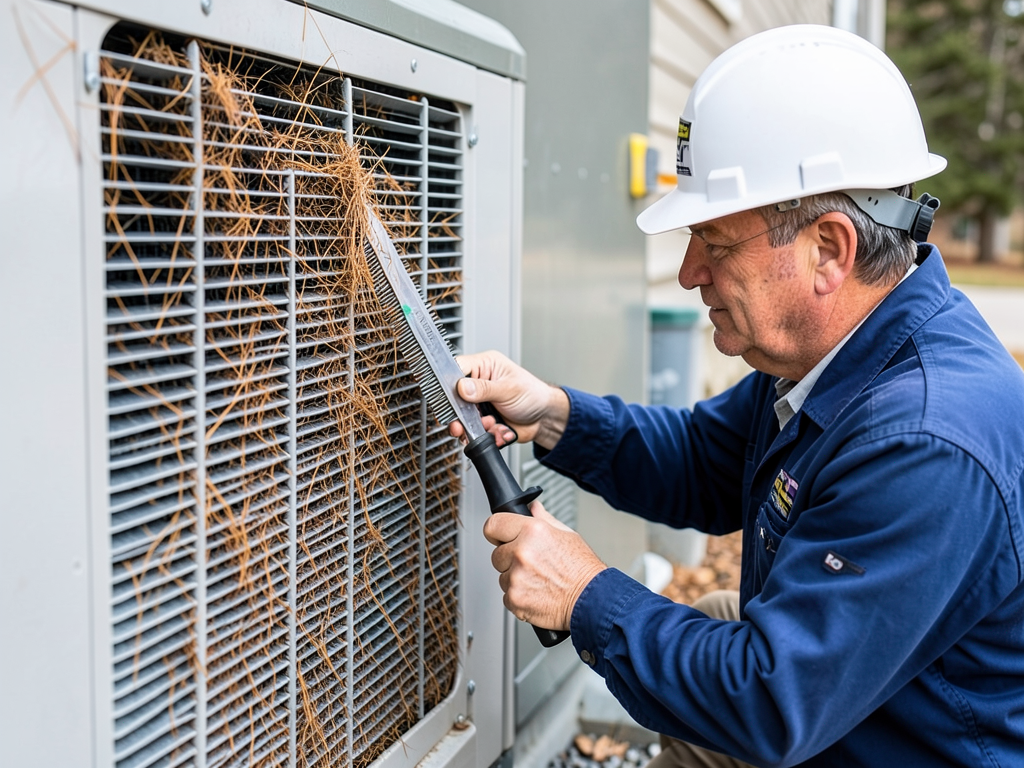
Why Pine Needles are a Unique Threat to Denver AC Units Living in Genesee means dealing with the beautiful but challenging mountain environment. The pine trees that give your property its scenic charm can wreak…

Why Your Gas Fireplace Should Not Be Your Only Heat Source in Golden\n\nGolden homeowners often…
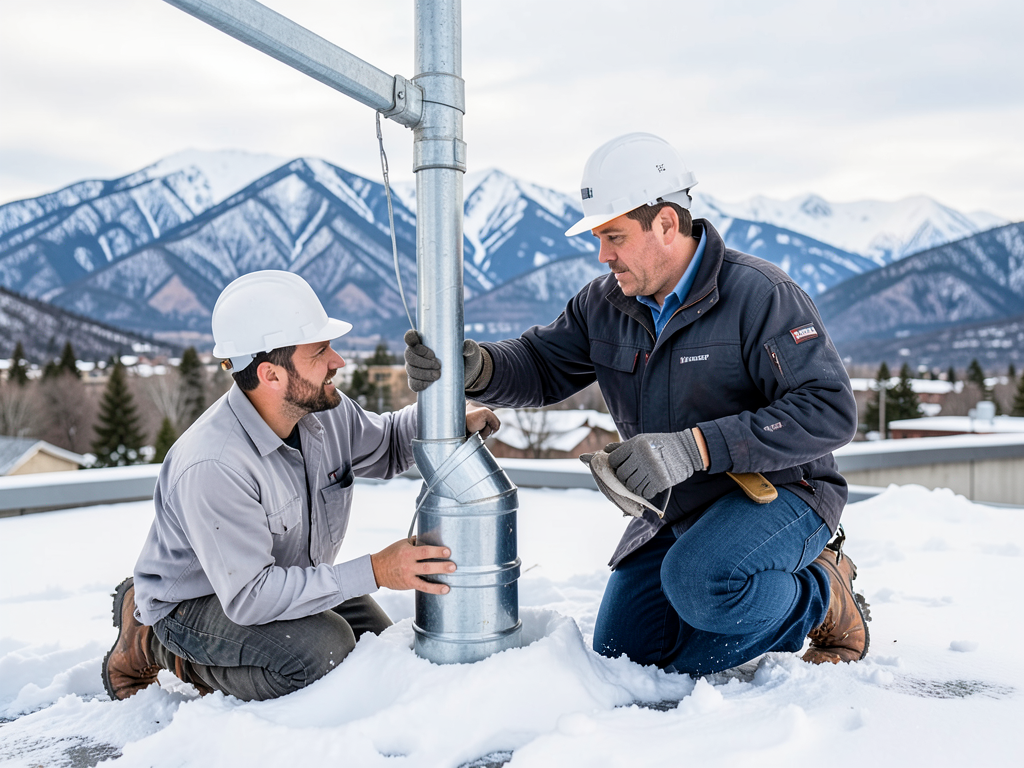
Why Your Furnace Venting Needs Special Attention in High Altitude Morrison Living at 5,800 feet…
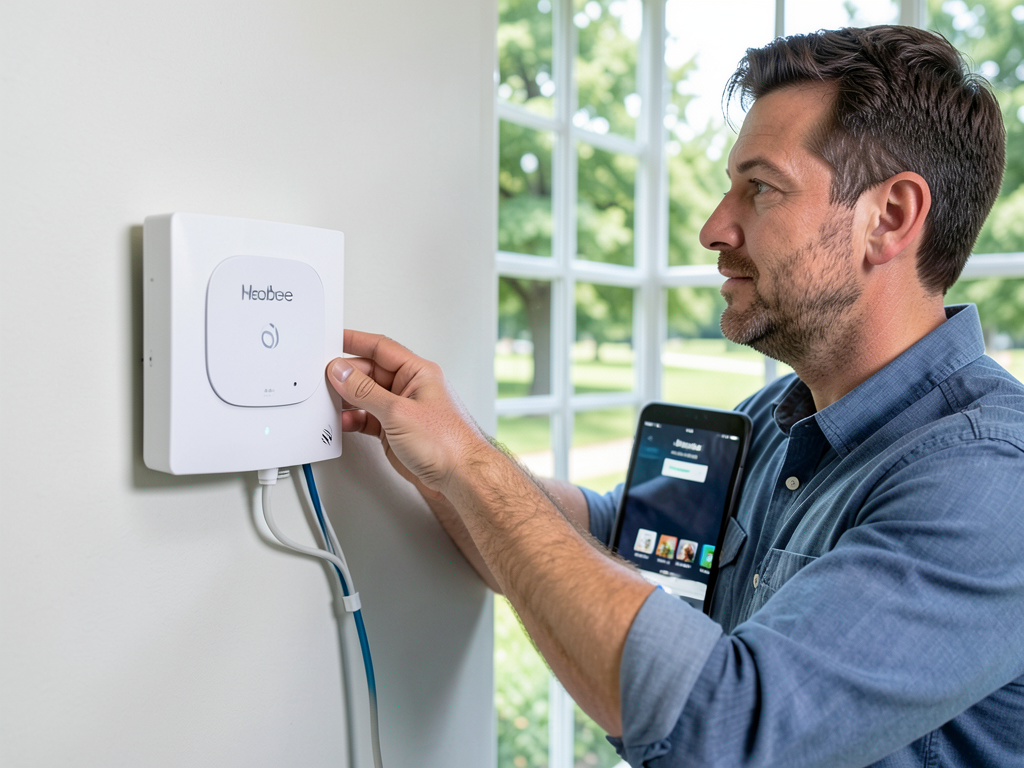
How to Integrate Your HVAC with Matter and Apple Home in Central Park Central Park…
Your comfort should not wait. Call Fortress HVAC Denver at (720) 502-9511 right now for same-day service and honest repairs. We answer 24/7 and dispatch immediately to restore heating and cooling fast across Sheridan.