




Menu

AC Repair Services in Denver – Fast, Expert Solutions for High-Altitude Climate Challenges

Fortress HVAC Denver delivers professional air conditioning repair and HVAC service tailored to the unique demands of Denver's mile-high elevation, where rapid temperature swings and low humidity stress cooling systems year-round.

Slider Image 1
Slider Image 2
Slider Image 3
Slider Image 4
Slider Image 5
Slider Image 7
Slider Image 8
Slider Image 9
Slider Image 10
Slider Image 11

Why Denver's Climate Makes AC Repair Services Different

Denver sits at 5,280 feet above sea level, and that elevation changes everything about how your air conditioner operates. The thin air at this altitude reduces cooling efficiency by up to 15 percent compared to sea-level performance. Your compressor works harder to move refrigerant through the system, and evaporator coils struggle to transfer heat in the dry, low-pressure atmosphere.

The Front Range climate adds another layer of complexity. Summer temperatures can swing 40 degrees in a single day. Your AC might run full-bore at 95 degrees in the afternoon, then cycle off completely when temperatures drop to 55 at night. This constant cycling wears out contactors, capacitors, and fan motors faster than in more stable climates.

Denver's notoriously low humidity, often below 20 percent during summer months, also affects central air repair needs. Dry air causes ductwork seals to crack and refrigerant lines to develop leaks. Dust from the arid conditions clogs filters and coils, reducing airflow and forcing your system to work harder.

When residents in Capitol Hill, Cherry Creek, or Park Hill experience warm air blowing from vents or hear grinding noises from outdoor units, these are not minor issues. They signal problems accelerated by Denver's unique environmental stressors. Professional air conditioning repair addresses the root cause, not just the symptoms. HVAC repair specialists who understand altitude-related performance issues can diagnose compressor strain, refrigerant charge errors, and airflow restrictions that generic service calls miss.

You need AC service from technicians who account for Denver's elevation and climate when calibrating systems, checking pressures, and testing performance.

Why Denver's Climate Makes AC Repair Services Different
Our Diagnostic and Repair Process for Denver Air Conditioners

Our Diagnostic and Repair Process for Denver Air Conditioners

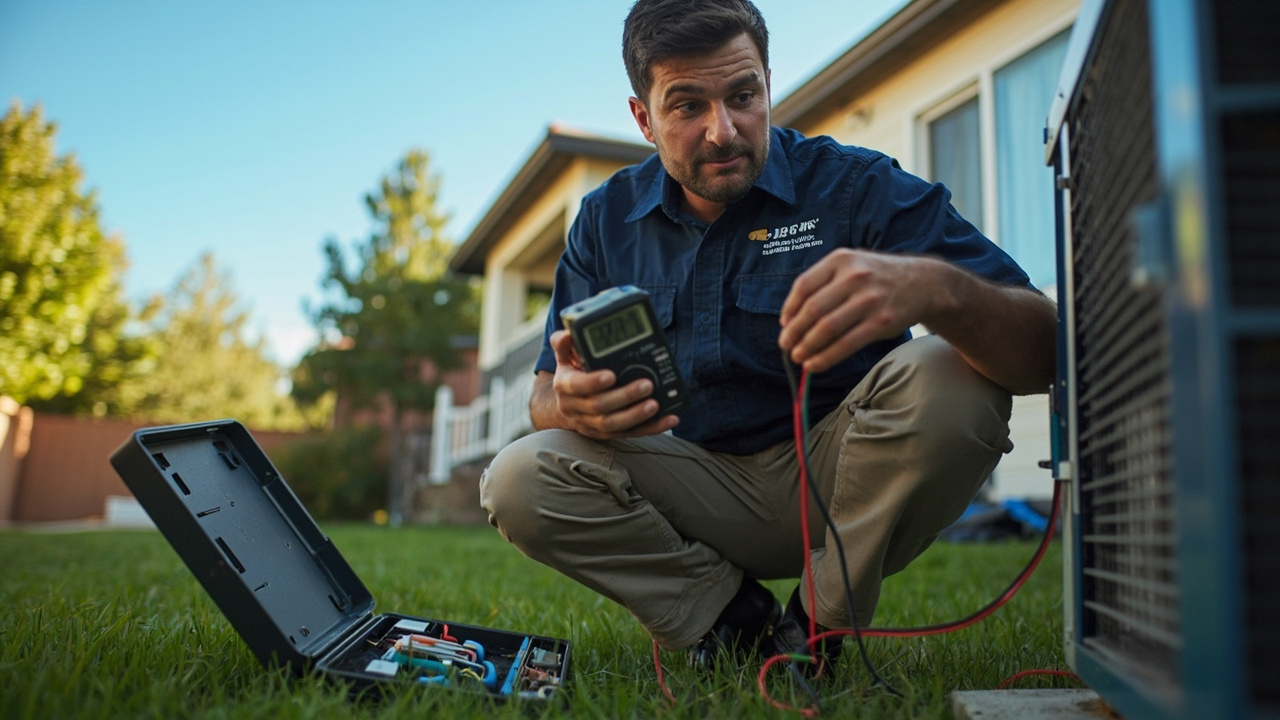
Air conditioner repair starts with accurate diagnosis, not guesswork. We use digital manifold gauges calibrated for Denver's altitude to measure refrigerant pressures. Standard pressure charts do not apply at 5,280 feet. What reads as proper charge at sea level indicates undercharge here. We adjust our readings to account for the reduced atmospheric pressure that affects refrigerant behavior in the evaporator and condenser coils.

Our technicians check superheat and subcooling values specific to high-altitude operation. We measure temperature differentials across the evaporator coil, looking for the 15 to 20-degree split that indicates proper heat transfer in Denver's dry air. If the split is too narrow, we know the system is either low on refrigerant or suffering from restricted airflow due to dust accumulation on the coil fins.

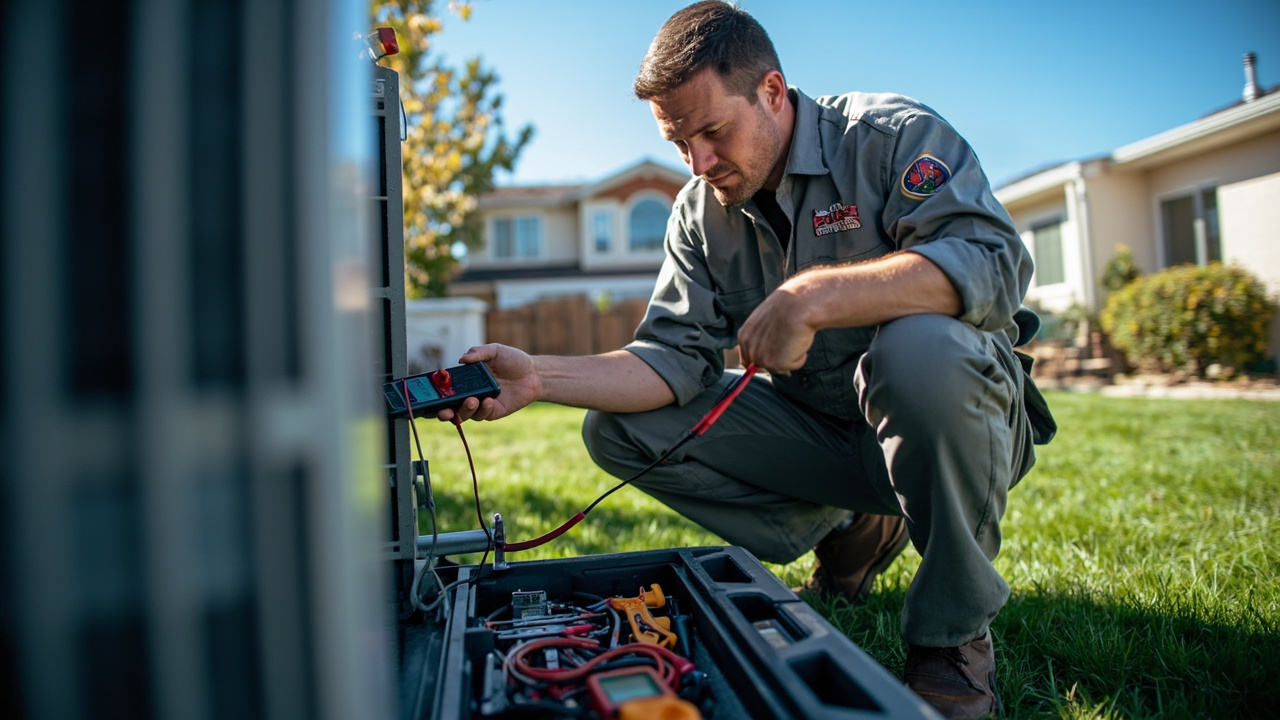
Electrical diagnostics go beyond basic voltage checks. We test capacitor microfarad ratings under load because capacitors fail faster in Denver's temperature extremes. A capacitor that tests acceptable in a static test may fail under the stress of starting a compressor in 95-degree heat followed by a sudden evening cool-down. We also inspect contactors for pitting and measure amp draw on compressor and fan motors to identify components nearing failure.

For central air repair, we pressure-test ductwork using a calibrated blower door. Denver's dry climate causes mastic sealant to crack and flex duct connections to separate. Leaky ducts waste 20 to 30 percent of cooled air in the average home. We seal leaks with mastic and metal-backed tape, not the cloth duct tape that dries out in low humidity.

HVAC repair is not about replacing parts until something works. It is about understanding how altitude and climate affect system performance, then fixing the actual problem.

What Happens During Your AC Service Appointment

AC Repair Services in Denver – Fast, Expert Solutions for High-Altitude Climate Challenges
01

System Assessment and Diagnostics

We start with a complete system evaluation, checking refrigerant levels with altitude-adjusted pressure readings, inspecting electrical components for wear, and measuring airflow at supply registers. We test thermostat calibration and check for duct leaks that waste cooled air. This diagnostic phase identifies the root cause, whether it is a failing compressor, dirty evaporator coil, or undersized ductwork struggling with Denver's low air density.
02

Repair and Component Replacement

After diagnosing the issue, we complete the necessary repairs using manufacturer-specified parts rated for high-altitude operation. We replace failed capacitors, clean condenser coils clogged with Front Range cottonwood seeds and dust, repair refrigerant leaks, and recalibrate thermostats. For compressor or evaporator coil failures, we explain repair versus replacement economics and let you decide the best path forward based on system age and efficiency.
03

Performance Verification and Testing

We do not leave until the system performs correctly. We measure temperature drop across the evaporator, verify proper refrigerant charge with superheat and subcooling readings, and confirm electrical components operate within spec. We run the system through a complete cooling cycle, checking for proper compressor start-up, adequate airflow at all registers, and correct thermostat response. You get documentation of all measurements and repairs completed.

Why Denver Homeowners Trust Fortress HVAC for Air Conditioning Repair

AC repair in Denver requires specific knowledge that out-of-state franchise operations and national chains often lack. Their technicians follow sea-level diagnostic charts and refrigerant charging procedures that produce inaccurate results at our elevation. A system that seems properly charged by their standards may be 10 percent low, causing reduced cooling capacity and premature compressor failure.

We understand how the Denver climate affects HVAC systems throughout the year. We know that May and June bring cottonwood seeds that clog condenser coils in Washington Park and Sloan's Lake neighborhoods. We anticipate the summer hailstorms that dent condenser fins and require careful straightening to restore airflow. We prepare for the sudden September cold snaps that catch systems mid-season, revealing weak capacitors and aging contactors before they fail completely in next year's heat.

Our familiarity with Denver's housing stock also matters. We have worked on everything from early 1900s bungalows in Congress Park with added central air to 1970s ranch homes in Lakewood with original ductwork to new construction in Stapleton with high-efficiency zoned systems. Each building type presents unique challenges. Old homes often have undersized ductwork and inadequate return air. Mid-century homes may have asbestos-wrapped ducts that limit modification options. New construction sometimes has oversized equipment that short-cycles and fails to dehumidify properly, even in Denver's dry climate.

We also understand local code requirements for refrigerant handling, condensate drainage, and electrical disconnects. Denver requires specific clearances around outdoor units and proper mounting to prevent damage during our occasional earthquakes. We pull permits when required and ensure all work meets current building codes, protecting your home's value and your family's safety.

What to Expect from Professional AC Service in Denver

Response Time and Availability

We schedule most air conditioning repair appointments within 24 hours of your call. During peak summer months when temperatures exceed 95 degrees, we prioritize homes with vulnerable residents and complete system failures. For non-emergency service calls like reduced cooling efficiency or unusual noises, we typically schedule within two to three business days. We provide two-hour arrival windows and call 30 minutes before arrival so you are not waiting all day. Emergency service is available for complete system failures during heat waves, though we recommend calling early in the day for fastest response.

Diagnostic Evaluation and Estimates

Every service call starts with a complete diagnostic evaluation. We do not charge separately for diagnostics if you proceed with recommended repairs. Our technician will explain what is wrong in plain language, show you the failed component when possible, and provide a written estimate before starting work. For major repairs like compressor or evaporator coil replacement, we present repair and replacement options with honest guidance on whether fixing an aging system makes financial sense. You decide how to proceed. We never push unnecessary repairs or replacement systems you do not need.

Quality of Workmanship

We use OEM or equivalent-quality replacement parts, not generic components that fail prematurely. Our technicians are trained on proper refrigerant handling, electrical connections, and ductwork sealing techniques specific to Denver's climate. We clean up completely when finished, hauling away old components and packaging materials. You receive documentation of all work performed, including before and after pressure readings, temperature measurements, and electrical values. This documentation is valuable if you sell your home or need future service. We also photograph major repairs for your records.

Service Follow-Up and Maintenance

After completing repairs, we are available if you have questions or concerns about system operation. We recommend annual maintenance visits before cooling season starts, typically in April or early May. These tune-ups catch small problems before they become expensive failures during July heat waves. We check refrigerant levels, clean coils, test electrical components, and verify proper airflow. Regular maintenance extends equipment life by three to five years on average and maintains efficiency, keeping your energy bills lower. We keep service records for all our clients and send maintenance reminders each spring.

Frequently Asked Questions

You Have Questions,
We Have Answers

What is the $5000 AC rule? +

The $5000 AC rule is a simple decision guideline. If your repair cost plus the age of your unit in years exceeds $5000, replacement makes more sense than repair. For example, if your Denver AC unit is 12 years old and needs a $1500 compressor repair, that totals $13,500. Replace it. This rule accounts for declining efficiency, future repair frequency, and the reality that older systems struggle in Denver's intense summer heat and mile-high altitude conditions. A new unit delivers better cooling performance, lower utility bills, and fewer breakdowns during those 95-degree Front Range days.

How much is an AC service charge? +

Most Denver AC contractors charge a service call fee between $75 and $150. This covers the technician's trip to your home, basic diagnostics, and an estimate. Many companies waive the fee if you approve the repair. The service charge does not include parts or labor for the actual fix. Denver's competitive HVAC market means prices vary. Always confirm the service call cost upfront and ask if it applies toward repair work. During peak summer months when temperatures spike, some companies charge emergency rates for same-day service. Request a detailed breakdown before work begins.

How much is an AC repair? +

AC repair costs in Denver range from $150 for minor fixes like capacitor replacement to $2500 for major compressor work. Average repairs cost $300 to $600. Pricing depends on the component failure, refrigerant type, and accessibility. Denver's altitude affects AC performance, sometimes causing unique strain on components. Simple repairs like fixing a clogged drain line or replacing a contactor run $150 to $300. Refrigerant leaks and recharges cost $400 to $800. Evaporator coil replacement runs $1000 to $2000. Get multiple quotes and ensure the technician explains what failed and why.

What is the most expensive repair on an AC unit? +

Compressor replacement is the most expensive AC repair, costing $1500 to $3000 in Denver. The compressor is the heart of your system, pumping refrigerant and enabling heat exchange. When it fails, labor-intensive work is required. Evaporator coil replacement runs a close second at $1000 to $2500. Both repairs often signal the unit is near end-of-life, especially if your system is over 10 years old. Denver's temperature swings and altitude stress compressors harder than at sea level. If facing a compressor replacement on an older unit, compare the cost to a new system installation.

Can I write off my new AC unit on my taxes? +

You can deduct a new AC unit if you use part of your home for business and the space requires cooling. The IRS allows the deduction as a business expense proportional to your home office percentage. For personal residences, AC replacement does not qualify as a medical expense or standard deduction. However, if you install a high-efficiency system, you may qualify for federal energy tax credits or Colorado state rebates. Denver homeowners should consult a tax professional to explore available incentives. Energy-efficient upgrades sometimes qualify for rebates through Xcel Energy, reducing your net cost.

What is the 3 minute rule for AC? +

The 3-minute rule prevents compressor damage by enforcing a delay between cooling cycles. After your AC shuts off, wait at least 3 minutes before restarting. This allows refrigerant pressure to equalize throughout the system. Restarting too quickly forces the compressor to work against high pressure, causing strain and potential failure. Most modern thermostats have built-in delay timers. Denver's intense summer heat tempts homeowners to cycle AC units rapidly, but this shortens equipment life. If your system short-cycles frequently, contact a technician. Short-cycling wastes energy and stresses components.

Is it cheaper to repair or replace an AC unit? +

If your AC unit is under 10 years old and the repair costs less than half the price of replacement, repair makes sense. For Denver homeowners with units older than 12 years, replacement often wins long-term. New systems offer better SEER ratings, cutting energy bills by 20 to 40 percent. Denver's altitude and temperature swings stress older units, increasing repair frequency. Calculate total cost of ownership over the next 5 years. Factor in rising utility costs and the likelihood of future breakdowns. If facing a major repair on an aging unit, replacement delivers better value and reliability.

What is the average lifespan of an AC unit? +

AC units last 12 to 15 years in Denver with proper maintenance. Colorado's climate, altitude, and temperature extremes reduce lifespan compared to milder regions. Units working harder in thin air and intense summer sun wear faster. Skipping annual tune-ups accelerates decline. Refrigerant leaks, compressor failure, and coil degradation become common after 12 years. If your system is over 15 years old, plan for replacement. Newer units offer better efficiency and reliability. Regular filter changes, coil cleaning, and seasonal inspections extend life. Denver homeowners should budget for replacement once units hit the 12-year mark.

What is the most expensive part of the AC unit to fix? +

The compressor is the most expensive component to fix, costing $1500 to $3000 in Denver. Compressors fail due to age, refrigerant leaks, electrical issues, or overheating. Evaporator coils rank second at $1000 to $2500. Both parts require substantial labor and refrigerant handling. Denver's altitude and temperature swings increase compressor workload, accelerating wear. If your unit is over 10 years old and needs compressor replacement, compare repair cost to new system installation. A new unit offers warranty coverage, better efficiency, and years of reliable cooling. Older systems often develop additional failures shortly after major repairs.

Is AC repair covered by homeowners insurance? +

Homeowners insurance typically does not cover AC repair unless damage results from a covered peril like fire, lightning strike, or vandalism. Normal wear and tear, lack of maintenance, and age-related failures are excluded. If a hailstorm damages your outdoor condenser unit, your policy may cover replacement. Review your policy or contact your Denver agent to confirm coverage. Some insurers offer equipment breakdown endorsements for mechanical failures, but premiums increase. Preventive maintenance protects your investment better than relying on insurance. Document damage with photos if filing a claim and get a licensed contractor's assessment.

How Denver's Altitude and Temperature Swings Impact AC Repair Needs

The mile-high elevation creates unique challenges for air conditioning systems that technicians from lower elevations often misdiagnose. Refrigerant behaves differently in low-pressure atmospheres. R-410A refrigerant, used in most modern systems, requires different charge amounts and pressure readings at 5,280 feet than manufacturer specifications list for sea level. A system charged correctly by standard charts will underperform in Denver, running longer cycles and consuming more energy while delivering inadequate cooling. Proper AC service accounts for these altitude adjustments. Additionally, Denver's 40 to 50-degree daily temperature swings stress components through constant expansion and contraction. This is why capacitors and contactors fail more frequently here than in more stable climates. HVAC repair specialists who understand these local factors diagnose problems accurately the first time.

Fortress HVAC Denver has served metro Denver for years, building relationships throughout Capitol Hill, Highlands, Stapleton, Lakewood, and Littleton. We understand the specific challenges each neighborhood presents, from the aging infrastructure in older Denver communities to the high-efficiency systems in newer developments. Our technicians receive ongoing training on altitude-specific HVAC performance and Denver building codes. We maintain relationships with local supply houses, ensuring we have access to parts quickly when you need urgent repairs. Choosing a local company means working with technicians who live in the same climate, face the same seasonal challenges, and have a reputation to maintain in the community. We do not disappear after the job. We are here next month, next year, and for the life of your system.

HVAC Services in The Denver Area

Fortress HVAC is proud to serve the Denver area and surrounding communities. We invite you to view our location on the map, which highlights our service area. While we often come directly to you for services, knowing our central base can help you understand our reach. Feel free to contact us with any questions about our service coverage or to schedule an appointment directly.

Address:
Fortress HVAC Denver, 6035 E 38th Ave, Denver, CO, 80207

Additional Services We Offer

Our news updates

Latest Articles & News from The Blogs

Why Your Gas Fireplace Should Not Be Your Only Heat Source in Golden\n\nGolden homeowners often rely on gas fireplaces for…

Why Your Gas Fireplace Should Not Be Your Only Heat Source in Golden

Why Your Gas Fireplace Should Not Be Your Only Heat Source in Golden\n\nGolden homeowners often rely on gas fireplaces for…

Why Your Furnace Venting Needs Special Attention in High Altitude Morrison

Why Your Furnace Venting Needs Special Attention in High Altitude Morrison Living at 5,800 feet in Morrison means your furnace…

How to Integrate Your HVAC with Matter and Apple Home in Central Park

How to Integrate Your HVAC with Matter and Apple Home in Central Park Central Park residents who want their HVAC…

Contact Us

Do not let a failing air conditioner disrupt your comfort during Denver's hottest months. Call Fortress HVAC Denver at (720) 502-9511 for fast, professional air conditioning repair from technicians who understand high-altitude HVAC systems. We diagnose accurately and fix it right the first time.