




Menu

Air Conditioning Installation in Denver – Expert Central Air Systems Built for Mile High Climate Extremes

Fortress HVAC Denver installs properly sized AC units engineered to handle rapid temperature swings, intense UV exposure, and low humidity conditions that put standard air conditioning systems under constant stress.

Slider Image 1
Slider Image 2
Slider Image 3
Slider Image 4
Slider Image 5
Slider Image 7
Slider Image 8
Slider Image 9
Slider Image 10
Slider Image 11

Why Denver's Climate Destroys Improperly Installed Air Conditioners

Denver's 5,280-foot elevation creates installation challenges most contractors ignore. The thinner air at altitude reduces cooling efficiency by 8-12% compared to sea level performance. You need an AC unit sized and configured specifically for low-density air, not generic manufacturer specs.

The temperature swings compound the problem. A July day in Park Hill or Washington Park can hit 95°F by 3 PM, then drop to 55°F by midnight. That 40-degree swing forces your compressor to cycle aggressively, wearing components faster than systems in stable climates.

UV intensity at altitude is 25% higher than coastal cities. This degrades exterior components, refrigerant lines, and insulation faster. An air conditioner replacement becomes necessary years earlier if the installer skips UV-resistant materials and proper shading considerations during the AC installation.

Low humidity adds another layer. Denver averages 30% relative humidity in summer. Dry air feels cooler, which tricks homeowners into oversizing units. An oversized AC unit installation short-cycles, never running long enough to dehumidify properly. You end up with a cold, clammy house and a system that fails in under 10 years.

Clay soil in neighborhoods like Stapleton and Green Valley Ranch shifts with moisture changes. Concrete pads crack and tilt if not properly reinforced. A tilted condenser loses refrigerant through stressed line connections, causing premature compressor failure.

Central air installation in Denver requires local knowledge. The system must account for altitude, UV exposure, temperature extremes, and soil movement, or you are replacing it early.

Why Denver's Climate Destroys Improperly Installed Air Conditioners
How Fortress HVAC Denver Engineers AC Installations for Altitude Performance

How Fortress HVAC Denver Engineers AC Installations for Altitude Performance

We start with Manual J load calculations adjusted for Denver's altitude and latitude. Standard calculations assume sea-level air density and fail at 5,280 feet. We factor in the reduced oxygen content, which directly impacts heat transfer efficiency in the evaporator coil.

We measure actual window solar heat gain using altitude-corrected factors. The sun hits 25% harder here. South-facing windows in Highlands Ranch or Littleton gain 30-40% more heat than manufacturer data suggests. We account for this in tonnage selection so your system is not fighting a losing battle every afternoon.

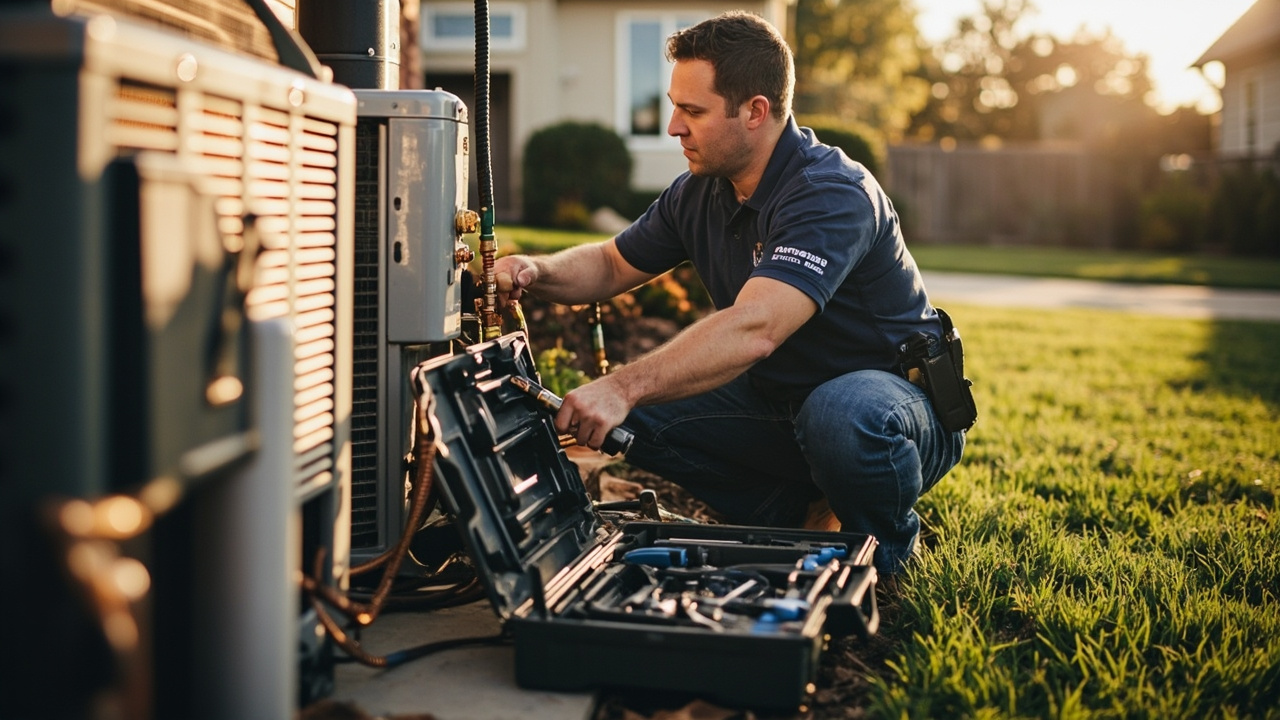
Refrigerant charge is critical at altitude. We use digital manifold gauges and adjust subcooling and superheat values for barometric pressure at 5,280 feet. A system charged to sea-level specs runs 15-18% low on refrigerant here, starving the compressor and shortening its life.

We install condenser pads on compacted, reinforced bases that resist clay soil movement. The pad gets a gravel footer and anchoring straps. This prevents the tilt that stresses refrigerant lines and causes leaks.

Line sets get UV-resistant insulation rated for high-altitude sun exposure. Standard foam rubber insulation degrades in 3-5 years under Denver's UV index. We use rubatex with UV inhibitors that last 15-plus years.

Ductwork gets sealed with mastic, not tape. Denver's temperature swings cause duct tape to fail within 24 months. Mastic seals last the life of the system, preventing the 20-30% efficiency loss from leaky ducts in unconditioned spaces.

Every new air conditioner install includes a startup report with refrigerant pressures, airflow CFM, and temperature split across the coil. You get documentation proving the system is tuned for Denver, not a generic installation.

What Happens During Your AC Unit Installation

Air Conditioning Installation in Denver – Expert Central Air Systems Built for Mile High Climate Extremes
01

Site Assessment and Load Calculation

We measure your home's envelope, window orientation, insulation levels, and duct system. The Manual J load calculation accounts for Denver's altitude, UV intensity, and temperature swings. We identify undersized ductwork, leaky returns, and solar heat gain issues before equipment selection. You get a detailed report showing exactly why we recommend a specific tonnage and SEER rating for your home.
02

Equipment Installation and Refrigerant Tuning

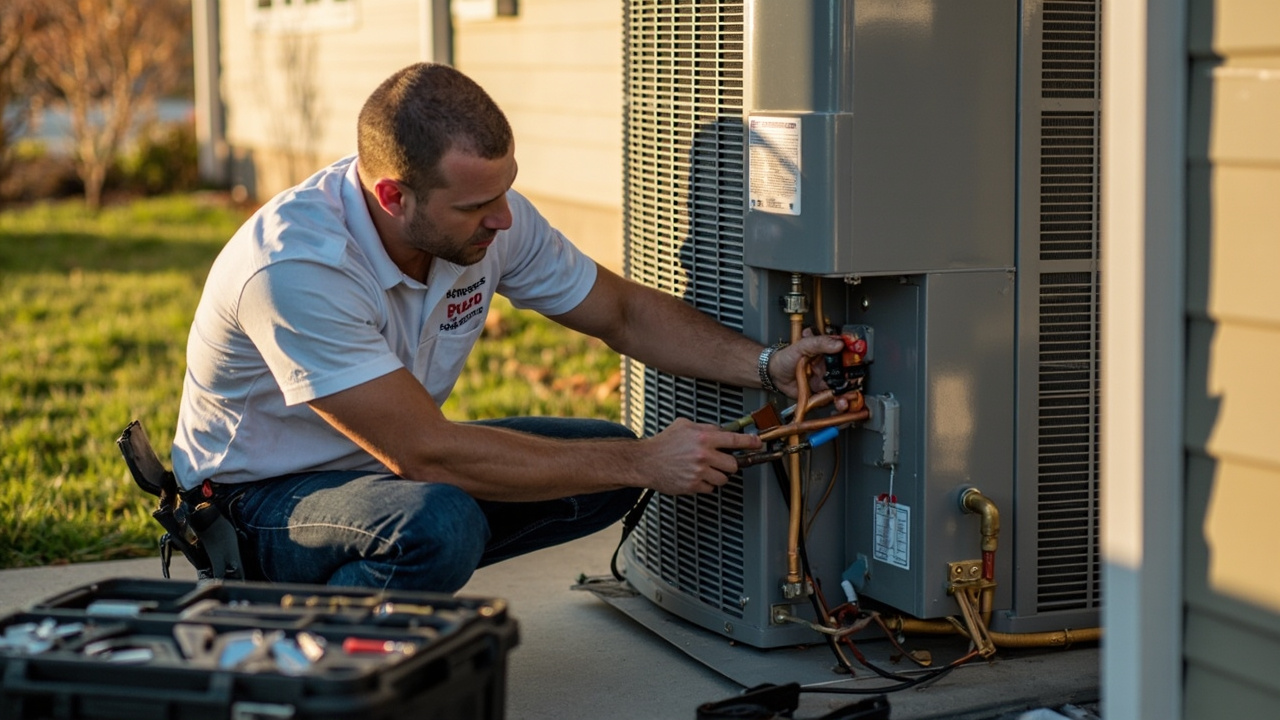
The outdoor condenser goes on a reinforced pad designed for clay soil movement. We install the air handler or furnace coil, run refrigerant lines with altitude-rated insulation, and seal all ductwork with mastic. Refrigerant charge gets dialed in using digital gauges adjusted for 5,280-foot barometric pressure. We pull a deep vacuum on the line set to remove moisture and verify no leaks before charging the system.
03

Performance Verification and Documentation

We measure airflow across the coil, verify temperature split, check subcooling and superheat, and test the thermostat. You receive a startup report with all performance data, proving the system meets manufacturer specs adjusted for Denver conditions. We walk you through thermostat programming, filter changes, and what to watch for during the first cooling season. The system is tuned for altitude, not just installed.

Why Denver Homeowners Choose Fortress HVAC for Central Air Installation

Most HVAC contractors use sea-level installation practices in a city that sits a mile above sea level. They follow manufacturer specs written for Phoenix or Houston, then wonder why compressors fail early and customers complain about hot spots.

We understand Denver's building codes, which require specific refrigerant handling procedures and duct sealing standards stricter than neighboring states. Our installers know the City and County of Denver requires permits for AC unit installations and we handle the inspection process so you are not stuck dealing with code violations.

We work in every Denver neighborhood, from historic bungalows in Berkeley to new construction in Stapleton. Older homes often have undersized electrical panels and knob-and-tube wiring. We identify these issues during assessment and coordinate with electricians before starting the air conditioner replacement, preventing mid-job surprises.

Denver's rapid development means many homes have additions or finished basements that were never added to the original HVAC design. We evaluate the entire conditioned space, not just the original footprint. If your system is struggling because someone finished the basement without upgrading the AC, we size the replacement correctly.

We stock equipment rated for high-altitude performance. Not all manufacturers publish altitude-correction data. We only install brands that provide technical support for Denver installations and honor warranties when systems are installed at 5,280 feet.

Our install crews stay current on refrigerant regulations. Denver has stricter emissions standards than federal law requires. We recover refrigerant properly, document it, and dispose of old equipment through certified recyclers. You are not liable for environmental violations when we handle your AC installation.

What to Expect During Your Air Conditioning Installation

Installation Timeline and Scheduling

A straightforward air conditioner replacement takes 6-10 hours for a typical single-family home. We complete most installations in one day. Complex jobs involving ductwork modification, electrical panel upgrades, or structural changes may require two days. We schedule installations during moderate weather when possible, so you are not without cooling during a heat wave. Emergency replacements for failed systems get priority scheduling. We arrive with all equipment and materials to avoid mid-job delays. You will know the exact timeline before we start work.

Pre-Installation Assessment and Planning

The assessment takes 60-90 minutes. We inspect your existing system, measure ductwork, check electrical capacity, and evaluate the condenser location. We take photos of any concerns like undersized ducts or damaged insulation. You get a written proposal detailing equipment specs, installation scope, timeline, and cost factors. We explain why we recommend specific brands and SEER ratings based on your home's characteristics and Denver's climate. If your electrical panel needs upgrading or ductwork requires modification, we outline those requirements before scheduling the installation.

System Performance and Efficiency Results

A properly installed AC unit installation delivers consistent temperatures in every room, not just near the thermostat. You should feel airflow from every register and notice the system running in longer, quieter cycles instead of short-cycling every 5-10 minutes. Humidity control improves even in Denver's dry climate. Your system will maintain 40-50% relative humidity instead of dropping below 30%. Energy bills typically decrease 20-35% compared to a 10-plus-year-old system. The outdoor condenser runs quieter and starts smoothly without the grinding or clicking sounds that indicate compressor stress.

Maintenance and Long-Term Support

Manufacturer warranties cover parts for 5-10 years depending on the brand and model you select. Labor warranties vary by equipment tier. We recommend annual maintenance visits before cooling season starts, typically in April or early May. During maintenance, we check refrigerant levels, clean the condenser coil, inspect electrical connections, and verify the system still performs to altitude-adjusted specs. Denver's UV exposure degrades outdoor components faster than moderate climates. We catch small issues like cracked insulation or loose mounting bolts before they cause system failures. Filter changes every 60-90 days keep airflow optimal.

Frequently Asked Questions

You Have Questions,
We Have Answers

How much would it cost to have air conditioning installed? +

Air conditioning installation costs in Denver vary based on system type, home size, and ductwork condition. A basic central AC unit for an average home typically ranges from several thousand to over ten thousand dollars. Denver's high altitude and temperature swings affect equipment sizing and efficiency requirements. Factors include SEER rating, refrigerant type, and whether you need duct modifications. Older homes near Washington Park or Capitol Hill may require electrical upgrades. Mini-splits cost differently than central systems. Get multiple quotes from licensed contractors familiar with Denver's building codes and climate demands.

What is the $5000 rule for AC? +

The $5000 rule helps you decide between AC repair and replacement. If your repair cost multiplied by your system's age exceeds $5000, replacement makes more financial sense. For example, a $500 repair on a 12-year-old unit equals $6000, suggesting replacement. Denver's intense sun exposure and altitude stress aging AC systems harder than in other climates. Systems over 10 years old lose efficiency and use outdated refrigerants. Factor in Denver's dry air, which can mask performance issues until catastrophic failure. This rule guides smart investment decisions for Front Range homeowners.

How much to pay for air conditioning installation? +

Air conditioning installation pricing depends on equipment quality, labor complexity, and your home's specific needs. Denver installations account for altitude-related efficiency losses and our dramatic temperature fluctuations between day and night. Permit fees, disposal of old equipment, and thermostat upgrades add to base costs. Homes with existing ductwork cost less than new installations. High-efficiency systems cost more upfront but reduce energy bills during Denver's hot summers. Installation typically takes one to three days. Always verify contractors hold proper licensing and understand Colorado's energy codes before committing.

How much does it cost to install an air cond? +

Installing an air conditioner involves equipment costs, labor, permits, and materials. Prices fluctuate based on system capacity measured in tons, efficiency ratings, and installation difficulty. Denver's clay soil affects outdoor condenser placement and pad stability. Older neighborhoods like Highlands or Berkeley may need electrical panel upgrades to handle modern AC loads. Ductless systems offer flexibility for homes without existing ductwork. Higher-SEER units cost more initially but perform better in Denver's intense UV exposure and altitude. Request itemized quotes comparing equipment brands, warranty coverage, and labor separately.

How much does it cost to put AC in a 2000 sq ft house? +

A 2000 square foot house in Denver typically requires a 3 to 4-ton AC system, with costs varying by efficiency level and installation complexity. Denver's altitude reduces cooling capacity by roughly 5 percent compared to sea level, affecting sizing calculations. Two-story homes need different airflow strategies than ranches. Factors include insulation quality, window count, sun exposure, and ceiling height. Homes on Denver's west side face more afternoon heat. Ductwork condition impacts final pricing significantly. Expect installation to include pad placement, refrigerant lines, electrical connections, and thermostat setup.

What is the 3 minute rule for AC? +

The 3-minute rule protects your AC compressor from damage. After your system shuts off, wait at least three minutes before restarting it. This allows refrigerant pressure to equalize throughout the system. Restarting too quickly forces the compressor to start against high pressure, risking motor burnout and shortened equipment life. Most modern thermostats have built-in delay protection. Denver's voltage fluctuations during summer storms make this rule especially important. Short cycling damages compressors faster in high-altitude conditions. If your system trips breakers or struggles to restart, call a technician immediately.

Is HVAC system cost tax deductible? +

HVAC system costs may qualify for federal tax credits if you install qualifying high-efficiency equipment. The Inflation Reduction Act offers credits for ENERGY STAR certified systems meeting specific efficiency thresholds. Installation labor typically does not qualify. Colorado occasionally offers additional state rebates for energy-efficient upgrades. Consult a tax professional about your specific situation, as rules change frequently. Keep all receipts, manufacturer certifications, and contractor documentation. Standard replacements without efficiency improvements generally do not qualify. Heat pumps often receive higher credit amounts than traditional AC systems. Check current IRS guidelines before purchasing.

Is a 3 ton AC too big for 1500 square feet? +

A 3-ton AC is not too big for most 1500 square foot homes in Denver, but proper sizing requires a Manual J load calculation. Denver's altitude, your home's insulation, window quality, and sun exposure all affect requirements. Oversized systems short-cycle, failing to dehumidify properly and wasting energy. Undersized systems run constantly during Denver's hottest days, struggling to maintain comfort. Open floor plans cool differently than segmented layouts. Homes with vaulted ceilings or excessive south-facing glass need adjusted calculations. A qualified contractor should perform site-specific load calculations rather than using square footage alone.

What is the best month to buy an HVAC system? +

Fall and early spring offer the best HVAC purchasing opportunities in Denver. October through April brings slower demand, allowing contractors more scheduling flexibility and potentially better pricing. You avoid the summer rush when technicians are slammed with emergency calls. Equipment manufacturers offer promotional pricing during off-peak seasons. Installing before cooling season lets you test the system before you desperately need it. Avoid buying during heat waves when demand spikes and quality contractors are booked weeks out. Denver's mild springs allow comfortable installation windows. Plan ahead rather than waiting for system failure during a July scorcher.

How to choose a reliable AC installation company? +

Choose an AC installation company by verifying Colorado licensing, checking references from Denver-area customers, and comparing detailed written estimates. Look for contractors experienced with altitude-specific sizing and Denver's unique climate challenges. Ask about manufacturer certifications and technician training. Review online feedback focusing on installation quality and follow-up service. Confirm they pull proper permits and understand local building codes. Avoid unusually low bids that suggest shortcuts. Request equipment options with efficiency comparisons. Check how long they have operated in the Denver metro area. A reliable contractor explains sizing calculations and answers technical questions clearly.

How Denver's Altitude and UV Exposure Shorten Air Conditioner Lifespan

The thin air at 5,280 feet forces AC compressors to work 10-15% harder to move the same amount of heat compared to sea-level installations. This increased workload shortens compressor life by 2-3 years if the system is not sized and charged correctly for altitude. UV intensity 25% higher than coastal regions degrades plastic components, refrigerant line insulation, and condenser coil fins. Standard AC installations using sea-level specifications fail prematurely in Denver because contractors ignore the altitude correction factors published by manufacturers. Proper central air installation requires pressure and charge adjustments specific to barometric pressure at this elevation.

Denver's building codes require mechanical permits for new air conditioner installations and replacements involving refrigerant line changes. The City and County of Denver enforces stricter duct sealing standards than the International Mechanical Code minimum. Contractors unfamiliar with local requirements skip the permit process, leaving homeowners liable for code violations during home sales or insurance claims. Fortress HVAC Denver pulls permits, schedules inspections, and documents compliance for every AC unit installation. We understand Denver's specific climate challenges and code requirements because we work exclusively in the Front Range region.

HVAC Services in The Denver Area

Fortress HVAC is proud to serve the Denver area and surrounding communities. We invite you to view our location on the map, which highlights our service area. While we often come directly to you for services, knowing our central base can help you understand our reach. Feel free to contact us with any questions about our service coverage or to schedule an appointment directly.

Address:
Fortress HVAC Denver, 6035 E 38th Ave, Denver, CO, 80207

Additional Services We Offer

Our news updates

Latest Articles & News from The Blogs

Why Your Gas Fireplace Should Not Be Your Only Heat Source in Golden\n\nGolden homeowners often rely on gas fireplaces for…

Why Your Gas Fireplace Should Not Be Your Only Heat Source in Golden

Why Your Gas Fireplace Should Not Be Your Only Heat Source in Golden\n\nGolden homeowners often rely on gas fireplaces for…

Why Your Furnace Venting Needs Special Attention in High Altitude Morrison

Why Your Furnace Venting Needs Special Attention in High Altitude Morrison Living at 5,800 feet in Morrison means your furnace…

How to Integrate Your HVAC with Matter and Apple Home in Central Park

How to Integrate Your HVAC with Matter and Apple Home in Central Park Central Park residents who want their HVAC…

Contact Us

Get a system sized and installed for altitude performance, not generic specs. Call Fortress HVAC Denver at (720) 502-9511 for a detailed load calculation and installation proposal. We handle permits, inspections, and tune your system for 5,280 feet.