




Menu

Emergency Carbon Monoxide Leak Detection in Denver – 24/7 Response, On-Site in 60 Minutes

Fast, Professional CO Leak Inspection Available Day or Night Throughout Metro Denver – Our Certified Technicians Arrive Equipped with Commercial-Grade Detection Tools to Identify and Contain Carbon Monoxide Threats Before They Escalate

Slider Image 1
Slider Image 2
Slider Image 3
Slider Image 4
Slider Image 5
Slider Image 7
Slider Image 8
Slider Image 9
Slider Image 10
Slider Image 11

Why Carbon Monoxide Emergencies Require Immediate Action in Denver Homes

Carbon monoxide has no smell, no color, and no warning. That makes it the deadliest threat hiding in Denver homes right now. You feel dizzy, nauseous, or notice your family members complaining of headaches. Your carbon monoxide detector went off, or you smell something off near your furnace. These are not symptoms you wait out.

Denver's altitude and climate create a specific risk. At 5,280 feet, the thinner air means your furnace and gas appliances work harder to achieve complete combustion. When temperatures drop below freezing, which happens regularly from November through March, your heating system runs nonstop. Cracked heat exchangers, blocked flue pipes, and backdrafting chimneys become silent killers. The freeze-thaw cycle common to the Front Range can crack vent pipes or cause chimney liner separation without visible exterior damage.

You need emergency carbon monoxide testing, not tomorrow or next week. Carbon monoxide binds to hemoglobin 200 times more effectively than oxygen. Within hours, it causes permanent neurological damage or death. Pets and children are affected faster due to smaller body mass and faster metabolisms.

If your detector alarmed, evacuate immediately. If you suspect a leak but the alarm has not sounded, do not assume you are safe. Detectors fail, batteries die, and placement matters. Professional CO leak inspection uses calibrated digital analyzers that measure parts per million in real time across multiple zones in your home. Urgent carbon monoxide check services exist because every minute counts. This is not a situation where you troubleshoot yourself or wait for business hours.

Why Carbon Monoxide Emergencies Require Immediate Action in Denver Homes
How Professional CO Gas Detection Service Locates Hidden Leaks Fast

How Professional CO Gas Detection Service Locates Hidden Leaks Fast

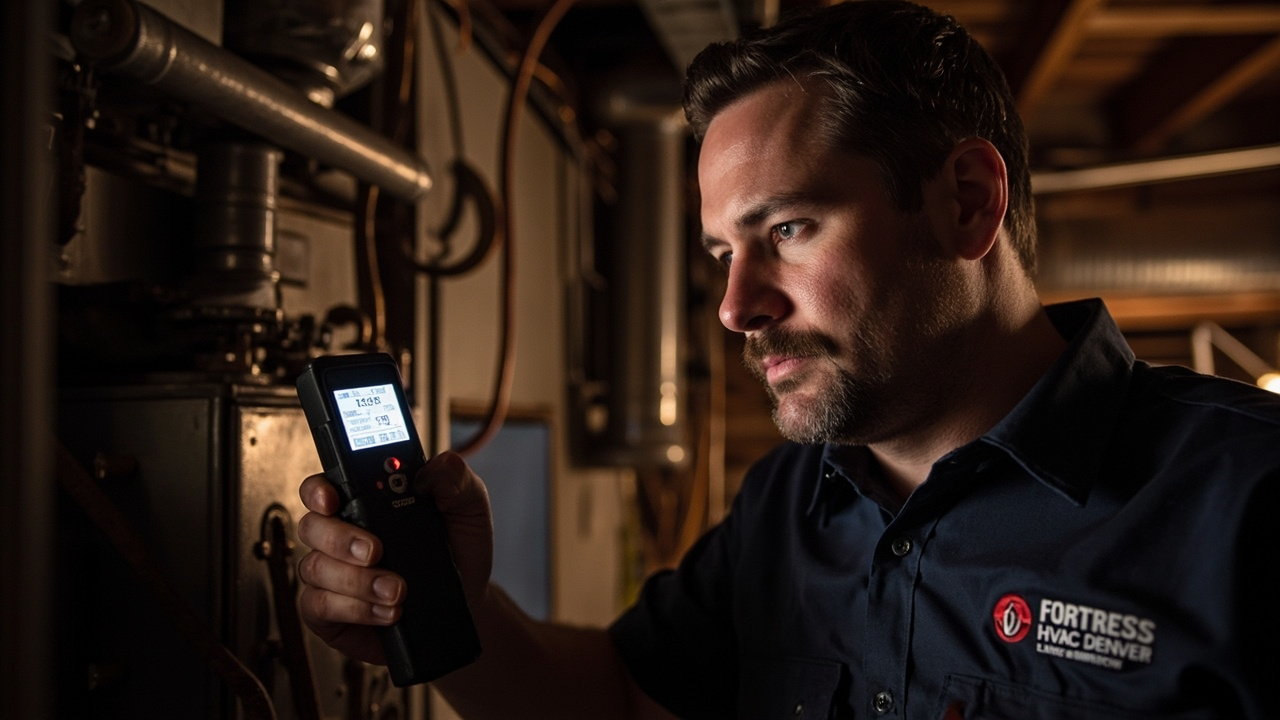
Carbon monoxide leak testing is not just waving a detector near your furnace. Our technicians arrive with multi-gas analyzers, combustion efficiency meters, and infrared cameras. We test ambient air first to establish baseline readings. Safe indoor CO levels measure below 9 parts per million. Anything above 35 ppm triggers immediate action.

We start at the most common failure points. Furnace heat exchangers develop hairline cracks over time, especially in units over 15 years old. Flame rollout, soot buildup, or rust stains on your furnace cabinet signal incomplete combustion. We pull the burner assembly and visually inspect the exchanger under high-intensity light. We also perform a pressure test using smoke or tracer gas to reveal cracks invisible to the naked eye.

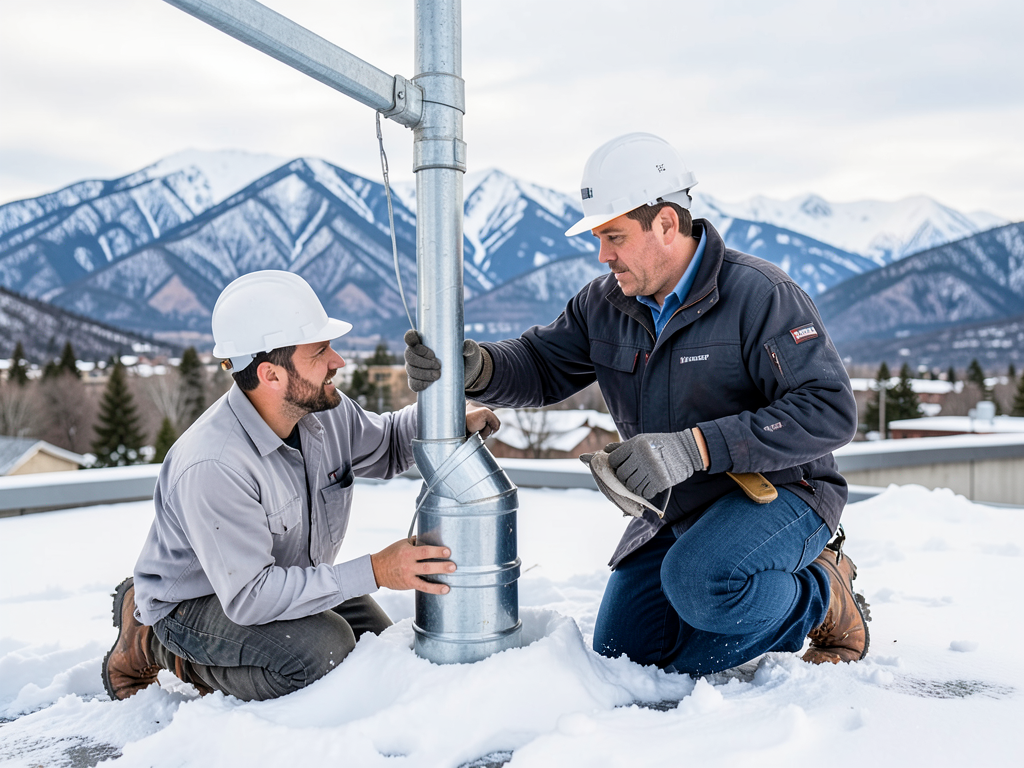
Next, we check your venting system. In Denver, many older homes use single-wall B-vent or masonry chimneys. These are prone to condensation buildup and blockage from bird nests, leaves, or deteriorated mortar. We use a camera scope to inspect the full vent path from appliance to termination. Backdrafting occurs when your vent cannot expel exhaust gases due to negative pressure inside the home. Bathroom fans, kitchen range hoods, and even leaky ductwork create pressure imbalances that reverse airflow.

Water heaters, gas dryers, and fireplaces also produce carbon monoxide. We test each appliance under operating conditions using a flue gas analyzer inserted directly into the vent. We measure oxygen, carbon dioxide, and carbon monoxide in the exhaust stream. High CO readings indicate poor combustion caused by dirty burners, restricted airflow, or gas pressure issues.

We map every reading and provide a written report showing exactly where the leak originated and what caused it.

What Happens During an Emergency CO Leak Inspection

Emergency Carbon Monoxide Leak Detection in Denver – 24/7 Response, On-Site in 60 Minutes
01

Immediate Safety Assessment

Our technician arrives with portable CO monitors and establishes safe working conditions. We measure ambient levels in every room and near every gas appliance. If readings exceed 70 ppm, we coordinate with fire services and ensure the home is evacuated. We open windows, shut off gas at the meter if necessary, and verify ventilation before beginning diagnostic work. Your safety is established before we proceed.
02

Systematic Appliance Testing

We test each appliance under full load using calibrated combustion analyzers. This includes your furnace, water heater, gas range, dryer, and fireplace. We insert probes into flue pipes and measure exhaust gas composition. We check draft pressure, flame characteristics, and burner condition. We also inspect venting systems with camera scopes to identify blockages, corrosion, or separation. This isolates the exact source of carbon monoxide production.
03

Mitigation and Documentation

Once we locate the source, we provide immediate containment. This may involve shutting down a specific appliance, sealing a cracked heat exchanger, or clearing a blocked vent. We provide a detailed written report with photos, CO readings, and repair recommendations. We also retest ambient air before leaving to confirm levels have dropped to safe thresholds. You receive a clear action plan and timeline for permanent repairs.

Why Denver Residents Trust Fortress HVAC Denver for CO Emergencies

Carbon monoxide leaks do not wait for convenient hours. We maintain 24/7 dispatch because emergencies happen at 2 a.m. on Sundays just as often as they happen on Tuesday afternoons. Our average response time to Denver metro addresses is under 60 minutes. We keep fully stocked service vehicles staged across the region, from Highlands Ranch to Westminster, Lakewood to Aurora.

Our technicians hold NATE certification in gas heating and EPA Section 608 certification for refrigerant handling. More important, they have years of experience diagnosing carbon monoxide issues specific to Denver's housing stock. We work on 1920s bungalows in Wash Park with original brick chimneys. We service 1970s split-levels in Littleton with retrofitted high-efficiency furnaces vented through undersized flue pipes. We handle modern builds in Stapleton where complex HVAC zoning and tight building envelopes create backdrafting risks.

We understand Denver's building codes and permitting requirements. If your furnace or water heater needs replacement due to a cracked heat exchanger, we handle the permit, the inspection, and the final approval. We coordinate with your homeowner's insurance if the failure qualifies as a covered loss. We also provide temporary heating solutions so you are not left in the cold while waiting for parts or approvals.

Fortress HVAC Denver does not subcontract emergency calls. The technician who answers your call is the technician who shows up. We do not upsell unnecessary services during emergencies. If your issue is a simple blockage we can clear on the spot, we do that. If you need a new heat exchanger, we explain why, show you the damage, and provide a written estimate before any work begins. Trust is built on transparency, especially when your family's safety is on the line.

What You Can Expect from Our Emergency CO Detection Service

Same-Day Emergency Availability

We dispatch a certified technician to your location within one hour of your call, any time of day or night. Our trucks carry the diagnostic equipment needed to perform a full carbon monoxide leak inspection on-site. No waiting for parts, no return trips for testing equipment. We arrive ready to locate the source and provide immediate containment. If your situation requires appliance shutdown or temporary ventilation measures, we handle that before leaving. You are not left guessing whether it is safe to stay in your home.

Comprehensive Multi-Point Inspection

We do not just test the appliance you think is leaking. Carbon monoxide can originate from multiple sources, and cross-contamination between systems is common. Our inspection covers every gas-burning appliance in your home, including furnaces, boilers, water heaters, ranges, dryers, and fireplaces. We measure combustion efficiency, draft pressure, and exhaust gas composition at each unit. We also inspect venting systems for blockages, corrosion, and improper termination. You receive a written report detailing findings at every test point, not just a verbal summary.

Clear Diagnosis with Photo Evidence

We show you exactly what we found. If your heat exchanger is cracked, we take photos under magnification and explain how the crack allows exhaust gases to mix with supply air. If your chimney is blocked, we provide camera footage showing the obstruction. If your vent pipe has separated, we document the gap. You see the same evidence we see. We explain the severity of the issue, the risk it poses, and the options for repair or replacement. No technical jargon without translation. No pressure tactics.

Post-Repair Verification Testing

After we complete repairs or containment measures, we retest your home to confirm carbon monoxide levels have returned to safe thresholds. We run appliances under load and measure exhaust gases again to verify proper combustion. We also check draft pressure to ensure venting systems are functioning correctly. If you need appliance replacement, we return after installation to perform final combustion analysis and provide documentation for your records. Follow-up is not optional. We do not consider the job complete until we have verified safe operation.

Frequently Asked Questions

You Have Questions,
We Have Answers

How do you know if carbon monoxide is leaking? +

You cannot see or smell carbon monoxide, so detection requires equipment. Install battery-powered CO detectors on every floor and near bedrooms. If your alarm sounds, evacuate immediately and call 911. Physical symptoms in occupants include headache, dizziness, nausea, confusion, and flu-like feelings that improve when you leave the house. In Denver's older homes with vintage furnaces, watch for yellow or flickering pilot lights, soot buildup around appliances, or excessive moisture on windows. If you suspect a leak, get outside fast and call emergency services. A professional HVAC inspection with calibrated meters confirms the presence and source.

What's the most common household thing to cause a carbon monoxide leak? +

Furnaces cause most residential carbon monoxide leaks in Denver. A cracked heat exchanger, blocked venting, or improper combustion allows deadly gas to enter your living space instead of exhausting outside. Denver's high altitude and extreme temperature swings stress heating systems, accelerating wear on heat exchangers. Gas water heaters rank second, especially older units with poor venting or backdrafting issues. Blocked chimneys from debris or animal nests also trap exhaust indoors. Attached garages with running vehicles contribute to leaks when fumes seep through shared walls. Schedule annual furnace inspections before winter to catch cracks or ventilation failures early.

How do you test for carbon monoxide leaks? +

Professional HVAC technicians use calibrated electronic CO analyzers that measure parts per million in real time. They test ambient air, check appliance exhaust, and inspect combustion efficiency at the heat exchanger. In Denver, technicians also verify proper venting through altitude-rated equipment since thin air affects combustion. Home CO detectors alert you to dangerous levels but do not identify the source. Low-level testing requires professional meters because dangerous concentrations build slowly. Technicians inspect gas connections, flue pipes, and ventilation pathways for blockages or corrosion. If your detector alarmed or you have symptoms, call for emergency testing immediately. Do not wait.

What are two warning signs of carbon monoxide? +

Persistent headaches and unexplained nausea are two critical warning signs of carbon monoxide exposure. These symptoms often feel like flu without fever and improve when you leave the house. In Denver homes, other warnings include yellow or flickering furnace flames instead of steady blue, soot streaks around appliances, or excessive condensation on cold windows. You might notice increased stuffiness or stale air when heating systems run. Family members and pets may show symptoms simultaneously. Because CO is invisible and odorless, never ignore these signs. Evacuate immediately if multiple people feel sick indoors, then call 911 and request a CO inspection.

How long can you live in a house with a carbon monoxide leak? +

You cannot safely live in a house with any carbon monoxide leak. Even low-level exposure causes cumulative organ damage over days or weeks. High concentrations kill within minutes. Symptoms progress from headache and nausea to confusion, loss of consciousness, and death. Denver's sealed, energy-efficient homes trap CO faster than drafty older construction. Sleeping occupants face the highest risk because they cannot recognize symptoms. If you suspect a leak, evacuate immediately and call 911. Do not re-enter until fire department testing confirms zero CO presence and a licensed HVAC technician repairs the source. Children, elderly residents, and pets succumb faster than healthy adults.

Can my cell phone detect carbon monoxide? +

No. Your cell phone cannot detect carbon monoxide. Despite internet rumors about smartphone sensors, no consumer phone includes CO detection capability. You need dedicated carbon monoxide detectors with electrochemical sensors installed on every level of your Denver home. Battery-powered or hardwired detectors with battery backup work best during power outages common in winter storms. Place detectors outside sleeping areas and near fuel-burning appliances. Replace detectors every five to seven years as sensors degrade. Some newer smart home systems include CO monitoring, but standalone detectors remain the reliable standard. Do not rely on apps or phone features. Install proper detectors now.

How Denver's High Altitude Increases Carbon Monoxide Risks in Gas Appliances

Denver sits at 5,280 feet above sea level, where oxygen levels are roughly 17 percent lower than at sea level. Gas furnaces and water heaters require precise air-to-fuel ratios to achieve complete combustion. At high altitude, the reduced oxygen availability disrupts this balance. Appliances not properly adjusted for elevation produce higher levels of carbon monoxide in their exhaust. Many contractors who install equipment at lower elevations fail to make altitude adjustments when servicing Denver homes. This oversight turns a properly functioning appliance into a silent hazard. Professional CO leak inspection accounts for these elevation-specific combustion characteristics.

Denver enforces strict building codes and venting standards under the International Mechanical Code as adopted by the City and County of Denver. Any work involving gas appliances or venting modifications requires a permit and inspection. Fortress HVAC Denver maintains active licensing and pulls permits for all qualifying work. We also stay current on Denver's evolving energy codes, which increasingly require high-efficiency appliances and sealed combustion systems. When you work with a local provider familiar with Denver's regulatory environment, you avoid the compliance issues and failed inspections that result from out-of-area contractors unfamiliar with local requirements.

HVAC Services in The Denver Area

Fortress HVAC is proud to serve the Denver area and surrounding communities. We invite you to view our location on the map, which highlights our service area. While we often come directly to you for services, knowing our central base can help you understand our reach. Feel free to contact us with any questions about our service coverage or to schedule an appointment directly.

Address:
Fortress HVAC Denver, 6035 E 38th Ave, Denver, CO, 80207

Additional Services We Offer

Our news updates

Latest Articles & News from The Blogs

Why Your Gas Fireplace Should Not Be Your Only Heat Source in Golden\n\nGolden homeowners often rely on gas fireplaces for…

Why Your Gas Fireplace Should Not Be Your Only Heat Source in Golden

Why Your Gas Fireplace Should Not Be Your Only Heat Source in Golden\n\nGolden homeowners often rely on gas fireplaces for…

Why Your Furnace Venting Needs Special Attention in High Altitude Morrison

Why Your Furnace Venting Needs Special Attention in High Altitude Morrison Living at 5,800 feet in Morrison means your furnace…

How to Integrate Your HVAC with Matter and Apple Home in Central Park

How to Integrate Your HVAC with Matter and Apple Home in Central Park Central Park residents who want their HVAC…

Contact Us

Carbon monoxide exposure is a medical emergency. If you suspect a leak, evacuate your home and call us immediately at (720) 502-9511. We dispatch a certified technician to your location within 60 minutes, day or night. Do not take chances with your family's safety.