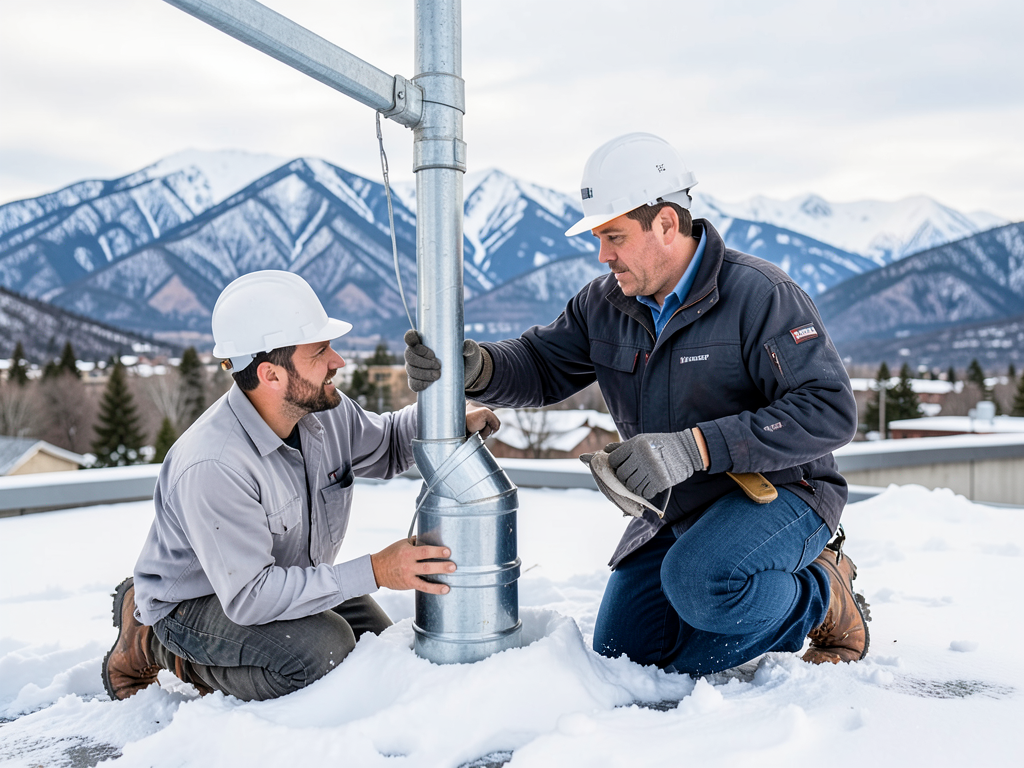







The mile-high elevation creates diagnostic challenges that don't exist in most other cities. Refrigerant behaves differently at lower atmospheric pressure, which affects subcooling and superheat calculations used to verify proper charge. Compressors work harder to move refrigerant through the system, leading to different amperage draws and heat signatures than the same unit would show at sea level. Denver's intense UV radiation degrades wire insulation and capacitor housings faster than coastal climates, causing electrical failures that technicians unfamiliar with local conditions might overlook. Temperature swings from morning to afternoon force systems to cycle more frequently, accelerating wear on contactors and putting extra stress on compressor start components. Accurate HVAC system diagnostics here require local experience, not just textbook knowledge.
Fortress HVAC Denver has been troubleshooting AC issues across the metro area for years. Our technicians understand how older neighborhoods like Capitol Hill and Highland have aging electrical infrastructure that affects system performance. We know that homes in newer developments like Green Valley Ranch often have ductwork issues from rushed construction during building booms. We're familiar with the permitting requirements in Denver, Lakewood, Arvada, and Aurora, ensuring all work meets local code. This community knowledge means faster, more accurate diagnostics because we've seen how Denver's unique conditions affect air conditioning systems in every type of home and building across the metro.