




Menu

Iced Up Evaporator Coil in Denver – Expert Diagnosis and Permanent Solutions

When your air conditioner coil freezes up, we identify the root cause fast and fix it right the first time, restoring cold air and preventing repeat icing across the Denver metro.

Slider Image 1
Slider Image 2
Slider Image 3
Slider Image 4
Slider Image 5
Slider Image 7
Slider Image 8
Slider Image 9
Slider Image 10
Slider Image 11

Why Your AC Evaporator Keeps Icing Over in Denver

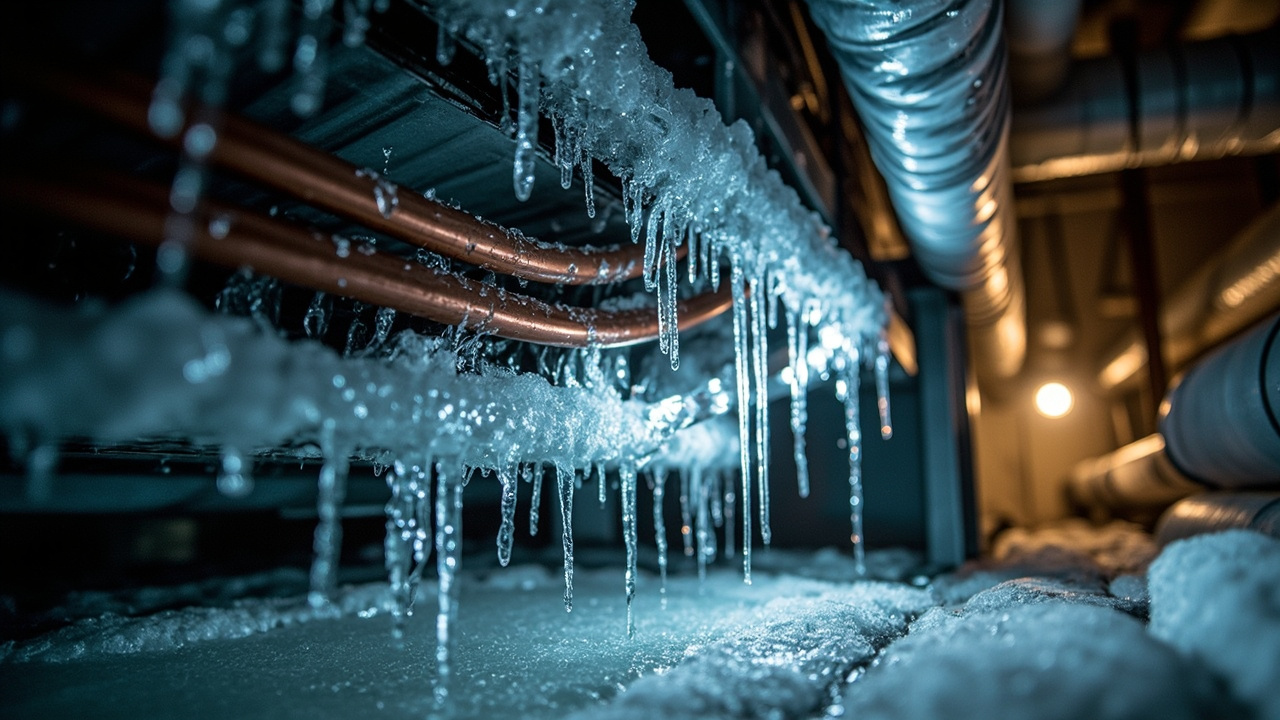
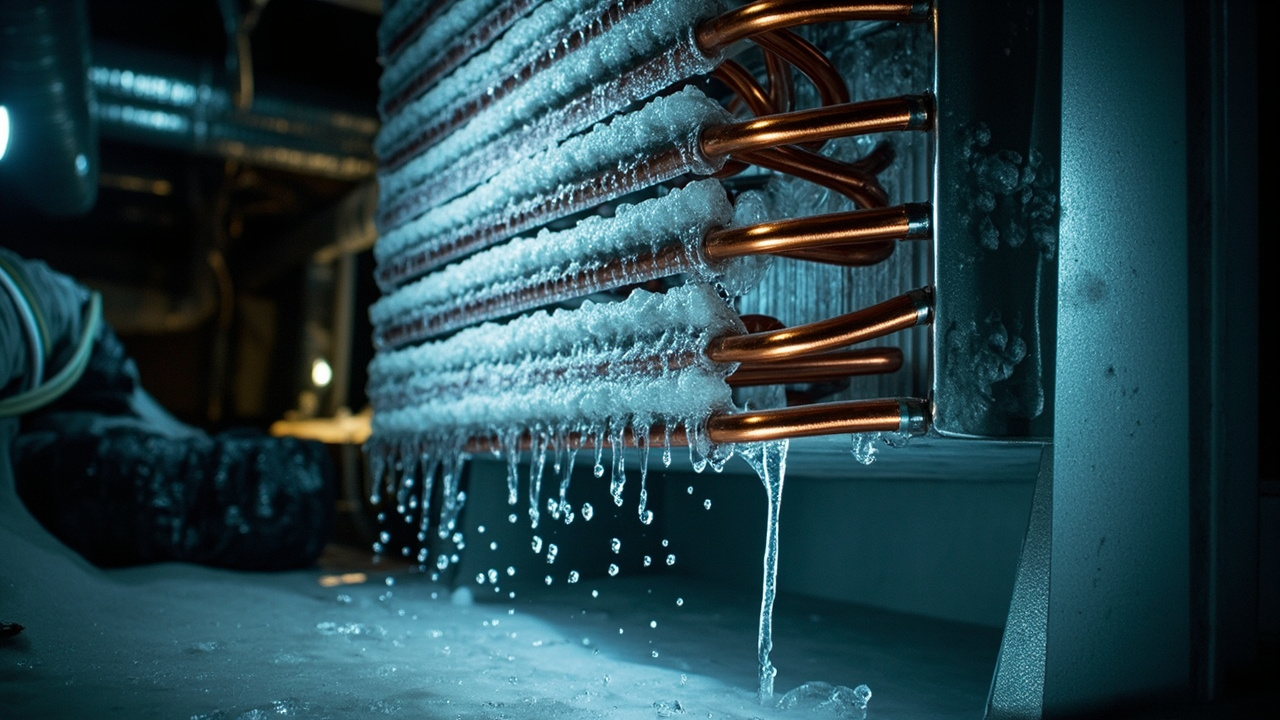
You walk past your indoor unit and notice ice forming on the copper lines. You might see frost building on the evaporator coil itself, or water pooling beneath the air handler. The system runs, but your house stays warm. This is a frozen ac evaporator coil, and it shuts down cooling completely.

Denver's high altitude creates lower air pressure, which affects refrigerant behavior inside your system. Combined with our dry climate and temperature swings between day and night, your AC works harder than systems at sea level. When airflow drops or refrigerant charge falls even slightly out of spec, the evaporator coil temperature plummets below freezing. Moisture in the air condenses and freezes instantly on the coil surface.

A frozen cooling coil is never normal. It signals an underlying problem that will not fix itself. Common causes include clogged air filters, dirty evaporator fins, low refrigerant from a leak, failed blower motors, collapsed ductwork, or closed supply vents restricting airflow. Each scenario requires a different fix.

Ignoring an ac evaporator iced over leads to compressor failure. The compressor tries to pump refrigerant through a blocked coil, overheats, and burns out. That turns a simple repair into a complete system replacement. The ice on evaporator coil you see today is a warning, not a minor inconvenience. Address it now before the damage spreads.

Why Your AC Evaporator Keeps Icing Over in Denver
How We Diagnose and Repair Air Conditioner Coil Freezing Up

How We Diagnose and Repair Air Conditioner Coil Freezing Up

We do not guess. A frozen evaporator coil has multiple potential causes, and applying the wrong fix wastes your time and money. We start with a complete system diagnostic, not a visual inspection.

First, we measure superheat and subcooling at the evaporator and condenser. These refrigerant temperatures tell us if the charge is correct, if there is a restriction in the liquid line, or if the metering device is failing. We check static pressure across the coil to confirm airflow meets manufacturer specifications. Low airflow is the most common cause of ice formation, and we verify CFM with a manometer, not a guess.

We inspect the blower motor capacitor, check amp draw on the motor itself, and verify the fan speed matches the system design. A weak capacitor drops motor speed by 20 percent, cutting airflow enough to freeze the coil. We pull the evaporator coil and clean both sides of the fins if dirt or biological growth blocks air passage.

If refrigerant is low, we do not just top it off. We find the leak using electronic detectors and nitrogen pressure testing, repair it, pull a vacuum to remove moisture, and recharge to the exact factory specification. Denver's altitude requires refrigerant adjustments compared to sea level, and we account for elevation in every charge.

We also inspect the ductwork for leaks, restrictions, or undersized return air pathways. A return plenum that is too small starves the evaporator of air, dropping coil temperature below freezing. We measure, document, and fix the root cause so the problem does not return next week.

What Happens When You Call About a Frozen Coil

Iced Up Evaporator Coil in Denver – Expert Diagnosis and Permanent Solutions
01

System Shutdown and Thaw

We shut off the system and switch the fan to continuous run, allowing warm air to circulate and melt the ice safely. Rushing this step damages the coil fins. We monitor the thaw process and check the drain pan for proper drainage. If the condensate line is clogged, we clear it before proceeding to prevent water damage inside your home.
02

Diagnostic Testing and Measurement

Once the coil is thawed, we run a full performance test. We measure refrigerant pressures, check electrical components, test airflow with calibrated instruments, and inspect the entire refrigerant circuit for leaks or restrictions. We document baseline readings and compare them to manufacturer specifications adjusted for Denver's 5,280-foot elevation, which affects refrigerant performance and system efficiency.
03

Repair and Verification

After identifying the cause, we complete the repair and retest the system under load. We verify the evaporator coil maintains proper temperature, airflow meets design specs, and refrigerant charge is exact. We run the system through a full cooling cycle, monitor coil temperature, and confirm no ice formation. You get documentation of all readings and a clear explanation of what failed and why.

Why Denver Homeowners Trust Fortress HVAC for Frozen Coil Repairs

Denver's altitude changes how HVAC systems operate. Refrigerant behaves differently at 5,280 feet than at sea level. Evaporator coils reach lower temperatures faster when air pressure drops. A technician trained in Houston or Phoenix will miss these adjustments, leading to improper refrigerant charge and repeat freeze-ups.

We have diagnosed and repaired frozen evaporator coils across Denver's neighborhoods, from older homes in Capitol Hill with undersized ductwork to newer builds in Stapleton with incorrectly commissioned systems. We know the common failures in Bryant systems popular in Park Hill, the airflow issues in Lennox units common in Highlands Ranch, and the refrigerant leak points in Carrier systems installed throughout Lakewood.

Denver's dry air accelerates dust buildup on evaporator coils. Homes near construction zones in RiNo or along the I-25 corridor accumulate particulate faster, clogging coils in half the time compared to rural areas. We account for these environmental factors in our maintenance recommendations.

We also understand Denver's building codes and permitting requirements when repairs involve refrigerant handling or electrical work. We pull permits when required, follow EPA Section 608 regulations for refrigerant recovery, and document all work for warranty and insurance purposes.

Frozen coils damage compressors, flood air handlers, and create mold growth in ductwork when condensation cannot drain properly. We prevent these secondary failures by fixing the root cause, not just thawing the ice and hoping it does not return. You get a permanent solution, not a temporary patch.

What to Expect When We Fix Your Frozen Evaporator Coil

Same-Day Availability for Frozen Coils

A frozen evaporator coil shuts down your cooling completely, and Denver summers hit 95 degrees regularly. We prioritize frozen coil calls and dispatch a technician the same day you contact us in most cases. Our trucks carry diagnostic equipment, refrigerant, capacitors, and common repair parts so we can complete most fixes in a single visit. You do not wait three days in the heat while your system sits frozen and inoperable.

Complete System Diagnostic, Not Guesswork

We use calibrated gauges, airflow measurement tools, and leak detection equipment to identify the exact cause of your frozen coil. You receive a written diagnostic report with refrigerant pressures, temperature readings, airflow measurements, and electrical test results. We explain what failed, why it failed, and what happens if you delay the repair. No upselling, no scare tactics, just facts and options.

Repairs That Solve the Problem Permanently

We fix the root cause, whether that is a refrigerant leak, failed blower motor, clogged coil, or undersized return air duct. After the repair, we test the system under full load and verify the evaporator maintains proper temperature without ice formation. You get before and after readings showing the system operates within manufacturer specifications. The problem does not come back next week because we addressed the underlying failure, not just the symptom.

Follow-Up and Maintenance Guidance

After a frozen coil repair, we provide specific maintenance guidance based on what caused the freeze. If low airflow was the issue, we explain filter change intervals for your home and duct configuration. If refrigerant leaked, we document the repair location and monitor for future leaks during tune-ups. We offer maintenance plans that include coil cleaning, refrigerant level checks, and airflow verification to prevent repeat freeze-ups during Denver's cooling season.

Frequently Asked Questions

You Have Questions,
We Have Answers

What causes ice on an evaporator coil? +

Ice forms on your evaporator coil when airflow drops or refrigerant pressure falls below normal. A clogged air filter is the most common cause. Dirty coils block airflow. A failing blower motor cannot push enough air across the coil. In Denver's dry climate, dust accumulates fast and chokes your system. Low refrigerant from a leak causes the coil temperature to plummet. Thermostat issues can force the system to run nonstop. Closed supply vents in unused rooms restrict airflow. Each problem stops the coil from absorbing heat, which causes moisture to freeze instead of evaporate.

What is the best way to thaw out an iced up evaporator coil? +

Turn off your system at the thermostat. Switch the fan to ON to circulate air without cooling. This pushes warm air over the coil and melts ice faster. Open your air handler panel and remove any wet filters. Place towels under the unit to catch melt water. Let the ice thaw for two to four hours. Never scrape ice off the coil. You will bend the fins and cause permanent damage. Once thawed, check your filter. If ice returns after you restart, you have a refrigerant leak or airflow problem that needs professional repair.

Will low refrigerant cause an evaporator to ice up? +

Yes. Low refrigerant drops the pressure inside the evaporator coil. This causes the refrigerant temperature to fall below freezing. The coil gets so cold that moisture in your air freezes on contact. Refrigerant does not get used up. If levels drop, you have a leak somewhere in the system. In Denver, freeze-thaw cycles can crack line sets or loosen fittings over time. A technician must find the leak, repair it, and recharge the system to the correct pressure. Simply adding refrigerant without fixing the leak wastes money and damages your compressor.

How to melt ice on an evaporator coil? +

Turn off the AC at the thermostat. Switch the fan setting to ON. This circulates warm indoor air over the coil without running the compressor. The ice will melt in two to four hours. Place towels or a drip pan under the air handler to catch water. Check your air filter and replace it if dirty. Do not use a heat gun, hair dryer, or scraper. You will damage the coil fins or refrigerant lines. If ice returns after you restart the system, call a technician. Repeat icing signals a refrigerant leak or blocked airflow that requires professional repair.

How Denver's Altitude and Dry Air Cause Unique Evaporator Coil Freezing Issues

Denver sits at 5,280 feet elevation, where atmospheric pressure is 17 percent lower than sea level. This affects refrigerant boiling points and evaporator coil temperatures. A system charged correctly in Kansas City will be overcharged in Denver, raising pressures and causing coil icing. Our dry climate also accelerates dust accumulation on evaporator fins. Homes near construction in Five Points or along dirt roads in Commerce City see coil fouling in months, not years. Combined with temperature swings from 90 degrees during the day to 55 degrees at night, Denver AC systems cycle more frequently, increasing wear on components that regulate refrigerant flow and airflow.

Fortress HVAC Denver specializes in high-altitude HVAC service. We adjust refrigerant charges for Denver's elevation, account for lower air density in airflow calculations, and recognize how our climate accelerates component wear. We serve neighborhoods from Wash Park to Thornton, understanding the differences between older brick homes with limited return air pathways and newer subdivisions with engineered duct systems. Local knowledge prevents misdiagnosis and ensures repairs match Denver's unique environment, not generic textbook solutions that fail at altitude.

HVAC Services in The Denver Area

Fortress HVAC is proud to serve the Denver area and surrounding communities. We invite you to view our location on the map, which highlights our service area. While we often come directly to you for services, knowing our central base can help you understand our reach. Feel free to contact us with any questions about our service coverage or to schedule an appointment directly.

Address:
Fortress HVAC Denver, 6035 E 38th Ave, Denver, CO, 80207

Additional Services We Offer

Our news updates

Latest Articles & News from The Blogs

Why Your Gas Fireplace Should Not Be Your Only Heat Source in Golden\n\nGolden homeowners often rely on gas fireplaces for…

Why Your Gas Fireplace Should Not Be Your Only Heat Source in Golden

Why Your Gas Fireplace Should Not Be Your Only Heat Source in Golden\n\nGolden homeowners often rely on gas fireplaces for…

Why Your Furnace Venting Needs Special Attention in High Altitude Morrison

Why Your Furnace Venting Needs Special Attention in High Altitude Morrison Living at 5,800 feet in Morrison means your furnace…

How to Integrate Your HVAC with Matter and Apple Home in Central Park

How to Integrate Your HVAC with Matter and Apple Home in Central Park Central Park residents who want their HVAC…

Contact Us

A frozen evaporator coil will not thaw and fix itself. Call Fortress HVAC Denver now at (720) 502-9511 for same-day diagnostics and permanent repairs. We identify the root cause and restore cold air fast.