




Commerce City sits at 5,130 feet elevation where thin air forces HVAC systems to work harder than equipment at sea level. Your compressor pushes against lower atmospheric pressure. Your furnace compensates for reduced oxygen during combustion. Both systems age faster here than in lower elevations.
The Front Range climate swings 40 to 50 degrees between day and night during spring and fall. Your system switches from heating to cooling multiple times in a single day near Derby and Highway 2. This constant cycling wears out contactors, capacitors, and thermostats faster than in stable climates.
Commerce City experiences intense UV exposure at altitude, degrading outdoor unit components. Condenser coils near Rocky Mountain Arsenal corrode from agricultural dust and mineral-heavy groundwater. Winter temperatures drop below zero, freezing condensate lines and cracking heat exchangers in aging furnaces.
Local homes built during the 1970s oil crisis have undersized ductwork that restricts airflow. Newer construction near the National Western Complex uses high-efficiency systems that require precise maintenance. Every neighborhood from Irondale to Reunion presents different HVAC demands based on home age, insulation quality, and original installation standards.
We built our reputation responding to middle-of-the-night furnace failures in Commerce City since 2015. While other companies schedule you three days out, we dispatch technicians within two hours for true emergencies. Our trucks carry 47 of the most common failure parts for Carrier, Trane, Lennox, and Rheem systems. We complete 78% of repairs during the first visit because we stock what breaks most often.
Every technician carries EPA Section 608 certification and completes 40 hours of annual training on new equipment. We do not send apprentices to emergency calls. You get a experienced diagnostician who has seen your exact problem before, whether it is a failed inducer motor on a Goodman furnace or a seized compressor on a York AC unit.
We explain what broke, why it failed, and what you can expect going forward. No upselling. No scare tactics about "dangerous" systems that just need a $40 part. We show you the failed component, explain the repair in plain language, and give you an exact price before we start work. If the system is beyond economical repair, we tell you that too.
Our response time matters most when your family is uncomfortable. We answer calls 24/7, including holidays. A real person answers the phone, not a voicemail system. We give you a two-hour arrival window and text you when the technician is 20 minutes away. Commerce City residents do not wait and wonder when help will arrive.

We dispatch to Commerce City emergencies within two hours, arriving with diagnostic equipment and common parts already on the truck. Most repairs finish the same day because we stock what fails most often. No waiting days for parts to arrive while you suffer through temperature extremes.

Every technician carries EPA Section 608 certification and manufacturer-specific training on major brands. We send experienced diagnosticians to your home, not apprentices learning on your equipment. You get accurate diagnosis the first time, preventing repeat visits and wasted money on wrong parts.
We quote exact repair costs before starting work. No surprise charges. No diagnostic fees rolled into inflated labor rates. You approve the price, then we fix the problem. We explain what broke, show you the failed part, and tell you how to prevent the same failure.
We understand how altitude, temperature swings, and local construction methods affect HVAC performance in Commerce City. We have repaired systems in every neighborhood from older Irondale homes to new Reunion construction. Local knowledge prevents misdiagnosis and unnecessary part replacement.
Fortress HVAC Denver handles everything from midnight furnace failures to planned system replacements. We repair all major brands including Carrier, Trane, Lennox, Rheem, Goodman, York, American Standard, and Bryant. Our service range covers emergency breakdowns, scheduled maintenance, air quality improvements, and full system installations.
Commerce City homes need different service approaches based on urgency. A broken AC during July heat constitutes a true emergency requiring immediate dispatch. A noisy blower motor during mild weather allows scheduled repair during business hours at lower rates. Planned maintenance prevents both scenarios by catching problems before they cause complete failure.
We categorize services by urgency level and system type. Emergency repairs get priority dispatch with premium pricing for after-hours response. Scheduled repairs happen during business hours at standard rates. Maintenance plans provide routine service twice yearly, preventing 80% of emergency failures. New installations follow a consultation process that matches equipment to your home's specific heating and cooling load.
Understanding these categories helps you make smart decisions about when to call and what to expect. A refrigerant leak needs immediate attention before it damages the compressor. A thermostat that occasionally loses calibration can wait for a scheduled appointment. We help you determine which category your problem falls into.
Complete system failures demand immediate response. We dispatch to no heat calls in winter and no cooling emergencies in summer within two hours. Our trucks carry replacement parts for the most common failures including capacitors, contactors, blower motors, inducer assemblies, and control boards. We diagnose the root cause, not just the symptom, preventing repeat failures. Most emergency repairs finish the same visit because we stock what breaks most often in Commerce City systems.
Scheduled maintenance prevents 80% of emergency breakdowns. We inspect, clean, and adjust your system twice yearly before heating and cooling seasons begin. Our 23-point inspection catches failing parts before they strand you in extreme temperatures. We measure refrigerant charge, test capacitor strength, inspect heat exchangers for cracks, clean condenser coils, and verify proper airflow. Maintenance customers get priority scheduling and discounted repair rates when problems do occur.
Systems beyond economical repair need replacement, not endless repairs. We perform load calculations based on your home's square footage, insulation, window area, and orientation. Proper sizing prevents short cycling and ensures even temperatures throughout your home. We install Carrier, Trane, and Lennox equipment with manufacturer warranties up to 10 years. Installation includes new thermostat, condensate pump if needed, and ductwork modifications to match new equipment specifications.
Commerce City's unique climate creates predictable HVAC failures. Extreme temperature swings force systems to cycle constantly between heating and cooling during shoulder seasons. Altitude reduces air density, making heat transfer less efficient and forcing compressors to work harder. Mineral-heavy groundwater corrodes heat exchangers and evaporator coils faster than in areas with softer water.
Homes near industrial areas east of I-76 accumulate dust and particulate matter that clogs filters and coats indoor coils. The constant wind off the plains drives debris into outdoor units, blocking airflow and reducing efficiency. Winter freeze-thaw cycles crack condensate lines and damage outdoor disconnect boxes.
Older neighborhoods like Irondale have undersized ductwork from 1970s construction standards. Modern high-efficiency equipment cannot move enough air through restricted ducts, causing frozen evaporator coils in summer. Newer construction near Reunion uses complex zoning systems that fail when zone dampers stick or control boards malfunction. Understanding these patterns helps us diagnose problems faster and recommend permanent solutions instead of temporary fixes.
Restricted airflow from clogged filters or undersized ductwork causes indoor coils to freeze solid. The system runs constantly but produces no cooling. Ice buildup damages the coil and floods your home when it melts. We identify whether the cause is dirty filters, failed blower motors, closed vents, or ductwork too small for the equipment.
Furnaces older than 15 years develop cracks in heat exchangers from repeated heating and cooling cycles. Cracks allow combustion gases to mix with home air, creating carbon monoxide risk. We inspect heat exchangers with cameras during maintenance calls, catching cracks before they become dangerous. Cracked exchangers require furnace replacement, not repair.
Capacitors store electrical charge that starts compressors and blower motors. They fail predictably after five to seven years, preventing the system from starting. Contactors act as electrical switches that engage the compressor. Both parts fail from constant cycling during temperature swings. We stock multiple sizes on every truck for immediate replacement.
Vibration and corrosion cause refrigerant leaks at coil joints and service valves. Low refrigerant reduces cooling capacity and damages the compressor through improper lubrication. We locate leaks with electronic detectors, repair the leak point, then recharge to manufacturer specifications. Simply adding refrigerant without fixing the leak wastes money and harms the environment.
We designed our service process around what you need during an HVAC emergency. You need fast response, accurate diagnosis, and honest pricing. You do not need sales pitches about equipment you do not need or scare tactics about dangers that do not exist.
When you call, a real person answers and asks specific questions about your problem. We determine if you need emergency dispatch or can schedule a standard appointment. Emergency calls get a technician within two hours. Scheduled calls happen at your convenience during business hours.
The technician arrives in a marked truck with your name and appointment time confirmed by text. They inspect your system, test components, and identify the root cause. You get a clear explanation of what failed, why it failed, and what it costs to fix. You approve the price before work starts. Most repairs finish within two hours because we stock common parts. You get a written invoice showing exactly what was replaced and warranty information for parts and labor.
We answer calls 24/7 with a real person, not voicemail. You describe the problem and we determine urgency level. Emergency calls get dispatch within two hours. Scheduled calls happen when convenient for you. We text you when the technician is 20 minutes away so you do not waste time waiting. We show up when we say we will.
Our technicians test components systematically to identify the actual failure, not just the symptom. We use multimeters to test capacitors, manometers to measure gas pressure, and thermometers to verify temperature split. We show you the failed part and explain what it does. You understand exactly what broke before we quote a repair price.
You approve the exact repair cost before we start work. No hidden fees. No surprise charges for "additional problems" discovered mid-repair. The price includes parts, labor, and warranty. Most repairs finish the same visit. You get a written invoice with warranty details for the part and our labor. The system works properly when we leave.
HVAC repair should not be complicated or mysterious. We follow a systematic process that gets your system working fast without confusion about what is happening or what it costs.
The technician inspects your system and tests components to identify the failed part. We check capacitors, contactors, motors, refrigerant charge, gas pressure, and electrical connections. We use diagnostic equipment, not guesswork. You watch the testing process and see the failed component. We explain what broke, why it failed, and how it affects your system.
We quote the exact repair cost including parts and labor before touching your system. You see the price, ask questions, and approve the work. No surprises. No pressure. If you decline the repair, you pay only the diagnostic fee. If you approve, we credit the diagnostic fee toward the repair and start work immediately.
We replace the failed component and test the entire system to verify proper operation. We measure temperatures, check airflow, and confirm the system cycles correctly. You get a written invoice with warranty information for the part and our labor. We explain what to watch for and when to schedule the next maintenance visit.
Commerce City enforces the 2021 International Mechanical Code with Colorado amendments for all HVAC installations and replacements. Any equipment replacement requires a permit from the city building department and inspection before final approval. Contractors must verify proper combustion air supply, condensate drainage, electrical disconnects, and emergency shutoffs before inspectors will sign off.
Colorado requires AFUE ratings of 80% minimum for new furnace installations, though most modern equipment exceeds 90% efficiency. Air conditioning systems must meet SEER2 ratings of 14.3 or higher as of 2023 federal standards. Higher elevation reduces equipment efficiency ratings by approximately 3% compared to sea level performance, so a SEER2 16 unit performs closer to SEER2 15.5 at Commerce City's 5,130-foot elevation.
Refrigerant handling follows EPA Section 608 regulations requiring certified technicians to recover, recycle, and properly document all refrigerant transfers. R-22 refrigerant is no longer produced domestically, making repairs on systems older than 2010 expensive when leaks occur. Most technicians recommend system replacement rather than recharging R-22 systems with refrigerant now costing over $100 per pound.
Gas furnace installations must meet Colorado combustion air requirements based on altitude and available makeup air. Sealed combustion furnaces with dedicated PVC intake pipes are required in homes with tight construction or negative pressure issues. Heat exchangers must be inspected annually for cracks using cameras or pressure testing, particularly in furnaces over 12 years old. Carbon monoxide detectors are required within 15 feet of all bedrooms per Colorado law.
Ductwork modifications must maintain minimum velocity of 400 feet per minute in supply ducts and proper return air pathways. Undersized ducts cause reduced airflow, frozen coils, and premature equipment failure. Manual J load calculations are required for new installations to prevent oversized equipment that short cycles and undersized systems that run continuously without reaching setpoint.
Commerce City requires building permits for all HVAC equipment replacements and ductwork modifications over 10 feet. Inspectors verify proper electrical disconnects, gas shutoffs, condensate drainage, and combustion air supply. Work completed without permits may require expensive corrections and can affect home sale inspections. Legitimate contractors always pull permits.
Proper equipment sizing requires Manual J load calculations based on home square footage, insulation, window area, and orientation. Oversized equipment short cycles, causing uneven temperatures and high humidity. Undersized systems run constantly without reaching setpoint. Altitude reduces rated efficiency by three percent, requiring adjustment to manufacturer specifications for proper performance.
EPA Section 608 certification is required for all refrigerant handling. R-22 refrigerant is no longer produced domestically, making repairs on older systems expensive. R-410A is the current standard refrigerant but is being phased out by 2025 in favor of R-454B and other low-global-warming-potential alternatives. Systems requiring frequent refrigerant recharges should be replaced.
Colorado requires adequate combustion air for gas furnaces based on altitude and home construction. Sealed combustion furnaces are mandatory in tight homes to prevent backdrafting. Heat exchangers must be inspected annually for cracks that allow combustion gases into living spaces. Carbon monoxide detectors are required within 15 feet of bedrooms per state law.
Educational video explaining HVAC repair services in Commerce City, Colorado. Covers common system failures including frozen evaporator coils, cracked heat exchangers, and refrigerant leaks. Details emergency repair process, diagnostic procedures, and what homeowners should expect during service calls. Explains how altitude and climate affect AC and furnace performance in Commerce City. Provides guidance on choosing qualified HVAC contractors and understanding repair versus replacement decisions.
Fortress HVAC Denver serves every neighborhood in Commerce City from established areas near Derby to newer developments around the National Western Complex. We respond to calls throughout the greater Commerce City metro including Irondale, Reunion, and neighborhoods along both sides of Highway 2.
Our technicians know the construction differences between older Irondale homes built in the 1970s with undersized ductwork and modern Reunion developments with complex zoning systems. Homes near the Rocky Mountain Arsenal face unique challenges from mineral-heavy groundwater that corrodes heat exchangers faster than in other areas. Properties along the South Platte River corridor deal with higher humidity levels affecting system performance and indoor air quality.
The Derby area features a mix of ranch-style homes and split-levels from the 1960s and 1970s, most with original furnaces and air conditioners past their useful life. We have replaced hundreds of systems in this neighborhood, always sizing equipment properly for these smaller footprint homes. The historic district near 60th Avenue includes homes with unusual duct configurations requiring creative solutions for modern equipment installations.
Newer construction around Highway 2 and Reunion uses high-efficiency equipment that demands precise maintenance. These homes often include heat pumps for heating and cooling, requiring different diagnostic approaches than traditional split systems. We train specifically on heat pump technology including defrost cycles, reversing valves, and backup heat operation.
We also serve Adams County areas adjacent to Commerce City including Henderson and portions of Thornton near the E-470 corridor. Our response time stays consistent whether you live in central Commerce City or the edges near Brighton. Distance from our location does not affect our two-hour emergency response commitment.
Properties near the National Western Complex and industrial areas east of I-76 accumulate more dust and airborne particulates requiring more frequent filter changes and coil cleaning. We adjust maintenance recommendations based on your specific location and environmental factors. Commerce City residents near agricultural areas need different filter types than homes in residential-only neighborhoods.
The $5000 rule is a simple repair-versus-replace guideline. Multiply the cost of the repair by your system's age in years. If the total exceeds $5000, replace the unit instead of repairing it. For example, a $400 repair on a 10-year-old system equals $4000, so repair makes sense. A $600 repair on a 12-year-old system equals $7200, so replacement is smarter. Commerce City's temperature extremes put extra strain on aging equipment, making this rule especially useful for local homeowners deciding whether to invest in repairs or upgrade to a more efficient system.
A new HVAC system typically ranges from budget-friendly to premium, depending on size, efficiency rating, and installation complexity. Most Commerce City homes need 2.5 to 4-ton units to handle our hot summers and cold winters. Variables include ductwork condition, existing infrastructure, and equipment brand. Higher SEER-rated systems cost more upfront but reduce monthly utility bills. Two-stage and variable-speed models provide better temperature control and humidity management, which matters in our semi-arid climate. Get multiple quotes from local contractors who understand Commerce City's specific building codes and climate demands.
HVAC installers in Commerce City typically charge per project rather than hourly, but service calls and diagnostic work often run hourly rates. Complexity matters. A straightforward filter change costs less than refrigerant leak detection or ductwork modification. Experienced technicians who understand our local clay soil settling issues and freeze-thaw cycles bring more value than low-cost alternatives. Emergency after-hours service costs more but prevents system failure during extreme weather. Always verify the technician is licensed and insured. Ask for flat-rate pricing on installations to avoid surprise charges.
The $5000 rule is a simple repair-versus-replace guideline. Multiply the cost of the repair by your system's age in years. If the total exceeds $5000, replace the unit instead of repairing it. For example, a $400 repair on a 10-year-old system equals $4000, so repair makes sense. A $600 repair on a 12-year-old system equals $7200, so replacement is smarter. Commerce City's temperature extremes put extra strain on aging equipment, making this rule especially useful for local homeowners deciding whether to invest in repairs or upgrade to a more efficient system.
A new HVAC system typically ranges from budget-friendly to premium, depending on size, efficiency rating, and installation complexity. Most Commerce City homes need 2.5 to 4-ton units to handle our hot summers and cold winters. Variables include ductwork condition, existing infrastructure, and equipment brand. Higher SEER-rated systems cost more upfront but reduce monthly utility bills. Two-stage and variable-speed models provide better temperature control and humidity management, which matters in our semi-arid climate. Get multiple quotes from local contractors who understand Commerce City's specific building codes and climate demands.
HVAC installers in Commerce City typically charge per project rather than hourly, but service calls and diagnostic work often run hourly rates. Complexity matters. A straightforward filter change costs less than refrigerant leak detection or ductwork modification. Experienced technicians who understand our local clay soil settling issues and freeze-thaw cycles bring more value than low-cost alternatives. Emergency after-hours service costs more but prevents system failure during extreme weather. Always verify the technician is licensed and insured. Ask for flat-rate pricing on installations to avoid surprise charges.
The most common HVAC problems in Commerce City include refrigerant leaks, dirty air filters, thermostat malfunctions, drainage clogs, and worn capacitors. Our temperature swings stress compressors and fan motors. Dust from nearby agricultural areas clogs filters faster than in other regions. Frozen evaporator coils happen when airflow drops or refrigerant runs low. Ignition problems plague furnaces during cold snaps. Many issues stem from deferred maintenance. Changing filters monthly during high-use seasons and scheduling annual tune-ups prevents most breakdowns. Unusual noises, weak airflow, and inconsistent temperatures signal trouble.
A 4000-square-foot home in Commerce City typically needs a 4 to 5-ton HVAC system, depending on insulation quality, ceiling height, window efficiency, and sun exposure. Total project costs include equipment, labor, ductwork modifications, permits, and disposal of old equipment. Zoned systems with multiple thermostats add expense but improve comfort and efficiency in larger homes. Two-stage or variable-speed systems handle our temperature swings better than single-stage units. Factor in electrical upgrades if your panel cannot support modern high-efficiency equipment. Get detailed quotes from contractors familiar with Commerce City building requirements.
The 3-minute rule prevents compressor damage by stopping short cycling. After your air conditioner shuts off, wait at least 3 minutes before restarting it. This delay allows refrigerant pressure to equalize throughout the system. Restarting too quickly forces the compressor to start against high pressure, which strains the motor and shortens its lifespan. Commerce City's hot summer days tempt homeowners to restart systems immediately when temperatures spike, but patience protects your investment. Modern thermostats prevent short cycling automatically. If your system cycles on and off rapidly, call a technician to diagnose the problem.
Installing central air conditioning in a 2000-square-foot Commerce City home varies based on existing ductwork, insulation quality, and equipment selection. Homes with existing forced-air heating ducts cost less because the distribution system is already in place. You will need a 2.5 to 3.5-ton unit for adequate cooling during our 90-plus-degree summers. Higher SEER ratings mean better efficiency and lower monthly bills. Adding AC to a home without ducts requires ductless mini-splits or new ductwork installation, which increases total project cost. Get quotes from local contractors who understand Commerce City's climate demands.
HVAC systems in Commerce City typically last 12 to 15 years with proper maintenance. Our temperature extremes and semi-arid climate with occasional dust storms stress equipment more than moderate climates. Furnaces often outlast air conditioners because they run fewer months per year. High-efficiency systems with variable-speed technology may have shorter lifespans due to complex electronics, but they save money on utilities. Annual maintenance, clean filters, and prompt repairs extend equipment life. If your system exceeds 12 years and needs frequent repairs, replacement makes financial sense. Newer systems offer better efficiency and reliability.
The best months to buy an HVAC system in Commerce City are late fall and early spring when contractors face lighter demand. October through November and March through April offer better pricing and faster installation scheduling. Avoid buying during peak summer heat or winter cold when contractors are swamped with emergency calls. Off-season purchases give you time to research options, compare quotes, and schedule installation before extreme weather hits. Some manufacturers offer rebates during slow periods. Plan ahead rather than waiting for system failure. Proactive replacement saves money and prevents discomfort during temperature extremes.
A full HVAC installation in Commerce City takes one to three days for most residential projects. Straightforward replacements where ductwork and electrical infrastructure are adequate take one day. Homes requiring ductwork modifications, electrical panel upgrades, or structural changes need two to three days. Larger homes with zoned systems or complex layouts take longer. Weather delays happen during extreme cold when outdoor work becomes difficult. Permits add timeline requirements. Experienced contractors work efficiently without cutting corners on quality. Ask for a detailed timeline during the estimate process. Proper installation matters more than speed. Rushed work leads to future problems.
The most common HVAC problems in Commerce City include refrigerant leaks, dirty air filters, thermostat malfunctions, drainage clogs, and worn capacitors. Our temperature swings stress compressors and fan motors. Dust from nearby agricultural areas clogs filters faster than in other regions. Frozen evaporator coils happen when airflow drops or refrigerant runs low. Ignition problems plague furnaces during cold snaps. Many issues stem from deferred maintenance. Changing filters monthly during high-use seasons and scheduling annual tune-ups prevents most breakdowns. Unusual noises, weak airflow, and inconsistent temperatures signal trouble.
A 4000-square-foot home in Commerce City typically needs a 4 to 5-ton HVAC system, depending on insulation quality, ceiling height, window efficiency, and sun exposure. Total project costs include equipment, labor, ductwork modifications, permits, and disposal of old equipment. Zoned systems with multiple thermostats add expense but improve comfort and efficiency in larger homes. Two-stage or variable-speed systems handle our temperature swings better than single-stage units. Factor in electrical upgrades if your panel cannot support modern high-efficiency equipment. Get detailed quotes from contractors familiar with Commerce City building requirements.
The 3-minute rule prevents compressor damage by stopping short cycling. After your air conditioner shuts off, wait at least 3 minutes before restarting it. This delay allows refrigerant pressure to equalize throughout the system. Restarting too quickly forces the compressor to start against high pressure, which strains the motor and shortens its lifespan. Commerce City's hot summer days tempt homeowners to restart systems immediately when temperatures spike, but patience protects your investment. Modern thermostats prevent short cycling automatically. If your system cycles on and off rapidly, call a technician to diagnose the problem.
Installing central air conditioning in a 2000-square-foot Commerce City home varies based on existing ductwork, insulation quality, and equipment selection. Homes with existing forced-air heating ducts cost less because the distribution system is already in place. You will need a 2.5 to 3.5-ton unit for adequate cooling during our 90-plus-degree summers. Higher SEER ratings mean better efficiency and lower monthly bills. Adding AC to a home without ducts requires ductless mini-splits or new ductwork installation, which increases total project cost. Get quotes from local contractors who understand Commerce City's climate demands.
HVAC systems in Commerce City typically last 12 to 15 years with proper maintenance. Our temperature extremes and semi-arid climate with occasional dust storms stress equipment more than moderate climates. Furnaces often outlast air conditioners because they run fewer months per year. High-efficiency systems with variable-speed technology may have shorter lifespans due to complex electronics, but they save money on utilities. Annual maintenance, clean filters, and prompt repairs extend equipment life. If your system exceeds 12 years and needs frequent repairs, replacement makes financial sense. Newer systems offer better efficiency and reliability.
The best months to buy an HVAC system in Commerce City are late fall and early spring when contractors face lighter demand. October through November and March through April offer better pricing and faster installation scheduling. Avoid buying during peak summer heat or winter cold when contractors are swamped with emergency calls. Off-season purchases give you time to research options, compare quotes, and schedule installation before extreme weather hits. Some manufacturers offer rebates during slow periods. Plan ahead rather than waiting for system failure. Proactive replacement saves money and prevents discomfort during temperature extremes.
A full HVAC installation in Commerce City takes one to three days for most residential projects. Straightforward replacements where ductwork and electrical infrastructure are adequate take one day. Homes requiring ductwork modifications, electrical panel upgrades, or structural changes need two to three days. Larger homes with zoned systems or complex layouts take longer. Weather delays happen during extreme cold when outdoor work becomes difficult. Permits add timeline requirements. Experienced contractors work efficiently without cutting corners on quality. Ask for a detailed timeline during the estimate process. Proper installation matters more than speed. Rushed work leads to future problems.
Fortress HVAC is proud to serve the Denver area and surrounding communities. We invite you to view our location on the map, which highlights our service area. While we often come directly to you for services, knowing our central base can help you understand our reach. Feel free to contact us with any questions about our service coverage or to schedule an appointment directly.
Address:
Commerce City, CO, 80022
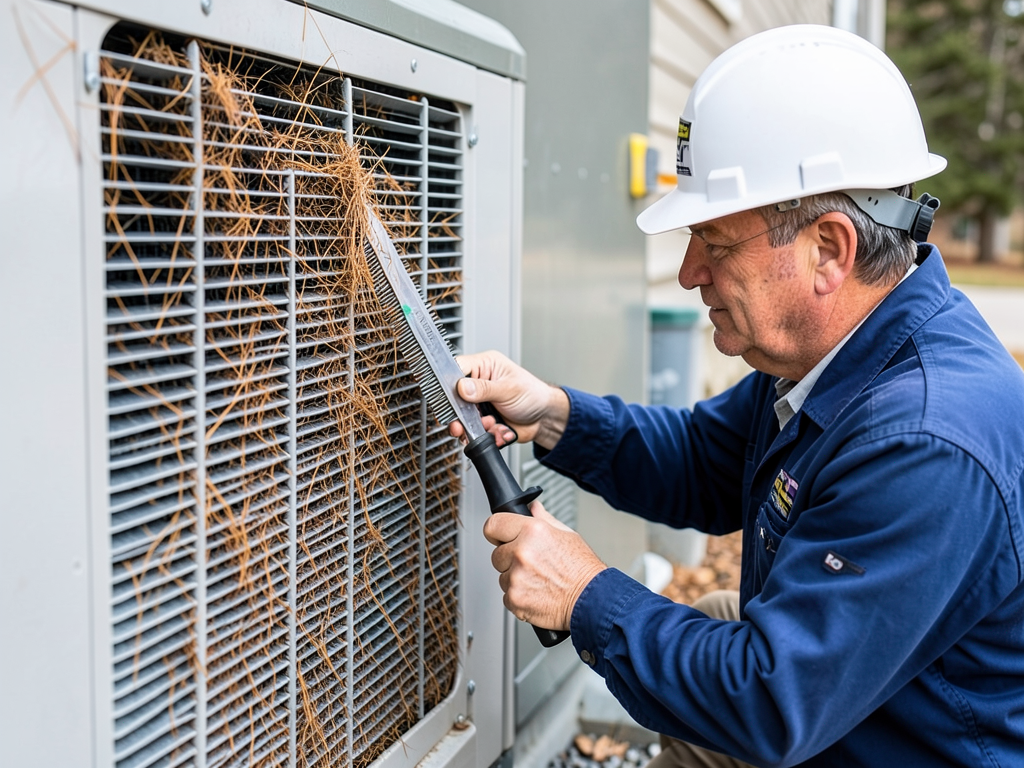
Why Pine Needles are a Unique Threat to Denver AC Units Living in Genesee means dealing with the beautiful but challenging mountain environment. The pine trees that give your property its scenic charm can wreak…

Why Your Gas Fireplace Should Not Be Your Only Heat Source in Golden\n\nGolden homeowners often…
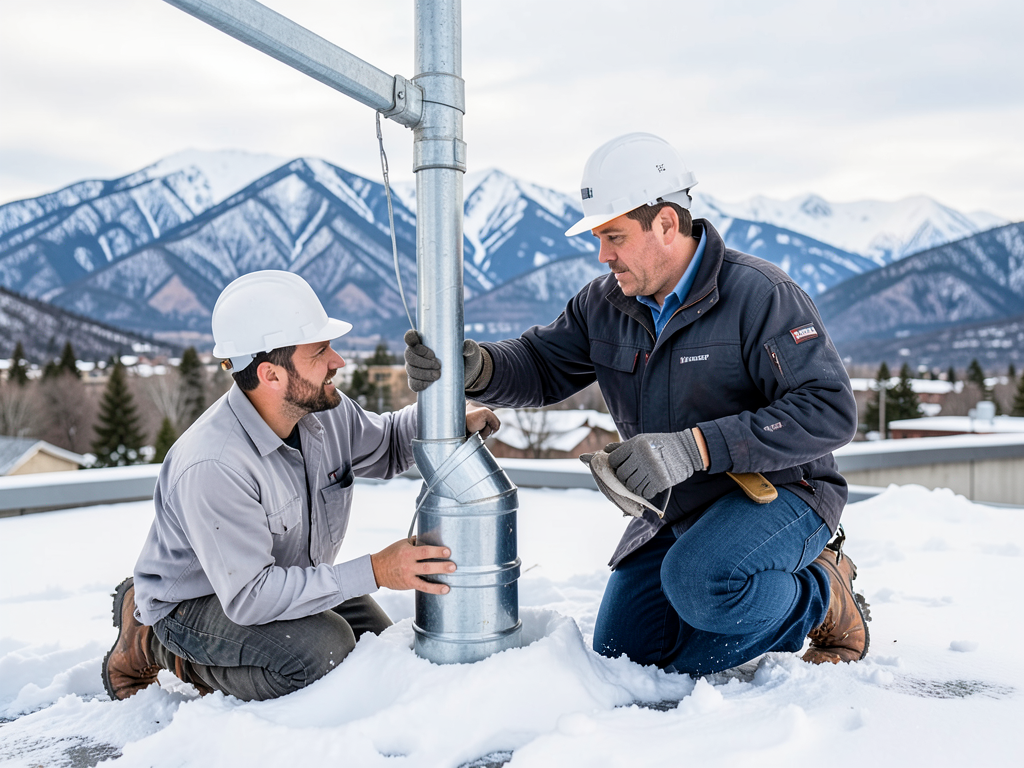
Why Your Furnace Venting Needs Special Attention in High Altitude Morrison Living at 5,800 feet…
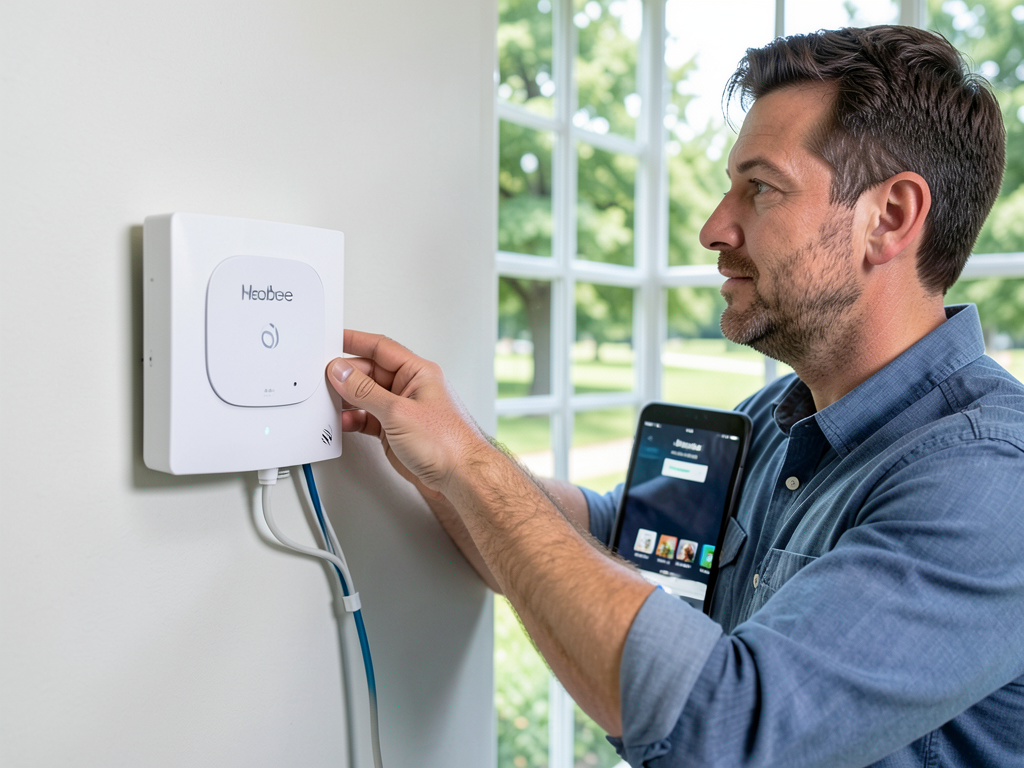
How to Integrate Your HVAC with Matter and Apple Home in Central Park Central Park…
Your system will not fix itself. Call Fortress HVAC Denver at (720) 502-9511 now for emergency repair or scheduled service. We answer 24/7 and dispatch to Commerce City emergencies within two hours. Stop suffering through temperature extremes and get your comfort back today.