





Wheat Ridge sits at 5,400 feet elevation where thin air forces HVAC systems to work harder than equipment at sea level. Your furnace and AC unit move less air per cycle because of reduced atmospheric pressure, creating longer run times and more wear on components. The Front Range climate swings 40-50 degrees in a single day during spring and fall, forcing your system to switch between heating and cooling modes constantly. This thermal stress breaks down parts faster than in stable climates.
Wheat Ridge homes near Clear Creek and Sloan's Lake face higher humidity levels that strain air conditioners and promote mold growth in ductwork. The clay-heavy soil throughout Jefferson County shifts with seasonal moisture changes, cracking concrete slabs and pulling ductwork apart at seams. North-facing homes along West 32nd Avenue get less solar heat in winter, forcing furnaces to run longer cycles. South-facing properties near Applewood Golf Course overheat in summer, overworking AC compressors. Your HVAC system battles conditions most other cities never see.
We have served Wheat Ridge and the greater Denver metro for over a decade, building our reputation one emergency call and scheduled service at a time. Our technicians live in Jefferson County and respond from local dispatch, cutting response times when your system fails. We stock trucks with parts that fit the Lennox, Trane, Carrier, and Rheem systems common in Wheat Ridge neighborhoods, so we fix problems during the first visit instead of ordering parts and coming back days later.
Every technician at Fortress HVAC Denver holds NATE certification and completes ongoing education on high-altitude HVAC performance. We understand how Colorado's elevation affects system sizing, airflow calculations, and combustion efficiency. Our diagnostic approach finds the root cause instead of replacing parts until something works. We test static pressure, measure temperature splits, verify refrigerant charge by superheat and subcooling, and inspect electrical connections under load because band-aid fixes waste your money and leave you stranded again next month.
We give you options, not sales pitches. When a repair costs more than 50% of replacement value, we tell you. When a simple fix solves the problem, we do that instead of upselling a new system. Our flat-rate pricing means you know the cost before work starts, with no surprises when we finish. We guarantee our repairs for a full year because we stand behind our work. Wheat Ridge homeowners call us back because we treat them fairly and show up when we say we will.

We dispatch from Jefferson County with trucks stocked for Wheat Ridge's most common HVAC emergencies. Same-day service available seven days a week, including holidays. When your furnace quits at midnight in January, we answer the phone and send help fast. No waiting until Monday for comfort.

NATE-certified technicians trained specifically in elevation-related HVAC challenges. We size systems correctly for 5,400 feet, adjust airflow for thin atmosphere, and calibrate combustion for safe operation. Generic sea-level training fails in Colorado. We know what works at altitude because we live and work here.
Fully stocked trucks carry parts for Lennox, Trane, Carrier, Rheem, and other systems popular in Wheat Ridge homes. We complete most repairs during the initial service call instead of ordering parts and scheduling return visits. Your comfort restored fast, not days later after multiple appointments.
You receive the total repair cost before we start work, with no hidden fees or surprise charges. We explain what failed, why it failed, and what we recommend. If replacement makes more financial sense than repair, we tell you. Honest guidance focused on your best interest, not our commission.
Fortress HVAC Denver handles every heating and cooling need in Wheat Ridge, from emergency breakdowns to planned system replacements. Our service range covers furnace repair and installation, air conditioning service and replacement, heat pump systems, ductwork repair and modification, thermostat upgrades, indoor air quality improvements, and preventive maintenance programs. We work on all major brands and system types common in Jefferson County homes.
Wheat Ridge properties range from 1950s ranch homes with original ductwork to new construction with high-efficiency equipment. We adapt our approach to each building's age, layout, and existing infrastructure. Whether you need an emergency repair on a Sunday morning, a second opinion on a replacement quote, or a maintenance plan to prevent future breakdowns, we provide the service that matches your situation.
Your furnace quits in the middle of a January freeze. Your AC compressor fails during a July heat wave. Your heat exchanger cracks and fills your home with carbon monoxide. We respond fast with technicians who diagnose accurately and carry the parts to fix it now. Same-day emergency service available every day of the year, including weekends and holidays, because heating and cooling emergencies do not wait for business hours.
We replace failing furnaces and air conditioners with properly sized equipment calculated for Wheat Ridge's elevation, your home's square footage, insulation levels, window area, and sun exposure. Manual J load calculations ensure your new system matches your actual heating and cooling demands. We remove old equipment, install new units to manufacturer specifications, test performance under load, and verify efficiency ratings before we leave.
Annual maintenance catches small problems before they become expensive emergencies. We clean coils, test electrical connections, measure refrigerant charge, inspect heat exchangers for cracks, lubricate motors, check safety controls, and verify combustion efficiency. Regular service extends equipment life, maintains warranty coverage, reduces energy bills, and keeps your family comfortable year-round. Most breakdowns happen because of neglected maintenance.
Wheat Ridge's elevation, climate extremes, and soil conditions create specific HVAC challenges that break systems faster than normal wear patterns. Homes near Clear Creek face humidity that corrodes electrical connections and grows mold in ducts. Properties in older neighborhoods along West 38th Avenue have undersized ductwork from the 1960s that restricts airflow and overworks blowers. North-facing homes never get enough solar gain in winter, forcing furnaces to run continuously during cold snaps.
The clay soil throughout Jefferson County swells when wet and shrinks when dry, cracking concrete slabs and pulling apart duct seams. Leaky ductwork in crawl spaces and attics wastes 30% of heated and cooled air before it reaches living spaces. Thin atmosphere at 5,400 feet reduces oxygen available for combustion, causing furnaces to run rich and carbon monoxide levels to rise if burners are not adjusted correctly. These problems compound each other and destroy equipment faster than systems in stable climates.
Rapid temperature swings between day and night cause metal heat exchangers to expand and contract repeatedly, forming cracks that leak carbon monoxide into your home. Colorado's extreme daily temperature variance accelerates this failure mode. A cracked heat exchanger requires immediate furnace replacement because the safety risk cannot be repaired.
Thin air at Wheat Ridge's elevation forces AC compressors to work harder moving refrigerant through the system. Longer run times and higher operating temperatures burn out compressors faster than units at sea level. Systems sized correctly for altitude and regularly maintained last longer, but even well-maintained equipment fails sooner in Colorado.
Clay soil common throughout Jefferson County swells and shrinks with moisture changes, moving concrete slabs and pulling ductwork apart at joints. Separated ducts dump heated and cooled air into crawl spaces and attics instead of living areas. Your system runs constantly but never reaches temperature because 30% of conditioned air leaks before delivery.
Dirty filters, blocked return vents, and undersized ductwork restrict airflow across evaporator coils. Reduced airflow drops coil temperature below freezing, forming ice that blocks air passage completely. Your AC runs but produces no cooling. The ice must thaw before repair begins, and the underlying airflow restriction must be fixed or the problem repeats.
We answer the phone when you call, not an automated system or offshore call center. A real person in Jefferson County takes your information, explains our service timeframe, and dispatches a technician. You receive a text message with your technician's name, photo, and estimated arrival time. Our trucks carry diagnostic tools and common parts so we can test your system thoroughly and complete most repairs during the first visit.
You pay a flat diagnostic fee that covers the service call and complete system evaluation. If you approve a repair, that fee applies toward the total cost. We explain what failed, why it failed, and what we recommend in plain language without technical jargon. You get a written quote before we start work so you know exactly what you will pay. No surprise charges, no hidden fees, no upselling equipment you do not need.
We tell you exactly when the technician will arrive and text you updates if timing changes. Your technician explains findings in clear terms and shows you the failed component. We walk through repair options and costs so you can make an informed decision. After completing work, we test system operation and verify proper performance before leaving your home.
Technicians wear shoe covers, lay down floor protection, and clean up completely before leaving. We arrive within the scheduled window and call if running late. Emergency service means we prioritize your call and dispatch immediately. Scheduled maintenance happens at your convenience, with flexible appointment times including evenings and weekends. We treat your property like our own.
Every repair carries a one-year warranty on parts and labor. If the same component fails again, we fix it at no charge. New system installations include manufacturer warranties plus our workmanship guarantee. We register your equipment with the manufacturer to activate full warranty coverage. If something goes wrong, we make it right without excuses or additional charges.
We keep the process simple so you get back to comfort fast. No complicated paperwork, no long waits for quotes, no mystery about what happens next.
Your technician arrives with professional diagnostic equipment and tests your entire system, not just the obvious problem. We measure airflow, check refrigerant levels, inspect electrical connections, test safety controls, and examine the heat exchanger or evaporator coil. Complete diagnosis identifies the root cause and any related issues that could fail soon. You receive a clear explanation of findings and a written repair quote.
After you approve the quote, we complete the repair using quality parts and proven techniques. Most repairs finish during the first visit because our trucks stock components for common failures. We follow manufacturer specifications and local code requirements. After installing new parts, we test system operation under load to verify proper performance and efficiency.
We run your system through complete heating or cooling cycles, measure output temperatures, verify airflow rates, and check electrical draw. Your system must meet performance standards before we consider the job complete. We explain what we fixed, how to prevent future problems, and when to schedule your next maintenance. You receive written documentation of all work performed.
Colorado requires specific HVAC installation standards that protect homeowners from dangerous equipment failures. The International Mechanical Code adopted by Jefferson County mandates proper combustion air supply, venting requirements, and clearances around equipment. Furnaces installed in closets or small mechanical rooms need adequate combustion air from outdoors or large openings to adjacent spaces. Undersized combustion air causes incomplete burning, producing dangerous carbon monoxide levels.
High-efficiency furnaces require condensate drains that slope continuously to prevent water backup and ice formation. The drain must terminate outside or connect to an approved plumbing fixture. Many Wheat Ridge homes have condensate drains that freeze during winter, shutting down the furnace and flooding the mechanical room. Proper installation includes drain heater cables in exposed areas and traps that prevent sewer gas entry.
Refrigerant line sets connecting outdoor condensers to indoor coils must be sized correctly for line length and elevation. Undersized lines restrict refrigerant flow and reduce system capacity. Lines installed without proper insulation sweat and drip water on ceilings. We calculate line sizing using manufacturer specifications adjusted for altitude and install proper insulation to prevent condensation.
Electrical installations must meet National Electrical Code requirements for wire sizing, disconnect placement, and circuit protection. AC condensers and furnaces need dedicated circuits with properly rated breakers. The disconnect switch must be visible from the equipment and within 50 feet. Many older Wheat Ridge homes have undersized wire feeding HVAC equipment, creating fire hazards and frequent breaker trips. We verify electrical compliance during every installation and recommend corrections when we find code violations.
Manual J load calculations must account for Wheat Ridge's 5,400-foot elevation where reduced air density affects heat transfer rates. Systems sized using sea-level data run inefficiently and fail prematurely. We adjust capacity calculations for local atmospheric pressure and verify equipment selections with manufacturer altitude derating charts before recommending any system replacement.
Repair costs depend on which component failed, equipment age and availability of parts, refrigerant type, and labor complexity. A simple blower motor replacement costs less than a compressor swap that requires refrigerant recovery and vacuum procedures. Systems using R-22 refrigerant cost more to service because EPA regulations have eliminated new production. We provide written quotes before starting work.
Emergency repairs typically complete within 2-4 hours if we stock the needed part. Complex repairs requiring special-order components take 3-7 days from diagnosis to completion. Complete system replacements need 1-2 days for residential installations depending on equipment location and ductwork modifications. We give you accurate timeframes and update you if situations change.
Colorado requires HVAC contractors to hold active state licenses and carry general liability and workers compensation insurance. Unlicensed contractors cannot pull permits and leave you liable for injuries or code violations. We maintain all required licenses, insurance coverage, and bonding. Our technicians carry EPA Universal refrigerant handling certification and NATE technical credentials.
This video explains why HVAC systems in Wheat Ridge, Colorado fail faster than equipment in other climates due to high elevation, extreme temperature swings, and soil conditions. Learn about common failure modes including heat exchanger cracks, compressor burnout, ductwork separation, and frozen evaporator coils. Understand proper system sizing for altitude, maintenance requirements, and code compliance standards for Jefferson County installations.
Fortress HVAC Denver serves every neighborhood in Wheat Ridge from Clear Creek to the Arvada border. We respond to emergency calls in Applewood, the historic district along West 38th Avenue, and newer developments near Wheat Ridge High School. Homes in the Clear Creek Valley face higher humidity that accelerates AC corrosion and promotes mold growth in ductwork. Properties near Crown Hill Park on the eastern edge experience different wind patterns that affect heat loss calculations.
The north side of Wheat Ridge along Interstate 70 includes commercial and residential mixed-use areas where HVAC needs vary from single-family homes to small retail spaces. We handle both residential and light commercial service throughout this corridor. South Wheat Ridge neighborhoods near Applewood Golf Course and the Jefferson County line include larger homes from the 1980s and 1990s with original equipment now reaching end of service life. These properties need system replacements sized correctly for modern efficiency standards.
West Wheat Ridge extends toward the foothills with properties at slightly higher elevation facing stronger winds and greater temperature swings. Older ranch homes along West 32nd Avenue and West 38th Avenue often have undersized ductwork and minimal insulation, requiring careful system sizing to avoid short cycling. The east side near Sheridan Boulevard and Sloan's Lake includes smaller lots with homes built in the 1950s and 1960s where mechanical rooms barely accommodate modern high-efficiency equipment.
We also serve adjacent communities in Arvada, Lakewood, and unincorporated Jefferson County where HVAC challenges mirror Wheat Ridge conditions. Our Jefferson County location allows fast response throughout the greater Wheat Ridge metro, usually arriving within 90 minutes of your call. We know the neighborhoods, understand the housing stock, and stock our trucks with parts for the Lennox, Trane, Carrier, and Rheem systems popular in this area.
The $5000 rule is a guideline that helps you decide between repair and replacement. Multiply your system's age by the repair cost. If the result exceeds $5000, replacement makes more financial sense. For example, a 12-year-old unit needing a $500 repair equals $6000, suggesting replacement. In Wheat Ridge, where altitude and temperature swings stress systems harder, older units often fail again shortly after major repairs. This rule helps you avoid throwing good money after bad when equipment nears end of life.
HVAC job costs vary widely based on scope. Simple repairs like thermostat replacement or capacitor fixes run a few hundred dollars. Compressor replacement or coil repair costs climb into the thousands. Full system replacement for residential properties typically ranges from mid-four to mid-five figures depending on tonnage, efficiency rating, and ductwork condition. In Wheat Ridge, older homes with outdated ductwork or undersized systems may need additional work. Always get detailed estimates that break down equipment, labor, and permits separately.
For a 1200 square foot house in Wheat Ridge, expect to pay between $4000 and $8000 for a complete HVAC system replacement. Cost depends on efficiency rating (SEER for cooling, AFUE for heating), whether you choose gas or electric heat, and existing ductwork condition. Higher altitude affects unit sizing calculations. Older homes near downtown Wheat Ridge sometimes need duct sealing or insulation upgrades to maximize efficiency. Two-stage or variable-speed systems cost more upfront but handle Colorado's temperature swings better.
The $5000 rule is a guideline that helps you decide between repair and replacement. Multiply your system's age by the repair cost. If the result exceeds $5000, replacement makes more financial sense. For example, a 12-year-old unit needing a $500 repair equals $6000, suggesting replacement. In Wheat Ridge, where altitude and temperature swings stress systems harder, older units often fail again shortly after major repairs. This rule helps you avoid throwing good money after bad when equipment nears end of life.
HVAC job costs vary widely based on scope. Simple repairs like thermostat replacement or capacitor fixes run a few hundred dollars. Compressor replacement or coil repair costs climb into the thousands. Full system replacement for residential properties typically ranges from mid-four to mid-five figures depending on tonnage, efficiency rating, and ductwork condition. In Wheat Ridge, older homes with outdated ductwork or undersized systems may need additional work. Always get detailed estimates that break down equipment, labor, and permits separately.
For a 1200 square foot house in Wheat Ridge, expect to pay between $4000 and $8000 for a complete HVAC system replacement. Cost depends on efficiency rating (SEER for cooling, AFUE for heating), whether you choose gas or electric heat, and existing ductwork condition. Higher altitude affects unit sizing calculations. Older homes near downtown Wheat Ridge sometimes need duct sealing or insulation upgrades to maximize efficiency. Two-stage or variable-speed systems cost more upfront but handle Colorado's temperature swings better.
The top five HVAC brands are Carrier, Trane, Lennox, Rheem, and Goodman. Carrier and Trane lead in reliability and commercial applications. Lennox offers high-efficiency residential systems. Rheem provides solid mid-range options with strong warranties. Goodman delivers budget-friendly equipment. In Wheat Ridge's climate, you want a brand that handles both extreme cold winters and hot summer days. Focus less on brand name and more on proper sizing, quality installation, and local service availability. The best equipment poorly installed will fail.
Complete HVAC system replacement costs between $5000 and $12000 for most residential properties in Wheat Ridge. This includes furnace, air conditioner, thermostat, and basic installation labor. Costs climb if you need ductwork modifications, zone controls, or high-efficiency equipment. Gas line work, electrical upgrades, or structural modifications add expense. Wheat Ridge's older housing stock sometimes requires additional work to meet current building codes. Get multiple written estimates that detail equipment specifications, labor, permits, and disposal fees. Financing options can spread costs over time.
The 3-minute rule prevents compressor damage by requiring a three-minute wait between system shutdowns and restarts. Your compressor needs time to equalize refrigerant pressure. Restarting too quickly forces the compressor to work against high pressure, causing motor strain and potential failure. Modern thermostats include delay timers to enforce this automatically. If your system short cycles (runs less than three minutes before shutting off), you have a serious problem. This damages equipment and wastes energy. Call a technician immediately if you notice short cycling.
A 2000 square foot house in Wheat Ridge typically needs $6000 to $12000 for complete HVAC replacement. You need a larger tonnage unit, usually three to four tons for cooling. Heating capacity depends on insulation quality and home layout. Two-story homes need careful zone balancing. Wheat Ridge's altitude affects equipment sizing calculations differently than sea-level communities. Older homes near Applewood or the Clear Creek corridor may need duct upgrades. High-efficiency systems cost more but reduce utility bills significantly over Colorado's long heating season.
Well-maintained HVAC systems last 15 to 20 years in Wheat Ridge. Furnaces often outlast air conditioners by several years. Colorado's dry climate reduces rust problems, but altitude and temperature extremes stress components harder. Systems installed in the 1990s or early 2000s are living on borrowed time. Annual maintenance extends lifespan by catching small problems early. If your system exceeds 15 years and needs major repairs, replacement usually makes better financial sense. Newer systems deliver better efficiency and reliability than aging equipment limping along.
The most common HVAC repairs include thermostat failures, capacitor replacement, dirty evaporator coils, refrigerant leaks, ignition problems, and blower motor issues. In Wheat Ridge, dry air causes cracked heat exchangers more frequently than humid climates. Altitude affects pressure switches and flame sensors. Dirty filters cause 80 percent of preventable failures. Clear Creek area homes deal with more dust infiltration. Spring and fall shoulder seasons stress systems switching between heating and cooling modes. Regular maintenance catches most issues before they become emergency repairs requiring after-hours service calls.
Fall (September through November) offers the best time to buy HVAC equipment in Wheat Ridge. Contractors have lighter schedules after summer's cooling emergencies end but before winter's heating failures begin. You get better availability, less rushed installations, and sometimes better pricing. Spring works too, but everyone remembers to service equipment then. Buying during extreme weather (July heat waves or January cold snaps) means premium emergency pricing and long wait times. Plan ahead. Replace aging equipment before it fails, not during a crisis when you have zero negotiating leverage.
The top five HVAC brands are Carrier, Trane, Lennox, Rheem, and Goodman. Carrier and Trane lead in reliability and commercial applications. Lennox offers high-efficiency residential systems. Rheem provides solid mid-range options with strong warranties. Goodman delivers budget-friendly equipment. In Wheat Ridge's climate, you want a brand that handles both extreme cold winters and hot summer days. Focus less on brand name and more on proper sizing, quality installation, and local service availability. The best equipment poorly installed will fail.
Complete HVAC system replacement costs between $5000 and $12000 for most residential properties in Wheat Ridge. This includes furnace, air conditioner, thermostat, and basic installation labor. Costs climb if you need ductwork modifications, zone controls, or high-efficiency equipment. Gas line work, electrical upgrades, or structural modifications add expense. Wheat Ridge's older housing stock sometimes requires additional work to meet current building codes. Get multiple written estimates that detail equipment specifications, labor, permits, and disposal fees. Financing options can spread costs over time.
The 3-minute rule prevents compressor damage by requiring a three-minute wait between system shutdowns and restarts. Your compressor needs time to equalize refrigerant pressure. Restarting too quickly forces the compressor to work against high pressure, causing motor strain and potential failure. Modern thermostats include delay timers to enforce this automatically. If your system short cycles (runs less than three minutes before shutting off), you have a serious problem. This damages equipment and wastes energy. Call a technician immediately if you notice short cycling.
A 2000 square foot house in Wheat Ridge typically needs $6000 to $12000 for complete HVAC replacement. You need a larger tonnage unit, usually three to four tons for cooling. Heating capacity depends on insulation quality and home layout. Two-story homes need careful zone balancing. Wheat Ridge's altitude affects equipment sizing calculations differently than sea-level communities. Older homes near Applewood or the Clear Creek corridor may need duct upgrades. High-efficiency systems cost more but reduce utility bills significantly over Colorado's long heating season.
Well-maintained HVAC systems last 15 to 20 years in Wheat Ridge. Furnaces often outlast air conditioners by several years. Colorado's dry climate reduces rust problems, but altitude and temperature extremes stress components harder. Systems installed in the 1990s or early 2000s are living on borrowed time. Annual maintenance extends lifespan by catching small problems early. If your system exceeds 15 years and needs major repairs, replacement usually makes better financial sense. Newer systems deliver better efficiency and reliability than aging equipment limping along.
The most common HVAC repairs include thermostat failures, capacitor replacement, dirty evaporator coils, refrigerant leaks, ignition problems, and blower motor issues. In Wheat Ridge, dry air causes cracked heat exchangers more frequently than humid climates. Altitude affects pressure switches and flame sensors. Dirty filters cause 80 percent of preventable failures. Clear Creek area homes deal with more dust infiltration. Spring and fall shoulder seasons stress systems switching between heating and cooling modes. Regular maintenance catches most issues before they become emergency repairs requiring after-hours service calls.
Fall (September through November) offers the best time to buy HVAC equipment in Wheat Ridge. Contractors have lighter schedules after summer's cooling emergencies end but before winter's heating failures begin. You get better availability, less rushed installations, and sometimes better pricing. Spring works too, but everyone remembers to service equipment then. Buying during extreme weather (July heat waves or January cold snaps) means premium emergency pricing and long wait times. Plan ahead. Replace aging equipment before it fails, not during a crisis when you have zero negotiating leverage.
Fortress HVAC is proud to serve the Denver area and surrounding communities. We invite you to view our location on the map, which highlights our service area. While we often come directly to you for services, knowing our central base can help you understand our reach. Feel free to contact us with any questions about our service coverage or to schedule an appointment directly.
Address:
Wheat Ridge, CO, 80214
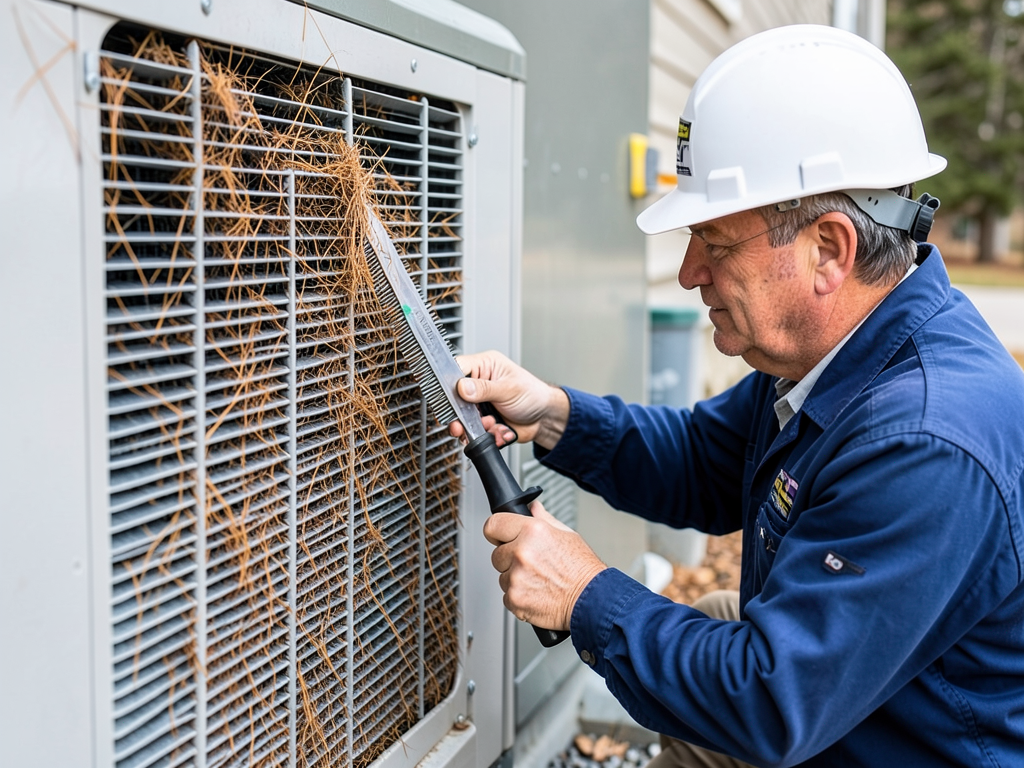
Why Pine Needles are a Unique Threat to Denver AC Units Living in Genesee means dealing with the beautiful but challenging mountain environment. The pine trees that give your property its scenic charm can wreak…

Why Your Gas Fireplace Should Not Be Your Only Heat Source in Golden\n\nGolden homeowners often…
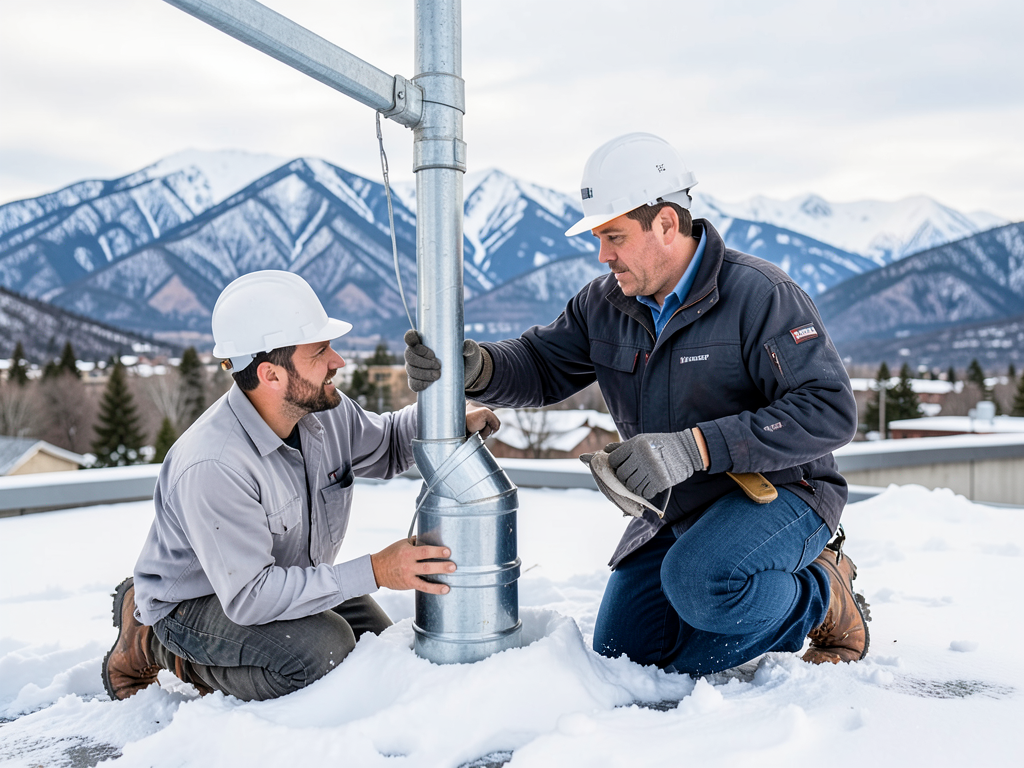
Why Your Furnace Venting Needs Special Attention in High Altitude Morrison Living at 5,800 feet…
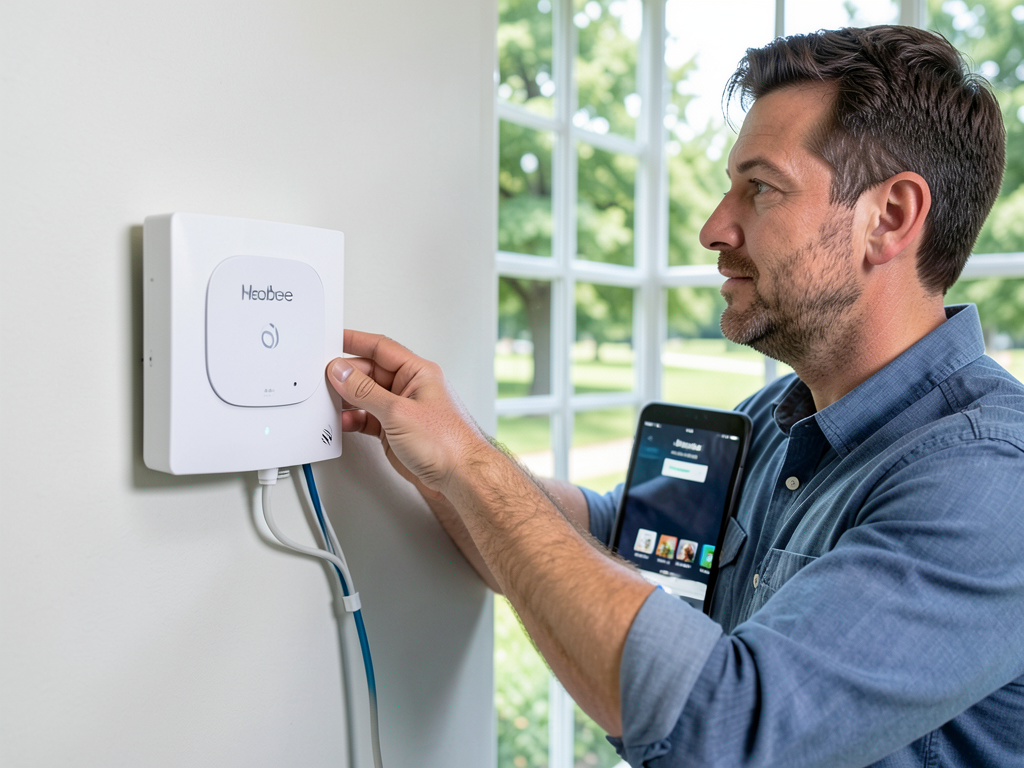
How to Integrate Your HVAC with Matter and Apple Home in Central Park Central Park…
Your comfort matters. Call (720) 502-9511 right now for same-day HVAC repair in Wheat Ridge. We answer the phone, dispatch immediately, and fix your heating or cooling problem fast. Emergency service available 24/7 including weekends and holidays.