




Menu

AC Unit Leaking Water in Denver – Fast Diagnosis and Permanent Repairs Before Water Damage Spreads

When your AC unit leaks water, you need expert troubleshooting that pinpoints the real cause and stops the damage fast, protecting your floors, walls, and cooling system from expensive secondary problems.

Slider Image 1
Slider Image 2
Slider Image 3
Slider Image 4
Slider Image 5
Slider Image 7
Slider Image 8
Slider Image 9
Slider Image 10
Slider Image 11

Why Your Air Conditioner Is Dripping Water in Denver

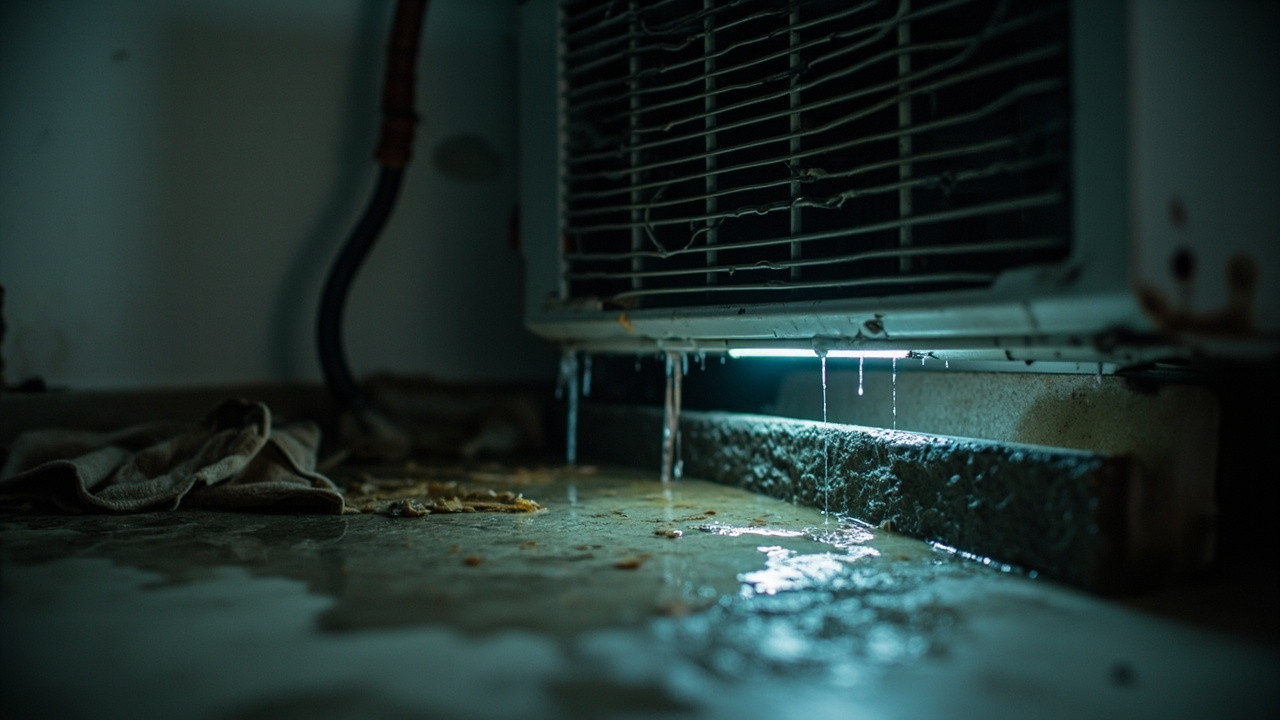
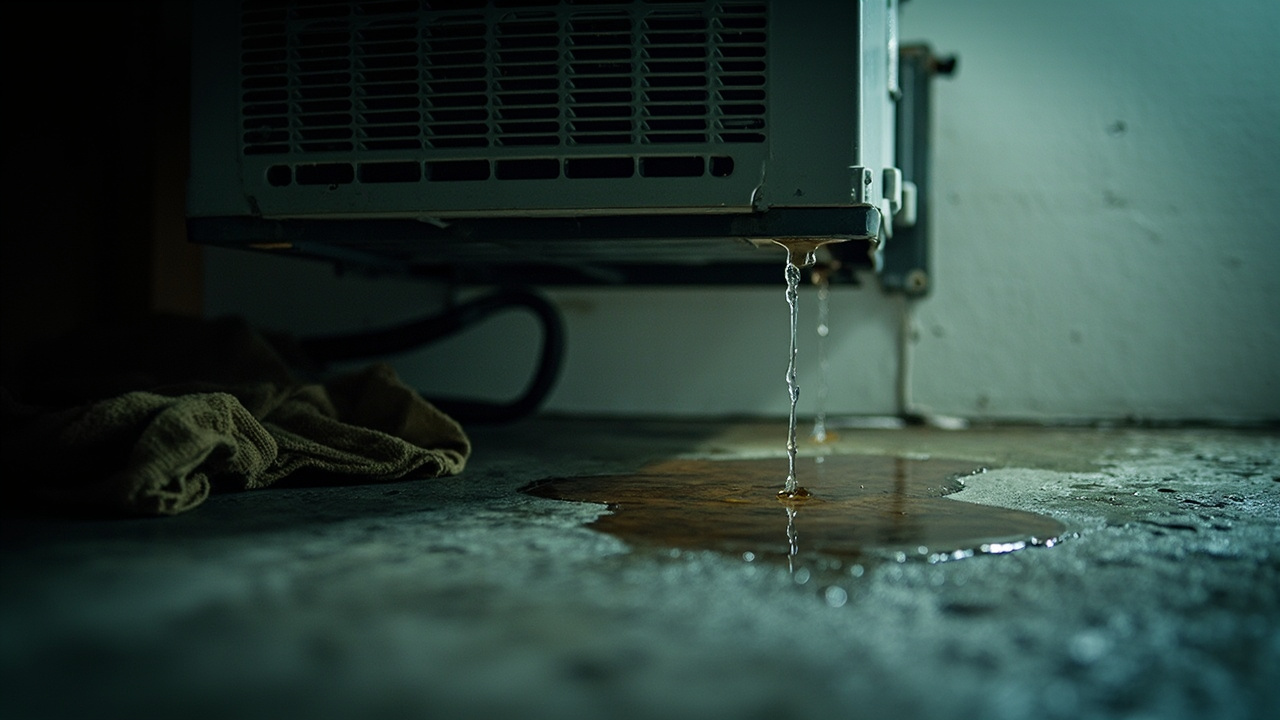
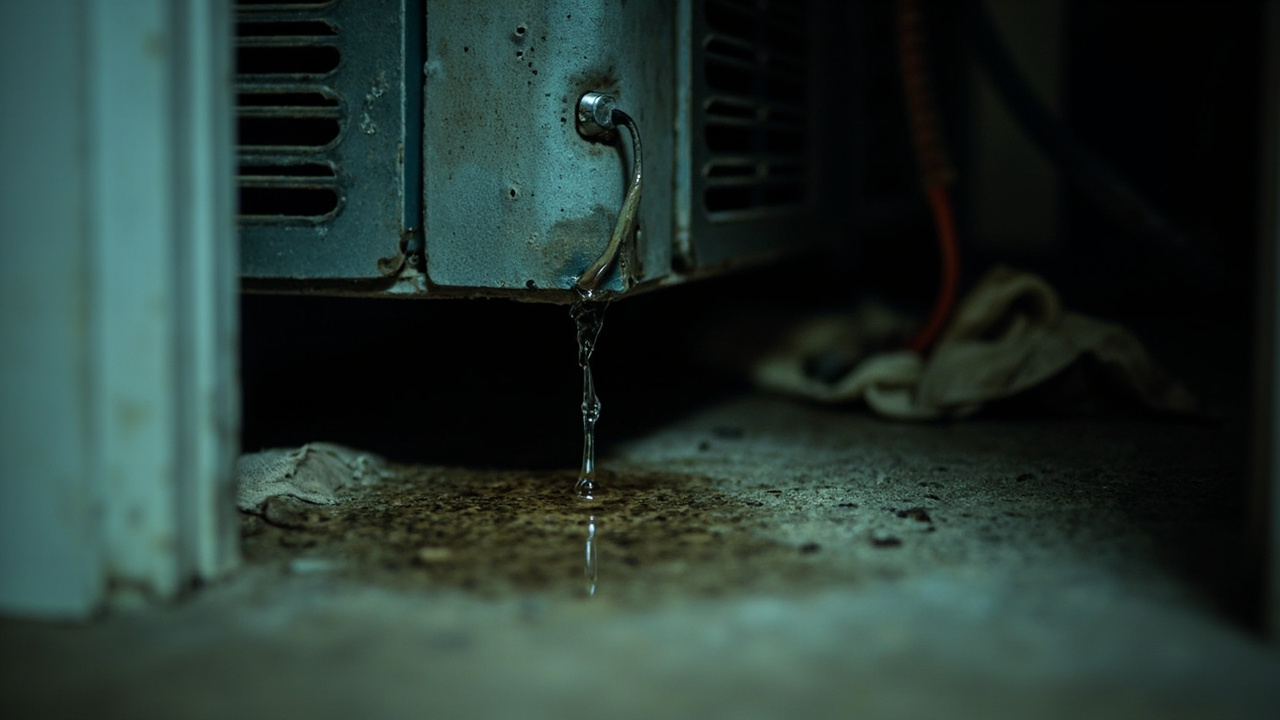
You walk into your home and see water pooling under your air conditioning unit. The dripping sound is constant. Your first thought is panic, but the second is practical. What is causing this AC water leak, and how much damage is happening right now?

In Denver, the combination of dry climate and sudden temperature swings creates unique stress on HVAC systems. When your AC system leaks water, the problem usually stems from one of three sources: a clogged condensate drain line, a frozen evaporator coil, or a cracked drain pan. Denver's altitude affects humidity levels inside your home, which directly impacts how efficiently your system removes moisture from the air. When the condensate line clogs with dust, algae, or debris, water backs up and overflows. When outdoor temps drop suddenly at night (common here), a dirty air filter or low refrigerant can cause the evaporator coil to freeze. Once it thaws, you get water dripping from the AC unit in large volumes.

Ignoring an air conditioner dripping water is not an option. Water damage spreads fast. Drywall absorbs moisture within hours. Mold spores colonize damp surfaces in 24 to 48 hours. Hardwood floors warp. Subfloors rot. What starts as a small leak becomes a multi-thousand-dollar remediation job if you wait too long. The question is not whether you need help, it is how fast you can stop the water and fix the root cause.

Why Your Air Conditioner Is Dripping Water in Denver
How We Diagnose and Stop Air Conditioning Leaking Water

How We Diagnose and Stop Air Conditioning Leaking Water

When you call Fortress HVAC Denver, we respond with diagnostic precision. We do not guess. We do not sell you a new system when a drain line repair solves the problem. We troubleshoot systematically to find the exact failure point.

First, we inspect the condensate drain line. This PVC or flexible tubing carries water away from your evaporator coil to the outside or a floor drain. Over time, biofilm (a combination of algae, mold, and dirt) builds up inside the line and creates a blockage. We use a wet/dry vacuum to clear the line, then flush it with a mild cleaning solution to prevent recurrence. If the line is cracked or improperly pitched, we replace or reconfigure it to ensure gravity flow.

Next, we check the drain pan. Older systems use metal pans that corrode. Newer systems use plastic, but impact damage or manufacturing defects can cause cracks. If the pan is compromised, we replace it before water can pool and overflow again.

Then we examine the evaporator coil. If the coil is frozen, we investigate why. Low refrigerant levels, dirty air filters, or blocked return air grilles all reduce airflow across the coil, causing the temperature to drop below freezing. We measure refrigerant charge with manifold gauges, inspect the filter, and check static pressure to identify airflow restrictions. If refrigerant is low, we locate the leak using electronic detectors, repair it, and recharge the system to manufacturer specifications.

We also inspect the condensate pump if your system uses one. Pump failure means water has nowhere to go. We test the float switch, clean the reservoir, and replace the pump if needed.

What Happens When You Call Us for an AC Water Leak

AC Unit Leaking Water in Denver – Fast Diagnosis and Permanent Repairs Before Water Damage Spreads
01

Immediate Leak Assessment

We arrive with diagnostic tools and containment equipment. Within minutes, we identify the water source, stop active leaking, and assess the extent of water damage to surrounding areas. We document the problem with photos and explain what failed, why it failed, and what needs to happen next. You get clarity before any work begins.
02

Targeted Repair Execution

Once we identify the cause, we execute the repair with precision. Whether that means clearing a blocked drain line, replacing a cracked pan, repairing a refrigerant leak, or installing a new condensate pump, we use manufacturer-approved parts and follow industry standards. We test the system under load to confirm the repair holds and no secondary issues exist.
03

System Validation and Prevention

Before we leave, we run your system through a full cooling cycle to verify proper condensate drainage and confirm no water accumulation. We clean the drain line, replace your air filter if needed, and provide maintenance recommendations to prevent future leaks. You get documentation of the work performed and a clear understanding of what to monitor going forward.

Why Denver Homeowners Trust Fortress HVAC for AC System Leaking Water Repairs

When your air conditioner drips water, you need someone who understands how Denver's climate and altitude affect HVAC performance. Generic advice from national call centers does not account for the unique stress that 5,280 feet of elevation and 300 days of sunshine place on cooling systems.

Fortress HVAC Denver has spent years diagnosing water leaks in homes across the metro area. We know how Denver's low humidity affects condensate production. We know how rapid temperature swings between day and night cause freeze-thaw cycles that stress evaporator coils. We know how dust from construction and seasonal winds clogs drain lines faster here than in more humid climates.

We also know Denver building codes and how they apply to condensate drainage. Many older homes lack proper floor drains near the air handler, which means we need to route drain lines carefully to avoid code violations and water damage. Some homes have air handlers in attics, where a clogged drain pan can flood insulation and drywall before you notice. We account for these variables when we design and execute repairs.

When you hire us, you get a technician who has seen hundreds of AC water leaks in Denver homes. You get someone who can tell the difference between a simple drain clog and a refrigerant leak that requires EPA-certified handling. You get transparent pricing, no upselling, and repairs that last. We do not sell you a new system when a fifty-dollar drain line repair fixes the problem. We do not recommend refrigerant recharges if your system is not low. We fix what is broken and explain what you can do to prevent future failures.

What to Expect When You Schedule AC Water Leak Repair in Denver

Same-Day Response for Active Leaks

When water is pooling under your AC unit, waiting is not an option. We prioritize active leak calls and dispatch a technician the same day whenever possible. During peak cooling season (May through September), we extend hours to handle urgent repairs. When you call (720) 502-9511, you speak with a dispatcher who understands the urgency of water damage. We provide arrival windows and call ahead when the technician is en route. If your leak is after hours, we walk you through temporary containment steps to minimize damage until we arrive.

Comprehensive Leak Diagnosis

We do not charge a diagnostic fee if you proceed with the repair. Our technicians arrive with manifold gauges, multimeters, inspection cameras, and leak detection equipment. We inspect the condensate drain line, drain pan, evaporator coil, refrigerant levels, air filter, and condensate pump (if applicable). We check for secondary issues like insulation damage or electrical problems caused by water exposure. You receive a written breakdown of findings and repair options before any work begins. We explain what failed, what caused the failure, and what you can do to prevent recurrence.

Repairs That Stop the Leak Permanently

We fix the root cause, not just the symptom. If your drain line is clogged, we clear it, clean it, and treat it to prevent algae regrowth. If your drain pan is cracked, we replace it with a durable aftermarket or OEM part. If your evaporator coil is freezing due to low refrigerant, we locate the leak, repair it, vacuum the system, and recharge it to the correct pressure. If your condensate pump failed, we install a replacement and test it under load. You get a repair that lasts, not a temporary patch that fails again in three months.

Maintenance Plans to Prevent Future Leaks

Most AC water leaks are preventable with routine maintenance. We offer seasonal tune-up plans that include condensate drain line cleaning, air filter replacement, evaporator coil inspection, and refrigerant level checks. During a tune-up, we catch small issues before they become expensive failures. We also provide maintenance reminders so you never forget when your next service is due. Preventive care reduces emergency calls, extends system life, and keeps your cooling costs low. Call (720) 502-9511 to schedule your first tune-up or ask about our annual maintenance plans.

Frequently Asked Questions

You Have Questions,
We Have Answers

How do I stop my air conditioner from leaking water? +

First, turn off your system to prevent further damage. Check your air filter. A clogged filter restricts airflow and causes your evaporator coil to freeze. Once thawed, the ice melts and leaks water. Replace the filter if dirty. Next, inspect the condensate drain line. Pour a cup of white vinegar or bleach into the drain pan to clear minor clogs. If water continues pooling, the drain line may be blocked or your drain pan rusted through. Denver's dry climate means dust buildup happens fast, clogging drains quicker than humid regions. Call a licensed technician to diagnose pump failures or refrigerant leaks.

Can I still use my AC if it's leaking water? +

No. Running a leaking AC unit risks serious damage. Water leaking from your unit signals a problem with drainage, airflow, or refrigerant levels. Continued operation can flood your home, damage ceilings and walls, and promote mold growth. In Denver's arid climate, excess moisture creates ideal conditions for mold in hidden spaces. If the leak stems from a frozen evaporator coil, running the system forces the compressor to work harder, shortening its lifespan. Turn off your AC immediately and address the root cause. Operating faulty equipment also voids many manufacturer warranties.

Is a leaking AC unit an emergency? +

It depends on the severity and location. A small drip outside near the condensate line is less urgent than water pooling inside your home. However, any leak deserves prompt attention. Water damage spreads quickly through drywall and insulation, especially in Denver's older homes with wood framing. If you see water inside, smell mildew, or notice your system freezing repeatedly, treat it as urgent. Electrical components near water create fire and shock hazards. Schedule same-day service if water affects living spaces or if your system won't cool properly. Small exterior drips can wait 24 to 48 hours.

How do I unclog my AC condensate drain line? +

Locate the drain line access point near your indoor air handler. It's a PVC pipe with a cap or T-fitting. Turn off your AC first. Remove the cap and inspect for visible blockages. Pour one cup of white vinegar or bleach into the line and let it sit for 30 minutes to dissolve algae and mold. Flush with water. For stubborn clogs, use a wet-dry vacuum on the exterior drain line outlet to suction debris. Denver's low humidity and dust storms cause sediment buildup faster than coastal areas. If the clog persists, a technician can use compressed air or specialized tools.

Is AC leaking water expensive to fix? +

Repair costs vary based on the cause. A clogged drain line or dirty filter costs little to fix, often under the price of a service call. Replacing a cracked drain pan or installing a new condensate pump runs higher but remains affordable. Major issues like evaporator coil replacement or refrigerant leaks cost more. Most residential AC leak repairs in the Denver metro fall into the moderate range. The key is catching problems early. Ignoring a small leak leads to water damage, mold remediation, and compressor failure, which multiplies costs. Schedule prompt diagnostics to avoid escalation.

What is the 3 minute rule for AC? +

The 3 minute rule protects your compressor from short cycling damage. After shutting off your AC, wait at least 3 minutes before restarting. This allows refrigerant pressures to equalize inside the system. Restarting too quickly forces the compressor to start against high pressure, straining internal components and shortening lifespan. This rule matters year-round in Denver, where spring and fall temperature swings cause frequent on-off cycling. If your thermostat or breaker trips, respect the 3 minute minimum. Modern systems have built-in delay timers, but older units in Denver's historic neighborhoods may lack this protection.

Can I fix a leaking AC myself? +

You can handle basic maintenance like changing filters and clearing visible debris from the drain line. Pouring vinegar into the condensate drain helps prevent clogs. However, most AC leaks require professional diagnosis. Refrigerant issues, frozen coils, failed condensate pumps, and cracked drain pans need specialized tools and EPA certification for refrigerant handling. Denver's altitude affects refrigerant pressures, making DIY repairs risky without training. Misdiagnosing the problem wastes time and money. If the fix involves more than a filter change or simple drain flush, call a licensed HVAC technician to avoid voiding warranties or creating safety hazards.

What happens if I ignore an AC leak? +

Ignoring an AC leak invites cascading damage. Water soaks into drywall, insulation, and flooring, causing rot and structural weakening. Mold colonies establish within 24 to 48 hours in damp materials. Denver's older homes with plaster walls and wood lath are vulnerable to accelerated deterioration. Electrical components corrode when exposed to moisture, creating fire risks. A small leak from a frozen coil signals restricted airflow or low refrigerant, both of which force your compressor to overheat. Compressor replacement costs significantly more than fixing the original leak. Address leaks immediately to protect your home and equipment investment.

Should I call a professional for AC leaks? +

Yes. While you can change filters and pour vinegar in drain lines, persistent leaks require professional diagnosis. A qualified technician identifies whether you're dealing with a clogged drain, frozen evaporator coil, cracked drain pan, failed condensate pump, or refrigerant leak. Each requires different repairs. Denver's high altitude affects system pressures and performance, so local HVAC experience matters. Professionals carry specialized tools like refrigerant gauges, leak detectors, and drain augers. They ensure repairs meet code and protect warranties. If water appears inside your home or your system freezes repeatedly, schedule a service call immediately. Fast response prevents expensive secondary damage.

What is the $5000 rule for AC? +

The $5000 rule is a decision guideline for AC replacement versus repair. Multiply the repair cost by your system's age in years. If the result exceeds $5000, replacement makes better financial sense than repair. For example, a repair costing $600 on a 10-year-old unit equals $6000, suggesting replacement. This rule accounts for efficiency improvements and remaining lifespan. Denver's extreme temperature swings and UV exposure age outdoor units faster than moderate climates. Systems over 12 years old with major repairs like compressor or coil replacement often fail this test. Consult a licensed contractor for a cost-benefit analysis specific to your situation.

How Denver's Dry Climate and Altitude Increase AC Water Leak Risks

Denver sits at 5,280 feet above sea level, where the air is thinner and drier than most U.S. cities. This low humidity environment means your air conditioner works harder to remove moisture from the air during cooling. When the system runs more aggressively to compensate for altitude-related pressure changes, condensate production increases. If your drain line is even partially clogged, the extra water volume overwhelms the system and causes overflow. Add in Denver's rapid day-to-night temperature swings, which can drop 30 degrees in a few hours, and you get conditions that stress evaporator coils and increase the risk of freeze-thaw cycles that lead to water dripping from AC units.

Fortress HVAC Denver understands how local climate affects cooling systems. We are not a franchise with technicians trained in Florida or Texas. We are a Denver-based company that has repaired thousands of AC water leaks in homes across the Front Range. We know how dust from Chatfield Reservoir or construction along the I-25 corridor clogs filters and drain lines faster than in wetter climates. We know how older homes in neighborhoods like Wash Park or Congress Park lack proper drainage for attic-mounted air handlers. We know Denver building codes and how they apply to condensate disposal. When you hire us, you get local expertise that translates into faster diagnosis and better long-term results.

HVAC Services in The Denver Area

Fortress HVAC is proud to serve the Denver area and surrounding communities. We invite you to view our location on the map, which highlights our service area. While we often come directly to you for services, knowing our central base can help you understand our reach. Feel free to contact us with any questions about our service coverage or to schedule an appointment directly.

Address:
Fortress HVAC Denver, 6035 E 38th Ave, Denver, CO, 80207

Additional Services We Offer

Our news updates

Latest Articles & News from The Blogs

Why Your Gas Fireplace Should Not Be Your Only Heat Source in Golden\n\nGolden homeowners often rely on gas fireplaces for…

Why Your Gas Fireplace Should Not Be Your Only Heat Source in Golden

Why Your Gas Fireplace Should Not Be Your Only Heat Source in Golden\n\nGolden homeowners often rely on gas fireplaces for…

Why Your Furnace Venting Needs Special Attention in High Altitude Morrison

Why Your Furnace Venting Needs Special Attention in High Altitude Morrison Living at 5,800 feet in Morrison means your furnace…

How to Integrate Your HVAC with Matter and Apple Home in Central Park

How to Integrate Your HVAC with Matter and Apple Home in Central Park Central Park residents who want their HVAC…

Contact Us

Call Fortress HVAC Denver at (720) 502-9511 now for same-day AC water leak diagnosis and repair. We respond fast, fix it right, and prevent future failures with maintenance plans designed for Denver's climate.