




Menu

Ventilation & Exhaust Systems in Denver – Minimize Downtime with Industrial-Grade Air Handling Solutions

Commercial ventilation systems and industrial exhaust solutions designed to maintain compliance, protect your workforce, and keep your Denver facility operational through every shift.

Slider Image 1
Slider Image 2
Slider Image 3
Slider Image 4
Slider Image 5
Slider Image 7
Slider Image 8
Slider Image 9
Slider Image 10
Slider Image 11

Why Denver's Altitude and Commercial Building Codes Make Proper Ventilation Non-Negotiable

Operating at 5,280 feet, Denver's elevation reduces oxygen availability by roughly 17 percent compared to sea level. Your facility's mechanical ventilation systems must compensate for this thinner air to maintain proper airflow rates and ensure employee safety. Industrial processes that generate heat, fumes, or particulates require more aggressive commercial air extraction to achieve the same dilution ratios you would see in coastal markets.

Denver's building codes reflect these challenges. Commercial facilities must meet stringent ventilation requirements under the International Mechanical Code as adopted by the City and County of Denver. Manufacturing plants, commercial kitchens, automotive shops, and warehouses face particularly strict air exchange standards. Failure to maintain compliant industrial exhaust solutions can trigger stop-work orders, failed inspections, and liability exposure if worker health is compromised.

The dry climate creates another complication. Low humidity levels increase static electricity and dust accumulation in ductwork, which degrades air quality and creates fire hazards in facilities handling combustible materials. Commercial ventilation systems must be designed to handle Denver's specific atmospheric conditions, not generic specifications pulled from a coastal engineering manual.

If your current system struggles to maintain pressure differentials, exhaust contaminants effectively, or meet OSHA air quality standards, you are operating on borrowed time. Inadequate ventilation does not just risk regulatory penalties. It threatens productivity, increases insurance premiums, and exposes your business to workers' compensation claims.

Why Denver's Altitude and Commercial Building Codes Make Proper Ventilation Non-Negotiable
How We Engineer Industrial Air Handling Systems for Denver's Operating Environment

How We Engineer Industrial Air Handling Systems for Denver's Operating Environment

We begin with a load calculation adjusted for altitude. Standard CFM calculations assume sea-level air density. At Denver's elevation, the same volume of air contains less mass, which means your exhaust fans must move higher volumes to achieve equivalent contaminant removal. We recalculate airflow requirements using altitude-corrected formulas to ensure your system meets actual performance needs, not theoretical ones.

Next, we assess your facility's contaminant profile. A commercial kitchen requires grease-rated exhaust hoods with fire suppression integration. An automotive body shop needs downdraft paint booths with explosion-proof motors. A manufacturing plant handling chemical processes requires corrosion-resistant ductwork and specialized filtration. We match your industrial exhaust solutions to the specific hazards your operation generates.

Ductwork design follows SMACNA standards with modifications for Denver's pressure conditions. We size ducts to maintain transport velocity for particulate-laden air, minimize pressure drop across long runs, and prevent backdrafting during high-wind events common along the Front Range. All penetrations through fire-rated assemblies receive proper dampers to maintain compartmentalization.

Makeup air integration is critical. Exhaust-only systems create negative pressure that can backdraft combustion appliances, slam doors, and reduce heating efficiency. We design balanced systems that introduce conditioned makeup air to replace exhausted volumes, maintaining neutral building pressure and preventing costly energy waste.

We use variable frequency drives on larger exhaust fans to reduce energy consumption during low-demand periods. For 24/7 operations, this equipment pays for itself in utility savings within three years while extending motor life and reducing maintenance costs.

How a Commercial Ventilation Project Actually Works

Ventilation & Exhaust Systems in Denver – Minimize Downtime with Industrial-Grade Air Handling Solutions
01

Site Assessment and Code Review

We inspect your facility to measure existing airflow, identify contaminant sources, and document deficiencies. We review Denver building code requirements for your occupancy type and compare current conditions against compliance thresholds. You receive a written assessment that identifies gaps, quantifies risks, and prioritizes corrective action based on regulatory exposure and operational impact.
02

System Design and Permitting

Our engineers create mechanical drawings and specifications tailored to your facility's layout and processes. We calculate fan sizing, duct routing, and makeup air requirements using altitude-corrected load formulas. We submit permit applications to the City and County of Denver, coordinate inspections, and address plan review comments. You stay operational while we handle the bureaucracy and ensure your system meets all regulatory requirements.
03

Installation and Commissioning

We schedule installation during off-shifts or planned downtime to minimize business disruption. Our crews install ductwork, fans, dampers, and controls according to engineered specifications. After installation, we commission the system by testing airflow rates, verifying pressure differentials, and confirming all safety interlocks function correctly. The final deliverable includes test and balance reports, as-built drawings, and operation manuals for your facilities team.

Why Denver Facility Managers Choose Local Ventilation Expertise

Generic ventilation contractors treat Denver like any other market. They use sea-level airflow calculations, ignore altitude effects, and install systems that underperform from day one. When your exhaust fans cannot maintain negative pressure or your makeup air system wastes energy fighting Denver's 60-degree temperature swings, you pay the price in comfort complaints, failed inspections, and inflated utility bills.

We have engineered commercial ventilation systems across the Denver metro for over a decade. We understand how the City and County of Denver interprets mechanical code provisions. We know which plan reviewers require additional documentation and which inspectors focus on specific installation details. This familiarity accelerates permit approval and reduces the risk of costly change orders mid-project.

Our client base includes manufacturing facilities in Commerce City, commercial kitchens along Colfax Avenue, automotive shops in Englewood, and warehouse operations near Denver International Airport. We have designed industrial air handling systems for every occupancy type and understand the unique challenges each sector faces.

We maintain relationships with local sheet metal fabricators, electrical contractors, and controls suppliers. This network allows us to source materials quickly, coordinate trades efficiently, and keep your project on schedule even when supply chains tighten. National contractors cannot match this local responsiveness.

When equipment fails, we stock replacement parts for the brands we install. Your facility manager can reach our service team directly, not a call center three time zones away. We dispatch technicians who have worked on your system before and understand its configuration. This continuity reduces diagnostic time and gets you back to full capacity faster than competitors who send different crews every service call.

What You Can Expect from a Commercial Ventilation Project

Project Timeline and Scheduling

Design and permitting typically requires four to six weeks depending on system complexity and city review timelines. Installation duration varies based on facility size and whether work occurs during operational hours or shutdown periods. A small restaurant exhaust hood replacement might complete in three days. A complete warehouse ventilation retrofit could take six weeks with phased implementation to maintain partial operations. We provide detailed schedules during the design phase and coordinate with your operations team to minimize business disruption.

Initial Consultation and Engineering Assessment

Your project begins with a site visit where we measure airflow, photograph existing equipment, and interview your team about operational concerns. We review previous inspection reports, maintenance records, and any correspondence with code officials. Within one week, you receive a written assessment that documents current conditions, identifies code deficiencies, and outlines recommended solutions. This assessment includes preliminary budgets for each option so you can evaluate alternatives and make informed decisions about scope and timing.

System Performance and Quality Standards

Completed systems meet or exceed International Mechanical Code requirements as adopted by Denver. All ductwork receives proper sealing and insulation. Exhaust fans deliver specified CFM at design static pressure. Makeup air systems maintain building pressure within acceptable ranges. We provide test and balance reports that document actual performance against design specifications. These reports serve as evidence of code compliance during inspections and create baseline records for future maintenance. Your facility receives a system that passes inspection on the first attempt.

Maintenance Planning and Service Support

Commercial ventilation systems require regular maintenance to sustain performance and prevent costly failures. We provide recommended maintenance schedules based on your equipment configuration and operating hours. Service contracts include quarterly filter changes, annual belt replacements, and biannual motor lubrication. We maintain service records in our system so your facility manager does not need to track intervals manually. Emergency service receives priority dispatch with technicians available during your operating hours. This proactive approach extends equipment life and prevents unplanned downtime that disrupts production.

Frequently Asked Questions

You Have Questions,
We Have Answers

What is the difference between exhaust system and ventilation system? +

A ventilation system brings fresh outdoor air into your building and distributes it throughout occupied spaces. An exhaust system removes stale air, contaminants, fumes, or moisture from specific areas like kitchens, restrooms, or manufacturing zones. In Denver commercial facilities, you need both working together. Ventilation handles makeup air to maintain positive pressure and indoor air quality. Exhaust tackles localized pollutants and moisture before they spread. Most commercial buildings integrate both systems to meet code requirements. Denver's dry climate and 5,280-foot elevation affect airflow calculations, so proper balancing between intake and exhaust is critical for energy efficiency and occupant comfort.

How much does a ventilation system cost? +

Commercial ventilation system costs vary widely based on building size, occupancy type, and equipment specifications. A small office retrofit might start around $8,000 to $15,000. Warehouse or industrial installations with heavy exhaust demands can exceed $100,000. Denver's elevation requires specific fan sizing to compensate for thinner air and reduced oxygen content. Energy recovery ventilators cost more upfront but cut heating expenses during cold months. Ductwork modifications, rooftop unit replacements, and control integration drive total investment. Factor in ongoing maintenance, filter replacements, and utility costs. Request a site assessment to get accurate pricing based on your square footage, code requirements, and operational needs.

What are the four types of ventilation systems? +

The four main types are natural ventilation, mechanical exhaust ventilation, mechanical supply ventilation, and balanced mechanical ventilation. Natural ventilation uses windows, vents, and building design to create airflow without fans. Mechanical exhaust pulls air out with fans, creating negative pressure. Mechanical supply forces fresh air in, pressurizing the space. Balanced systems use separate fans for supply and exhaust, maintaining neutral pressure. Denver commercial buildings typically use balanced systems to handle altitude challenges and seasonal temperature swings. Energy recovery ventilators, a subset of balanced systems, capture heat from exhaust air to precondition incoming fresh air. Your building type and occupancy determine which configuration meets code.

What are the three types of exhaust systems? +

The three primary exhaust system types are dilution ventilation, local exhaust ventilation, and dedicated exhaust systems. Dilution ventilation circulates large air volumes to reduce contaminant concentration across an entire space. Local exhaust captures pollutants at the source using hoods, enclosures, or capture arms before they disperse. Dedicated exhaust systems handle specific hazards like kitchen grease, laboratory fumes, or industrial chemicals through isolated ductwork and specialized fans. Denver commercial kitchens must use Type I hoods with grease capture and fire suppression. Manufacturing facilities often combine local capture points with dilution ventilation. Your exhaust type depends on contaminant nature, generation rate, and applicable building codes.

How Denver's Building Density and Wind Patterns Complicate Exhaust System Design

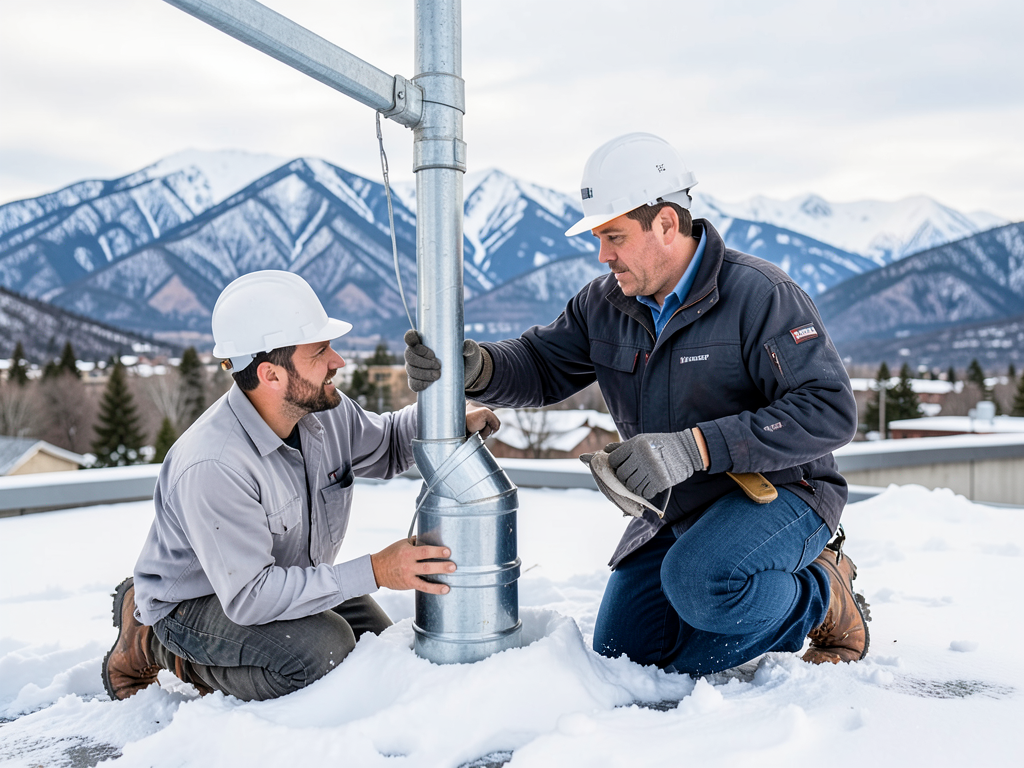
Denver's downtown core and RiNo district feature tightly spaced buildings that create wind tunnels and pressure zones affecting exhaust discharge. Rooftop exhaust stacks must extend high enough to prevent re-entrainment into adjacent makeup air intakes or neighboring buildings. Chinook winds that sweep down from the Rockies can reach 40 mph, creating backpressure that stalls exhaust fans or allows contaminated air to backdraft into occupied spaces. Proper stack height calculations must account for surrounding structures and prevailing wind patterns specific to your address, not generic engineering tables.

Denver's rapid commercial development means older buildings often sit adjacent to new construction with modern ventilation requirements. When your facility undergoes tenant improvements or changes use, existing exhaust systems rarely meet current code standards. City inspectors require upgrades that align with today's air quality expectations, not what was acceptable when your building was constructed. We work with Denver building officials regularly and understand how they apply code retroactively during renovation projects. This experience helps you avoid surprises during permit review and ensures your system passes inspection without costly redesigns.

HVAC Services in The Denver Area

Fortress HVAC is proud to serve the Denver area and surrounding communities. We invite you to view our location on the map, which highlights our service area. While we often come directly to you for services, knowing our central base can help you understand our reach. Feel free to contact us with any questions about our service coverage or to schedule an appointment directly.

Address:
Fortress HVAC Denver, 6035 E 38th Ave, Denver, CO, 80207

Additional Services We Offer

Our news updates

Latest Articles & News from The Blogs

The Pros and Cons of Electric Baseboard Heating vs Mini-Splits in Capitol Hill Condos Capitol Hill condo owners face a…

The Pros and Cons of Electric Baseboard Heating vs Mini-Splits in Capitol Hill Condos

The Pros and Cons of Electric Baseboard Heating vs Mini-Splits in Capitol Hill Condos Capitol Hill condo owners face a…

Comparing Daikin and Mitsubishi Mini-Splits for Your Chaffee Park Home Office

Comparing Daikin and Mitsubishi Mini-Splits for Your Chaffee Park Home Office Denver's high-altitude climate and extreme temperature swings create unique…

Is Duct Sealing Worth the Cost for Your Drafty Harvey Park Mid-Century Modern?

Is Duct Sealing Worth the Cost for Your Drafty Harvey Park Mid-Century Modern? Harvey Park’s mid-century modern homes built in…

Contact Us

Call (720) 502-9511 to schedule a facility assessment. We will evaluate your current system, identify code deficiencies, and provide written recommendations with budget estimates. Keep your Denver operation compliant and your workforce protected.