




Menu

Whole Home Humidifiers in Denver – Year-Round Comfort in Colorado's Bone-Dry Climate

Professional installation of central humidifiers and furnace humidifiers engineered to combat Denver's extreme low humidity, static electricity, and respiratory irritation caused by high-altitude desert air.

Slider Image 1
Slider Image 2
Slider Image 3
Slider Image 4
Slider Image 5
Slider Image 7
Slider Image 8
Slider Image 9
Slider Image 10
Slider Image 11

Why Denver's Desert Climate Destroys Indoor Air Quality

Denver sits at 5,280 feet above sea level in a high-altitude desert climate. Average winter humidity levels here drop to 15-25 percent, well below the healthy 30-50 percent range recommended by pulmonologists and building scientists. You wake up with cracked lips, nosebleeds, and a scratchy throat. Your hardwood floors separate at the seams. Static electricity shocks you every time you touch a doorknob.

The problem compounds during heating season. When your furnace heats cold outdoor air, relative humidity plummets even further. That dry air pulls moisture from everything it touches: your skin, your furniture, your respiratory system. Children and elderly residents suffer most. Dry mucous membranes cannot filter airborne pathogens effectively, which is why respiratory infections spike every winter along the Front Range.

Portable humidifiers cannot solve this. They lack the capacity to treat a whole house, require constant refilling, and breed mold when neglected. Whole house humidifiers integrate directly into your HVAC system. These central humidifiers attach to your furnace and ductwork, treating every cubic foot of air that cycles through your home. Ducted humidifiers deliver consistent moisture distribution without creating damp spots or over-humidification in isolated rooms.

The Mile High City's combination of low baseline humidity, intense winter heating cycles, and dramatic temperature swings between day and night creates the perfect storm for indoor air quality problems. HVAC humidifiers are not a luxury here. They are a health intervention and a home preservation strategy.

Why Denver's Desert Climate Destroys Indoor Air Quality
How Professional Humidifier Integration Works

How Professional Humidifier Integration Works

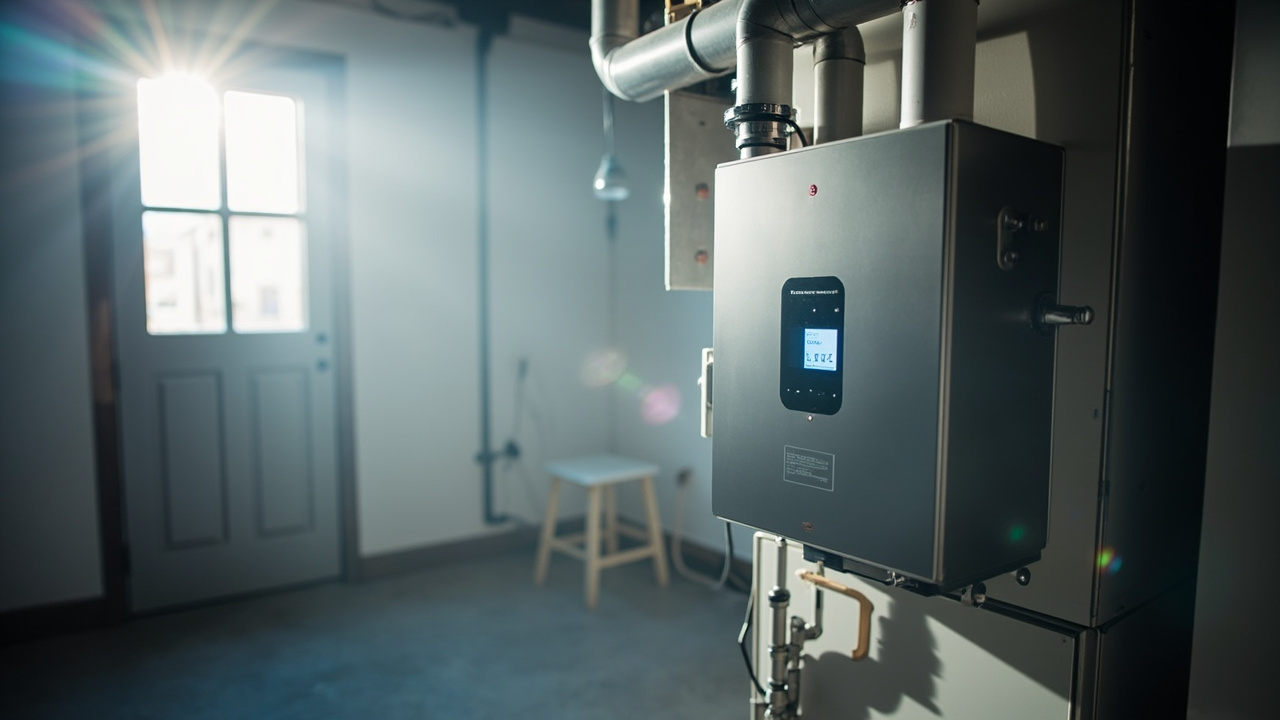
Whole house humidifiers are not one-size-fits-all appliances. Proper installation requires load calculations, duct analysis, and water supply integration. Fortress HVAC Denver evaluates your existing HVAC system before recommending a humidifier type. We measure your home's cubic footage, assess your furnace's airflow capacity, and inspect your ductwork for leaks that would waste humidified air.

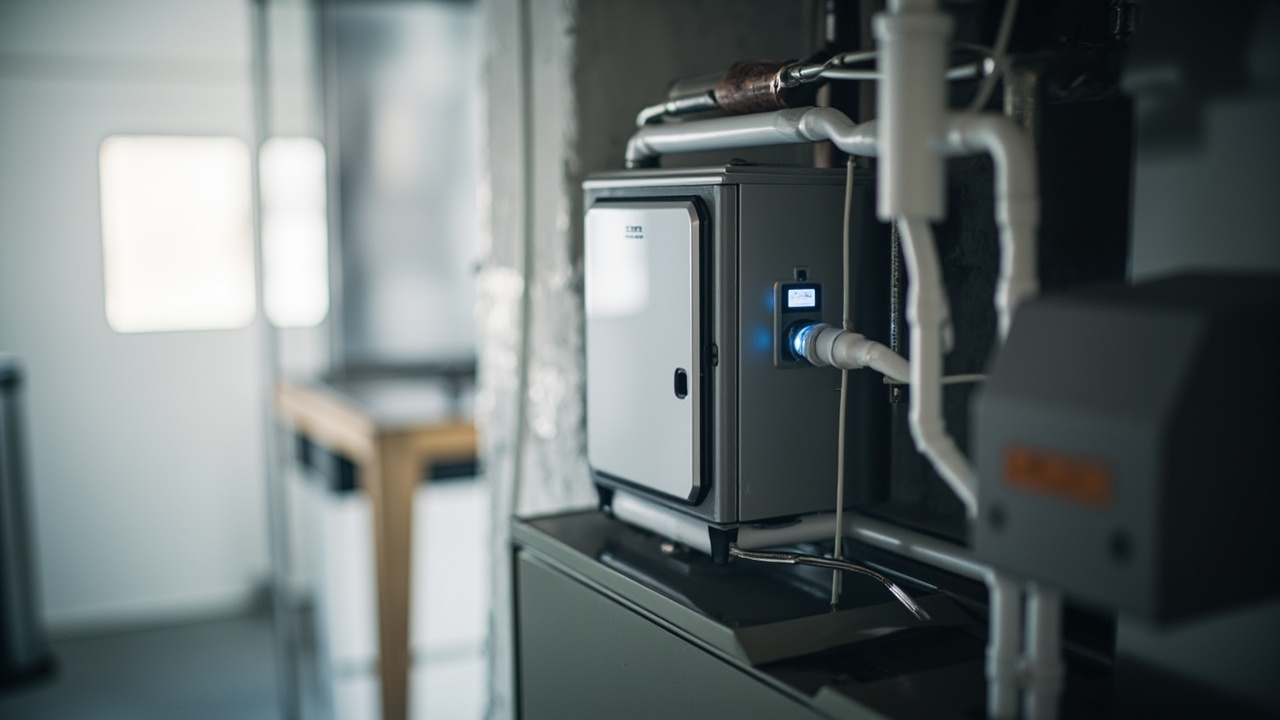
We install three primary types of furnace humidifiers depending on your system configuration. Bypass humidifiers use your furnace blower to push air through a water panel, then return moistened air to the supply plenum. Fan-powered humidifiers include their own blower for independent operation, which delivers higher output and works with heat pumps. Steam humidifiers boil water to create pure vapor, offering the highest capacity and the most precise control for larger homes or commercial applications.

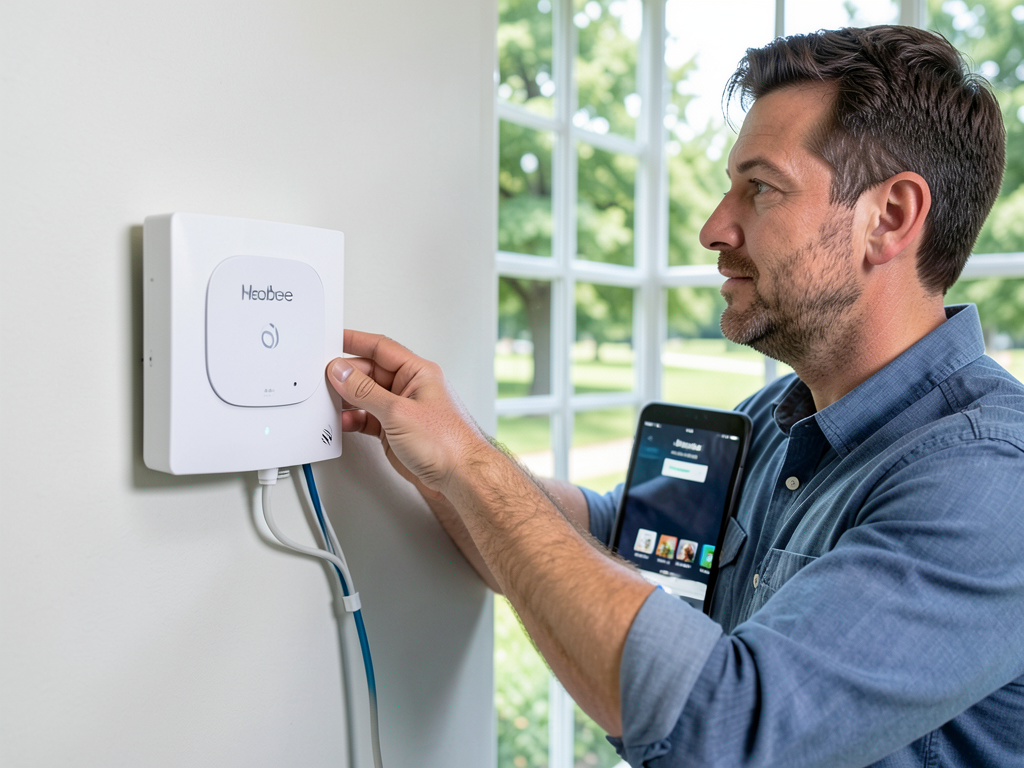
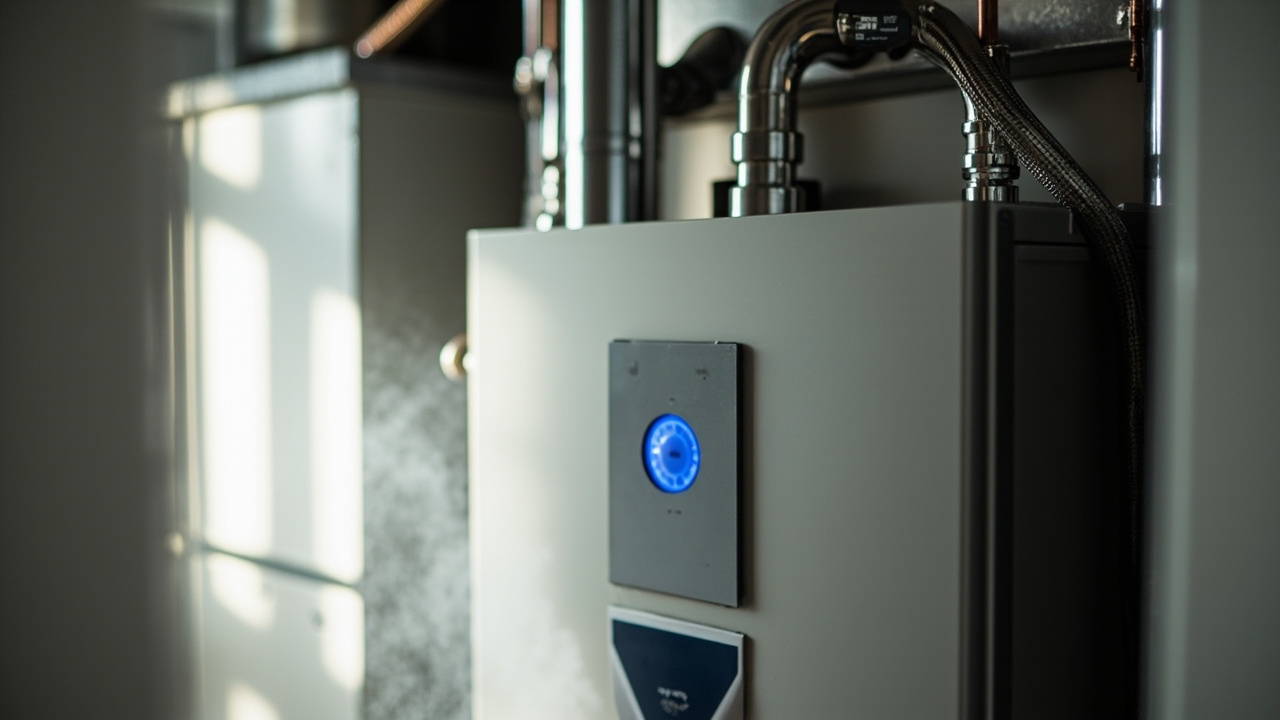
Water line installation requires proper backflow prevention and shutoff valves. We tie into your cold water supply with braided stainless steel lines and install a saddle valve or compression tee depending on your plumbing configuration. The humidistat mounts on your return air duct or integrates with your thermostat for automatic humidity control. We calibrate the setpoint based on outdoor temperature to prevent window condensation while maximizing indoor comfort.

Ductwork modifications ensure even distribution. We install supply takeoffs in optimal locations to prevent moisture stratification. Every central humidifier installation includes a post-installation airflow test to verify CFM delivery matches manufacturer specifications. Poor airflow creates uneven humidity distribution and shortens equipment lifespan.

What Happens During Your Humidifier Installation

Whole Home Humidifiers in Denver – Year-Round Comfort in Colorado's Bone-Dry Climate
01

System Assessment and Sizing

We calculate your home's total heating load and measure existing ductwork capacity before recommending a humidifier model. This includes testing static pressure, measuring supply and return grille airflow, and inspecting your furnace's plenum for adequate space. We verify your water supply pressure meets manufacturer requirements and identify the optimal mounting location for balanced moisture distribution throughout your duct system.
02

Installation and Integration

We mount the humidifier cabinet to your supply or return plenum using sheet metal screws and mastic sealant to prevent air leaks. The water line installation includes a saddle valve, shutoff valve, and sediment filter to protect the solenoid. We wire the humidistat to your furnace control board or thermostat, then install the drain line with proper pitch to prevent standing water and microbial growth in the humidifier pad.
03

Calibration and Testing

We run your furnace through a full heating cycle while monitoring humidifier output and airflow distribution. The humidistat gets calibrated to prevent over-humidification based on Denver's outdoor temperature swings. We check for water leaks, verify solenoid operation, and test the automatic shutoff when your furnace turns off. You receive a humidifier maintenance schedule and learn how to replace water panels annually.

Why Denver Homeowners Choose Fortress HVAC for Humidifier Installation

Colorado's Front Range climate creates unique challenges that generic HVAC contractors miss. We install humidifiers year-round in Denver and understand how altitude affects evaporation rates and system performance. The thinner air at 5,280 feet changes the physics of moisture delivery compared to sea-level installations. We adjust humidistat setpoints and equipment sizing to compensate for these variables.

Local building codes in Denver require backflow prevention on all water-connected appliances. We install dual-check valve assemblies that meet Denver Water's cross-connection control requirements. Out-of-state contractors and handymen often skip this step, which creates code violations and potential contamination of your potable water supply during pressure drops.

We stock replacement parts for every major humidifier brand sold in the Denver metro area. When your water panel clogs with mineral deposits from Denver's moderately hard water, you do not wait three weeks for a part to ship from Minnesota. We carry Aprilaire, Honeywell, and Lennox components on every service truck. Our techs know which models work best with the high-efficiency furnaces common in newer Stapleton and Green Valley Ranch homes.

Duct systems in older Denver neighborhoods like Wash Park and Congress Park require custom fabrication. We do not force a bypass humidifier onto a furnace with inadequate plenum space. We fabricate custom sheet metal transitions and plenums in-house to ensure your humidifier integrates cleanly without restricting airflow or creating pressure imbalances. Proper installation prevents the whistling noises and reduced heating efficiency that plague DIY humidifier jobs.

What to Expect from Your Whole House Humidifier Installation

Installation Timeline and Scheduling

Most whole house humidifier installations take three to five hours depending on your furnace location and existing ductwork configuration. We schedule installations during weekday business hours or weekend appointments based on your availability. The process requires shutting off your furnace for approximately two hours during the physical mounting and wiring integration. We complete water line installation and humidistat calibration while your heating system remains operational. You can schedule installation any time of year, but fall appointments before heating season ensure your system is ready when Denver's first cold snap hits in October.

Pre-Installation Assessment

Before installation day, we perform a complete HVAC system inspection to identify any issues that would compromise humidifier performance. This includes testing your furnace's heat exchanger for cracks, measuring duct leakage, and verifying your blower motor operates at correct RPM. We inspect your existing thermostat to determine if it supports humidity control or requires upgrading to a model with built-in humidistat functionality. You receive a written assessment explaining which humidifier type suits your home's heating system, square footage, and insulation levels. We explain the differences between bypass, fan-powered, and steam humidifiers in plain language so you understand what you are paying for.

Performance and Results

You will notice improved indoor air quality within 24 hours of installation. Whole house humidifiers typically raise indoor humidity from 15-20 percent to a comfortable 35-40 percent during Denver's winter months. Static electricity shocks disappear. Your skin stops cracking. Hardwood floors and wood furniture stop shrinking and splitting. Energy efficiency improves because humidified air feels warmer at lower temperatures, allowing you to reduce your thermostat setting by two to three degrees without sacrificing comfort. Most Denver homeowners report fewer respiratory infections and better sleep quality once indoor humidity reaches healthy levels. Your furnace runs less frequently because properly humidified air retains heat more effectively than dry air.

Maintenance and Longevity

Whole house humidifiers require annual maintenance to function properly. We recommend replacing the water panel or evaporator pad every heating season to prevent mineral buildup and maintain optimal moisture output. Denver's water contains moderate levels of calcium and magnesium that accumulate on humidifier components over time. We offer annual maintenance plans that include water panel replacement, solenoid cleaning, and humidistat calibration. Most humidifier components last 10-15 years with proper maintenance. The solenoid valve typically fails first due to mineral deposits from hard water. We stock replacement solenoids for all major brands and can replace a failed valve during a single service call.

Frequently Asked Questions

You Have Questions,
We Have Answers

What is the downside of a whole-house humidifier? +

The main downside is maintenance. Whole-house humidifiers need regular cleaning to prevent mold, bacteria, and mineral buildup. If you skip filter changes or pad replacements, you risk circulating contaminants through your ductwork. Over-humidification can also damage wood floors, drywall, and window frames. Denver's hard water accelerates mineral deposits, so you may need more frequent cleaning than national averages suggest. Steam models consume more electricity. Poor installation can lead to water leaks or HVAC inefficiency. Most issues are avoidable with proper setup and routine maintenance, but neglect creates costly problems.

What type of humidifier is best for a whole house? +

For Denver homes, bypass or fan-powered humidifiers work best for most budgets and needs. Bypass models are affordable and reliable but depend on your furnace blower running. Fan-powered units operate independently and humidify faster, ideal for larger homes or zone heating systems. Steam humidifiers deliver the most precise humidity control and work with any HVAC setup, but cost more upfront. Denver's dry climate and altitude demand consistent output. Choose based on your home's square footage, ductwork configuration, and whether you run your furnace fan continuously or only during heating cycles.

What's the average cost of a whole-house humidifier? +

Expect to pay between $400 and $1,500 for equipment and installation in Denver. Basic bypass models start around $400 to $600 installed. Fan-powered units run $600 to $1,000. Steam humidifiers range from $1,000 to $1,500 or more. Costs vary based on your HVAC system complexity, ductwork modifications, and whether you need electrical upgrades for steam models. Denver's hard water may require additional water treatment equipment. Installation difficulty affects labor charges. Get multiple quotes and verify the contractor accounts for local water quality and altitude considerations in their sizing recommendations.

What humidifier do consumer reports recommend? +

Consumer Reports consistently ranks Aprilaire models highly for reliability and performance. Their evaporative and steam humidifiers score well for ease of maintenance and consistent humidity output. Honeywell units also receive strong ratings for affordability and durability. Consumer Reports emphasizes proper sizing, not just brand names. A correctly sized unit from a reputable manufacturer outperforms an oversized or undersized model from any brand. Focus on capacity matching your Denver home's square footage, your HVAC system compatibility, and maintenance requirements. Professional sizing accounts for Denver's altitude and dry climate, which affects performance differently than humid regions.

What are signs I need a humidifier? +

Watch for static shocks, dry or cracked skin, and bloody noses during winter months. Wood furniture and floors may shrink or crack. You might notice increased respiratory irritation, aggravated allergies, or frequent sore throats. Denver's low humidity, especially in winter, worsens these symptoms. Indoor humidity below 30 percent stresses your respiratory system and damages wood surfaces. If you wake with a dry mouth or throat, or your houseplants struggle despite watering, your home needs more moisture. A hygrometer measuring below 30 percent confirms the problem. Denver winters routinely drop indoor humidity to 10 to 20 percent without mechanical humidification.

Where does the water go from a whole house dehumidifier? +

This question confuses dehumidifiers with humidifiers. Whole-house dehumidifiers remove moisture, typically draining condensate through a dedicated drain line into a floor drain, utility sink, or exterior discharge point. The water flows by gravity or through a condensate pump. In Denver, whole-house humidifiers add moisture to dry air, so there is no water removal. Humidifiers consume water from your home's supply line and evaporate it into your ductwork. If you meant humidifiers, they do not discharge water, they distribute moisture as vapor throughout your home via the HVAC system.

Where's the best place to put a whole-house humidifier? +

Install whole-house humidifiers directly on your furnace plenum or main supply duct near the furnace. This location allows even distribution through your ductwork before conditioned air reaches living spaces. The unit needs access to a water supply line and electrical power. In Denver homes with forced-air heating, mount the humidifier on the warm-air side, not the return. Professional installation ensures proper drainage for bypass models and correct humidity sensor placement. Avoid installing in unconditioned spaces like garages or crawlspaces where freezing temperatures could damage components. The closer to the furnace, the better the integration and performance.

What are the signs of too much humidity? +

Condensation on windows, damp spots on walls or ceilings, and musty odors signal excess humidity. You might see mold growth in corners, closets, or bathrooms. Wood floors may cup or warp. Paint can peel or bubble. In Denver, over-humidification above 50 percent during winter causes these problems. Your furnace works harder because moist air feels colder. Dust mites thrive above 50 percent relative humidity, worsening allergies. If your windows fog frequently or you notice water stains, reduce humidifier output. Ideal indoor humidity in Denver winters is 30 to 40 percent.

What is the healthiest type of humidifier for sinuses? +

For sinus health, steam humidifiers produce the cleanest moisture. They boil water, killing bacteria and mold before releasing pure steam into your air. No white dust, no contaminants. Evaporative humidifiers also work well if you maintain filters properly, but they require more diligence. Avoid ultrasonic portable units, they can aerosolize minerals and microbes directly into your breathing space. For Denver's dry climate, a whole-house steam or evaporative humidifier integrated with your HVAC system distributes consistent, clean moisture throughout your home, reducing sinus irritation better than portable units that only humidify single rooms.

Can a humidifier be added to an existing furnace? +

Yes. Most forced-air furnaces accommodate whole-house humidifier installation. Your HVAC technician will mount the unit on the supply plenum or ductwork, tap into a cold water line, and wire it to your furnace or thermostat. Bypass models require a return duct connection. Fan-powered and steam units need only supply-side mounting and electrical power. Denver homes with older furnaces may need minor duct modifications or electrical upgrades. Gas, electric, and oil furnaces all work with humidifiers. The installation takes a few hours. Verify your technician sizes the unit for Denver's altitude and your home's heating capacity.

How Denver's Altitude and Continental Climate Demand Year-Round Humidity Control

Denver receives only 15 inches of annual precipitation, classifying it as a semi-arid desert climate despite the proximity to mountain snowpack. The combination of high altitude, low baseline humidity, and over 300 days of sunshine per year creates indoor air drier than the Sahara Desert during winter. When temperatures drop and furnaces run continuously, indoor relative humidity can fall below 10 percent. This extreme dryness causes rapid moisture loss from wood structures, leading to floor gaps, crown molding cracks, and door frame separation common in homes throughout Highlands, Park Hill, and Littleton. Furnace humidifiers address this by adding moisture directly to heated air before it enters your living spaces, preventing structural damage and health problems.

Denver's building codes and regional HVAC standards recognize the importance of proper humidity control in high-altitude climates. Local HVAC contractors who understand Front Range weather patterns know that whole house humidifiers are not optional comfort upgrades but necessary equipment for home preservation and occupant health. Fortress HVAC Denver has installed central humidifiers in thousands of metro-area homes from Golden to Aurora. We understand the specific challenges of integrating HVAC humidifiers with the high-efficiency furnaces required by Denver's energy codes and the ductwork configurations common in ranch homes built during the 1960s construction boom.

HVAC Services in The Denver Area

Fortress HVAC is proud to serve the Denver area and surrounding communities. We invite you to view our location on the map, which highlights our service area. While we often come directly to you for services, knowing our central base can help you understand our reach. Feel free to contact us with any questions about our service coverage or to schedule an appointment directly.

Address:
Fortress HVAC Denver, 6035 E 38th Ave, Denver, CO, 80207

Additional Services We Offer

Our news updates

Latest Articles & News from The Blogs

Why Your Gas Fireplace Should Not Be Your Only Heat Source in Golden\n\nGolden homeowners often rely on gas fireplaces for…

Why Your Gas Fireplace Should Not Be Your Only Heat Source in Golden

Why Your Gas Fireplace Should Not Be Your Only Heat Source in Golden\n\nGolden homeowners often rely on gas fireplaces for…

Why Your Furnace Venting Needs Special Attention in High Altitude Morrison

Why Your Furnace Venting Needs Special Attention in High Altitude Morrison Living at 5,800 feet in Morrison means your furnace…

How to Integrate Your HVAC with Matter and Apple Home in Central Park

How to Integrate Your HVAC with Matter and Apple Home in Central Park Central Park residents who want their HVAC…

Contact Us

Call Fortress HVAC Denver at (720) 502-9511 to schedule your whole house humidifier installation. We provide same-week appointments and transparent pricing. Your skin, your sinuses, and your hardwood floors will thank you.

;