




Menu

Furnace Blowing Cold Air in Denver | Expert Diagnosis and Fast Repair to Restore Heat

When your furnace blows cold air during a Denver winter, you need accurate diagnosis and immediate repair. We identify the root cause and restore safe, efficient heating fast.

Slider Image 1
Slider Image 2
Slider Image 3
Slider Image 4
Slider Image 5
Slider Image 7
Slider Image 8
Slider Image 9
Slider Image 10
Slider Image 11

Why Your Denver Furnace Is Blowing Cold Air Instead of Heat

You turn up the thermostat. The furnace kicks on. You hear the blower running. But cold air pours from the vents instead of the heat you need.

This is not normal. A heater blowing cold air signals a breakdown in your heating system's combustion or airflow cycle. In Denver, where overnight lows drop below freezing from October through April, a furnace blowing unheated air is not just uncomfortable. It is a safety risk.

The problem stems from one of several mechanical failures. The pilot light or igniter may have failed, preventing the burners from lighting. The flame sensor may be dirty or corroded, shutting down the burners prematurely. The blower may be running on the wrong setting, pushing air before the heat exchanger warms up. Or the furnace may be overheating, triggering the limit switch to shut off the burners while the blower continues running to cool the system.

Denver's elevation and temperature swings put extra stress on heating systems. At 5,280 feet, combustion efficiency drops because of lower oxygen levels. Cold snaps force furnaces to run longer cycles, exposing weak components. If your heating system blowing cold air started after a sudden cold snap or if your furnace not blowing hot air followed an unusually long heating cycle, mechanical stress is the likely culprit.

You cannot fix this by adjusting the thermostat. A furnace blowing cool air requires professional diagnosis. The longer you wait, the greater the risk of frozen pipes or a complete system failure in subzero weather.

Why Your Denver Furnace Is Blowing Cold Air Instead of Heat
How We Diagnose and Repair Furnaces Blowing Cold Air

How We Diagnose and Repair Furnaces Blowing Cold Air

We do not guess. We test the system from the thermostat to the burner assembly to identify the exact failure point.

First, we verify thermostat operation and wiring. Incorrect wiring or a miscalibrated thermostat can prevent the burners from firing while the blower runs continuously. We check voltage at the thermostat terminals and confirm signal transmission to the furnace control board.

Next, we inspect the ignition system. If you have a standing pilot, we check for a steady blue flame and clean the pilot orifice if the flame is weak or yellow. If you have electronic ignition, we test the hot surface igniter for continuity and inspect the igniter mounting and ceramic body for cracks. A cracked igniter will not heat properly and must be replaced.

We then examine the flame sensor. This small rod sits in the burner flame and confirms combustion is occurring. If the sensor is coated with carbon buildup or corroded, it cannot detect the flame. The control board shuts off gas flow after a few seconds, but the blower keeps running, pushing cold air through the ducts. We clean the sensor with fine abrasive cloth and retest the burner cycle.

We also check the limit switch. If your furnace is overheating because of restricted airflow, the limit switch will shut off the burners to prevent damage. We inspect the filter, check for blocked return vents, and verify blower wheel cleanliness. Dust buildup on the blower wheel reduces airflow and causes overheating.

Finally, we test the gas valve and pressure regulator. Low gas pressure or a faulty valve will prevent proper combustion. We measure manifold pressure and compare it to manufacturer specifications.

What Happens When You Call for Cold Air Repair

Furnace Blowing Cold Air in Denver | Expert Diagnosis and Fast Repair to Restore Heat
01

Immediate System Assessment

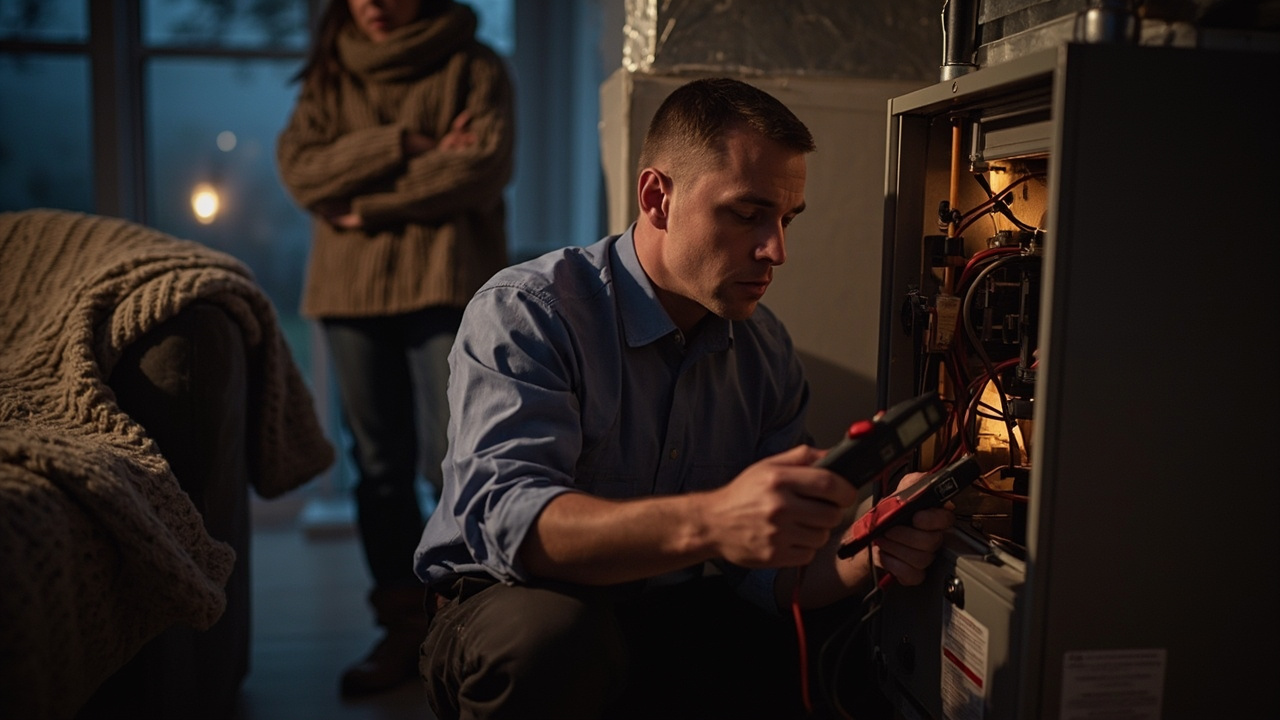
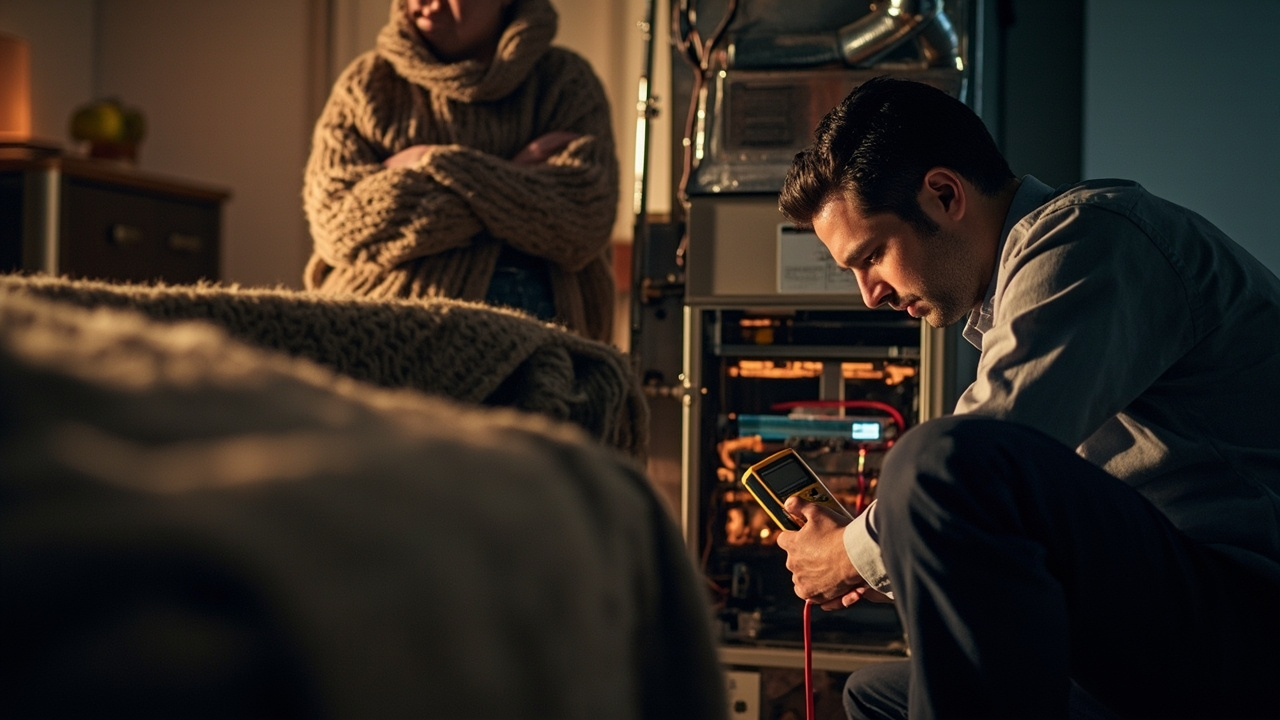
We arrive with diagnostic tools and begin testing your furnace within minutes. We check thermostat settings, verify power supply, and observe a full heating cycle to see where the failure occurs. We measure supply air temperature at the registers to confirm whether the system is producing any heat or running completely cold.
02

Component Testing and Diagnosis

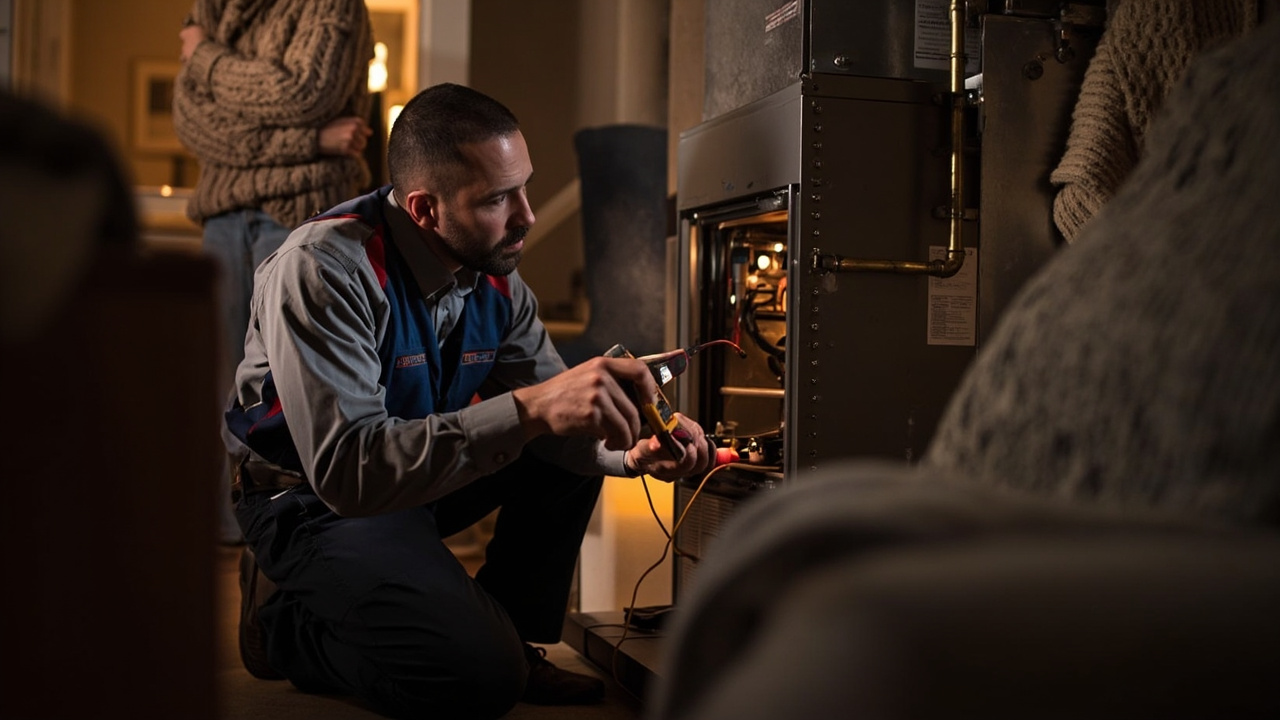
We open the furnace cabinet and test each critical component. We measure voltage at the igniter, check flame sensor microamps, inspect the heat exchanger for cracks, and verify gas valve operation. We use a combustion analyzer to measure oxygen and carbon monoxide levels if combustion is occurring but weak. This identifies whether the problem is electrical, mechanical, or fuel-related.
03

Repair and Heat Restoration

Once we identify the failed component, we make the repair and test the system through multiple heating cycles. We verify proper ignition, stable flame, adequate airflow, and correct supply air temperature. Before we leave, your furnace is producing consistent heat. We explain what failed, why it failed, and how to prevent future problems.

Why Denver Homeowners Choose Fortress HVAC for Cold Air Problems

Denver's altitude and temperature swings create unique furnace stress that generic troubleshooting cannot address. We have diagnosed hundreds of cold air complaints in metro Denver neighborhoods, from Capitol Hill to Highlands Ranch, and we understand how elevation affects combustion and how rapid temperature drops expose weak components.

Most cold air problems stem from ignition failure, dirty flame sensors, or airflow restrictions. These are not emergencies, but they become urgent when outside temperatures drop below 20 degrees. We prioritize same-day service during cold snaps because we know frozen pipes and dangerous indoor temperatures follow quickly when a furnace stops heating.

We stock the most common failure parts for Denver's predominant furnace brands. Hot surface igniters, flame sensors, limit switches, and gas valves are on every truck. This means we complete most repairs in a single visit without waiting for parts shipments.

We also understand Denver's building stock. Older homes in neighborhoods like Washington Park and Baker have furnaces installed in crawl spaces or tight basements with poor ventilation. Newer homes in Stapleton and Green Valley Ranch have high-efficiency furnaces with complex control boards and pressure switches. The diagnostic approach differs based on system age and installation location.

We explain what we find in plain terms. If your furnace is blowing cold air because of a failed igniter, we show you the cracked ceramic and explain why it stopped working. If your system is overheating because of a clogged filter, we show you the restriction and explain how airflow affects limit switch operation. You will understand what failed and why the repair is necessary.

What to Expect When You Schedule Cold Air Repair

Fast Response Times

We prioritize cold air complaints during winter months. Most service calls are scheduled within 24 hours. During severe cold snaps when outdoor temperatures drop below 10 degrees, we offer same-day emergency service. You will receive a two-hour arrival window and a call when the technician is 20 minutes away. We do not leave you guessing when help will arrive.

Thorough Diagnostic Process

We test every component in the heating cycle. This includes the thermostat, control board, igniter, flame sensor, gas valve, limit switch, blower motor, and heat exchanger. We measure voltage, amperage, gas pressure, and supply air temperature. The diagnostic process takes 30 to 60 minutes depending on system complexity. You receive a written report showing what failed and what repair is needed.

Complete Heat Restoration

We do not leave until your furnace is producing consistent heat. After completing the repair, we run the system through multiple heating cycles to verify proper ignition, stable flame, and adequate supply air temperature. We measure airflow and confirm the blower is moving the correct volume of air. You will feel warm air at the registers before we leave.

Preventive Maintenance Recommendations

We explain what caused the failure and how to prevent it from happening again. If your flame sensor failed because of carbon buildup, we recommend annual cleaning during tune-ups. If your igniter cracked because of excessive cycling, we explain how a programmable thermostat reduces wear. We offer maintenance plans that include annual inspections, priority service, and discounted repairs.

Frequently Asked Questions

You Have Questions,
We Have Answers

How do you fix a furnace that blows cold air? +

Start by checking your thermostat. Verify it is set to heat mode, not fan-only, and the temperature is set higher than the current room temp. Replace the batteries if needed. Next, inspect your air filter. A clogged filter restricts airflow and can trigger safety switches. Check your pilot light or ignition system for gas furnaces. If the burners are not igniting, you may have a faulty ignitor or gas valve. In Denver's dry climate, dust buildup on sensors is common. If these steps do not work, call a licensed technician to diagnose control board issues or flame sensor problems.

Why is cold air blowing when the heat is on? +

Cold air when the heat is on typically means your furnace burners are not firing. The blower motor runs, but no combustion happens. Common causes include a dirty flame sensor, which fails to detect the pilot and shuts down the gas valve as a safety measure. A malfunctioning ignitor, bad gas valve, or tripped limit switch can also prevent ignition. In Denver, extreme temperature swings can stress furnace components. Your thermostat may also be misconfigured or wired incorrectly. Check the setting and mode first. If the burners never light, you need professional diagnosis and repair.

Why is my furnace blowing air but not warm? +

Your furnace blows air but not warm because the blower works, but the heat exchanger is not receiving heat. This happens when the burners fail to ignite or stay lit. A dirty flame sensor is the most common culprit. It detects the flame and signals the gas valve to stay open. When coated with soot or carbon, it shuts off the gas prematurely. Other causes include a failed ignitor, blocked gas line, or faulty pressure switch. Denver's altitude and dry air can affect gas combustion efficiency. Replace the filter first, then call a technician if the problem continues.

How do I reset my furnace? +

To reset your furnace, locate the reset button on the blower motor or control board. It is usually red or yellow. Turn off the furnace at the thermostat and the circuit breaker. Wait three to five minutes to allow residual gas to clear and capacitors to discharge. Press the reset button once, then restore power at the breaker. Turn the thermostat back to heat mode. The furnace should attempt to ignite. If it fails or the reset button trips again immediately, stop. Repeated resets can damage components or indicate a serious fault. Call a technician to inspect the system safely.

Should I turn off my furnace if it blows cold air? +

Yes, turn off your furnace if it blows cold air continuously and you suspect a malfunction. Running the blower without heat wastes energy and can strain the motor. If you smell gas, hear unusual clicking, or see error codes flashing, shut down the unit immediately at the thermostat and breaker. This prevents potential safety hazards and further component damage. In Denver's winter, a malfunctioning furnace can freeze pipes quickly, so address the issue fast. After turning it off, call a qualified HVAC technician. Do not attempt repeated restarts. This can worsen electrical or ignition system failures.

How do I fix a blend door actuator? +

Blend door actuators are part of your car's HVAC system, not your home furnace. If you meant a furnace damper actuator, the process differs. A failed damper actuator prevents zoned heating systems from directing airflow correctly. You will need to access the ductwork near the furnace or air handler. Disconnect power first. Remove the actuator mounting screws and unplug the wiring harness. Install the replacement actuator, reconnect the wiring, and test the zone controls. In Denver homes with multi-level heating, actuators fail from frequent cycling. If unsure, hire an HVAC professional to avoid ductwork damage or wiring errors.

How do you fix a heater that blows out cold air? +

Fixing a heater that blows cold air starts with thermostat verification. Confirm it is on heat mode and set above the room temperature. Replace the filter if it is clogged. Inspect the pilot light or ignitor for gas furnaces. If the burners do not light, the flame sensor may need cleaning or replacement. For electric furnaces, check the circuit breaker and heating elements. Denver's dry air causes dust and debris buildup on sensors and igniters, which disrupts normal operation. If basic checks fail, a technician must diagnose control board failures, wiring issues, or failed limit switches.

What is the most expensive part to fix on a furnace? +

The heat exchanger is the most expensive furnace part to replace, often costing as much as a new furnace. It transfers combustion heat to your home's air. Cracks or corrosion allow carbon monoxide to leak, making replacement urgent. Heat exchangers fail from age, poor maintenance, or repeated overheating caused by restricted airflow. In Denver, the freeze-thaw cycle and altitude stress metal components. A cracked heat exchanger usually means replacing the entire furnace. Gas valves, control boards, and blower motors are also costly but less than a heat exchanger. Regular maintenance prevents premature failures and expensive repairs.

What causes cold air to come out of vents? +

Cold air from vents happens when your furnace blower runs without ignition. The burners fail to light, so the blower pushes unheated air through the ducts. Causes include a dirty flame sensor, faulty ignitor, bad gas valve, or tripped limit switch. Your thermostat may also be set to fan mode instead of auto, running the blower continuously regardless of heat. In Denver, dust buildup on flame sensors is frequent due to low humidity. A clogged filter can also trigger safety shutoffs. Start with simple checks like thermostat settings and the filter, then call a technician if needed.

Can hear your furnace click on but it does not fire up? +

A furnace that clicks but does not fire has an ignition or gas supply problem. The click is the ignitor attempting to spark or the gas valve opening. If the burners do not light, the ignitor may be cracked or weak. The flame sensor might be dirty and shutting off the gas immediately after ignition. A blocked gas line, closed manual gas valve, or failed pressure switch can also prevent firing. In Denver, altitude affects gas pressure and combustion. Check the manual gas valve first. If open, the problem requires professional diagnosis. Do not ignore this. Repeated ignition attempts can damage the control board.

How Denver's Elevation Affects Furnace Combustion and Cold Air Issues

Denver sits at 5,280 feet above sea level, where atmospheric pressure is 17 percent lower than at sea level. This reduced oxygen availability affects combustion efficiency in gas furnaces. Burners need proper air-to-fuel ratios to produce a clean, hot flame. At altitude, furnaces can run rich, producing yellow flames and carbon buildup on flame sensors and heat exchangers. This buildup causes flame sensors to fail prematurely, shutting off the burners while the blower continues running. Many cold air complaints in Denver trace back to altitude-related combustion inefficiency that accelerates sensor fouling.

Denver's temperature swings also stress heating systems. A 50-degree temperature drop in 12 hours forces furnaces to run extended heating cycles, exposing weak igniters and worn blower motors. Fortress HVAC Denver has repaired thousands of furnaces across metro Denver, from older homes in Park Hill to new construction in Sterling Ranch. We understand how local climate and elevation affect system performance. Our technicians are trained to adjust combustion at altitude and identify problems specific to Colorado's Front Range environment.

HVAC Services in The Denver Area

Fortress HVAC is proud to serve the Denver area and surrounding communities. We invite you to view our location on the map, which highlights our service area. While we often come directly to you for services, knowing our central base can help you understand our reach. Feel free to contact us with any questions about our service coverage or to schedule an appointment directly.

Address:
Fortress HVAC Denver, 6035 E 38th Ave, Denver, CO, 80207

Additional Services We Offer

Our news updates

Latest Articles & News from The Blogs

Why Your Gas Fireplace Should Not Be Your Only Heat Source in Golden\n\nGolden homeowners often rely on gas fireplaces for…

Why Your Gas Fireplace Should Not Be Your Only Heat Source in Golden

Why Your Gas Fireplace Should Not Be Your Only Heat Source in Golden\n\nGolden homeowners often rely on gas fireplaces for…

Why Your Furnace Venting Needs Special Attention in High Altitude Morrison

Why Your Furnace Venting Needs Special Attention in High Altitude Morrison Living at 5,800 feet in Morrison means your furnace…

How to Integrate Your HVAC with Matter and Apple Home in Central Park

How to Integrate Your HVAC with Matter and Apple Home in Central Park Central Park residents who want their HVAC…

Contact Us

Your furnace should produce warm air, not cold drafts. Call Fortress HVAC Denver at (720) 502-9511 right now. We will diagnose the problem and restore heat fast. Do not spend another cold night waiting.