




Thornton sits at 5,351 feet elevation where thin air makes HVAC systems work harder to heat and cool your home. The Front Range climate hammers equipment with 60-degree temperature swings between day and night during spring and fall. Your furnace runs overtime during sub-zero January nights, then your AC kicks in by March when temperatures spike to 70. This constant cycling wears out components faster than moderate climates.
Thornton's low humidity dries out seals and gaskets while dust from nearby open spaces clogs filters and coils. Homes in older neighborhoods like Thornton Heights and Eastlake were built in the 1970s with original ductwork that leaks conditioned air into crawlspaces. Newer construction in Thornton Town Center and Hunters Glen features tighter building envelopes that trap indoor air pollutants without proper ventilation. Every home faces unique challenges based on age, location, and construction quality. Your HVAC system fights Colorado weather every single day, which explains why breakdowns happen without warning and why regular maintenance matters more here than in temperate regions.
Fortress HVAC Denver built its reputation responding to emergency calls across Thornton when other companies won't answer their phones. We staff technicians seven days a week because furnaces don't wait for Monday morning to quit, and AC failures spike on weekend heat waves. Our dispatch system prioritizes families with young children, elderly residents, and medical needs because going without climate control in Colorado's extremes creates real danger.
Every technician carries diagnostic equipment to identify problems fast and trucks stocked with common parts for same-visit repairs. We don't schedule callbacks to "order parts" when your house is freezing or overheating. Our pricing is transparent before work starts. You get a detailed quote explaining what failed, why it failed, and what it costs to fix. No surprise charges or pressure tactics.
We've worked in every Thornton neighborhood from the original homes near 84th and Washington to new construction along E-470. This experience means we know which HVAC brands hold up in Colorado's climate, which ductwork configurations cause problems, and which shortcuts builders took that create failures down the road. When we diagnose your system, you're getting insight from thousands of service calls across the Front Range.
Our focus is fixing your immediate problem, then giving you straight answers about whether your system has years left or needs replacement. We won't sell you a new furnace if yours can be repaired reliably. We won't patch a failing system that will strand you next month. You get honest assessment from technicians who live in this community and stake their reputation on every call.

When your furnace quits during a January cold snap or your AC dies on a 95-degree July afternoon, we dispatch a technician within hours. Our trucks carry common parts for immediate repairs so you're not waiting days for service. We answer phones seven days a week because HVAC emergencies don't follow business hours.

You get a detailed quote before work starts explaining what failed, what needs fixing, and exactly what it costs. No hidden fees or surprise charges after the work is done. Our technicians walk you through options so you can make informed decisions about repair versus replacement without pressure tactics.
Our technicians carry diagnostic equipment and maintain stocked trucks to complete repairs on the first visit. We don't leave your home to order parts unless it's a rare component. Years of experience across Thornton means we recognize failure patterns quickly and carry the parts that fix most problems immediately.
We've serviced HVAC systems in every Thornton neighborhood from Thornton Heights to Hunters Glen. This experience means we know how different home ages, construction types, and ductwork configurations perform in Colorado's climate. Your service benefits from thousands of calls across the metro area, not generic troubleshooting.
Fortress HVAC Denver handles every heating and cooling need from emergency breakdowns to planned system replacements. Your home's comfort depends on functioning equipment, proper airflow, and regular maintenance to catch small problems before they become expensive failures. We divide our services into emergency repair for immediate breakdowns, system replacement for aging equipment, and preventive maintenance to extend equipment life.
Emergency AC service during summer heat waves keeps your family safe when temperatures hit the 90s. Furnace repair in winter prevents frozen pipes and dangerous indoor temperatures. Central air installation gives you efficient cooling for Colorado's hot months. Heat pump service handles both heating and cooling in one system. Ductwork repair stops conditioned air from leaking into crawlspaces where it does no good.
Our technicians diagnose problems using airflow measurements, refrigerant pressure testing, and electrical system checks. We fix what's broken without pushing unnecessary replacements. When your system reaches end of life, we explain options for high-efficiency equipment that lowers your utility bills while handling Colorado's temperature extremes. Every service call includes a system assessment so you know what's working and what needs attention before it fails at the worst possible time.
Your furnace quits on the coldest night or your AC stops cooling during a heat wave. We respond fast with diagnostic equipment to identify the failure and parts to fix it. Common emergency repairs include replacing failed capacitors, fixing refrigerant leaks, repairing broken fan motors, and restoring electrical connections. Our technicians work until your system is running because going without climate control in Colorado creates real problems fast.
Systems older than 15 years lose efficiency and face frequent breakdowns. We install high-efficiency furnaces, air conditioners, and heat pumps sized correctly for your home's square footage and insulation. Proper installation includes load calculations, ductwork assessment, and refrigerant line sets that meet manufacturer specifications. New equipment lowers utility bills while providing reliable heating and cooling through Colorado's temperature swings. We handle permits and inspections required by Adams County.
Regular maintenance catches small problems before they cause complete system failures. Spring AC tune-ups include cleaning coils, checking refrigerant levels, testing electrical connections, and replacing filters. Fall furnace maintenance includes inspecting heat exchangers for cracks, testing gas valves, checking venting, and calibrating thermostats. These services extend equipment life and prevent the breakdowns that happen on the hottest and coldest days when you need your system most.
Thornton's elevation and climate create specific HVAC challenges that don't exist in moderate regions. Thin air at 5,351 feet means systems move less heat per cycle, so equipment runs longer to reach temperature. Extreme temperature swings between seasons force your furnace and AC into service within weeks of each other instead of gradual transitions. Low humidity dries out rubber seals and gaskets faster, causing refrigerant leaks and air leaks that waste energy.
Dust from construction and open spaces east of town clogs filters quickly, reducing airflow and forcing systems to work harder. Older homes in neighborhoods built before modern insulation standards lose conditioned air through walls and attics. These common problems explain why HVAC systems in Thornton need more frequent service than the national average and why breakdowns happen without warning signs.
Your AC runs constantly but won't cool the house because ice builds up on the evaporator coil. This happens when refrigerant levels drop from leaks, airflow gets restricted by dirty filters, or blower motors fail. Ice blocks heat transfer and damages the compressor if you keep running the system. We thaw coils, fix the root cause, and restore cooling.
Your furnace starts, runs for a minute, then shuts off before the house warms up. This short cycling wastes energy and indicates problems like clogged filters restricting airflow, failed limit switches, or oversized equipment. Colorado's altitude affects combustion, making proper furnace sizing critical. We diagnose why the system can't complete heating cycles and fix the underlying issue.
Your master bedroom stays cold while the living room overheats, or upstairs rooms are 10 degrees warmer than downstairs. This points to ductwork problems like disconnected joints, undersized return air, or blocked vents. Many Thornton homes have flex duct in attics that sags over time, restricting airflow. We test airflow at each register and repair ductwork issues.
Your gas and electric bills climb but your home never feels comfortable. Old equipment loses efficiency as components wear out. Refrigerant leaks make AC systems run longer without cooling properly. Cracked heat exchangers waste gas without producing heat. Duct leaks dump conditioned air into crawlspaces. We perform efficiency testing to identify where your money is going and recommend repairs.
From your first phone call to completed repairs, we focus on clear communication and fast service. You talk to a real person who gathers information about your problem, not a voicemail system. Our dispatcher asks questions to understand whether you need emergency service or can schedule a convenient time. We give you an arrival window and call if the technician is running early or late.
When the technician arrives, expect a uniformed professional with ID who respects your home by using floor protection and cleaning up completely. Diagnostic work takes 30 to 60 minutes depending on the problem. You get a detailed explanation of what failed, why it failed, and what it takes to fix it. If you have an older system, we discuss whether repair makes financial sense versus replacement based on the equipment's condition and expected remaining life.
After repairs, we test the system through full heating or cooling cycles to verify proper operation. You receive documentation of work completed, parts installed, and warranty information. We program thermostats, show you how to change filters, and answer questions about operating your system efficiently. Emergency repairs get priority so you're not without heating or cooling overnight.
Our technicians explain problems in plain language without industry jargon. You see the failed part and understand why it stopped working. We discuss repair costs versus replacement value honestly. If your 20-year-old furnace needs a $900 repair but will likely face another failure soon, we tell you. If your 5-year-old system has a simple fix that gives you years of reliable service, we recommend repair. You make informed decisions without sales pressure.
Emergency calls get dispatched within hours because we understand Colorado weather doesn't allow delays. Our technicians drive stocked trucks with common parts to complete repairs on the first visit. You're not waiting days for parts to arrive while your house freezes or overheats. We prioritize homes with young children, elderly residents, or medical needs. Weekend and evening calls receive the same urgent attention as weekday service.
We don't consider the job done until your system runs through complete heating or cooling cycles without issues. This includes checking airflow at all registers, verifying thermostat operation, measuring temperature output, and testing safety controls. You receive documentation of repairs, installed parts with serial numbers, and warranty coverage. We show you what we fixed and explain what to watch for going forward.
We keep the repair process simple because you're dealing with a broken system and need it fixed fast. Three steps get your heating or cooling restored without confusion or delays.
You call (720) 502-9511 and describe the problem to our dispatcher. We ask about symptoms like strange noises, complete failure, or reduced performance. Emergency situations get same-day dispatch. Routine maintenance or non-urgent repairs schedule at your convenience. You receive a two-hour arrival window and a call when the technician is on the way. We respect your time with reliable scheduling.
Our technician examines your system using diagnostic tools to identify the failure. This takes 30 to 60 minutes depending on complexity. You get a detailed explanation of what broke, why it failed, and what's needed to fix it. The quote includes parts, labor, and any permits required. If you have options like repair versus replacement, we explain costs and benefits of each choice so you can decide what works for your situation.
Once you approve the quote, we complete repairs using quality parts backed by manufacturer warranties. After installation, we test the system through full heating or cooling cycles to verify proper operation. You see the system working before we leave. We clean the work area completely, program your thermostat, and provide documentation of all work performed with warranty information and maintenance recommendations.
Colorado's Front Range climate and elevation create unique demands on HVAC equipment that affect performance, efficiency, and service life. At Thornton's 5,351-foot elevation, air density is roughly 17 percent lower than sea level. This matters because heating and cooling systems move thermal energy by circulating air across heat exchangers and coils. Thinner air carries less heat per cubic foot, forcing equipment to run longer cycles to achieve the same temperature change.
Furnace combustion changes at altitude because less oxygen is available per cubic foot of air. Natural gas furnaces rated at 80 percent AFUE at sea level perform closer to 76 percent at this elevation without high-altitude adjustments. Manufacturers provide orifice kits to adjust gas flow for proper combustion, but many older furnaces in Thornton never received this modification. Improper combustion wastes fuel, creates sooting, and produces carbon monoxide.
Air conditioning faces challenges from temperature swings and low humidity. Refrigerant systems depend on pressure differentials between evaporator and condenser coils. When outdoor temperatures spike from 50 degrees at night to 95 during afternoon, the condenser struggles to reject heat efficiently. Low humidity below 20 percent during winter dries out rubber seals in refrigerant lines, causing leaks that reduce cooling capacity. We pressurize systems with nitrogen before charging refrigerant to verify zero leaks.
Adams County requires permits for furnace and AC replacements but not repairs. Inspection focuses on proper venting, gas line connections, electrical disconnects, and refrigerant recovery. Ductwork modifications need sealed connections meeting current building codes. We handle permitting and coordinate inspections so installation complies with local requirements. Many contractors skip permits to save time, leaving homeowners liable for unpermitted work if problems arise.
Proper equipment sizing requires Manual J load calculations accounting for square footage, insulation values, window areas, and orientation. Oversized equipment short cycles without dehumidifying properly. Undersized systems run continuously without reaching set temperatures. We calculate actual heating and cooling loads before recommending equipment, not rule-of-thumb estimates based on square footage alone.
Natural gas furnaces require orifice modifications for proper combustion at 5,351 feet. Without high-altitude kits, furnaces burn rich, producing carbon monoxide and sooting. AC systems need refrigerant charges adjusted for lower atmospheric pressure affecting suction line performance. We verify all equipment meets manufacturer specifications for Colorado installation, not generic sea-level ratings that don't apply here.
Replacement costs depend on equipment efficiency, capacity, and installation complexity. Higher SEER ratings cost more upfront but lower utility bills. Two-stage and variable-speed systems provide better comfort but increase price. Ductwork modifications, electrical upgrades, and difficult installations add labor. We provide detailed quotes explaining equipment choices and installation requirements so you understand what drives the investment.
Furnaces typically last 15 to 20 years in Colorado with regular maintenance. Air conditioners average 12 to 15 years before efficiency drops and repairs become frequent. Heat pumps face shorter lifespans of 10 to 14 years because they run year-round for heating and cooling. Neglected systems fail sooner while maintained equipment reaches upper service life limits. Age affects our repair recommendations.
Adams County requires permits for system replacements and major modifications. Inspectors verify proper venting, gas connections, electrical disconnects, and refrigerant handling. Ductwork must meet current sealing standards. We obtain permits, schedule inspections, and ensure installations pass on first review. Unpermitted work creates problems if you sell your home or file insurance claims after equipment failures.
This video examines HVAC system performance challenges specific to Thornton, Colorado at 5,351 feet elevation. Topics include high-altitude combustion adjustments for furnaces, refrigerant system performance in low humidity, common failure patterns from temperature extremes, diagnostic procedures for frozen coils and short cycling, equipment sizing for Colorado climate, Adams County permit requirements, and service coverage across Thornton neighborhoods including Thornton Heights, Eastlake, and Hunters Glen.
Fortress HVAC Denver services every neighborhood across Thornton from the original residential areas near 84th and Washington to new developments along E-470. We respond to calls in Thornton Heights where 1970s ranch homes face aging ductwork and original equipment due for replacement. Eastlake residents deal with first-generation HVAC systems in homes built during Thornton's initial growth. These older neighborhoods feature mature trees that shade outdoor condenser units, affecting performance differently than newer construction.
The Thornton Town Center area combines residential and commercial properties with modern HVAC demands. Homes built in the past 15 years feature higher-efficiency equipment but face warranty expirations bringing service needs. Hunters Glen to the east includes larger homes with zoned systems requiring specialized diagnostics when one zone fails while others work properly. Ductwork in two-story homes battles Colorado's temperature stratification where heat rises in winter and upper floors overheat.
North of 136th Avenue, development continues with new construction featuring variable-speed systems and smart thermostats. These modern installations need technicians familiar with advanced controls and communicating equipment, not just basic furnace repair skills. We service homes near the Rocky Mountain Arsenal National Wildlife Refuge where dust and allergens affect filter life and indoor air quality. Properties along the I-25 corridor face road noise that homeowners try to mitigate by closing vents, creating airflow problems we diagnose regularly.
Westminster borders Thornton to the south where we serve customers along the boundary who received our contact information from Thornton neighbors. Northglenn to the west features similar housing stock and climate conditions creating comparable HVAC challenges. Our service area extends to Broomfield and Commerce City because HVAC emergencies don't respect city boundaries, and we respond to calls across Adams County. The entire northern Front Range deals with identical elevation effects, temperature swings, and low humidity that define HVAC performance in this region.
We know which neighborhoods have undersized gas services affecting furnace upgrades, where subdivision builders used cheap ductwork that needs replacement, and which areas face restricted attic access complicating repairs. This knowledge comes from years of service calls across every section of Thornton. When you call us, you're getting a technician who has worked on systems like yours in homes like yours throughout your neighborhood.
The $5000 rule is a guideline to help you decide between repair and replacement. Multiply the age of your system by the repair cost. If the result exceeds $5000, replacement makes better financial sense. For example, a 12-year-old unit needing $500 in repairs equals $6000, suggesting replacement. In Thornton, where temperature swings stress aging equipment, this rule helps avoid pouring money into systems nearing failure. Factor in efficiency gains too. Newer units cut energy bills by 20-40 percent, offsetting upfront costs over time.
Average HVAC jobs in Thornton vary widely based on scope. Simple repairs like thermostat replacement or capacitor swaps run lower. Blower motor or compressor replacements cost more. Full system replacements represent the largest investment. Factors include equipment brand, SEER rating, home size, and ductwork condition. Thornton's climate demands reliable heating and cooling, so quality matters. Emergency calls outside business hours typically cost more. Get multiple quotes, ask about financing, and verify proper licensing. Price alone does not indicate value. Focus on equipment quality and installation expertise.
A new HVAC system typically represents a significant investment for Thornton homeowners. Cost depends on equipment efficiency, brand, system size, and installation complexity. Higher SEER-rated units cost more upfront but reduce monthly energy bills. Two-stage or variable-speed systems provide better comfort and efficiency. Ductwork modifications, permit fees, and old equipment removal add to total cost. Thornton's elevation and temperature extremes require properly sized equipment. Undersized systems struggle during summer heat. Oversized systems short-cycle and waste energy. Professional load calculations ensure correct sizing for your specific home.
The $5000 rule is a guideline to help you decide between repair and replacement. Multiply the age of your system by the repair cost. If the result exceeds $5000, replacement makes better financial sense. For example, a 12-year-old unit needing $500 in repairs equals $6000, suggesting replacement. In Thornton, where temperature swings stress aging equipment, this rule helps avoid pouring money into systems nearing failure. Factor in efficiency gains too. Newer units cut energy bills by 20-40 percent, offsetting upfront costs over time.
Average HVAC jobs in Thornton vary widely based on scope. Simple repairs like thermostat replacement or capacitor swaps run lower. Blower motor or compressor replacements cost more. Full system replacements represent the largest investment. Factors include equipment brand, SEER rating, home size, and ductwork condition. Thornton's climate demands reliable heating and cooling, so quality matters. Emergency calls outside business hours typically cost more. Get multiple quotes, ask about financing, and verify proper licensing. Price alone does not indicate value. Focus on equipment quality and installation expertise.
A new HVAC system typically represents a significant investment for Thornton homeowners. Cost depends on equipment efficiency, brand, system size, and installation complexity. Higher SEER-rated units cost more upfront but reduce monthly energy bills. Two-stage or variable-speed systems provide better comfort and efficiency. Ductwork modifications, permit fees, and old equipment removal add to total cost. Thornton's elevation and temperature extremes require properly sized equipment. Undersized systems struggle during summer heat. Oversized systems short-cycle and waste energy. Professional load calculations ensure correct sizing for your specific home.
For a 1200 square foot home in Thornton, system size and cost depend on multiple factors beyond just square footage. Insulation quality, window efficiency, ceiling height, and sun exposure all impact heating and cooling loads. Most homes this size need a 1.5 to 2.5-ton system. Equipment efficiency, brand selection, and ductwork condition affect final pricing. Thornton's dry climate and temperature swings require balanced heating and cooling capacity. Proper sizing prevents short-cycling and ensures comfort. Get a Manual J load calculation before purchasing. This scientific approach prevents costly oversizing or undersizing mistakes.
For a 1200 square foot home in Thornton, system size and cost depend on multiple factors beyond just square footage. Insulation quality, window efficiency, ceiling height, and sun exposure all impact heating and cooling loads. Most homes this size need a 1.5 to 2.5-ton system. Equipment efficiency, brand selection, and ductwork condition affect final pricing. Thornton's dry climate and temperature swings require balanced heating and cooling capacity. Proper sizing prevents short-cycling and ensures comfort. Get a Manual J load calculation before purchasing. This scientific approach prevents costly oversizing or undersizing mistakes.
Fortress HVAC is proud to serve the Denver area and surrounding communities. We invite you to view our location on the map, which highlights our service area. While we often come directly to you for services, knowing our central base can help you understand our reach. Feel free to contact us with any questions about our service coverage or to schedule an appointment directly.
Address:
Thornton, CO, 80229
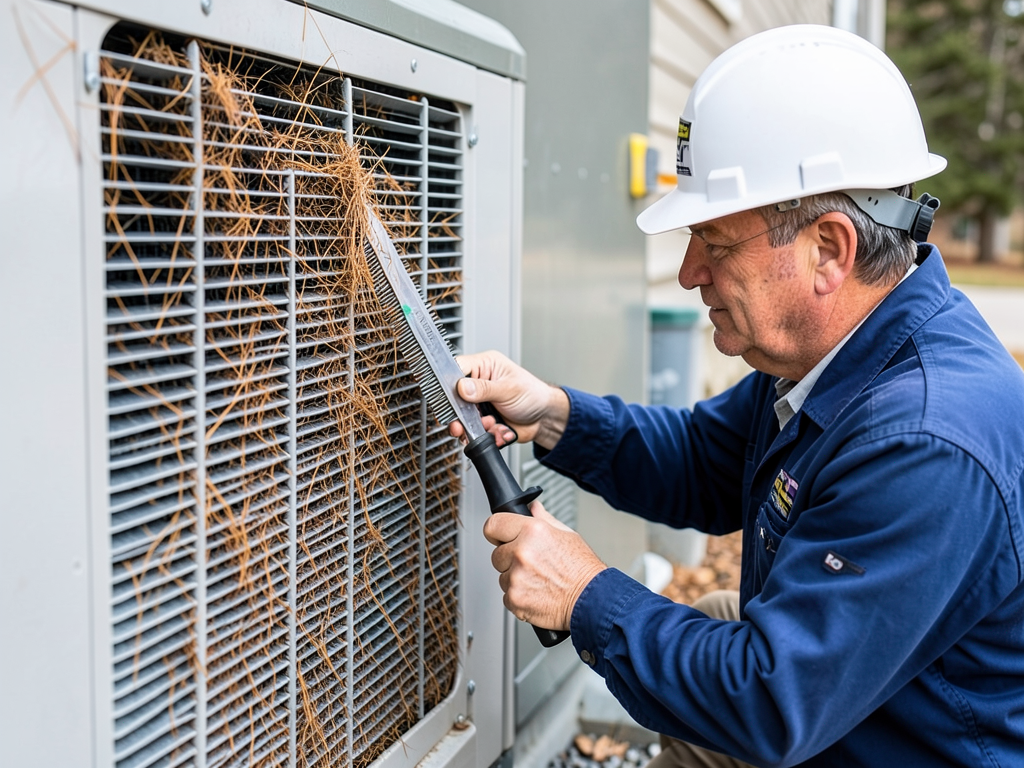
Why Pine Needles are a Unique Threat to Denver AC Units Living in Genesee means dealing with the beautiful but challenging mountain environment. The pine trees that give your property its scenic charm can wreak…

Why Your Gas Fireplace Should Not Be Your Only Heat Source in Golden\n\nGolden homeowners often…
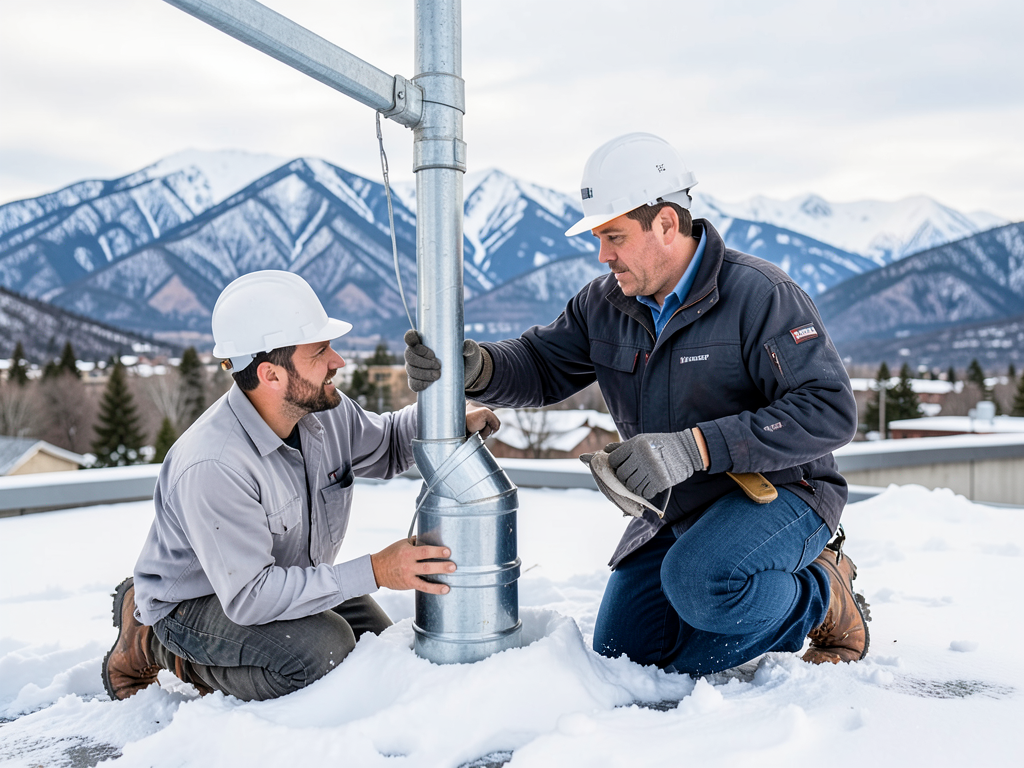
Why Your Furnace Venting Needs Special Attention in High Altitude Morrison Living at 5,800 feet…
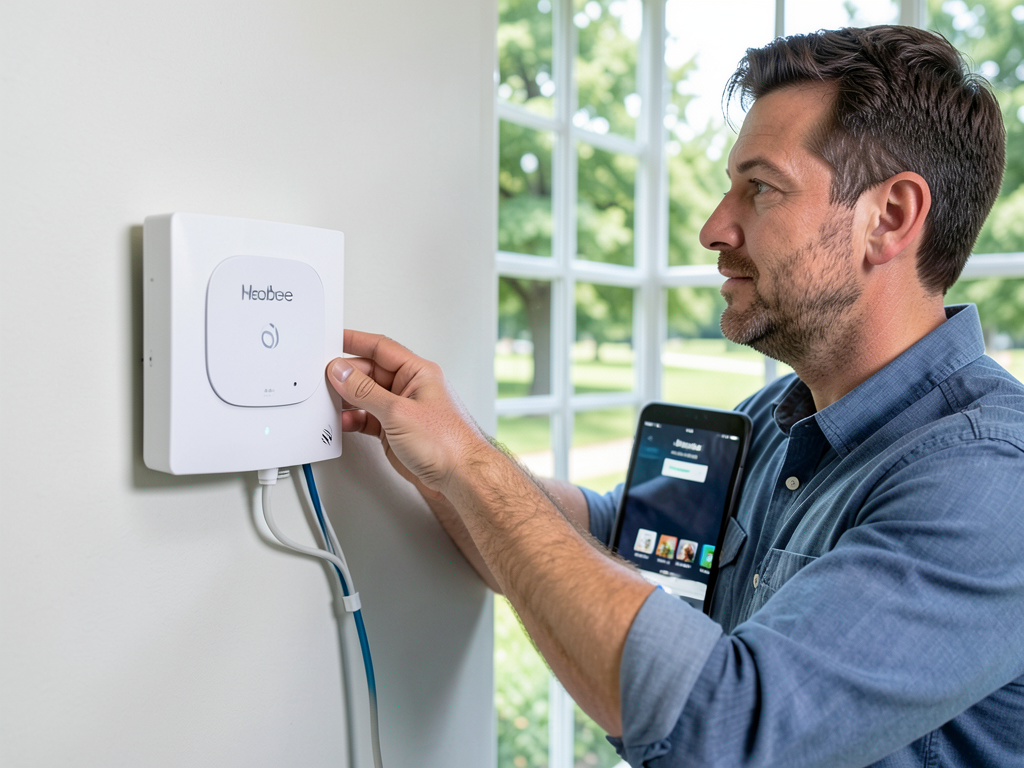
How to Integrate Your HVAC with Matter and Apple Home in Central Park Central Park…
Your furnace or AC won't fix itself, and Colorado weather doesn't wait. Call Fortress HVAC Denver at (720) 502-9511 right now for same-day service. We dispatch technicians fast, diagnose problems accurately, and complete repairs so your home stays comfortable.