





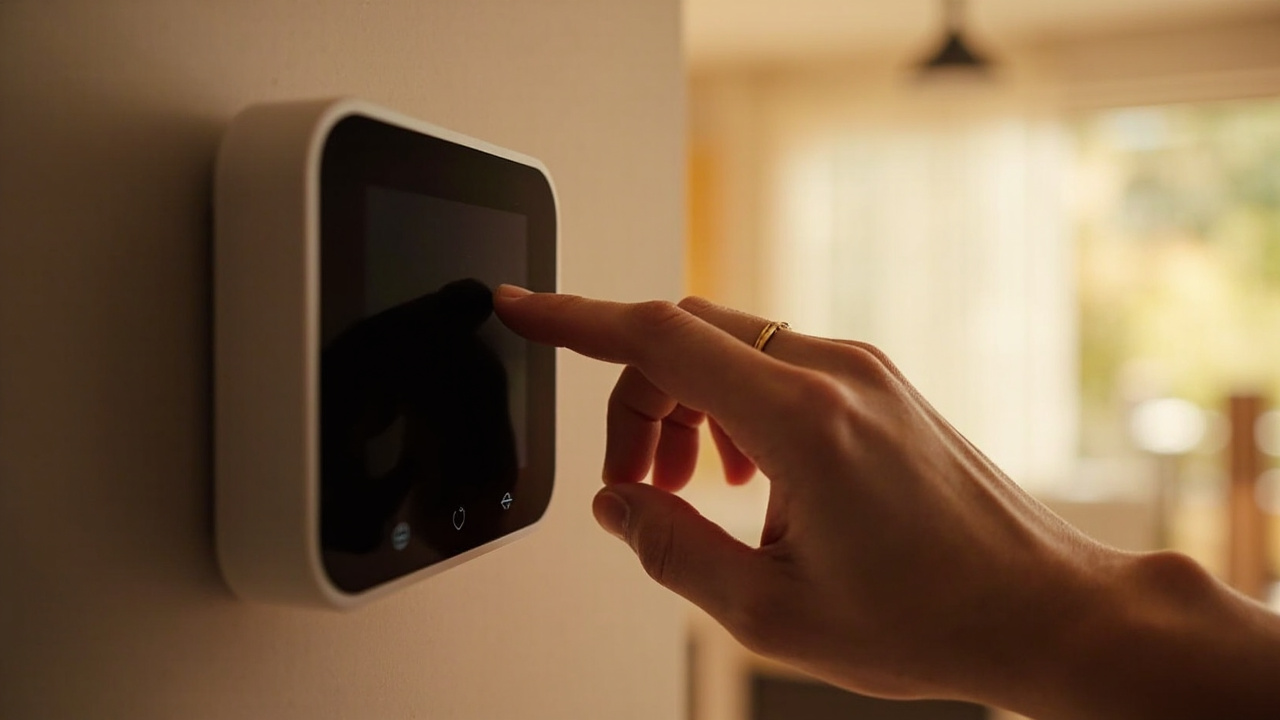

Denver's 5,280-foot elevation creates lower air density that affects cooling in electronic components. Thermostats generate heat from internal circuits, and the thinner air provides less convective cooling. This accelerates capacitor aging and causes premature failure in displays that run continuously. Summer afternoon thunderstorms along the Front Range produce frequent voltage spikes that stress low-voltage transformers. Older homes in neighborhoods like Washington Park and Berkeley still run on original electrical panels from the 1960s with minimal surge protection, making thermostat screen failures more common during storm season from May through August.
We work with Denver's mix of residential electrical systems daily, from knob-and-tube wiring in Curtis Park Victorian homes to modern smart panels in Stapleton developments. Our familiarity with Xcel Energy's grid characteristics and how Denver's dry climate affects electrical connections means we diagnose failures faster than out-of-area contractors. We also understand local permit requirements when upgrading control wiring or replacing transformers, ensuring your repair meets city electrical code without delays or failed inspections that leave you without climate control.