




Glendale sits at 5,331 feet, where thin air forces HVAC systems to work harder than units at sea level. Your compressor cycles more frequently. Your furnace compensates for lower oxygen. Every component endures greater thermal stress because temperature swings of 40 degrees in a single day are common here.
The Cherry Creek basin traps cold air in winter, pushing furnaces beyond design limits during multi-day freezes. Summer heat reflecting off concrete in Virginia Village and Four Hills drives cooling demand past what standard AC units expect. When systems fail here, they fail hard because altitude and climate never give equipment a break.
Denver metro building codes require specific BTU calculations for elevation, but many contractors use sea-level formulas and undersize systems. That creates short-cycling, frozen coils in summer, and cracked heat exchangers in winter. Glendale homes near Colorado Boulevard face additional strain from traffic pollution clogging filters faster than suburban areas. Your system breathes dirtier air and works harder doing it.
We stock trucks five minutes from Glendale because emergency calls here spike when weather shifts fast. You call at 8 AM about no heat, we dispatch by 8:15. Other companies route from Aurora or Lakewood and burn an hour just reaching you. We keep inventory specific to altitude rated systems, high efficiency furnaces that handle low oxygen combustion, and AC units built for rapid cycling.
Our techs train on altitude specific failures that sea level mechanics never see. We recognize when a compressor fails from thin air stress versus refrigerant loss. We spot heat exchanger cracks caused by rapid temperature cycling, not just age. When we diagnose your system, we account for Glendale's elevation, microclimate near Cherry Creek, and seasonal stress patterns that break equipment differently than they do in Boulder or Colorado Springs.
We serve Glendale homes from Virginia Village to Infinity Park, and we know the housing stock. Post war bungalows with undersized ductwork. Mid century ranch homes with original furnaces running past safe service life. New construction near Colorado Center with builder grade systems already failing. Every neighborhood has HVAC problems specific to age, design, and local conditions. We fix what actually breaks here, not what breaks in a training manual written for Dallas.
Fortress HVAC Denver guarantees same day service within Glendale city limits when you call before 3 PM. We guarantee parts availability for 90 percent of residential systems without special ordering. We guarantee techs who understand why your system failed and how to prevent the next breakdown.

We station trucks in Glendale, not metro warehouses an hour away. Call before 3 PM and we arrive same day. Your furnace quits Monday morning, we're diagnosing it by lunch. No waiting three days for an appointment window while your pipes freeze or your family sweats through July heat.

Every tech completes altitude specific training for combustion analysis, airflow calculations, and component stress patterns unique to 5,000 feet. We diagnose failures other companies miss because we understand how thin air breaks systems differently. Your equipment operates in conditions most HVAC schools never teach.
We stock altitude rated components, high efficiency heat exchangers, and refrigerant blends matched to elevation. Most repairs finish same visit because we carry what breaks in Glendale systems. No waiting days for parts shipment while you run space heaters or window units.
We've repaired systems through every weather extreme Glendale throws at equipment. Polar vortex freezes, July heat waves, hail damage, rapid freeze thaw cycles. We know which systems survive here and which fail fast. That knowledge guides every repair recommendation we make.
Fortress HVAC Denver handles every heating and cooling need from emergency breakdowns to planned system replacements. We repair furnaces, air conditioners, heat pumps, and ductless mini splits. We replace failed systems with altitude rated equipment sized correctly for Glendale elevation and climate. We maintain systems to prevent failures before they happen.
Our service range covers emergency repairs when systems quit without warning, planned maintenance that extends equipment life, and full system replacements when repair costs exceed replacement value. Every service includes altitude adjusted diagnostics, climate appropriate recommendations, and parts rated for thin air operation.
We separate services into emergency response for active failures, preventive maintenance for system longevity, and system replacement for equipment beyond economical repair. Each category addresses different customer needs, from stopping damage now to planning upgrades that lower monthly utility bills.
Your furnace quits at midnight in January. Your AC fails during a July heat wave. We answer emergency calls around the clock because HVAC failures don't wait for business hours. Our techs diagnose problems fast, explain repair options clearly, and restore comfort the same visit when parts allow. We handle refrigerant leaks, failed compressors, cracked heat exchangers, frozen coils, and electrical failures that stop systems cold.
Old systems eventually cost more to repair than replace. We install high efficiency furnaces, central air conditioners, and heat pumps engineered for 5,000 foot elevation. Every installation includes Manual J load calculations adjusted for altitude, ductwork inspection and sealing, and refrigerant charging protocols specific to thin air. We remove old equipment, install new systems, and verify performance before we leave.
Annual maintenance catches small problems before they become expensive failures. We inspect heat exchangers for cracks, test capacitors before they fail, clean coils clogged by Front Range dust, and verify refrigerant charge at altitude. Regular service extends equipment life, maintains efficiency, and prevents breakdowns during temperature extremes when you need your system most. We offer scheduled maintenance plans for both heating and cooling.
Glendale's climate and elevation create specific HVAC failures that happen more often here than in lower altitude cities. Rapid temperature changes stress components beyond design limits. Thin air reduces combustion efficiency and forces compressors to cycle more frequently. Dry climate increases static electricity that damages control boards.
Homes near Colorado Boulevard and Cherry Creek trap pollutants that clog filters weekly instead of monthly. Older neighborhoods with mature trees deal with cottonwood seeds and leaf debris overwhelming outdoor units every spring and fall. New construction near Infinity Park often has undersized ductwork that reduces airflow and freezes coils even when outdoor temperatures stay mild.
These problems compound when systems age past ten years. Small inefficiencies become major failures. Equipment designed for sea level operation struggles at 5,331 feet. Components wear faster, break harder, and cost more to ignore.
Low airflow from clogged filters or undersized ductwork freezes coils even when it's 90 degrees outside. Ice blocks refrigerant flow, kills cooling capacity, and floods your furnace cabinet when it melts. Altitude reduces air density, making proper airflow harder to achieve. We diagnose airflow restrictions and fix them before coils freeze again.
Glendale temperature swings of 40 degrees in 12 hours expand and contract metal until it cracks. Cracked heat exchangers leak carbon monoxide into your home and require immediate furnace replacement. We test for cracks during every maintenance visit and catch them before they endanger your family.
Systems sized for sea level operation run too large at 5,000 feet. Oversized equipment short cycles, wastes energy, and wears out fast. Your AC runs three minutes then shuts off. Your furnace fires for 90 seconds then quits. We recalculate loads for altitude and install correctly sized systems.
Reduced air density at altitude forces compressors to work harder moving refrigerant. They overheat, fail electrically, or seize mechanically. Compressor replacement costs thousands, but proper refrigerant charging and regular maintenance prevents most failures. We verify charge levels using altitude adjusted protocols every manufacturer requires but most techs skip.
You call with a problem. We answer with solutions. Our process focuses on fast diagnosis, clear communication, and repairs that last. You won't wait days for service or wonder what we're doing in your basement. We explain problems in plain language, show you failed components, and give you repair options with honest pricing.
Emergency calls get same day dispatch. Maintenance appointments schedule at your convenience. Replacement quotes include multiple equipment options at different price points. Every service starts with a real person answering your call and ends with your system working correctly. We don't leave until you have heat in winter or cooling in summer.
Call our dispatch line and reach a real person who understands HVAC emergencies. Describe your problem and get immediate scheduling, often same day for urgent calls. Our dispatcher explains what to expect, confirms your address, and gives you a arrival window we actually hit. No phone trees, no waiting until Tuesday, no vague four hour windows that waste your day.
Our tech arrives, examines your system, and tests components until we identify the exact failure. We show you the broken part, explain why it failed, and present repair options. You get honest recommendations about whether repair makes sense or replacement saves money long term. We never push unnecessary equipment, but we won't patch a system that's dying either.
We install altitude rated parts, follow manufacturer protocols adjusted for elevation, and test system performance before leaving. Your repair includes verification that airflow meets specs, refrigerant charge matches altitude requirements, and safety controls function correctly. We guarantee our work because we do it right the first time.
We keep service simple. Call with a problem, we diagnose it accurately, then fix it right. No mystery fees, no surprise charges, no drawn out timelines.
Call (720) 502-9511 and describe your HVAC problem. Our dispatcher schedules service, often same day for emergencies. You get a confirmed arrival window and direct contact information for your assigned tech. We call 20 minutes before arrival so you're not waiting around wondering when we'll show up.
Your tech examines the system, runs diagnostic tests, and identifies the failure. We explain what broke, why it happened, and what repair involves. You get upfront pricing before any work starts. Approve the repair and we complete it the same visit when parts are available.
We install parts, test system operation, and verify performance meets manufacturer specs for altitude. Your system runs correctly before we leave. You get documentation of work completed, parts installed, and warranty information. We answer questions, explain maintenance needs, and make sure you understand how to prevent future problems.
Operating HVAC equipment at 5,331 feet requires engineering adjustments that many contractors ignore. Air density drops 17 percent compared to sea level, which reduces heat transfer efficiency and changes combustion requirements. Standard BTU calculations fail here because they assume sea level air density.
Manual J load calculations must incorporate altitude correction factors specified in ACCA standards. A furnace rated for 80,000 BTU at sea level delivers only 66,400 effective BTU in Glendale. Undersizing systems by ignoring altitude leaves homes cold in winter. Oversizing them creates short cycling and premature failure.
Refrigerant charging follows different protocols at altitude. Standard subcooling and superheat targets shift because saturation pressure changes with elevation. We use manufacturer altitude charts, not generic charging guidelines. Incorrect charge kills compressors fast when systems cycle against incorrect head pressure.
Combustion analysis requires different acceptable ranges for carbon monoxide and oxygen levels. Natural draft furnaces lose 20 percent efficiency at 5,000 feet compared to sea level operation. Sealed combustion or induced draft systems compensate better but require proper venting sized for reduced air density. We verify draft pressure, flue gas temperature, and CO levels on every furnace service.
Denver adopted the 2021 International Mechanical Code with Colorado amendments that specify altitude corrections for equipment sizing. Installations must follow ASHRAE 62.2 ventilation standards adjusted for elevation. We pull permits for system replacements because inspectors verify our work meets code. Contractors who skip permits skip inspections and often install systems wrong.
Manual J heat load calculations must include altitude correction factors or systems size wrong. We multiply cooling loads by 1.17 and adjust heating BTU output for reduced combustion efficiency. Proper calculations prevent undersized systems that can't keep up and oversized systems that short cycle and waste energy.
System replacement costs vary based on equipment efficiency, ductwork condition, and installation complexity. High efficiency furnaces cost more upfront but save hundreds yearly in gas bills. Ductwork sealing and insulation often matter more than equipment brand. We quote multiple options so you choose the system that fits your budget and goals.
Emergency repairs take two to four hours when we stock parts. System replacements require one to two days including ductwork modifications and final testing. Preventive maintenance appointments run 60 to 90 minutes for thorough inspection. We give accurate time estimates and hit them consistently.
Colorado requires mechanical contractors hold active licenses and carry liability insurance. We maintain both and pull permits for installations that require inspection. Code compliance protects you legally and ensures systems install safely. Unlicensed contractors save money by skipping requirements that matter when equipment fails or homes sell.
This video explains how altitude and climate affect HVAC system performance in Glendale, Colorado. Topics include why evaporator coils freeze, how thermal stress cracks heat exchangers, altitude adjusted refrigerant charging protocols, and proper load calculations for 5,000 foot elevation. Viewers learn to identify altitude specific failures and choose contractors qualified for high altitude HVAC service and repair.
Fortress HVAC Denver services all Glendale residential areas from Virginia Village to Infinity Park. We respond to calls along Colorado Boulevard where commercial density increases cooling loads and pollution clogs filters faster. We service homes near Cherry Creek where cold air settles in winter and forces furnaces past design limits during multi day freezes.
Four Hills residents call us for system replacements in mid century ranch homes where original ductwork undersizes for modern high efficiency equipment. We've upgraded dozens of furnaces in this neighborhood and know which models fit existing infrastructure without expensive duct modifications. Virginia Village presents different challenges with post war construction, smaller footprints, and limited mechanical space that restricts equipment options.
The Infinity Park area features newer construction with builder grade HVAC systems already failing after five years. Cheap equipment installed fast doesn't survive Colorado climate. We replace failed systems with properly sized units that last. These homes often have spray foam insulation that changes ventilation requirements and affects system sizing calculations.
Glendale's eastern boundary along Colorado Boulevard connects directly to Denver neighborhoods, and we service that metro transition zone where city density meets suburban housing patterns. West toward University Boulevard the housing stock shifts older with mature trees that drop debris on outdoor units every fall. We clean condensers clogged with cottonwood seeds every spring in this area.
Our service area extends throughout the greater Glendale metro including adjacent areas of Denver. We know the microclimates, housing types, and HVAC problems specific to each neighborhood. That local knowledge guides our diagnostic process and repair recommendations. A frozen coil in Virginia Village has different root causes than the same symptom in Infinity Park, and we diagnose based on location specific factors.
The $5000 rule helps you decide between repairing or replacing your HVAC system. Multiply the age of your unit by the repair cost. If the total exceeds $5000, replacement makes more financial sense. For example, if your 12-year-old furnace needs a $500 repair, that equals $6000, so you should replace it. In Glendale, where temperature swings stress aging equipment, this rule helps you avoid throwing money at a system near failure. Consider energy efficiency gains too. Newer systems cut utility bills, which offsets replacement costs over time.
A new HVAC system varies widely based on size, efficiency rating, and installation complexity. Expect to budget for both the equipment and labor. In Glendale, altitude affects system sizing and performance, so proper load calculations matter. Single-stage units cost less upfront but run less efficiently. Variable-speed systems cost more but deliver better comfort and lower monthly bills. Ductwork modifications, permits, and refrigerant type also impact the final price. Get multiple quotes from licensed contractors who perform Manual J load calculations specific to your home's square footage and insulation levels.
A 3000 square foot house needs a system sized between 3.5 to 5 tons, depending on insulation quality, window efficiency, ceiling height, and sun exposure. In Glendale's high-altitude climate, proper sizing becomes critical because undersized units run constantly while oversized units short-cycle and waste energy. A licensed technician should perform a Manual J load calculation rather than using rough square footage estimates. Factors like your home's orientation, attic insulation R-value, and ductwork condition all affect the required capacity. Never let anyone size your system based on square footage alone.
The $5000 rule helps you decide between repairing or replacing your HVAC system. Multiply the age of your unit by the repair cost. If the total exceeds $5000, replacement makes more financial sense. For example, if your 12-year-old furnace needs a $500 repair, that equals $6000, so you should replace it. In Glendale, where temperature swings stress aging equipment, this rule helps you avoid throwing money at a system near failure. Consider energy efficiency gains too. Newer systems cut utility bills, which offsets replacement costs over time.
A new HVAC system varies widely based on size, efficiency rating, and installation complexity. Expect to budget for both the equipment and labor. In Glendale, altitude affects system sizing and performance, so proper load calculations matter. Single-stage units cost less upfront but run less efficiently. Variable-speed systems cost more but deliver better comfort and lower monthly bills. Ductwork modifications, permits, and refrigerant type also impact the final price. Get multiple quotes from licensed contractors who perform Manual J load calculations specific to your home's square footage and insulation levels.
A 3000 square foot house needs a system sized between 3.5 to 5 tons, depending on insulation quality, window efficiency, ceiling height, and sun exposure. In Glendale's high-altitude climate, proper sizing becomes critical because undersized units run constantly while oversized units short-cycle and waste energy. A licensed technician should perform a Manual J load calculation rather than using rough square footage estimates. Factors like your home's orientation, attic insulation R-value, and ductwork condition all affect the required capacity. Never let anyone size your system based on square footage alone.
A 1200 square foot house needs a 1.5 to 2.5 ton system, depending on layout, insulation, and window quality. In Glendale, older homes often lack adequate insulation, which increases load requirements. Your contractor should calculate heat gain and loss using Manual J methodology before recommending equipment size. Single-story homes with good attic insulation need less capacity than multi-story homes with poor sealing. Ductwork condition matters too. Leaky ducts force you to oversize equipment, which costs more upfront and wastes energy. Seal ducts first, then size equipment properly.
Air conditioner sizing for a 2000 square foot home depends on insulation, window efficiency, and ceiling height. You need between 2.5 to 4 tons of cooling capacity. In Glendale, where summer temperatures climb and altitude affects performance, proper sizing prevents short-cycling and humidity problems. A Manual J load calculation accounts for your home's specific heat gain factors. Higher SEER ratings cost more upfront but reduce monthly bills. Split systems offer flexibility for zoning. Avoid contractors who size based on square footage alone. Demand load calculations and written equipment specifications.
The 3 minute rule prevents compressor damage by allowing refrigerant pressures to equalize before restarting. After your AC shuts off, wait at least 3 minutes before turning it back on. Starting the compressor under unequalized pressure strains the motor and shortens its lifespan. Modern thermostats include built-in delay timers for protection. In Glendale's variable climate, frequent temperature adjustments tempt homeowners to constantly fiddle with thermostats. Resist that urge. Set your temperature and leave it. Constant adjustments waste energy and stress components. Let your system cycle naturally.
HVAC systems last 15 to 20 years with proper maintenance. Furnaces often outlast air conditioners because they have fewer moving parts. In Glendale, temperature extremes and altitude stress components, potentially shortening lifespan without regular service. Annual maintenance catches small problems before they become expensive failures. Replace filters every 1 to 3 months. Keep outdoor units clear of debris. Poor installation cuts lifespan significantly, so hire experienced contractors. Signs your system is dying include frequent repairs, rising energy bills, uneven temperatures, and strange noises. Plan replacement before catastrophic failure.
Fall and early spring offer the best HVAC deals. Contractors have lighter schedules between peak seasons, so you get better pricing and faster installation. In Glendale, replace your system before summer heat or winter cold arrives. Waiting until your furnace dies in January means paying premium emergency rates and settling for whatever equipment the contractor has in stock. October through April gives you negotiating power and time to research options. Rebates and manufacturer promotions often run during shoulder seasons. Avoid July and December when demand peaks and crews are slammed.
HVAC costs continue rising due to refrigerant regulations, supply chain factors, and efficiency standards. Equipment prices increased steadily over recent years, and that trend continues. In Glendale, labor costs also climb as demand outpaces available qualified technicians. Higher efficiency mandates mean base models cost more than older equivalents. Refrigerant phaseouts force upgrades to newer systems. If your system is aging, replacing it now instead of waiting saves money and avoids emergency replacement during peak season. Plan ahead. Budget for replacement before failure forces your hand at the worst possible time.
16 SEER systems cost more upfront but save money over time through lower energy bills. The payback period depends on your usage patterns and electricity rates. In Glendale, where cooling and heating seasons both run long, higher efficiency pays off faster. 13 SEER is the minimum legal rating, adequate for moderate climates but less economical here. Variable-speed 16 SEER systems also deliver better humidity control and quieter operation. If you plan to stay in your home long term, invest in higher efficiency. If you are selling soon, 13 SEER meets code and keeps upfront costs lower.
A 1200 square foot house needs a 1.5 to 2.5 ton system, depending on layout, insulation, and window quality. In Glendale, older homes often lack adequate insulation, which increases load requirements. Your contractor should calculate heat gain and loss using Manual J methodology before recommending equipment size. Single-story homes with good attic insulation need less capacity than multi-story homes with poor sealing. Ductwork condition matters too. Leaky ducts force you to oversize equipment, which costs more upfront and wastes energy. Seal ducts first, then size equipment properly.
Air conditioner sizing for a 2000 square foot home depends on insulation, window efficiency, and ceiling height. You need between 2.5 to 4 tons of cooling capacity. In Glendale, where summer temperatures climb and altitude affects performance, proper sizing prevents short-cycling and humidity problems. A Manual J load calculation accounts for your home's specific heat gain factors. Higher SEER ratings cost more upfront but reduce monthly bills. Split systems offer flexibility for zoning. Avoid contractors who size based on square footage alone. Demand load calculations and written equipment specifications.
The 3 minute rule prevents compressor damage by allowing refrigerant pressures to equalize before restarting. After your AC shuts off, wait at least 3 minutes before turning it back on. Starting the compressor under unequalized pressure strains the motor and shortens its lifespan. Modern thermostats include built-in delay timers for protection. In Glendale's variable climate, frequent temperature adjustments tempt homeowners to constantly fiddle with thermostats. Resist that urge. Set your temperature and leave it. Constant adjustments waste energy and stress components. Let your system cycle naturally.
HVAC systems last 15 to 20 years with proper maintenance. Furnaces often outlast air conditioners because they have fewer moving parts. In Glendale, temperature extremes and altitude stress components, potentially shortening lifespan without regular service. Annual maintenance catches small problems before they become expensive failures. Replace filters every 1 to 3 months. Keep outdoor units clear of debris. Poor installation cuts lifespan significantly, so hire experienced contractors. Signs your system is dying include frequent repairs, rising energy bills, uneven temperatures, and strange noises. Plan replacement before catastrophic failure.
Fall and early spring offer the best HVAC deals. Contractors have lighter schedules between peak seasons, so you get better pricing and faster installation. In Glendale, replace your system before summer heat or winter cold arrives. Waiting until your furnace dies in January means paying premium emergency rates and settling for whatever equipment the contractor has in stock. October through April gives you negotiating power and time to research options. Rebates and manufacturer promotions often run during shoulder seasons. Avoid July and December when demand peaks and crews are slammed.
HVAC costs continue rising due to refrigerant regulations, supply chain factors, and efficiency standards. Equipment prices increased steadily over recent years, and that trend continues. In Glendale, labor costs also climb as demand outpaces available qualified technicians. Higher efficiency mandates mean base models cost more than older equivalents. Refrigerant phaseouts force upgrades to newer systems. If your system is aging, replacing it now instead of waiting saves money and avoids emergency replacement during peak season. Plan ahead. Budget for replacement before failure forces your hand at the worst possible time.
16 SEER systems cost more upfront but save money over time through lower energy bills. The payback period depends on your usage patterns and electricity rates. In Glendale, where cooling and heating seasons both run long, higher efficiency pays off faster. 13 SEER is the minimum legal rating, adequate for moderate climates but less economical here. Variable-speed 16 SEER systems also deliver better humidity control and quieter operation. If you plan to stay in your home long term, invest in higher efficiency. If you are selling soon, 13 SEER meets code and keeps upfront costs lower.
Fortress HVAC is proud to serve the Denver area and surrounding communities. We invite you to view our location on the map, which highlights our service area. While we often come directly to you for services, knowing our central base can help you understand our reach. Feel free to contact us with any questions about our service coverage or to schedule an appointment directly.
Address:
Glendale, CO, 80246
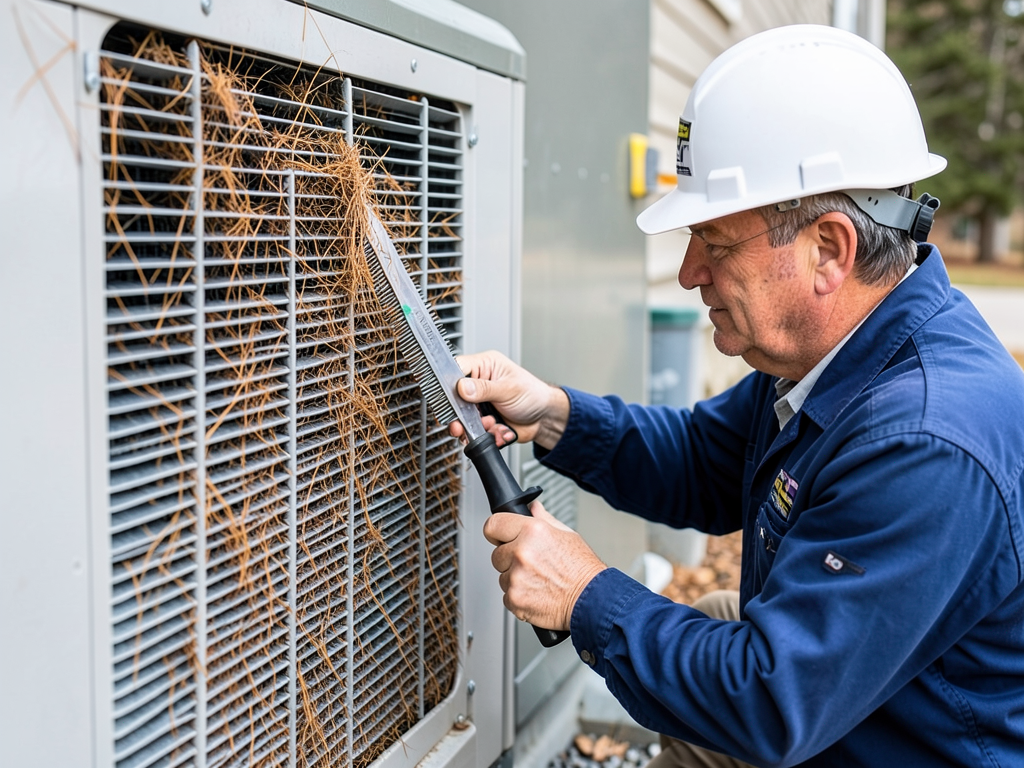
Why Pine Needles are a Unique Threat to Denver AC Units Living in Genesee means dealing with the beautiful but challenging mountain environment. The pine trees that give your property its scenic charm can wreak…

Why Your Gas Fireplace Should Not Be Your Only Heat Source in Golden\n\nGolden homeowners often…
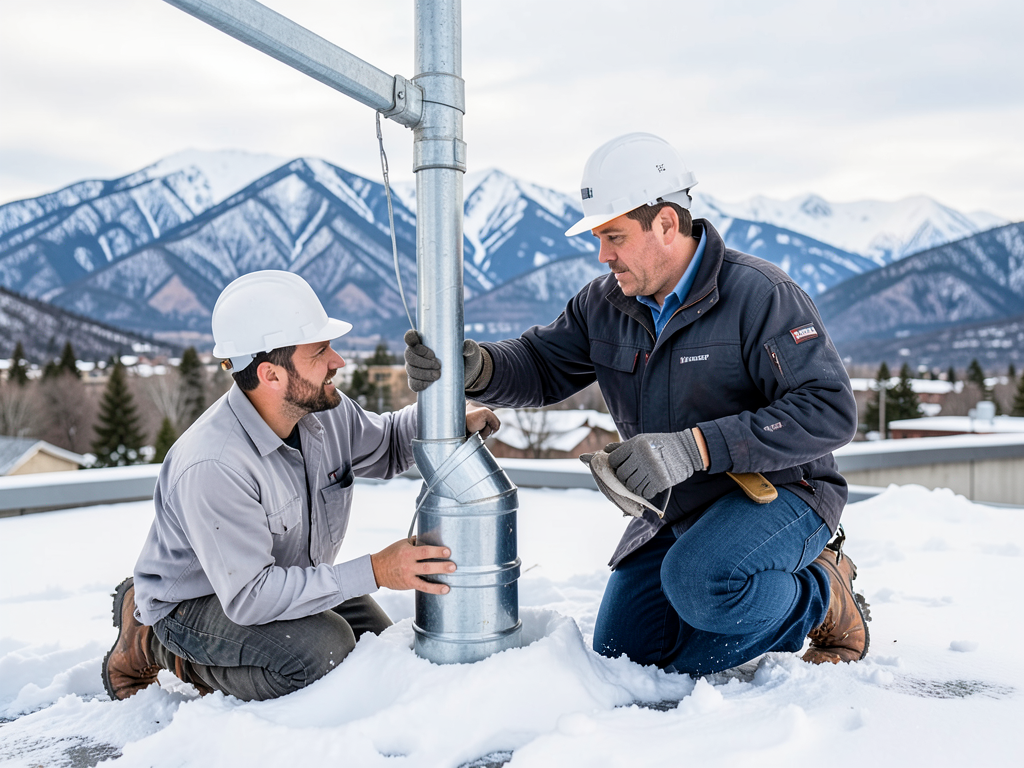
Why Your Furnace Venting Needs Special Attention in High Altitude Morrison Living at 5,800 feet…
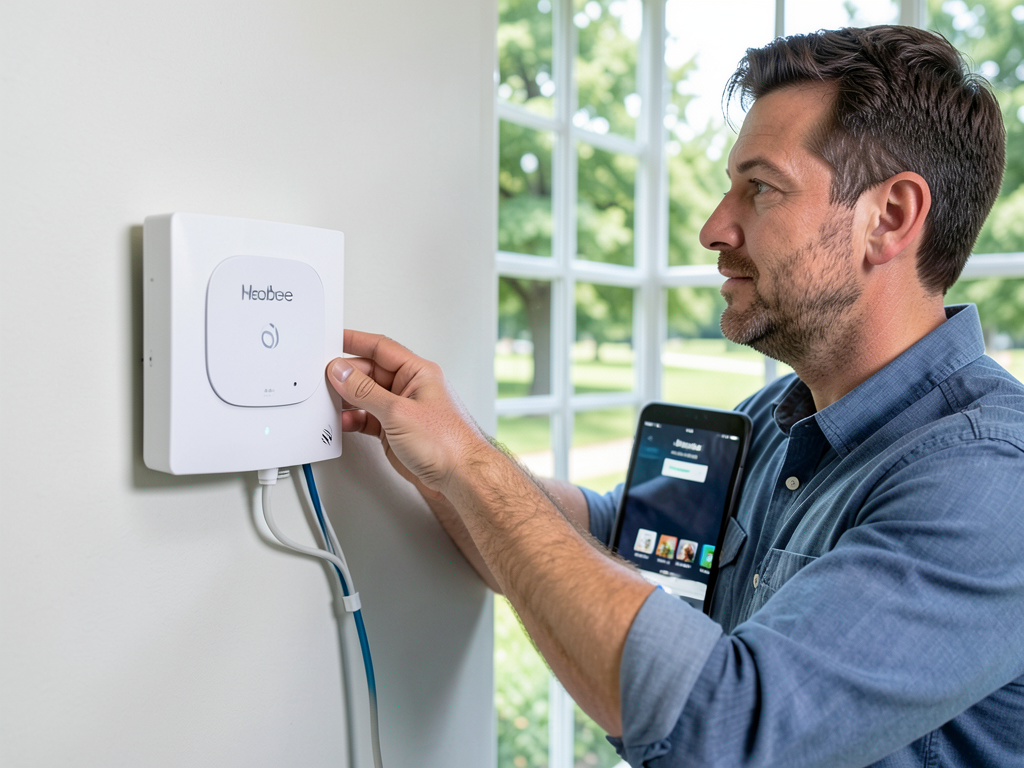
How to Integrate Your HVAC with Matter and Apple Home in Central Park Central Park…
Your system quit and you need it working now. Call Fortress HVAC Denver at (720) 502-9511 for same day service in Glendale. We answer 24/7, diagnose accurately, and fix it right the first time.