






Denver sits at 5,280 feet, where air density is roughly 15 percent lower than at sea level. This affects how furnaces burn natural gas. Combustion requires precise oxygen-to-fuel ratios, and thinner air disrupts that balance. Furnaces calibrated for lower elevations run rich in Denver, producing soot buildup and incomplete combustion. This leads to clogged burners, fouled flame sensors, and heat exchanger stress. When these components fail during a cold snap, you face both a heating emergency and potential carbon monoxide risk. Emergency furnace repair here requires technicians who adjust gas pressure and airflow to match altitude, not just swap parts.
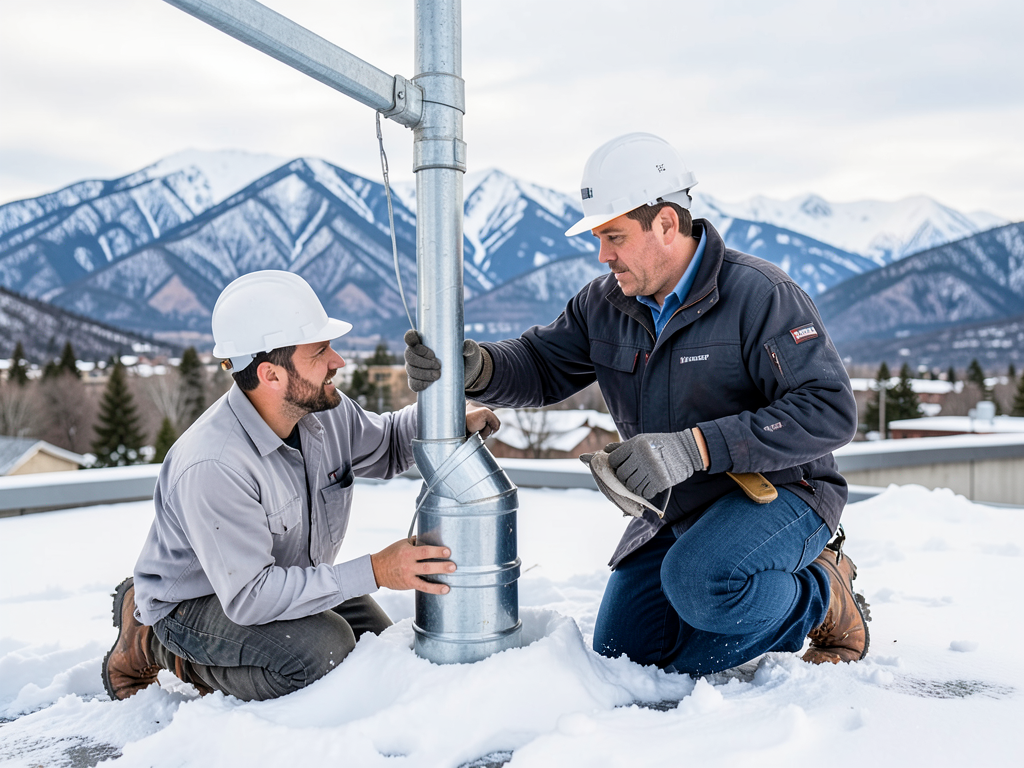
Denver's temperature swings also accelerate wear. A 50-degree drop overnight is common from October through April. That thermal cycling causes metal fatigue in heat exchangers and stress cracks in flue pipes. Older neighborhoods like Park Hill and Montclair have furnaces that have endured decades of this abuse. Urgent heating repair in Denver means understanding which failures are cosmetic and which threaten safety. Fortress HVAC Denver has served this metro for years, and our technicians recognize the patterns that lead to midnight breakdowns. We know local contractors, local suppliers, and local building inspectors. That network matters when you need a part overnighted or a permit expedited.