




Menu

Industrial Chiller Services in Denver | Minimize Production Downtime with Expert Commercial Cooling

Industrial chiller services designed to keep your Denver facility operational. Our technicians handle chiller plant maintenance, process cooling repairs, and industrial cooling system diagnostics to protect your production schedule and reduce operational risk.

Slider Image 1
Slider Image 2
Slider Image 3
Slider Image 4
Slider Image 5
Slider Image 7
Slider Image 8
Slider Image 9
Slider Image 10
Slider Image 11

Denver's Altitude and Dry Climate Demand Different Industrial Cooling Protocols

At 5,280 feet, Denver's altitude reduces atmospheric pressure, which directly affects refrigerant performance in industrial chillers. Lower boiling points mean your evaporator operates under different thermal loads than manufacturers anticipate at sea level. Add Denver's average humidity of 30 percent and temperature swings between 15 and 95 degrees, and you face compressor strain, refrigerant inefficiency, and accelerated component wear.

Facilities running injection molding, food processing, or data center operations cannot afford unplanned shutdowns. A single chiller failure can halt production lines, compromise product quality, or trigger expensive emergency logistics. Industrial chiller repair becomes urgent when you lose cooling capacity during peak demand periods, but reactive service costs more and damages equipment faster than scheduled industrial chiller maintenance.

Denver's rapid development has expanded industrial zones into areas with inconsistent utility infrastructure. Voltage fluctuations stress motor starters and control panels. Dust from construction sites clogs condenser coils faster than coastal or humid regions. Your chiller works harder to reject heat when ambient air is thin and dry, increasing energy consumption and reducing equipment lifespan.

Process cooling services must account for these local variables. Generic maintenance schedules written for sea-level facilities miss the nuances that Denver equipment faces. Chiller plant maintenance needs to prioritize altitude-specific calibration, aggressive coil cleaning cycles, and refrigerant charge verification adjusted for local atmospheric conditions. You need industrial cooling system services that understand how Denver's environment accelerates component fatigue and plan accordingly.

Denver's Altitude and Dry Climate Demand Different Industrial Cooling Protocols
How We Deliver Industrial Chiller Services That Protect Your Operations

How We Deliver Industrial Chiller Services That Protect Your Operations

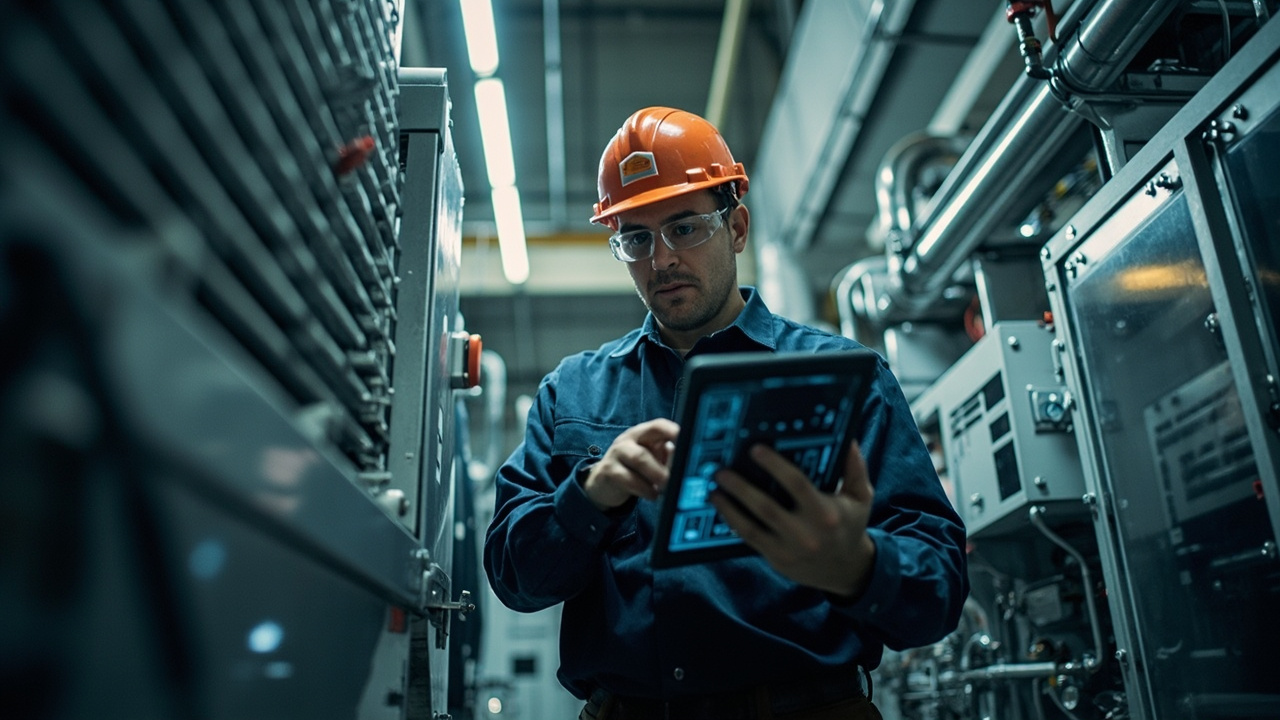
We treat your chiller as a production asset, not just mechanical equipment. Our service begins with thermal imaging to identify heat rejection inefficiencies, refrigerant flow restrictions, and electrical hotspots before they escalate into failures. We measure superheat and subcooling values against Denver's altitude-adjusted baselines to detect compressor issues or refrigerant migration that standard protocols miss.

Our industrial chiller maintenance includes condenser tube cleaning using rotary brush systems, not just chemical flushes. Denver's water hardness and airborne particulates create scale buildup that reduces heat transfer efficiency. We verify water flow rates, check for galvanic corrosion in dissimilar metal connections, and inspect expansion valve response under load conditions specific to your process requirements.

For industrial chiller repair, we stock OEM-equivalent components for major brands including Trane, Carrier, York, and McQuay. We diagnose compressor valve failures, purge non-condensables that reduce efficiency, and test starter contactors under Denver's voltage conditions. Our technicians understand the difference between centrifugal, screw, and scroll compressor failure modes and adjust repair strategies accordingly.

Chiller plant maintenance extends beyond the chiller itself. We evaluate pump cavitation risks, verify glycol concentrations for freeze protection during Denver winters, and test control sequences to prevent short cycling. Process cooling services include load profiling to match chiller staging with your production cycles, reducing energy waste during partial load conditions.

We document all findings with delta-T measurements, amperage draws, and operating pressures indexed to outdoor air temperature. You receive a condition report that identifies immediate risks, deferred maintenance items, and efficiency improvement opportunities with calculated ROI based on your utility rates and production schedule.

What Happens During Your Industrial Chiller Service Call

Industrial Chiller Services in Denver | Minimize Production Downtime with Expert Commercial Cooling
01

System Assessment and Diagnostics

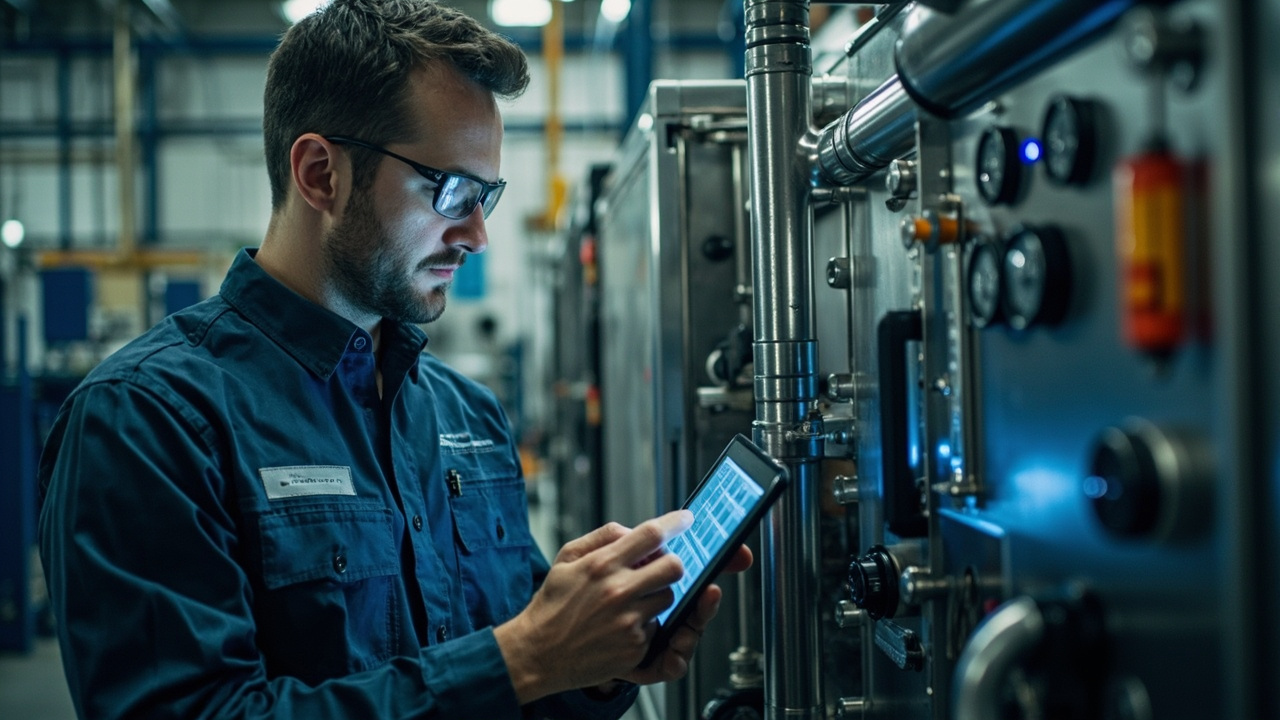
Our technician arrives with thermal imaging equipment and refrigerant analyzers to evaluate your chiller's current performance. We measure operating pressures, amperage draws, and water temperatures to establish baseline efficiency. This diagnostic phase identifies whether you need immediate repair, maintenance adjustments, or component replacement. We verify control sequences and safety cutouts to ensure your equipment protects itself during off-hours operation.
02

Targeted Repair or Maintenance

Based on diagnostic findings, we execute the necessary service work. This includes condenser cleaning, refrigerant charge correction, compressor oil analysis, or control recalibration. For repairs, we source components quickly to minimize your downtime. We perform all work during scheduled maintenance windows when possible, coordinating with your production team to avoid disrupting critical processes. Every intervention is documented with before and after performance measurements.
03

Performance Verification and Reporting

After completing service work, we run your chiller through load conditions to verify proper operation. We measure efficiency improvements, confirm setpoint accuracy, and test safety controls. You receive a detailed report showing work completed, parts replaced, and current system condition. We identify upcoming maintenance needs and provide timeline recommendations to prevent future failures. This documentation supports your facility management records and helps plan capital equipment decisions.

Why Denver Facilities Choose Fortress HVAC for Industrial Cooling Systems

Denver's industrial corridor stretches from the Stapleton redevelopment through Commerce City to Brighton, housing pharmaceutical manufacturing, aerospace fabrication, and cold storage facilities. We service chillers across this geography and understand the specific challenges each sector faces. Food processing plants need USDA-compliant refrigerant handling. Data centers require precision cooling with tight humidity control. Manufacturing facilities need reliable redundancy to avoid production losses.

Our technicians hold EPA Universal certification for refrigerant handling and receive ongoing training on evolving chiller technologies. We work on legacy equipment installed in the 1990s and current high-efficiency units with variable speed drives. This experience matters when you face an unexpected failure and need someone who can diagnose the root cause quickly, not just swap components until something works.

Denver's building codes and mechanical permit requirements add complexity to chiller modifications or replacements. We coordinate with city inspectors and understand local permitting timelines. When you need emergency repairs, we know which modifications require permits and which fall under routine maintenance exemptions. This prevents compliance issues that could halt your operations during inspections.

We maintain relationships with equipment distributors along I-25, which gives us access to replacement parts faster than companies relying on national warehouses. When a compressor fails or a control board shorts, hours matter. Our local supply chain reduces your exposure to extended downtime.

Fortress HVAC serves facilities throughout the Denver metro because we focus on industrial cooling system services exclusively. We do not spread resources across residential calls. Your chiller emergency receives immediate attention from technicians who understand process cooling demands and production schedules. You work with the same service team, which means they learn your equipment's quirks and maintenance history.

What to Expect from Our Industrial Chiller Services

Rapid Response for Facility Emergencies

Chiller failures do not wait for business hours. We dispatch technicians for emergency industrial chiller repair within two hours across the Denver metro. Our service vehicles carry diagnostic equipment, common replacement components, and refrigerant to address failures immediately. For critical facilities, we offer priority service agreements that guarantee response times and stock facility-specific parts. We coordinate with your operations team to minimize production impact and provide interim cooling solutions when repairs extend beyond a single shift.

Comprehensive Performance Evaluation

Every service call includes a performance assessment of your entire chiller plant, not just the failing component. We measure approach temperatures, evaluate pump performance, and check for water treatment issues that accelerate corrosion. Our technicians use refrigerant analyzers to detect contamination that reduces efficiency and damages compressors. You receive a written report detailing current system condition, identified risks, and recommended actions with priority rankings. This transparency helps you plan maintenance budgets and avoid surprise failures.

Measurable Efficiency Improvements

Properly maintained chillers operate at design efficiency, reducing energy costs and extending equipment life. Our industrial chiller maintenance service restores lost capacity caused by fouled heat exchangers, refrigerant contamination, or control drift. We provide before and after kW/ton measurements so you can quantify energy savings. For older equipment, we identify retrofit opportunities like variable frequency drives or advanced controls that improve performance without full replacement. Every recommendation includes payback calculations based on your actual utility rates.

Ongoing Maintenance and Support

Preventive maintenance reduces emergency repairs and extends chiller lifespan. We offer scheduled chiller plant maintenance programs tailored to your operating hours and production cycles. Quarterly inspections catch developing issues before they cause failures. We track maintenance history, trend performance data, and adjust service intervals based on actual equipment wear patterns. Our maintenance agreements include priority scheduling, discounted labor rates, and annual performance reviews to optimize your cooling infrastructure investment.

Frequently Asked Questions

You Have Questions,
We Have Answers

How often should a chiller be serviced? +

Service your industrial chiller quarterly at minimum. Denver's high altitude and dry climate stress compressor components and increase refrigerant leak risk. Quarterly inspections catch refrigerant levels, electrical connections, and condenser coil efficiency before they cause downtime. Facilities running 24/7 operations need monthly checks. Annual deep maintenance should include refrigerant analysis, oil sampling, and tube cleaning. Your service schedule depends on operating hours, load cycles, and criticality to operations. Document every service to maintain warranty compliance and track performance trends. Skipping scheduled maintenance costs more in emergency repairs and lost production than preventive service.

What does an industrial chiller do? +

An industrial chiller removes heat from process fluids or building systems to maintain precise temperature control. It circulates chilled water or glycol through your equipment, absorbing heat, then transfers that heat to ambient air or water through a condenser. Manufacturing facilities use chillers for injection molding, laser cutting, and chemical processing. Data centers rely on chillers to prevent server overheating. Medical facilities use them for MRI cooling and laboratory stability. In Denver, chillers compensate for thin air that reduces evaporative cooling efficiency. The system maintains consistent temperatures critical for production quality, equipment protection, and regulatory compliance across industrial operations.

What are the most common problems with chillers? +

Refrigerant leaks top the list. Denver's altitude and temperature swings stress connections and gaskets. Low refrigerant reduces capacity and increases compressor wear. Condenser fouling from dust and debris blocks heat transfer. Compressor failure from poor oil maintenance shuts down operations. Control system errors cause nuisance trips and inconsistent temperatures. Water treatment failures in water-cooled systems create scale buildup and corrosion. Pump seal leaks waste water and reduce flow. Electrical contact degradation from dry air causes control issues. Most problems stem from deferred maintenance. Regular inspections catch these issues before they force emergency shutdowns that halt production.

Is HVAC and chiller the same thing? +

No. HVAC controls building comfort through heating, ventilation, and air conditioning for occupant spaces. Chillers are precision cooling equipment for industrial processes and critical systems. HVAC maintains 68-75 degrees for people. Chillers maintain exact temperatures, often 40-55 degrees, for equipment and manufacturing. Many facilities have both systems serving different needs. Your office HVAC keeps staff comfortable. Your chiller keeps production lines, data servers, or medical equipment operational. Chillers handle higher heat loads and tighter temperature tolerances than comfort cooling. In Denver commercial buildings, chillers often feed air handlers as part of larger HVAC systems, but they serve distinct operational requirements.

What is the $5000 rule? +

The $5000 rule helps facilities decide between chiller repair and replacement. When repair costs exceed $5000 per ton of cooling capacity, replacement often makes better financial sense. For a 100-ton chiller, repairs over $500,000 trigger replacement analysis. This rule considers remaining equipment life, energy efficiency gains, and avoided future repairs. Denver facilities factor in altitude-rated equipment costs and installation complexity. The calculation includes labor, refrigerant, parts availability, and downtime costs. Older chillers consume more energy and face obsolete refrigerant issues. Run a total cost of ownership analysis before committing to major repairs on aging equipment.

What are the 7 types of maintenance? +

The seven types are corrective, preventive, predictive, condition-based, predetermined, reactive, and proactive maintenance. Corrective fixes failures after they occur. Preventive follows scheduled intervals regardless of condition. Predictive uses data trending to service before failure. Condition-based triggers maintenance when parameters exceed thresholds. Predetermined replaces components at fixed intervals. Reactive responds to breakdowns without planning. Proactive eliminates root causes to prevent failures. Industrial chiller programs combine multiple types. You run preventive quarterly inspections, predictive vibration analysis, and condition-based oil sampling. Denver facilities emphasize predictive methods to avoid downtime. Smart maintenance strategies reduce costs while maximizing uptime and equipment life.

How long do industrial chillers last? +

Industrial chillers last 15 to 20 years with proper maintenance. Denver's dry climate reduces corrosion but increases wear on seals and gaskets. Operating conditions matter more than age. Chillers running constant loads in clean environments reach 25 years. Units with variable loads, poor water treatment, or deferred maintenance fail at 10 years. Compressor type affects longevity. Scroll compressors last 10-15 years. Screw compressors reach 20 years. Centrifugal chillers exceed 25 years. Plan midlife overhauls at year 10 to replace wear components. Track efficiency decline as the signal for replacement. When energy costs exceed new equipment payments, upgrade despite remaining service life.

How much does a 1000 ton chiller cost? +

Budget $800,000 to $1,500,000 for a 1000-ton industrial chiller before installation. Air-cooled units cost less upfront but consume more energy. Water-cooled systems need cooling towers and water treatment, adding $200,000 to $400,000. High-efficiency models cost 20-30% more but reduce operating costs significantly. Denver's altitude requires larger condensers and motors, increasing equipment costs 10-15%. Factor in electrical infrastructure upgrades, concrete pads, piping, controls integration, and rigging. Installation adds 25-40% to equipment costs. Payback periods run 5-8 years through energy savings and avoided downtime. Request lifecycle cost analysis, not just purchase price, when comparing options.

What are the three types of chillers? +

The three main types are air-cooled, water-cooled, and evaporative-cooled chillers. Air-cooled units reject heat through finned coils and fans. They cost less upfront and need no water infrastructure. Water-cooled chillers use cooling towers for heat rejection. They run more efficiently but require water treatment and tower maintenance. Evaporative-cooled systems combine both methods, using water spray on air-cooled condensers. Denver facilities choose based on water availability, space constraints, and efficiency requirements. Air-cooled units suit smaller loads and water-restricted sites. Water-cooled systems work for large capacities where efficiency justifies water costs and maintenance complexity.

Should chillers be cleaned? +

Yes. Clean condenser coils annually at minimum. Denver's dust and cottonwood seeds clog coils, reducing capacity 20-30% and increasing energy costs. Dirty coils force compressors to work harder, shortening equipment life. Water-cooled systems need tube cleaning to remove scale and biological growth. Clean evaporator tubes maintain heat transfer efficiency. Inspect and clean strainers quarterly. Flush water loops to remove sediment. Clean electrical cabinets to prevent control failures from dust buildup. Schedule cleaning during low-demand periods to avoid production disruption. Document cleaning results to track fouling rates and optimize schedules. Cleaning costs far less than efficiency losses and premature equipment failure from neglect.

How Denver's Water Quality Affects Industrial Chiller Performance

Denver Water delivers treated supply with 80 to 120 ppm hardness, enough to cause scale formation in condenser tubes and evaporator bundles over time. This mineral buildup acts as an insulator, reducing heat transfer efficiency and forcing compressors to work harder. Industrial cooling systems using evaporative condensers face additional challenges from Denver's dry air, which increases water evaporation rates and concentrates dissolved solids faster than humid climates. Your water treatment program must account for these local conditions to prevent efficiency loss and premature equipment failure. Regular tube cleaning and water chemistry testing become necessary industrial chiller maintenance tasks in Denver's water quality environment.

Denver's commercial mechanical codes require specific refrigerant leak detection and reporting procedures for facilities using more than 50 pounds of regulated refrigerants. Our technicians understand these local compliance requirements and maintain documentation needed for annual inspections. We work throughout the Denver metro's industrial zones, from the National Western Complex to Montbello's manufacturing district, and know the inspection patterns of local building departments. This local expertise ensures your industrial chiller repair and maintenance work meets code requirements without delays or reinspections that extend your downtime.

HVAC Services in The Denver Area

Fortress HVAC is proud to serve the Denver area and surrounding communities. We invite you to view our location on the map, which highlights our service area. While we often come directly to you for services, knowing our central base can help you understand our reach. Feel free to contact us with any questions about our service coverage or to schedule an appointment directly.

Address:
Fortress HVAC Denver, 6035 E 38th Ave, Denver, CO, 80207

Additional Services We Offer

Our news updates

Latest Articles & News from The Blogs

Why Your Gas Fireplace Should Not Be Your Only Heat Source in Golden\n\nGolden homeowners often rely on gas fireplaces for…

Why Your Gas Fireplace Should Not Be Your Only Heat Source in Golden

Why Your Gas Fireplace Should Not Be Your Only Heat Source in Golden\n\nGolden homeowners often rely on gas fireplaces for…

Why Your Furnace Venting Needs Special Attention in High Altitude Morrison

Why Your Furnace Venting Needs Special Attention in High Altitude Morrison Living at 5,800 feet in Morrison means your furnace…

How to Integrate Your HVAC with Matter and Apple Home in Central Park

How to Integrate Your HVAC with Matter and Apple Home in Central Park Central Park residents who want their HVAC…

Contact Us

Do not wait for a chiller failure to disrupt operations. Call Fortress HVAC Denver at (720) 502-9511 for industrial chiller maintenance that prevents costly downtime. Our technicians respond quickly to emergencies and provide preventive service that keeps your facility running.