




Menu

Furnace Pilot Light Issues in Denver – Expert Diagnosis and Same-Day Repair

When your pilot light won't stay lit or keeps going out, you need a technician who understands gas furnace pilot light malfunctions and can diagnose the root cause fast. We handle furnace pilot light problems the right way.

Slider Image 1
Slider Image 2
Slider Image 3
Slider Image 4
Slider Image 5
Slider Image 7
Slider Image 8
Slider Image 9
Slider Image 10
Slider Image 11

Why Your Pilot Light Keeps Going Out in Denver Homes

You walk downstairs to check the thermostat, and your house is freezing. The furnace is silent. You open the access panel, and the pilot light is out. Again.

This is one of the most common furnace pilot light problems homeowners face, and it is not just annoying. It is a safety and comfort issue. When a pilot light won't stay lit, your furnace cannot ignite the main burners. No heat. No hot water. Just cold air blowing through your vents.

Denver's high altitude and dry air create unique combustion challenges. At 5,280 feet, there is less oxygen available for combustion. This means your gas furnace pilot light malfunction can stem from incorrect air-to-fuel ratios, especially in older units not calibrated for altitude. Add in dust from the plains and seasonal wind, and you have a recipe for clogged pilot assemblies and thermocouple failures.

When your pilot light keeps going out, the culprit is usually one of three things. The thermocouple is failing and not sending the signal to keep the gas valve open. The pilot orifice is clogged with debris. Or the gas pressure is too low. Each of these furnace pilot light issues requires a different fix, and guessing is dangerous. You are dealing with natural gas and combustion. This is not a YouTube repair.

If your furnace pilot light is not working, do not keep relighting it and hoping. That is a Band-Aid. You need a technician who can trace the fault, replace the failed component, and restore safe, reliable ignition.

Why Your Pilot Light Keeps Going Out in Denver Homes
How We Diagnose and Repair Gas Furnace Pilot Light Malfunctions

How We Diagnose and Repair Gas Furnace Pilot Light Malfunctions

When you call us for furnace pilot light problems, we do not just relight it and leave. We test the entire ignition system to find out why it failed in the first place.

First, we inspect the thermocouple. This is the safety sensor that detects whether the pilot flame is present. If the thermocouple is weak or coated in carbon buildup, it will not generate enough millivoltage to hold the gas valve open. We test it with a multimeter to measure the exact voltage output. If it is below 20 millivolts, we replace it.

Next, we check the pilot orifice. This tiny opening can get clogged with dust, rust, or spider webs. Denver's dry climate and seasonal dust storms make this more common than you would think. We remove the pilot assembly, clean the orifice with compressed air and a fine wire brush, then reinstall it and test the flame pattern. A good pilot flame is steady, blue, and about half an inch tall. If it is yellow, flickering, or weak, something is wrong.

We also verify gas pressure at the manifold. Low gas pressure can prevent the pilot from staying lit, especially during high-demand periods when multiple appliances are running. If pressure is below spec, we trace the issue back to the gas valve or supply line.

Finally, we inspect the flame sensor and ignition control board if your system uses an intermittent pilot or hot surface ignition. These components fail over time and cause the same symptoms as a traditional pilot light problem. We replace any failed parts with OEM components rated for Denver's altitude and climate.

What Happens When You Call Us for a Pilot Light Repair

Furnace Pilot Light Issues in Denver – Expert Diagnosis and Same-Day Repair
01

System Diagnostic

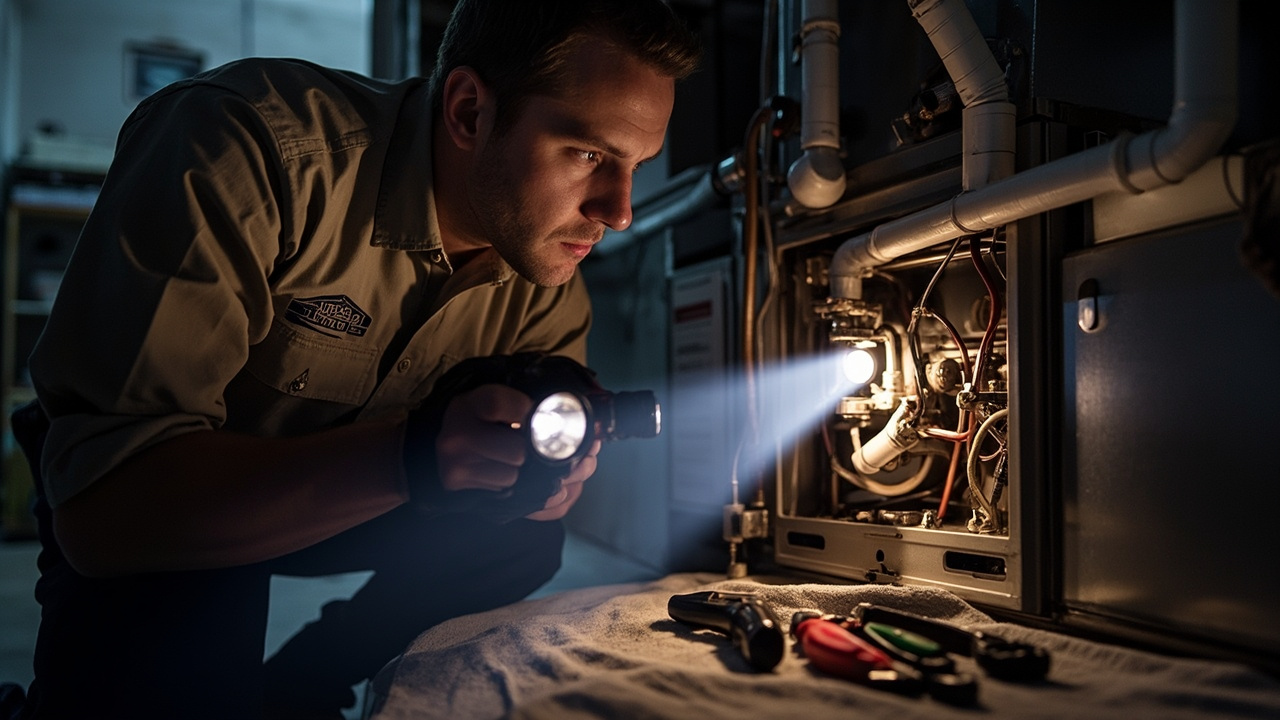
We arrive with a full set of diagnostic tools and begin by testing the thermocouple, pilot orifice, and gas valve operation. You will see us measure voltage, check gas pressure, and inspect the flame pattern. We do not guess. We isolate the fault with precision, then explain what failed and why it happened.
02

Component Replacement

Once we identify the failed part, we replace it with the correct OEM component. If your thermocouple is bad, we install a new one and test the millivolt output. If the pilot orifice is clogged, we clean it or replace the entire pilot assembly. We calibrate the air-fuel mixture for Denver's altitude before we finish.
03

Safety Test and Verification

After the repair, we cycle your furnace through multiple ignition sequences to confirm the pilot stays lit and the main burners fire correctly. We check for gas leaks with an electronic detector, verify proper draft through the flue, and monitor combustion efficiency. You get a system that works, not a temporary patch.

Why Denver Homeowners Trust Fortress HVAC Denver for Pilot Light Repairs

You need someone who knows how altitude affects combustion and how Denver's climate accelerates component wear. Generic advice from national call centers does not apply here. Your furnace operates at 5,280 feet, and that changes everything.

We have spent years diagnosing furnace pilot light problems in neighborhoods from Capitol Hill to Highlands Ranch. We know the common failure points in older Lennox, Carrier, and Trane units. We know how dust from the plains clogs pilot orifices and how low winter humidity dries out thermocouple seals.

When your pilot light won't stay lit, you are not just losing heat. You are risking incomplete combustion, carbon monoxide buildup, and wasted gas. We test for all of that. We carry the thermocouples, pilot assemblies, and gas valves that fail most often in this region. That means we fix it on the first visit, not after ordering parts for three days.

We also understand Denver building codes and the permit requirements for gas appliance work. If your furnace is older and requires a system upgrade to meet current ventilation standards, we will tell you upfront. No surprises. No upselling. Just honest answers about what your system needs.

You deserve a technician who shows up on time, diagnoses the problem correctly, and repairs it safely. We do not leave until your furnace is running and you understand what caused the failure. That is the standard in this city, and we hold ourselves to it.

What You Can Expect When We Service Your Furnace

Same-Day Response for Most Calls

We know you cannot wait three days for heat in January. When your pilot light keeps going out, we prioritize your call and schedule service the same day in most cases. Our technicians work flexible hours to accommodate evening and weekend appointments. If we cannot make it same-day, we will give you a realistic timeframe and keep you updated. No vague promises. No long hold times. Just fast, reliable scheduling so you get your heat back.

Thorough Diagnostic Before Any Work

We do not charge you for a repair until we know exactly what is wrong. Our diagnostic process includes testing the thermocouple voltage, inspecting the pilot assembly, checking gas pressure, and verifying draft and combustion efficiency. You get a clear explanation of the problem, the parts needed, and the cost before we proceed. No hidden fees. No surprise charges. You approve the work, or we pack up and leave. It is your call.

Reliable Repair with OEM Parts

We use manufacturer-specified parts, not generic aftermarket components that fail in six months. If your Carrier furnace needs a thermocouple, you get a Carrier thermocouple. If your Lennox unit needs a pilot assembly, you get the correct OEM part calibrated for Denver's altitude. We test every repair under load to make sure the pilot stays lit through multiple heating cycles. Your furnace will run the way it was designed to run, not limp along with a makeshift fix.

Post-Repair Safety Check

After we finish the repair, we run a full safety check. We test for gas leaks with an electronic detector, verify proper flue draft, and measure carbon monoxide levels in the exhaust. We also inspect your air filter, blower assembly, and thermostat operation to make sure the entire system is working safely. You get a summary of what we found and any recommendations for future maintenance. No high-pressure sales. Just the facts about your equipment.

Frequently Asked Questions

You Have Questions,
We Have Answers

What are the common causes of pilot light issues? +

Pilot light problems stem from several issues. A dirty or clogged pilot tube restricts gas flow. Thermocouples wear out and fail to sense the flame, cutting off gas as a safety measure. Draft issues from Denver's fluctuating weather can blow out the flame, especially during high wind events common along the Front Range. Faulty gas valves prevent proper fuel delivery. Dust and debris accumulation block the orifice. Low gas pressure from utility issues or supply line problems also causes weak or extinguished flames. Regular maintenance prevents most of these failures.

Why is my furnace pilot light not igniting? +

When your pilot light won't ignite, check the gas supply first. Make sure the valve is fully open. A clogged pilot orifice blocks gas flow and needs cleaning. The thermocouple may be misaligned or worn, preventing proper flame detection. Denver's altitude affects combustion, so air-gas mixture problems occur more frequently here. Inspect for drafts from vents or nearby windows. The pilot tube could be bent or damaged. If you smell gas, shut off the supply immediately and call a technician. Never attempt repeated ignition attempts with a strong gas odor present.

What are the symptoms of a bad igniter on a furnace? +

A failing igniter shows distinct symptoms. You hear the furnace click on, but no flame appears. The igniter glows dimly or not at all when it should turn bright orange. Cracks appear on the ceramic surface. The furnace cycles repeatedly without firing. You notice inconsistent heating or the system shuts down mid-cycle. Some igniters glow but fail to light the gas, indicating weakened current draw. Denver's dry climate accelerates cracking in ceramic hot surface igniters. If your igniter is over seven years old and showing these signs, replacement is likely needed.

Why do I have to keep relighting my pilot light? +

Repeated pilot light outages point to specific failures. A weak or damaged thermocouple fails to maintain proper safety circuit contact. Drafts from poor vent installation or wind pressure blow out the flame. This happens more in Denver during Chinook wind events. Dirty pilot assemblies cause unstable flames that extinguish easily. Low gas pressure creates weak flames vulnerable to disruption. The pilot flame may be set too low. Condensation in gas lines can temporarily block flow. A furnace nearing end-of-life develops chronic pilot issues requiring professional diagnosis and repair.

How do you clean a clogged pilot tube? +

Cleaning a clogged pilot tube requires careful steps. Turn off the gas supply and let the furnace cool completely. Remove the pilot assembly, noting the exact position for reassembly. Use compressed air to blow through the tube from both ends. A thin wire or needle removes stubborn carbon deposits inside the orifice. Avoid enlarging the opening. Clean the surrounding bracket and flame sensor. Reassemble and restore gas flow. Test the pilot light. Denver's dust from construction and seasonal winds increases buildup frequency. If cleaning doesn't restore proper function, replace the assembly.

What are the signs of a bad thermocouple? +

A failing thermocouple displays clear warning signs. The pilot light ignites but extinguishes when you release the reset button. The furnace won't stay running despite successful pilot lighting. You need to hold the button longer than 30 seconds for the pilot to stay lit. Visible corrosion or damage appears on the probe tip. The thermocouple sits too far from the flame, preventing proper heat sensing. Testing with a multimeter shows voltage below 20 millivolts. Denver's temperature swings stress thermocouples through repeated expansion and contraction cycles, accelerating wear and eventual failure.

What to do if the pilot light won't relight? +

If the pilot won't relight after multiple attempts, stop and assess. Shut off the gas supply and wait 10 minutes for any accumulated gas to dissipate. Check that the thermocouple tip sits directly in the flame path. Inspect the pilot tube for visible blockage. Make sure the gas valve is fully open. Try cleaning the pilot orifice with compressed air. Check for drafts near the furnace from open windows or poorly sealed vent pipes. If you smell gas or the pilot still won't light after these steps, call a professional technician immediately for safety.

Can hear your furnace click on but it does not fire up? +

When your furnace clicks but doesn't fire, the ignition system is failing. A cracked or weak igniter can't generate enough heat to light the gas. The flame sensor may be dirty or corroded, shutting down the gas valve prematurely. The control board sends signals, but the gas valve fails to open. Low gas pressure prevents proper fuel delivery. Denver's altitude requires precise air-fuel ratios, so mixture problems cause ignition failure. Draft inducer motors can run without creating proper airflow. These issues require diagnostic tools and experience to pinpoint the exact failure point.

How to bleed a gas line for a furnace? +

Bleeding a gas line removes trapped air that prevents proper furnace operation. Locate the gas valve union near the furnace. Place a container under the connection to catch any residual moisture. Slightly loosen the union fitting with a wrench while the gas is on. You'll hear hissing as air escapes. When you smell gas, immediately tighten the connection. Never use open flames to test for gas. Check all connections with soapy water for leaks. Denver's dry climate rarely causes moisture issues, but air can enter lines during utility work or repairs. Professional help is safer.

What is the life expectancy of a furnace igniter? +

Hot surface igniters typically last seven to ten years under normal conditions. Denver's dry climate and temperature extremes can shorten this lifespan to five to seven years. Frequent cycling reduces igniter life. Voltage fluctuations from electrical issues cause premature failure. Silicon nitride igniters outlast silicon carbide models by several years. Furnaces running constantly during cold snaps wear igniters faster. If your furnace is eight years old and the igniter hasn't been replaced, expect failure soon. Igniters are inexpensive parts, but replacement requires proper gap setting and electrical knowledge for safe operation.

Why Denver's Altitude Makes Furnace Pilot Light Repairs More Complex

Denver sits at 5,280 feet above sea level, and that elevation affects how your furnace burns gas. Thinner air means less oxygen available for combustion, which requires adjustments to the air-fuel mixture and pilot orifice size. If your furnace was installed at sea level or shipped from a factory in the Midwest, it may not be calibrated correctly for this altitude. That leads to weak pilot flames, incomplete combustion, and thermocouples that fail prematurely because the flame is not heating the sensor properly. This is why furnace pilot light problems are more common here than in lower-elevation cities.

We have worked on thousands of furnaces across the Denver metro, from historic homes in Washington Park with original cast-iron units to new builds in Stapleton with high-efficiency condensing furnaces. We know how altitude affects ignition systems, and we calibrate every repair to perform reliably at 5,280 feet. When you hire a local technician who understands these conditions, you get a repair that lasts. National chains and inexperienced contractors miss these details, and you end up calling again in two months.

HVAC Services in The Denver Area

Fortress HVAC is proud to serve the Denver area and surrounding communities. We invite you to view our location on the map, which highlights our service area. While we often come directly to you for services, knowing our central base can help you understand our reach. Feel free to contact us with any questions about our service coverage or to schedule an appointment directly.

Address:
Fortress HVAC Denver, 6035 E 38th Ave, Denver, CO, 80207

Additional Services We Offer

Our news updates

Latest Articles & News from The Blogs

Why Your Gas Fireplace Should Not Be Your Only Heat Source in Golden\n\nGolden homeowners often rely on gas fireplaces for…

Why Your Gas Fireplace Should Not Be Your Only Heat Source in Golden

Why Your Gas Fireplace Should Not Be Your Only Heat Source in Golden\n\nGolden homeowners often rely on gas fireplaces for…

Why Your Furnace Venting Needs Special Attention in High Altitude Morrison

Why Your Furnace Venting Needs Special Attention in High Altitude Morrison Living at 5,800 feet in Morrison means your furnace…

How to Integrate Your HVAC with Matter and Apple Home in Central Park

How to Integrate Your HVAC with Matter and Apple Home in Central Park Central Park residents who want their HVAC…

Contact Us

If your pilot light won't stay lit, do not wait. Call us at (720) 502-9511 for same-day service. We diagnose the problem, fix it right, and test everything before we leave. Your furnace will work the way it should.