





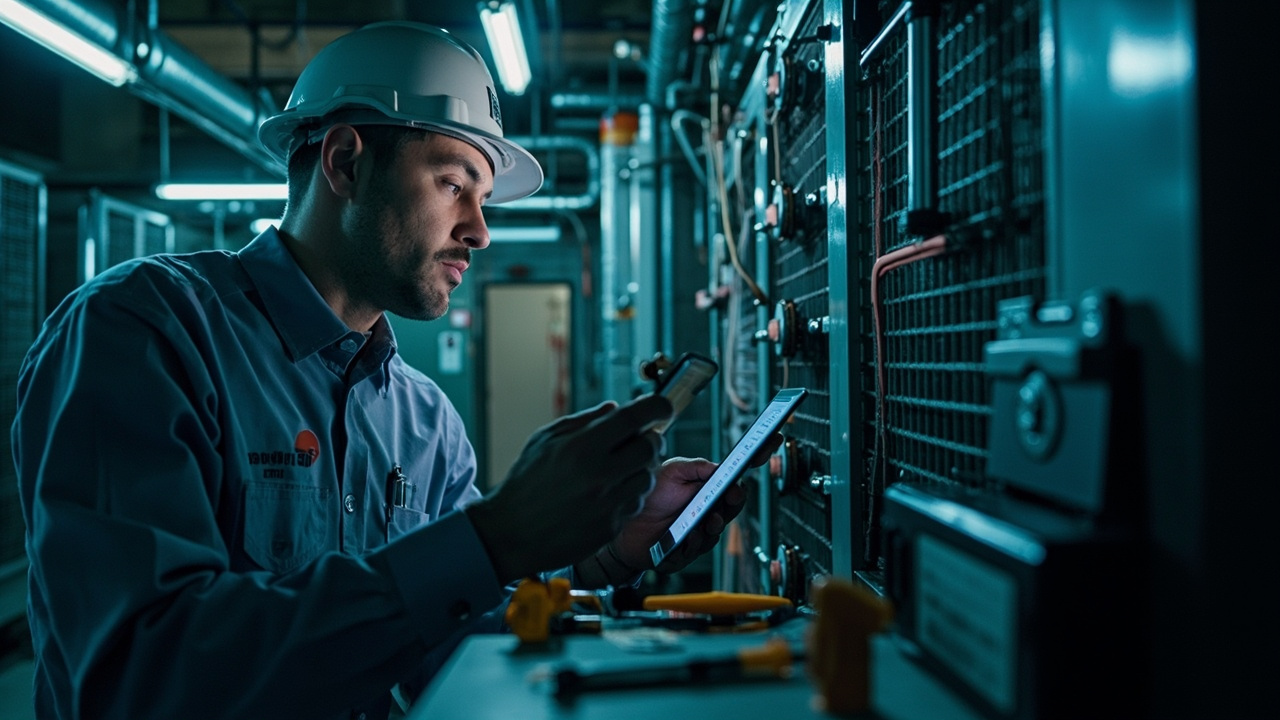

Denver's elevation creates combustion challenges that sea-level technicians miss. Gas-fired commercial heating equipment needs altitude compensation kits to adjust air-fuel ratios for reduced oxygen availability. Without proper adjustment, burners produce yellow flames, incomplete combustion, and carbon monoxide. Heat exchangers soot up faster and fail earlier. Commercial heating contractors in Denver must understand derated capacity calculations because equipment produces fewer BTUs at 5,280 feet than at sea level. Undersized systems cannot maintain setpoint temperatures during cold snaps when outside air temperatures drop below zero.
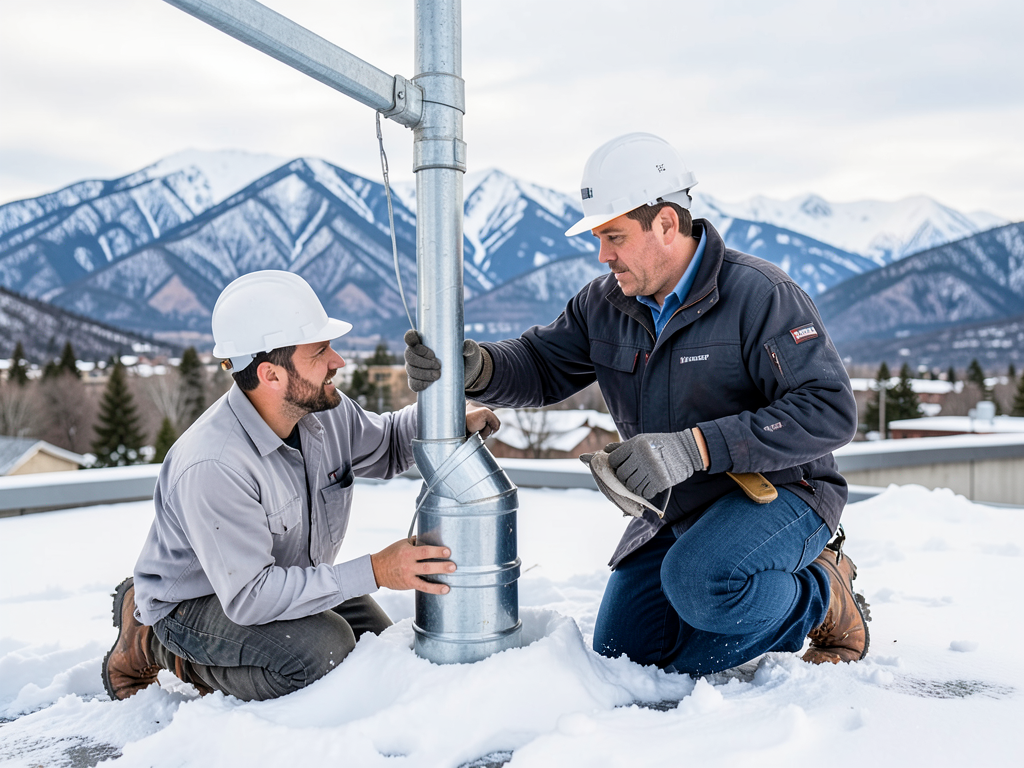
Denver's commercial building codes incorporate altitude-specific requirements that out-of-state contractors overlook. Combustion air openings must be sized larger to account for reduced air density. Vent pipe sizing follows different tables for high-altitude installations. Boiler rooms require low ambient carbon monoxide detectors because incomplete combustion happens more readily at elevation. Fortress HVAC Denver maintains relationships with local inspectors and understands Denver Community Planning and Development expectations. We pull permits correctly the first time and schedule inspections without delays. Choosing local commercial HVAC heating services means code compliance and project approval without surprises.