





Menu

Noisy AC or Heater in Denver – Expert Diagnosis and Permanent Fixes for Rattling, Banging, and Screeching Systems

We identify the exact source of your loud air conditioner or furnace making noise, then fix it right the first time using precision diagnostics and Denver-specific HVAC solutions that eliminate rattles, hums, and grinding sounds for good.

Slider Image 1
Slider Image 2
Slider Image 3
Slider Image 4
Slider Image 5
Slider Image 7
Slider Image 8
Slider Image 9
Slider Image 10
Slider Image 11

Why Your HVAC System Sounds Like It's Falling Apart

You hear it every time the system kicks on. A loud heater rattling through the vents. A furnace making noise that sounds like metal scraping metal. An air conditioner making noise that wakes you up at 2 a.m. You wonder if ignoring it will make it worse, and the short answer is yes.

Denver's extreme temperature swings put your HVAC system through a brutal cycle. We go from single-digit mornings in January to 90-degree afternoons in June. That constant expansion and contraction loosens mounting hardware, warps blower wheels, and degrades motor bearings faster than systems in milder climates. Add in Denver's low humidity, and you get faster belt degradation and cracked capacitor mounts that amplify vibration.

A noisy hvac system is not just annoying. It signals mechanical wear that reduces efficiency and increases your utility bill. Loose parts can shift and damage other components. A worn blower motor draws more amperage and risks overheating. Refrigerant line vibration can crack copper tubing and cause costly refrigerant leaks. A banging sound in your furnace might mean a cracked heat exchanger, which leaks carbon monoxide into your home.

Most noise issues stem from six root causes: loose mounting bolts, worn motor bearings, unbalanced blower wheels, failing capacitors, refrigerant line contact with ductwork, or damaged compressor mounts. Each has a distinct sound signature. Each requires a specific fix. Ignoring it turns a simple repair into a system replacement.

Why Your HVAC System Sounds Like It's Falling Apart
How We Track Down and Eliminate HVAC Noise at the Source

How We Track Down and Eliminate HVAC Noise at the Source

We do not guess. We use decibel meters and infrared thermography to isolate the exact component producing the noise. Most loud air conditioner complaints sound identical to homeowners, but a screeching compressor requires a completely different fix than a rattling condenser fan blade.

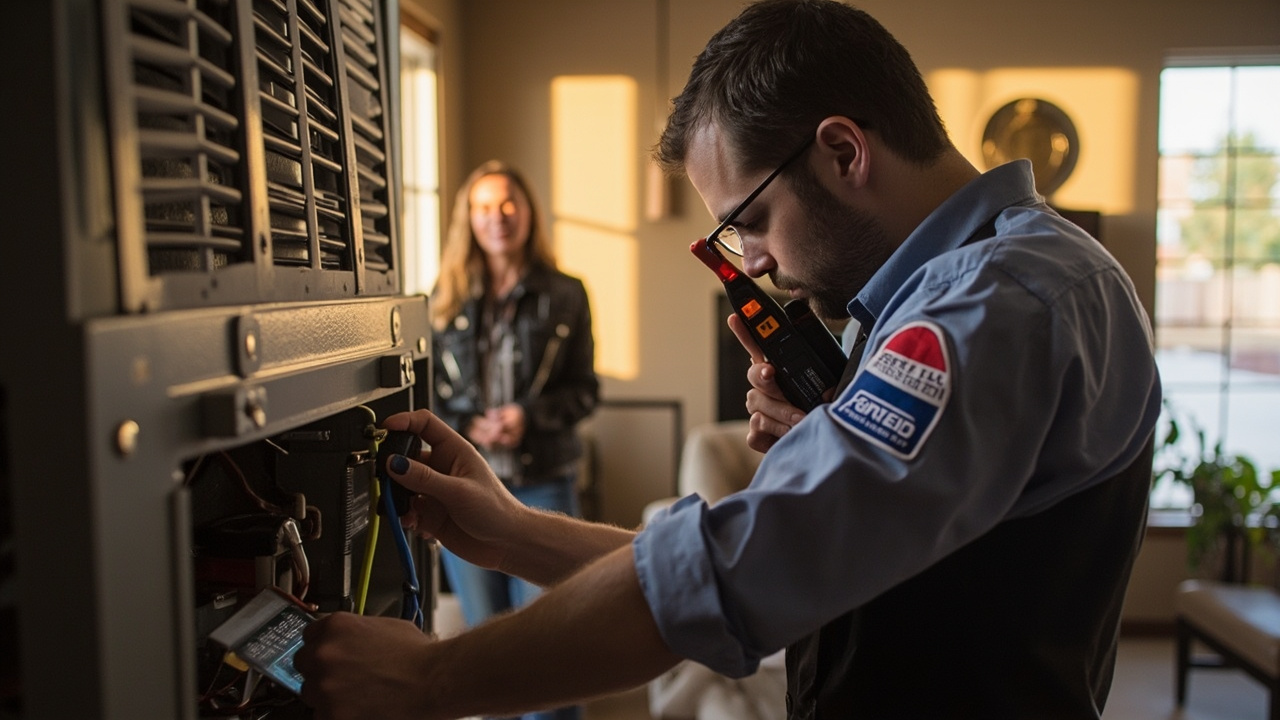
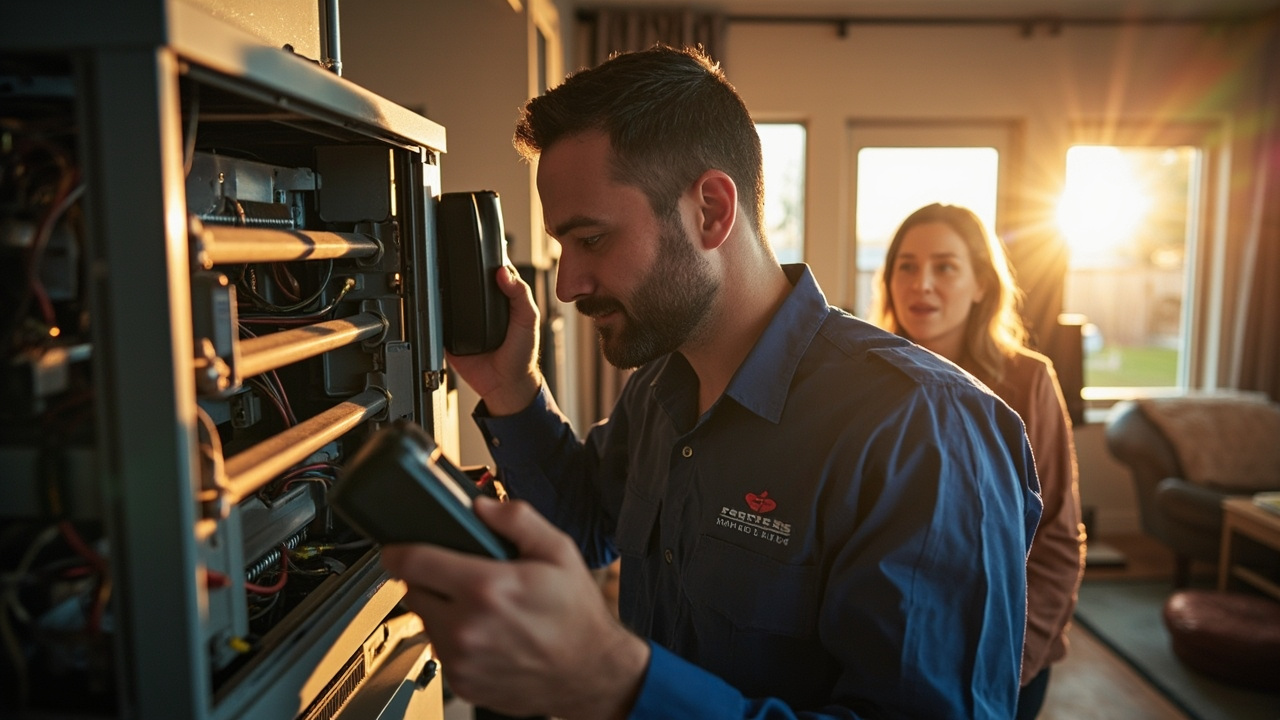
We start by running your system through a full cycle while taking sound readings at the air handler, condenser, and supply registers. We check amperage draw on the blower motor and compressor to identify electrical strain. We inspect mounting brackets for loose lag bolts. We pull the blower assembly and check the wheel for debris buildup or bent fins that throw it out of balance.

For furnaces, we inspect the heat exchanger for cracks using a combustion analyzer and visual camera inspection. We check the inducer motor bearings, which fail frequently in Denver due to our low humidity and create a high-pitched whine. We examine the flame rollout switch and limit switch wiring for vibration damage.

On the refrigerant side, we check line sets for contact points where copper rubs against wood framing or sheet metal. We verify compressor mounting grommets have not hardened and cracked. We test capacitor microfarad ratings because a weak capacitor makes the compressor work harder and vibrate more.

Once we identify the failure point, we fix it with OEM parts, not universal retrofits. We torque all mounting hardware to manufacturer spec. We balance blower wheels on a static balancer. We isolate refrigerant lines with rubber-coated clamps. Then we verify the repair with a final sound test before we leave.

What Happens When You Call About Your Noisy System

Noisy AC or Heater in Denver – Expert Diagnosis and Permanent Fixes for Rattling, Banging, and Screeching Systems
01

Same-Day Diagnostic Visit

We schedule a technician to your location within hours, not days. You describe the sound over the phone so we bring the right tools and parts. Our tech arrives with diagnostic meters, replacement bearings, capacitors, and mounting hardware. We run your system and record baseline sound levels at the air handler, condenser, and main trunk line to pinpoint the noise source.
02

Component-Level Inspection

We disassemble the noisy component and inspect for wear, damage, or imbalance. We check blower motor windings for shorts. We measure capacitor microfarad ratings against nameplate specs. We inspect compressor valve plates for damage. We verify all mounting bolts are torqued correctly and rubber isolation grommets have not degraded. We show you the failed part and explain why it failed in your specific system.
03

Repair and Sound Verification

We replace the failed component with an OEM part and reassemble the system. We verify all electrical connections are tight and properly insulated. We run a full heating or cooling cycle and take post-repair sound measurements to confirm the noise is eliminated. You hear the difference immediately. We document the repair with before-and-after decibel readings and provide a detailed invoice showing exactly what we fixed and why.

Why Denver Homeowners Trust Us with Noisy HVAC Systems

You need someone who understands how Denver's altitude and climate affect HVAC performance. At 5,280 feet, air density is 17 percent lower than at sea level. That means blower motors work harder to move the same volume of air, which accelerates bearing wear and increases noise. We size replacement motors and blower wheels for Denver's altitude, not sea-level specs.

We know the common failure points in the HVAC brands installed throughout metro Denver. We stock OEM parts for Carrier, Trane, Lennox, Rheem, and Goodman systems because generic replacements do not fit right and create new noise problems. We have worked on split systems in Wash Park bungalows, rooftop units in Highland commercial buildings, and zoned systems in Stapleton new construction. We know what fails first and why.

Denver's temperature swings create expansion and contraction cycles that loosen mounting hardware faster than in stable climates. We use thread-locking compounds on all mounting bolts and inspect adjacent components for vibration damage even if they are not making noise yet. We catch problems before they cascade into expensive repairs.

We also understand Denver's building codes and permitting requirements for HVAC modifications. If your noisy system needs ductwork repositioning or a compressor pad replacement, we pull the permit and schedule the inspection. We do not cut corners that void your homeowner's insurance or create liability during a future home sale.

You get a technician who has diagnosed hundreds of noisy systems in Denver, not a generalist who guesses. We explain what failed, why it failed, and how to prevent it from happening again.

What You Get When You Choose Fortress HVAC Denver

Same-Day Service Availability

We respond to noise complaints within hours because we know you cannot sleep through a banging furnace or focus on work with a screeching air conditioner. We stock common failure parts on every truck so most repairs finish the same day. If we need to order an OEM part, we provide a temporary fix to reduce the noise until the part arrives. You do not wait a week while your system destroys itself.

Precision Diagnostic Process

We measure sound levels with calibrated decibel meters and compare them to manufacturer baseline specs. We check electrical draw on motors and compressors to identify strain. We inspect mounting hardware, blower wheels, and refrigerant lines. We use combustion analyzers on furnaces to check for heat exchanger damage. You get a written diagnostic report showing exactly what component failed and why. No guessing. No upselling.

OEM Parts and Proper Installation

We use manufacturer-specified parts, not universal retrofits that create new problems. Blower motors get balanced. Mounting bolts get torqued to spec. Refrigerant lines get isolated with rubber-coated clamps. Capacitors match the exact microfarad rating on your system's nameplate. We verify the repair with post-installation sound measurements so you know the problem is solved before we leave. The noise does not come back next week.

Post-Repair Documentation and Support

You get a detailed invoice showing the failed component, the replacement part number, and before-and-after sound readings. We document any adjacent wear we find during the inspection so you can plan for future maintenance. If the noise returns within 30 days, we come back at no charge to verify the repair. We also provide maintenance recommendations to prevent the same failure on other components as your system ages.

Frequently Asked Questions

You Have Questions,
We Have Answers

Why is my AC so loud all of a sudden? +

A sudden increase in AC noise usually signals a mechanical failure. Loose or damaged fan blades create rattling or clanking sounds. A failing compressor produces grinding or squealing noises. Worn bearings in the motor generate high-pitched whining. Debris trapped in the outdoor unit can cause banging. Denver's dry air accelerates wear on rubber grommets and bushings, making vibration worse over time. If your system suddenly sounds different, shut it off and call a technician. Continued operation can turn a minor repair into a full system replacement. Most noise issues worsen quickly once they start.

What is the 3 minute rule for AC? +

The 3 minute rule protects your compressor from short cycling damage. After your AC shuts off, wait at least 3 minutes before restarting it. This delay allows refrigerant pressure to equalize throughout the system. Starting too soon forces the compressor to work against high pressure, which shortens its lifespan dramatically. Modern thermostats include built-in delay protection, but manual overrides or power outages can bypass this safety feature. Denver's temperature swings between day and night can tempt homeowners to adjust thermostats frequently. Patience prevents expensive compressor repairs.

What is the $5000 AC rule? +

The $5000 AC rule is an industry guideline for replacement decisions. If your system is over 10 years old and repair costs exceed $5000, replacement usually makes better financial sense. This calculation considers remaining equipment life, energy efficiency gains, and the likelihood of additional failures. Denver's elevation and UV exposure can age outdoor units faster than the national average. A 15-year-old system running at 60 percent efficiency costs more to operate than a new high-efficiency unit. Add repair costs to five years of higher utility bills when deciding.

What does an AC compressor sound like when it's going out? +

A failing compressor produces distinct warning sounds. Early failure creates a hard-start noise, like labored groaning when starting up. As damage progresses, you hear grinding metal or rattling from worn internal components. A seized compressor attempts to start but makes a humming or buzzing sound without running. Clicking sounds indicate electrical relay problems trying to start a damaged motor. Denver's temperature extremes stress compressor components more than moderate climates. If you hear any unusual compressor noise, schedule diagnostics immediately. Complete compressor failure often requires full system replacement.

What does a blown blower motor sound like? +

A blown blower motor produces screeching, squealing, or grinding sounds before complete failure. You might hear high-pitched whining from worn bearings. A failing motor struggles to start, creating a humming noise without airflow. Rattling indicates loose components inside the blower assembly. Some motors emit a burning smell alongside unusual noise. Denver's low humidity dries out motor bearings faster, accelerating wear. If your system runs but produces weak airflow with strange sounds, the blower motor likely needs replacement. Continued operation can damage other components or create fire hazards.

How much does it cost to replace a capacitor in an AC unit? +

Capacitor replacement typically costs between $150 and $400 in the Denver metro, depending on service call timing and capacitor type. The part itself costs $10 to $50, but you pay for diagnostic expertise and service guarantees. Dual-run capacitors cost more than single capacitors. Emergency service calls outside business hours increase the total. Many Denver HVAC companies charge trip fees separately. Capacitors fail more frequently in Colorado due to intense UV exposure and temperature swings. While replacement seems simple, misdiagnosis wastes money. A qualified technician confirms the capacitor is actually the problem before replacing it.

How cool should my house be if it's 100 outside? +

When outdoor temperatures reach 100 degrees, expect your indoor temperature around 75 to 78 degrees with a properly functioning system. AC units typically achieve a 20 to 25 degree temperature difference between inside and outside air. Denver's low humidity helps. The dry air makes 78 degrees feel more comfortable here than in humid climates. Pushing your system to reach 68 degrees on a 100-degree day overworks the compressor and drives up energy costs dramatically. Adjust expectations during heat waves. Close blinds, run ceiling fans, and avoid heat-generating appliances during peak afternoon hours.

How to tell if an AC capacitor is bad? +

A bad capacitor shows several clear signs. Your AC hums but does not start. The system shuts off randomly during operation. You smell burning from the outdoor unit. The compressor makes clicking sounds trying to start. Denver's intense UV radiation degrades capacitors faster than the national average. Outdoor units bake in direct sun at 7000 feet elevation with less atmospheric filtering. Visual inspection reveals a bulging or leaking capacitor case. Use a multimeter to measure capacitance if you have electrical experience. Most homeowners should call a technician for safe diagnosis and replacement.

Why is my AC set at 74 but reads 78? +

Your thermostat reads 78 when set to 74 because your system cannot keep up with heat gain. Possible causes include undersized equipment for your home, refrigerant leaks reducing cooling capacity, dirty condenser coils blocking heat transfer, or failing compressor components. Denver homes with western exposure absorb intense afternoon sun. Poor attic insulation allows heat to radiate downward. Leaky ductwork loses 20 to 30 percent of cooled air before reaching living spaces. Aging systems lose efficiency over time. If the temperature gap persists, schedule diagnostics to identify whether you need repairs or replacement.

Can I write off my new AC unit on my taxes? +

You can potentially claim a tax credit for qualifying high-efficiency AC units under federal energy efficiency incentives. The Inflation Reduction Act offers credits for ENERGY STAR certified heat pumps and central air systems meeting specific efficiency ratings. Credits typically cover 30 percent of costs up to certain limits. Denver utility companies sometimes offer additional rebates for efficiency upgrades. Standard replacement units without high-efficiency ratings do not qualify. Medical necessity deductions might apply in specific situations with proper documentation. Consult a tax professional about your specific circumstances. Keep all receipts and manufacturer certification documents for filing.

How Denver's Altitude and Temperature Swings Accelerate HVAC Wear

Denver sits at 5,280 feet, where reduced air density forces blower motors to spin faster to move the same volume of air as a sea-level system. That extra workload accelerates bearing wear and increases vibration noise. Add in our 60-degree daily temperature swings during spring and fall, and you get constant expansion and contraction that loosens mounting hardware, cracks capacitor housings, and warps blower wheels. Systems in Denver develop noise issues 30 percent faster than identical units in temperate climates. If your furnace or air conditioner sounds louder this year than last, it will only get worse without intervention.

We have worked on HVAC systems throughout metro Denver, from historic Capitol Hill homes with gravity furnaces converted to forced air, to new construction in Lowry with high-efficiency variable-speed systems. We understand Denver's mechanical codes and permitting requirements for HVAC modifications. If your system needs ductwork repositioning to eliminate vibration noise, we pull the permit and schedule the inspection. We have relationships with local inspectors and supply houses, which means faster parts delivery and smoother approvals. You get a team that knows Denver's building stock and regulatory environment, not a national chain reading a generic manual.

HVAC Services in The Denver Area

Fortress HVAC is proud to serve the Denver area and surrounding communities. We invite you to view our location on the map, which highlights our service area. While we often come directly to you for services, knowing our central base can help you understand our reach. Feel free to contact us with any questions about our service coverage or to schedule an appointment directly.

Address:
Fortress HVAC Denver, 6035 E 38th Ave, Denver, CO, 80207

Additional Services We Offer

Our news updates

Latest Articles & News from The Blogs

Why Your Gas Fireplace Should Not Be Your Only Heat Source in Golden\n\nGolden homeowners often rely on gas fireplaces for…

Why Your Gas Fireplace Should Not Be Your Only Heat Source in Golden

Why Your Gas Fireplace Should Not Be Your Only Heat Source in Golden\n\nGolden homeowners often rely on gas fireplaces for…

Why Your Furnace Venting Needs Special Attention in High Altitude Morrison

Why Your Furnace Venting Needs Special Attention in High Altitude Morrison Living at 5,800 feet in Morrison means your furnace…

How to Integrate Your HVAC with Matter and Apple Home in Central Park

How to Integrate Your HVAC with Matter and Apple Home in Central Park Central Park residents who want their HVAC…

Contact Us

Call (720) 502-9511 now for same-day diagnostics. We isolate the exact cause of your loud HVAC system and fix it right the first time. Your comfort and your system's lifespan depend on it.