




Menu

24/7 Emergency AC Repair in Denver – Technicians Dispatched Within 60 Minutes

When your air conditioner fails at 2 AM or during a weekend heatwave, you need urgent air conditioner service that responds immediately. Our emergency HVAC technicians arrive fast, diagnose accurately, and restore cooling before heat stress becomes dangerous.

Slider Image 1
Slider Image 2
Slider Image 3
Slider Image 4
Slider Image 5
Slider Image 7
Slider Image 8
Slider Image 9
Slider Image 10
Slider Image 11

When Your AC Fails During a Denver Heat Emergency

Denver's high altitude and intense UV exposure create extreme indoor temperatures when air conditioning systems fail. At 5,280 feet, the sun heats up attics and upper floors faster than at sea level. When your compressor seizes or refrigerant lines leak on a 95-degree afternoon, indoor temperatures can climb to dangerous levels within two hours.

You notice the warning signs immediately. Warm air blowing from vents. The outdoor unit silent when it should be running. Ice forming on copper lines. Your thermostat reading 82 degrees and climbing. Pets panting. Kids complaining. Sleep impossible.

Emergency air conditioning repair becomes urgent when you realize most HVAC companies do not answer after 5 PM. You need 24 hour ac repair from technicians who stock parts in their trucks, not companies that schedule you three days out. Denver's rapid temperature swings between day and night mean your system works harder than units in humid climates. When components fail, they fail completely.

After hours ac repair exists because AC emergencies do not follow business hours. Compressors burn out during heatwaves when systems run nonstop. Electrical failures happen at night when storms roll through. Refrigerant leaks develop gradually, then your system quits entirely on Saturday morning. You cannot wait until Monday when indoor temperatures threaten your family's safety and comfort.

Emergency HVAC repair means stopping the problem now, not scheduling an appointment later.

When Your AC Fails During a Denver Heat Emergency
How Real Emergency AC Service Works

How Real Emergency AC Service Works

Emergency air conditioning repair starts with immediate phone pickup and rapid technician dispatch. When you call our emergency line, a live person answers within three rings. No voicemail. No callback windows. We confirm your address, ask three diagnostic questions about your system, and dispatch the nearest available technician.

Our trucks carry the components that fail most often in Denver's climate. Capacitors rated for high-altitude operation. Contactors built to handle voltage fluctuations during summer storms. TXV valves sized for rapid pressure changes. Refrigerant in both R-410A and R-22 for older systems. We stock these parts because emergency HVAC repair means fixing the problem on the first visit, not ordering parts and returning days later.

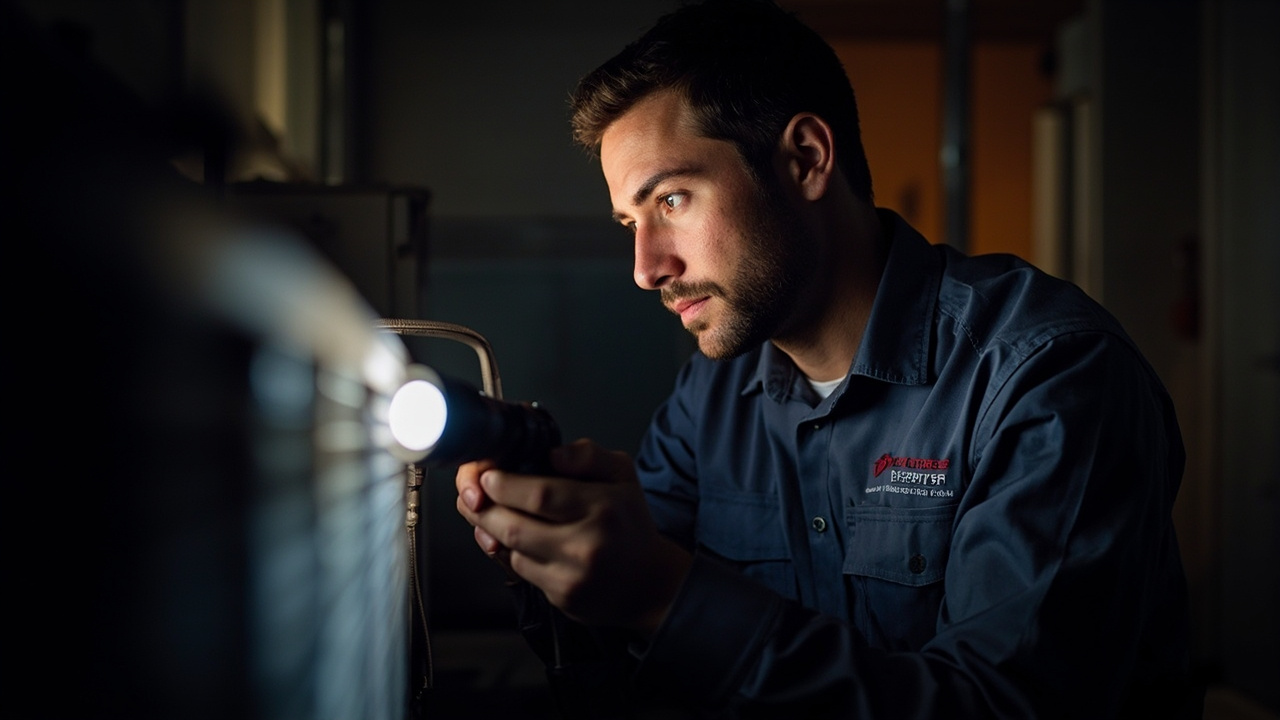
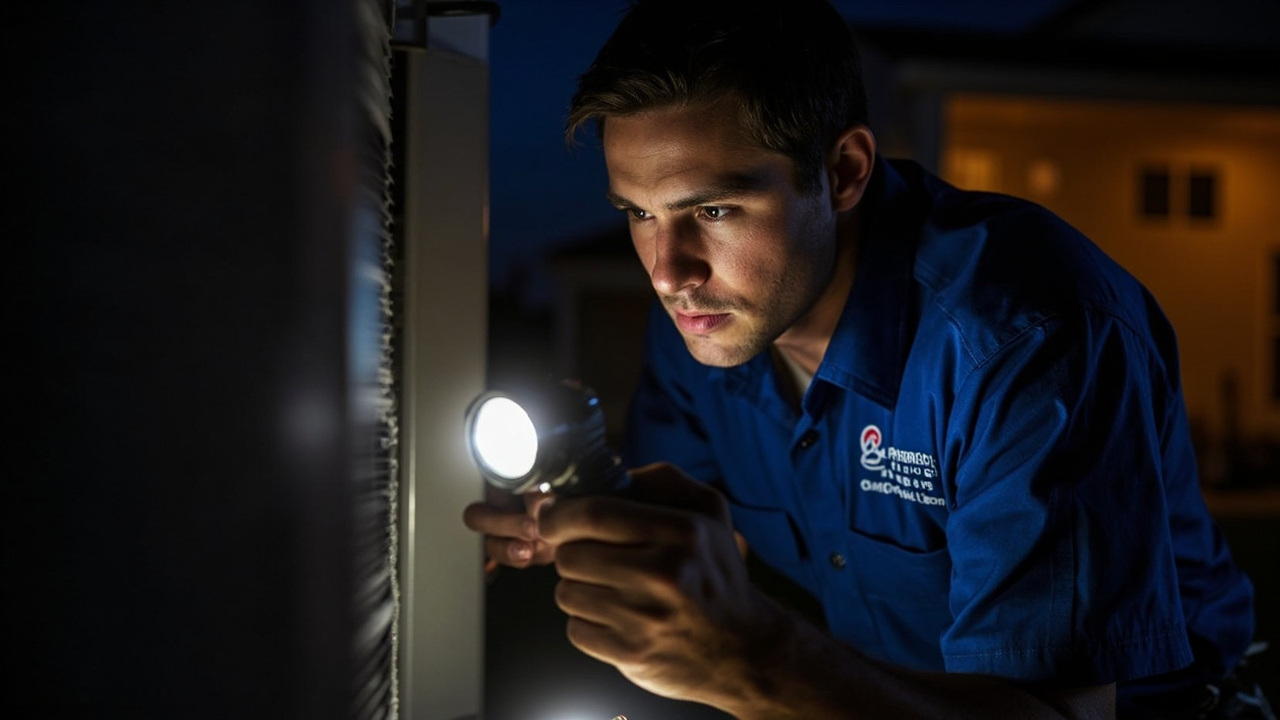
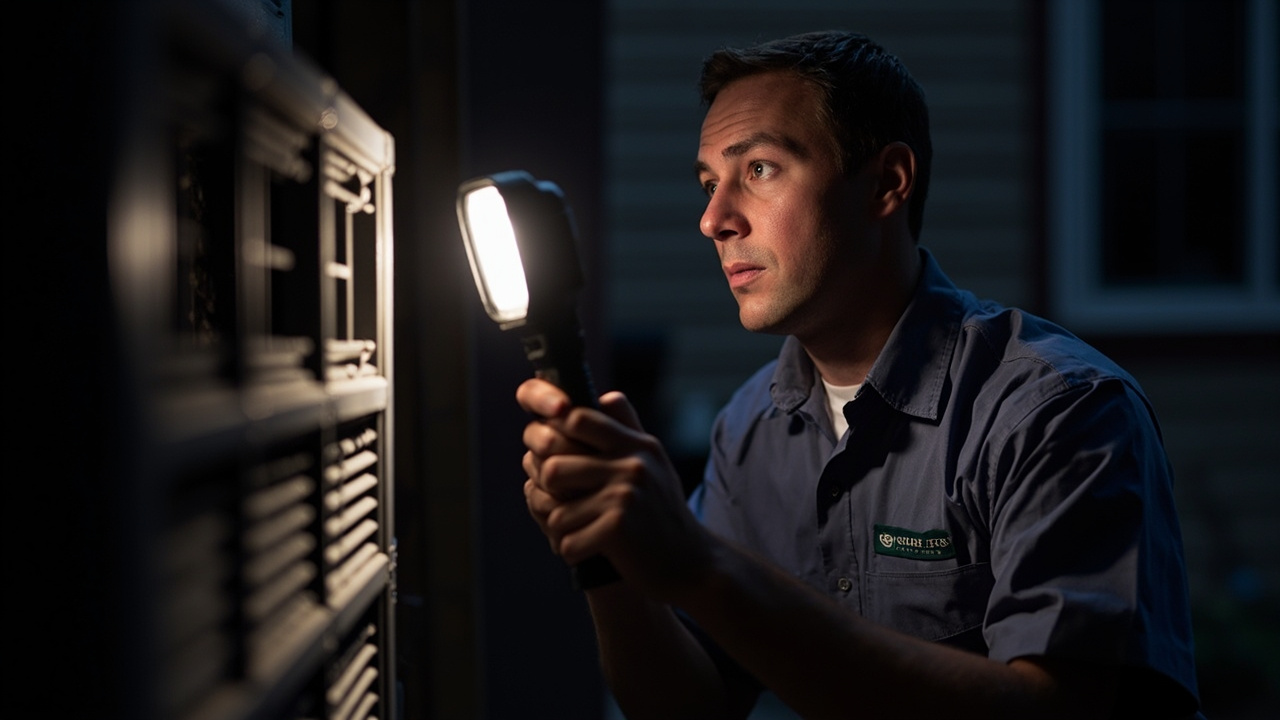
Diagnostics happen fast but thoroughly. We check voltage at the disconnect. Measure amp draw on the compressor. Test capacitance with calibrated meters. Inspect the condenser coil for blockage from cottonwood seeds, which clog outdoor units every June in Denver. We examine ductwork in unconditioned spaces where 140-degree attic temperatures cause air leaks that reduce system efficiency by 30 percent.

The difference between after hours ac repair and regular service shows in our approach to compressor failures. When a compressor seizes at midnight, we do not automatically recommend full system replacement. We test the rest of the system's components, calculate remaining service life, and present options. Sometimes a compressor swap makes sense. Sometimes the condenser coil is corroded and the air handler is 15 years old, making replacement smarter.

We complete most urgent air conditioner service calls within two hours of arrival because our technicians carry the tools and parts that matter.

What Happens When You Call for Emergency AC Repair

24/7 Emergency AC Repair in Denver – Technicians Dispatched Within 60 Minutes
01

Immediate Dispatch and Arrival

You call our emergency line and reach a live dispatcher who collects your address and basic system information. We locate the closest available technician and provide you with an estimated arrival time, typically 45 to 90 minutes depending on your location in the Denver metro. The technician calls you directly when 15 minutes away so you know exactly when help arrives.
02

Rapid System Diagnosis

The technician inspects both indoor and outdoor units, testing electrical components, refrigerant pressures, airflow rates, and control board function. We use thermal imaging to identify hot spots in electrical connections and pressure gauges to check for refrigerant leaks. Most diagnoses take 20 to 30 minutes. You receive a clear explanation of what failed, why it failed, and what it takes to fix it.
03

Same-Visit Repair Completion

Our technicians complete repairs immediately using parts from the truck. We replace failed capacitors, swap burned contactors, repair refrigerant leaks, and restore your system to full operation. After repairs, we test system performance with amp meters and thermometers to confirm proper operation. You get cold air blowing before we leave, not a promise that parts will arrive next week.

Why Denver Homeowners Choose Fortress HVAC for Emergency Repairs

Emergency AC repair in Denver requires technicians who understand how altitude affects refrigerant pressures and system performance. At 5,280 feet, evaporator pressures run lower than sea level specs. Technicians trained in coastal cities often misdiagnose low-side readings as refrigerant leaks when the system operates normally for our elevation. We train our team specifically for high-altitude HVAC diagnostics.

Denver's dramatic temperature swings between day and night stress air conditioning components differently than humid climates. Morning temps in the 50s followed by afternoon highs in the 90s force your compressor through extreme cycling. Capacitors fail faster. Contactor points pit quicker. Thermal expansion valves stick. We stock the components that fail most often in our specific climate because we have repaired thousands of systems across metro Denver.

Our emergency technicians know Denver's housing stock. We service 1950s brick ranches in Park Hill where undersized ductwork causes airflow restrictions. We repair systems in 1970s split-levels in Lakewood where original aluminum wiring creates voltage drop issues. We maintain units in new builds in Stapleton where builders installed minimum-efficiency equipment that struggles during heatwaves. This experience matters when diagnosing problems at 11 PM.

Fortress HVAC Denver operates from local dispatch, not a national call center routing your emergency to the lowest bidder. Our technicians live in Denver metro. They understand that when your AC fails during a Rockies game, you need cooling restored before bedtime, not a next-day appointment window.

We answer our emergency line every hour of every day because AC failures do not respect your schedule. When you call at 3 AM, you reach our dispatcher immediately, not voicemail.

What to Expect from Our Emergency AC Service

Response Time and Availability

We dispatch technicians within 15 minutes of your call, 24 hours a day, seven days a week, including holidays. Most customers in central Denver receive service within 60 minutes. Locations in Aurora, Lakewood, Arvada, and Thornton typically see arrival times between 60 and 90 minutes depending on traffic and technician location. We provide real-time updates via text message so you know exactly when your technician will arrive. Our emergency service covers the entire Denver metro area without surcharges for distance or late-night calls.

Diagnostic Process and Transparency

Our technicians perform comprehensive system diagnostics using calibrated test equipment. We measure voltage, amperage, capacitance, refrigerant pressures, and airflow rates. You receive a written diagnostic report explaining what component failed, what caused the failure, and whether other parts show wear that could cause future breakdowns. We photograph failed components and show you the damage before making repairs. Pricing is transparent and presented before work begins. You approve all repairs before we start, and we never add hidden fees or surprise charges to your bill.

Repair Quality and Parts

We complete most emergency repairs during the initial visit using premium parts designed for Denver's altitude and climate. Our technicians carry OEM-equivalent capacitors rated for high-altitude operation, contactors built to handle electrical stress, and refrigerant for both modern and legacy systems. After repairs, we test system performance to confirm proper operation. You feel cold air blowing before we leave. We do not patch problems temporarily or use substandard parts that fail within months. Every repair restores your system to manufacturer specifications for capacity and efficiency.

Follow-Up and System Monitoring

After emergency repairs, we follow up within 48 hours to confirm your system continues operating correctly. If problems develop within the first week, we return at no additional charge to verify repair quality. We offer optional maintenance plans that include priority emergency service, annual inspections, and discounted repairs to prevent future breakdowns. Our technicians provide specific recommendations for extending your system's life based on its age, condition, and performance during the emergency visit. We keep detailed service records so future technicians understand your system's repair history.

Frequently Asked Questions

You Have Questions,
We Have Answers

What is considered an emergency for AC? +

An AC emergency happens when your system stops cooling during extreme heat, poses a safety risk, or causes property damage. In Denver, where summer temperatures spike fast, watch for these red flags: no cold air blowing, strange burning smells, electrical sparking, water pooling near the unit, or refrigerant leaks. If your home hits 85 degrees or higher and you have elderly family members, young children, or pets, that counts as urgent. Unusual noises like grinding or screeching also signal immediate problems. Do not wait. Call for emergency repair right away to prevent heat exhaustion or system failure.

How much does emergency AC service cost? +

Emergency AC service in Denver typically costs more than standard repairs due to after-hours availability and urgent response times. You pay for speed and convenience when you need cooling restored fast. Service call fees increase at night, on weekends, and during holidays. The final bill depends on the diagnosis, whether you need parts replaced, and labor complexity. Compressor failures cost more than capacitor swaps. Most techs provide upfront pricing after diagnosing the issue. Payment plans and financing options exist for larger repairs. Get a written estimate before authorizing work. The investment protects your family from dangerous heat exposure.

What is the $5000 AC rule? +

The $5000 AC rule helps you decide between repair and replacement. If your system is over 10 years old, multiply the repair cost by the age of your unit. If that number exceeds $5000, replace the system instead of fixing it. For example, a $600 repair on a 12-year-old unit equals $7200, so replacement makes financial sense. Denver's intense summer sun and temperature swings stress older units harder. A new system runs more efficiently, lowers utility bills, and includes warranty coverage. This calculation prevents you from dumping money into a dying system that will fail again soon.

What to do while waiting for AC repair? +

While waiting for emergency AC repair in Denver, move to the coolest room in your home, usually the basement. Close blinds and curtains to block direct sunlight. Turn off heat-generating appliances like ovens, dishwashers, and dryers. Run ceiling fans counterclockwise to push cool air down. Place bowls of ice in front of box fans for a makeshift cooling effect. Drink cold water frequently to prevent dehydration. Wear lightweight, loose clothing. If temperatures become dangerous, go to a cooling center, library, or shopping mall. Check on elderly neighbors who lack transportation. Stay calm and hydrated until the tech arrives.

What is the 3 minute rule for AC? +

The 3-minute rule prevents compressor damage after your AC shuts off. When the system stops running, refrigerant pressure needs time to equalize between the high and low sides. Wait at least 3 minutes before restarting your AC at the thermostat or breaker. Immediate restarts force the compressor to start under high pressure, causing strain, overheating, and potential failure. Most modern systems include time-delay relays that enforce this waiting period automatically. If your AC short cycles or trips breakers frequently, you have a bigger problem. Call for emergency service. Ignoring short cycling destroys compressors fast, especially during Denver's hot summer months.

How to cool down a house with a broken AC? +

Cool your Denver home without AC by creating cross-ventilation. Open windows on opposite sides of your house during cooler morning and evening hours. Close them before temperatures rise. Hang damp sheets in front of open windows so incoming air passes through moisture. Run exhaust fans in bathrooms and kitchens to pull hot air out. Sleep downstairs or in the basement where temperatures drop naturally. Use cotton sheets instead of synthetic bedding. Take cool showers before bed. Freeze water bottles and place them near your neck or wrists to lower body temperature. Avoid cooking indoors. Grill outside or eat cold meals until repair arrives.

Is it cheaper to repair or replace an AC unit? +

Repair costs less upfront, but replacement saves money long-term if your unit is over 12 years old or requires frequent fixes. Minor repairs like capacitor replacement or refrigerant recharge make sense for newer systems. Major repairs like compressor or evaporator coil replacement on older units waste money. Denver's altitude and temperature extremes shorten AC lifespan compared to milder climates. New systems run 20 to 40 percent more efficiently, cutting utility bills significantly. Factor in remaining warranty coverage and how long you plan to stay in your home. A qualified tech provides honest guidance based on your specific situation and system age.

What is the most expensive part of the AC unit to fix? +

The compressor is the most expensive AC component to replace, often costing half the price of a new system. This critical part pumps refrigerant through your AC and handles extreme pressure. Compressor failure usually results from age, refrigerant leaks, electrical issues, or lack of maintenance. Evaporator coils rank second in repair cost. In Denver, outdoor units work harder due to intense sun exposure and temperature swings, stressing compressors faster. If your compressor fails and your system is over 10 years old, replacement beats repair financially. Newer units might justify compressor replacement if still under warranty. Get multiple opinions before deciding.

Is a broken AC covered by insurance? +

Homeowners insurance rarely covers AC repairs from normal wear and tear or age-related breakdowns. Policies typically cover AC damage caused by sudden, unexpected events like lightning strikes, hail damage, fire, or vandalism. Denver's severe hailstorms can destroy outdoor condenser units, which insurance may cover minus your deductible. Review your policy or call your agent to confirm coverage specifics. Some policies exclude outdoor equipment entirely. Lack of maintenance voids most claims. Document damage with photos immediately after storms. Keep maintenance records to prove you maintained the system properly. Consider adding equipment breakdown coverage for mechanical failures beyond standard coverage.

Can I write off my new AC unit on my taxes? +

You might qualify for tax credits, not deductions, when installing energy-efficient AC systems. The federal Inflation Reduction Act offers credits up to 30 percent of installation costs for qualifying high-efficiency units through 2032. Your new AC must meet specific SEER2 ratings to qualify. State and local utility rebates in Colorado may stack with federal credits. Keep receipts, manufacturer certifications, and contractor documentation. Consult a tax professional to verify eligibility based on your situation. Standard repairs do not qualify. Only full system replacements meeting efficiency standards count. Medical necessity deductions exist in rare cases if a doctor prescribes AC for specific health conditions, but requirements are strict.

Why Denver's Altitude and Dry Climate Create Unique AC Emergencies

Denver's 5,280-foot elevation affects how air conditioning systems operate. Refrigerant pressures run 8 to 12 percent lower than sea level because atmospheric pressure decreases with altitude. Technicians unfamiliar with high-altitude HVAC often misread pressure gauges and add unnecessary refrigerant, causing compressor damage. Our dry climate also accelerates evaporator coil corrosion. Without humidity to wash away dust, dirt builds up faster on coils, restricting airflow and causing freeze-ups. Emergency air conditioning repair in Denver requires understanding these altitude-specific challenges that do not exist in coastal cities.

Denver's rapid construction growth means thousands of homes use builder-grade HVAC systems sized to minimum code requirements. These units struggle during consecutive 95-degree days when cooling loads exceed design capacity. Local building codes require ACCA Manual J load calculations, but many contractors cut corners during installation. When undersized systems fail during heatwaves, homeowners need 24 hour ac repair from technicians who understand proper sizing for our climate. Fortress HVAC Denver has serviced thousands of residential systems across every Denver neighborhood, from historic Wash Park bungalows to new Stapleton townhomes.

HVAC Services in The Denver Area

Fortress HVAC is proud to serve the Denver area and surrounding communities. We invite you to view our location on the map, which highlights our service area. While we often come directly to you for services, knowing our central base can help you understand our reach. Feel free to contact us with any questions about our service coverage or to schedule an appointment directly.

Address:
Fortress HVAC Denver, 6035 E 38th Ave, Denver, CO, 80207

Additional Services We Offer

Our news updates

Latest Articles & News from The Blogs

Why Your Gas Fireplace Should Not Be Your Only Heat Source in Golden\n\nGolden homeowners often rely on gas fireplaces for…

Why Your Gas Fireplace Should Not Be Your Only Heat Source in Golden

Why Your Gas Fireplace Should Not Be Your Only Heat Source in Golden\n\nGolden homeowners often rely on gas fireplaces for…

Why Your Furnace Venting Needs Special Attention in High Altitude Morrison

Why Your Furnace Venting Needs Special Attention in High Altitude Morrison Living at 5,800 feet in Morrison means your furnace…

How to Integrate Your HVAC with Matter and Apple Home in Central Park

How to Integrate Your HVAC with Matter and Apple Home in Central Park Central Park residents who want their HVAC…

Contact Us

Your air conditioner will not fix itself. Every hour without cooling makes your home hotter and less safe. Call Fortress HVAC Denver right now at (720) 502-9511 for immediate dispatch. Our emergency technicians are standing by 24/7 with the parts and expertise to restore your cooling tonight.