



Menu

Commercial Maintenance Agreements in Denver – Minimize Downtime and Protect Business Continuity Year-Round

Fortress HVAC Denver delivers commercial HVAC service contracts designed to reduce emergency failures, extend equipment lifespan, and keep your facility operational through Denver's extreme temperature swings and high-altitude conditions.

Slider Image 1
Slider Image 2
Slider Image 3
Slider Image 4
Slider Image 5
Slider Image 7
Slider Image 8
Slider Image 9
Slider Image 10
Slider Image 11

Why Denver Commercial Facilities Cannot Afford Reactive HVAC Management

Denver's high-altitude environment and dramatic temperature swings place unique stress on commercial HVAC systems. A system operating at 5,280 feet works harder to move air and regulate temperature than equipment at sea level. The dry climate accelerates component wear, while seasonal temperature shifts from subzero winters to 90-degree summers force systems through extreme thermal cycling.

When a rooftop unit fails during a January cold snap or a chiller goes down during August heat, the cost extends far beyond the repair bill. You lose productivity, risk inventory damage, face potential code violations, and erode customer trust. A restaurant loses diners. A data center risks server damage. A medical office postpones appointments.

Commercial HVAC maintenance plans eliminate this exposure. Planned maintenance agreements shift your facility from reactive crisis management to predictive performance optimization. Instead of emergency service calls at premium rates, you get scheduled service during off-hours. Instead of catastrophic failures, you get component replacements before breakdown occurs.

Commercial HVAC service contracts address Denver's specific challenges through altitude-adjusted calibration, humidity control for our 30% average relative humidity, and thermal expansion monitoring for systems exposed to 60-degree daily temperature swings. HVAC preventive maintenance agreements include filter changes timed to Denver's high pollen count springs and our dust-heavy construction season.

You reduce operational risk, extend equipment lifespan by up to 40%, and convert unpredictable maintenance spending into fixed, budgetable line items. That is how Denver businesses protect continuity.

Why Denver Commercial Facilities Cannot Afford Reactive HVAC Management
How Commercial Planned Maintenance Agreements Protect Your System Investment

How Commercial Planned Maintenance Agreements Protect Your System Investment

Commercial HVAC service agreements are not generic checklists. Fortress HVAC Denver structures maintenance protocols around your equipment type, usage patterns, and facility requirements. A retail space with high customer traffic needs different service frequency than a warehouse with minimal occupancy. A medical facility requires stricter air quality protocols than a manufacturing plant.

The foundation is equipment inventory and baseline performance documentation. We record model numbers, installation dates, refrigerant types, and current performance metrics for every piece of equipment. This creates a maintenance roadmap specific to your facility. We then establish service intervals based on manufacturer specifications, runtime hours, and Denver climate factors.

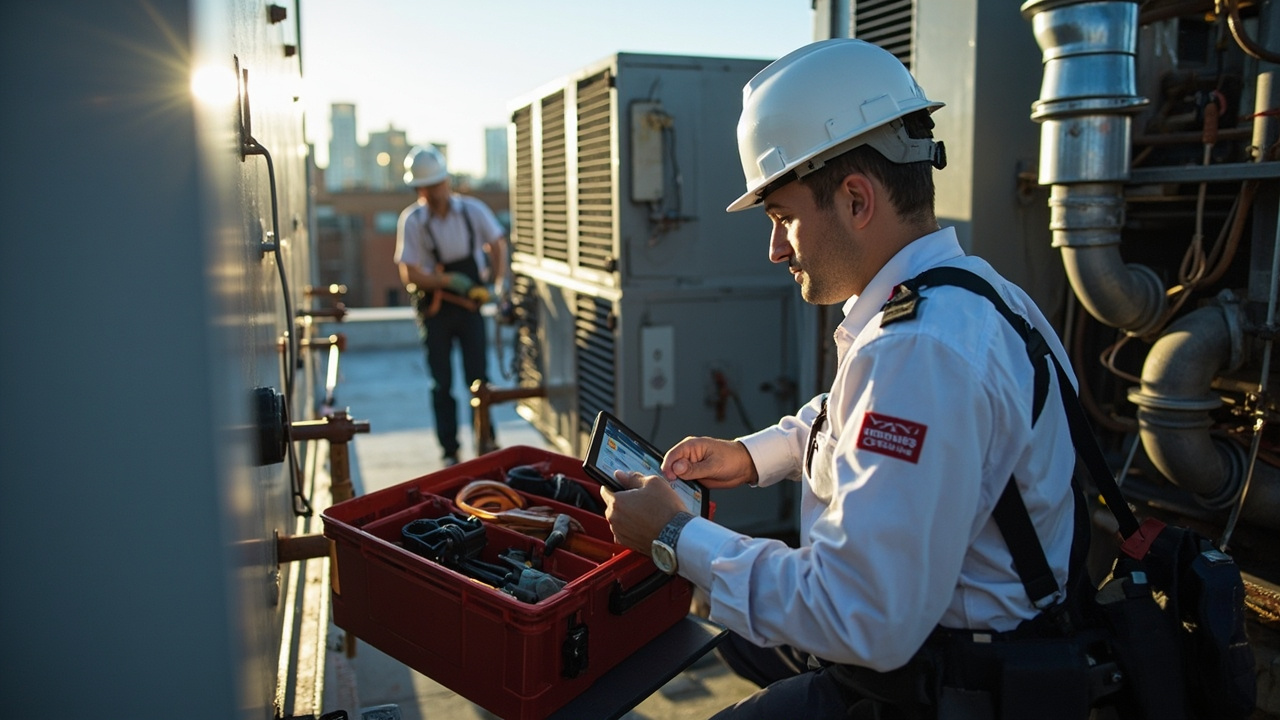
Scheduled visits include compressor amp draw testing, refrigerant charge verification, airflow measurement, and heat exchanger inspection. We check economizer operation, verify control sequences, test safety cutoffs, and inspect electrical connections for high-resistance joints that cause failures. For rooftop units common in Denver commercial construction, we inspect curb mounting, check drain pan integrity, and verify roof penetration seals against our freeze-thaw cycles.

Commercial HVAC maintenance plans include priority dispatch for any issues between scheduled visits. You receive detailed service reports documenting findings, measurements, and recommended actions. We track performance trends over time to identify degradation before failure occurs. A compressor drawing increasing amperage signals bearing wear. Rising superheat indicates refrigerant loss. Declining airflow points to coil fouling or blower issues.

This systematic approach extends equipment life, maintains energy efficiency, and prevents the revenue loss that comes with unexpected downtime. You gain control over facility performance through data, not guesswork.

How We Structure Your Commercial Service Agreement

Commercial Maintenance Agreements in Denver – Minimize Downtime and Protect Business Continuity Year-Round
01

Facility Assessment and Equipment Audit

We start with a complete facility walkthrough to document every HVAC asset. This includes rooftop units, split systems, chillers, boilers, ventilation equipment, and control systems. We record nameplate data, measure current performance, identify code compliance issues, and photograph equipment condition. You receive a detailed report showing equipment age, expected remaining lifespan, and maintenance priority ranking based on failure risk and business impact.
02

Agreement Customization and Scheduling

Based on audit findings, we design a maintenance schedule aligned with your operational needs. Service visits occur during off-hours or low-traffic periods to avoid business disruption. We establish frequency based on equipment type, age, and usage intensity. High-demand systems get quarterly attention. Standard commercial equipment receives biannual service. We lock in pricing and define what each visit includes, so you know exactly what you pay and what you receive.
03

Ongoing Service and Performance Tracking

Scheduled maintenance visits follow defined protocols with documented procedures for each equipment type. Technicians record all measurements, completed tasks, and findings in your facility profile. You receive service reports after each visit showing work performed, system status, and any concerns requiring attention. We track performance trends across visits to identify developing issues. Priority emergency service ensures that any problems between scheduled visits receive immediate attention without premium emergency rates.

Why Denver Businesses Choose Fortress HVAC for Commercial Service Contracts

Commercial facilities need HVAC contractors who understand business operations, not just equipment repair. Fortress HVAC Denver specializes in commercial service agreements because we recognize that your HVAC system is infrastructure, not an amenity. System performance directly affects your ability to operate, serve customers, and generate revenue.

We understand Denver's commercial real estate landscape. We service everything from Capitol Hill mixed-use buildings to Denver Tech Center office complexes, from RiNo warehouse conversions to Cherry Creek retail spaces. Each building type presents unique HVAC challenges. Older downtown buildings often have aging boiler systems and outdated controls. Newer construction uses sophisticated building automation that requires specialized knowledge. We handle both.

Denver's rapid altitude and weather extremes demand technicians who understand how these factors affect system performance. Equipment sized for sea level operates differently at 5,280 feet. Refrigerant pressures run lower. Heat exchangers work harder. Condensate management changes in our low humidity. We calibrate and maintain systems for Denver conditions, not generic manufacturer specifications.

Our commercial clients include property management companies responsible for multiple buildings, facility managers overseeing corporate campuses, and business owners who need reliable partners. We provide the consistency that comes from assigned technicians who learn your systems, the responsiveness that protects business continuity, and the documentation that satisfies ownership and regulatory requirements.

Commercial planned maintenance agreements include detailed reporting, trend analysis, and capital planning support. You know what needs replacement, when to budget for it, and how to maximize equipment lifespan. That is the difference between a vendor and a facilities partner.

What Your Commercial Service Agreement Includes

Scheduled Service Frequency and Response Times

Service intervals match your equipment needs and operational requirements. Light commercial systems typically receive biannual maintenance timed to spring and fall. High-demand facilities get quarterly visits. Critical environments like data centers or medical offices receive monthly attention. All agreements include priority emergency service with guaranteed response times faster than standard service calls. We schedule visits during your preferred hours to minimize operational disruption. You receive advance notice before each visit and can reschedule if business needs change.

Comprehensive System Inspection and Testing

Each maintenance visit follows equipment-specific protocols covering all critical components. We measure electrical draw, test refrigerant charge, verify airflow, inspect heat exchangers, check safety controls, and test control sequences. For package units, we inspect cabinet integrity, verify drain operation, and check roof curb seals. Split systems get indoor coil inspection, outdoor unit cleaning, and refrigerant line examination. We document all measurements and compare against baseline performance to identify degradation trends. You receive written reports detailing findings, completed tasks, and any recommended actions.

Performance Optimization and Energy Efficiency

Maintenance visits focus on maintaining peak efficiency, not just preventing breakdowns. Dirty coils reduce efficiency by up to 30%. Low refrigerant charge increases compressor runtime. Loose electrical connections create resistance and heat. We address these issues before they escalate into failures or drive up utility costs. We verify economizer operation to maximize free cooling during Denver's cool nights. We calibrate thermostats and verify setpoint programming. We check belt tension and motor alignment. The result is equipment that runs at design efficiency, reducing energy consumption while extending component life.

Documentation and Capital Planning Support

Every service visit generates documented records stored in your facility profile. You receive detailed reports showing completed maintenance tasks, current system status, and performance measurements. We track trends across multiple visits to identify developing issues and predict remaining equipment lifespan. When major components approach end of life, we provide replacement recommendations with timeline and budget guidance. This documentation satisfies property management requirements, supports regulatory compliance, and enables informed capital planning. You know what needs replacement, when to budget for it, and how to avoid emergency capital expenditures from unexpected failures.

Frequently Asked Questions

You Have Questions,
We Have Answers

What should be included in a maintenance agreement? +

A commercial maintenance agreement should include scheduled inspections, filter replacements, refrigerant level checks, and system cleaning. You need coverage for both heating and cooling equipment to handle Denver's temperature swings. The agreement must specify response times for breakdowns, parts coverage terms, and labor rates. Include provisions for priority service during peak seasons when HVAC demand spikes. Look for agreements covering electrical connections, thermostat calibration, and ductwork inspection. Define exactly which equipment falls under the contract, how often technicians will visit, and what emergency services cost. A solid agreement protects your business from unexpected downtime and expensive emergency repairs.

What is the difference between AMC and CAMC? +

AMC (Annual Maintenance Contract) covers routine preventive maintenance only. You pay for parts and labor if something breaks. CAMC (Comprehensive Annual Maintenance Contract) includes preventive maintenance plus repairs and replacement parts. CAMC costs more upfront but protects you from surprise repair bills. For Denver commercial properties facing harsh winters and hot summers, CAMC often makes financial sense. Your HVAC system works harder in extreme climates, increasing breakdown risk. AMC works if you have newer equipment and want basic upkeep. CAMC suits older systems or businesses that cannot afford downtime. Evaluate your equipment age, budget, and tolerance for operational interruptions.

What are the 4 types of maintenance? +

The four types are corrective, preventive, risk-based, and condition-based maintenance. Corrective maintenance fixes problems after failure. Preventive maintenance follows scheduled intervals regardless of equipment condition. Risk-based maintenance prioritizes assets by failure consequences and business impact. Condition-based maintenance uses real-time data and monitoring to trigger service only when needed. Denver commercial facilities often combine preventive and condition-based approaches. You schedule routine filter changes and inspections while monitoring refrigerant pressures and energy consumption. This hybrid approach reduces unnecessary service visits while catching problems before they cause equipment failure. Choose your maintenance type based on equipment criticality and replacement costs.

What is a standard maintenance agreement? +

A standard maintenance agreement covers scheduled inspections, cleaning, and minor adjustments. Technicians inspect your system twice yearly, typically before cooling and heating seasons. The agreement includes filter changes, coil cleaning, refrigerant checks, and electrical testing. You receive priority scheduling and discounted labor rates for repairs not covered under the contract. Standard agreements exclude parts, major repairs, and after-hours emergency calls. For Denver commercial properties, ensure your agreement covers both furnace and AC components. The contract should specify exact services performed during each visit, response time guarantees, and what triggers additional charges. Review exclusions carefully to avoid surprises.

What is the 80 20 rule in maintenance? +

The 80 20 rule states that 80% of equipment failures come from 20% of components. Focus your maintenance resources on high-failure items like compressors, motors, and control boards. This approach maximizes your maintenance budget efficiency. In Denver commercial HVAC systems, that 20% includes condensate drains that freeze, heat exchangers stressed by temperature extremes, and contactors cycling frequently. Prioritize these components during inspections. Track failure data from your facility to identify your specific high-risk items. This targeted approach prevents most breakdowns without wasting resources on components that rarely fail. Apply this rule when negotiating maintenance agreement scope and pricing.

What are the 7 elements of maintenance? +

The seven elements are planning, scheduling, execution, documentation, analysis, improvement, and compliance. Planning identifies what maintenance is needed. Scheduling assigns when and who performs the work. Execution completes the tasks. Documentation records all activities and findings. Analysis reviews data to spot trends. Improvement adjusts procedures based on results. Compliance ensures you meet code requirements and manufacturer specifications. Denver commercial properties must document maintenance for insurance and liability purposes. Your maintenance agreement should address all seven elements. Ask how the contractor plans visits, tracks work history, and reports findings. Proper documentation proves you maintained equipment correctly if disputes arise.

What is the 10% rule of preventive maintenance? +

The 10% rule suggests spending 10% of equipment replacement cost annually on preventive maintenance. A 100,000 dollar rooftop unit warrants 10,000 dollars yearly in maintenance investment. This guideline helps you budget appropriately and avoid undermaintaining expensive assets. Denver's temperature extremes accelerate wear, making this investment worthwhile. The rule applies to critical equipment where failure causes business disruption. You might spend less on redundant systems or more on single-point-of-failure equipment. Use this benchmark when evaluating maintenance agreement costs. If a contractor quotes significantly below 10%, question whether the service level adequately protects your investment. Balance cost against downtime risk and replacement expenses.

What does an annual maintenance contract include? +

An annual maintenance contract includes two comprehensive inspections, one before cooling season and one before heating season. Technicians perform filter replacement, coil cleaning, refrigerant level verification, and electrical connection testing. The contract covers thermostat calibration, condensate drain clearing, and belt tension adjustment. You receive discounted labor rates on repairs and priority scheduling during peak demand. Most contracts exclude refrigerant top-offs, parts replacement, and emergency after-hours calls. For Denver commercial facilities, ensure your contract addresses both furnace and AC systems. Confirm the agreement specifies exact tasks performed, response times for service calls, and procedures for handling discovered defects requiring repair authorization.

What are the two types of AMC? +

The two AMC types are non-comprehensive and comprehensive. Non-comprehensive AMC covers preventive maintenance only. You pay separately for parts and repair labor when equipment breaks. Comprehensive AMC includes maintenance plus all repairs and replacement parts except consumables like filters. Non-comprehensive costs less but exposes you to unpredictable repair expenses. Comprehensive AMC provides budget certainty through fixed annual costs. Denver commercial properties with aging equipment often benefit from comprehensive coverage because extreme weather accelerates component failure. Newer systems under warranty might only need non-comprehensive service. Calculate your annual repair history to determine which type delivers better value for your facility.

What are the 3 P's of maintenance? +

The three P's are preservation, prediction, and prevention. Preservation maintains equipment in proper operating condition through cleaning and lubrication. Prediction uses data and monitoring to forecast when components will fail. Prevention performs scheduled service to stop breakdowns before they occur. Denver commercial facilities should emphasize prevention given climate stress on HVAC systems. Regular filter changes and coil cleaning prevent refrigerant problems and compressor failure. Prediction involves tracking runtime hours, amp draw, and temperature differentials to spot degrading performance. Preservation includes protecting outdoor units from snow accumulation and ice damage. A quality maintenance agreement addresses all three P's systematically.

How Denver's Altitude and Climate Drive Commercial HVAC Maintenance Needs

Denver's 5,280-foot elevation creates lower atmospheric pressure that affects HVAC system performance in ways that do not occur at sea level. Compressors work harder to achieve the same cooling capacity. Refrigerant pressures run lower than manufacturer specifications assume. Combustion efficiency changes for gas-fired equipment. Our extreme diurnal temperature swings, often exceeding 40 degrees between overnight lows and afternoon highs, force systems through thermal stress cycles that accelerate component wear. The dry climate promotes dust accumulation in air handlers and coils. These factors make proactive maintenance critical for commercial facilities that cannot afford downtime from preventable failures.

Denver's commercial building codes and energy requirements make proper HVAC maintenance a compliance issue, not just a performance concern. The city adopted energy benchmarking requirements for commercial buildings over 25,000 square feet. Facilities must track and report energy usage annually. Poorly maintained HVAC systems drive up energy consumption and hurt benchmarking scores. Commercial property managers and business owners need service partners who understand Denver's code environment, maintain documentation that satisfies audits, and optimize systems for both performance and compliance. That local expertise protects your investment and reduces regulatory risk.

HVAC Services in The Denver Area

Fortress HVAC is proud to serve the Denver area and surrounding communities. We invite you to view our location on the map, which highlights our service area. While we often come directly to you for services, knowing our central base can help you understand our reach. Feel free to contact us with any questions about our service coverage or to schedule an appointment directly.

Address:
Fortress HVAC Denver, 6035 E 38th Ave, Denver, CO, 80207

Additional Services We Offer

Our news updates

Latest Articles & News from The Blogs

Why Your Gas Fireplace Should Not Be Your Only Heat Source in Golden\n\nGolden homeowners often rely on gas fireplaces for…

Why Your Gas Fireplace Should Not Be Your Only Heat Source in Golden

Why Your Gas Fireplace Should Not Be Your Only Heat Source in Golden\n\nGolden homeowners often rely on gas fireplaces for…

Why Your Furnace Venting Needs Special Attention in High Altitude Morrison

Why Your Furnace Venting Needs Special Attention in High Altitude Morrison Living at 5,800 feet in Morrison means your furnace…

How to Integrate Your HVAC with Matter and Apple Home in Central Park

How to Integrate Your HVAC with Matter and Apple Home in Central Park Central Park residents who want their HVAC…

Contact Us

Stop paying for emergency failures and start controlling your HVAC costs. Call Fortress HVAC Denver at (720) 502-9511 to schedule a facility assessment and receive a customized commercial service agreement proposal. Protect business continuity through proactive maintenance designed for Denver conditions.

;