




Menu

Emergency Gas Furnace Leak Repair in Denver – 24/7 Response When You Smell Gas

Fast, Safe Gas Furnace Leak Repair Across Denver Metro – Our certified technicians diagnose and fix gas leaks on furnaces within hours, protecting your family from carbon monoxide exposure and explosion risk.

Slider Image 1
Slider Image 2
Slider Image 3
Slider Image 4
Slider Image 5
Slider Image 7
Slider Image 8
Slider Image 9
Slider Image 10
Slider Image 11

Why Gas Furnace Leaks Are Dangerous in Denver Homes

You smell rotten eggs near your furnace. Your carbon monoxide detector is beeping. Your pilot light keeps going out. These are not problems you Google and wait three days to fix.

Gas furnace leaks in Denver homes require immediate action because natural gas is both explosive and toxic. Denver sits at 5,280 feet, where lower atmospheric pressure can affect gas combustion efficiency and increase the risk of incomplete burns. When your furnace develops a leak in the gas line, heat exchanger, or connection fittings, you face two immediate threats: carbon monoxide poisoning and explosion risk.

Denver's freeze-thaw cycles add another layer of risk. When temperatures swing from 15 degrees overnight to 50 degrees by afternoon, your furnace works overtime. That constant cycling stresses gas line connections, corrodes heat exchangers faster, and can crack the manifold where gas enters your burners. Homes in Capitol Hill, Wash Park, and Stapleton built before 2000 often have older furnaces with black iron gas lines that corrode from the inside out.

You cannot fix a gas leak on a furnace yourself. Even small leaks create pockets of gas that concentrate in basements or crawl spaces. A spark from a light switch, water heater pilot, or static discharge can ignite those pockets. Emergency furnace gas leak service is not optional. It is life safety.

If you smell gas, hear hissing near your furnace, or your detector alarms, turn off your gas at the meter if you can reach it safely, evacuate, and call for gas heater leak repair immediately. Do not turn lights on or off. Do not use your phone inside the house.

Why Gas Furnace Leaks Are Dangerous in Denver Homes
How We Locate and Repair Gas Leaks Fast

How We Locate and Repair Gas Leaks Fast

When you call Fortress HVAC Denver for furnace gas line leak repair, we dispatch a certified technician within 60 minutes. Speed matters because gas continues leaking until the source is isolated and repaired.

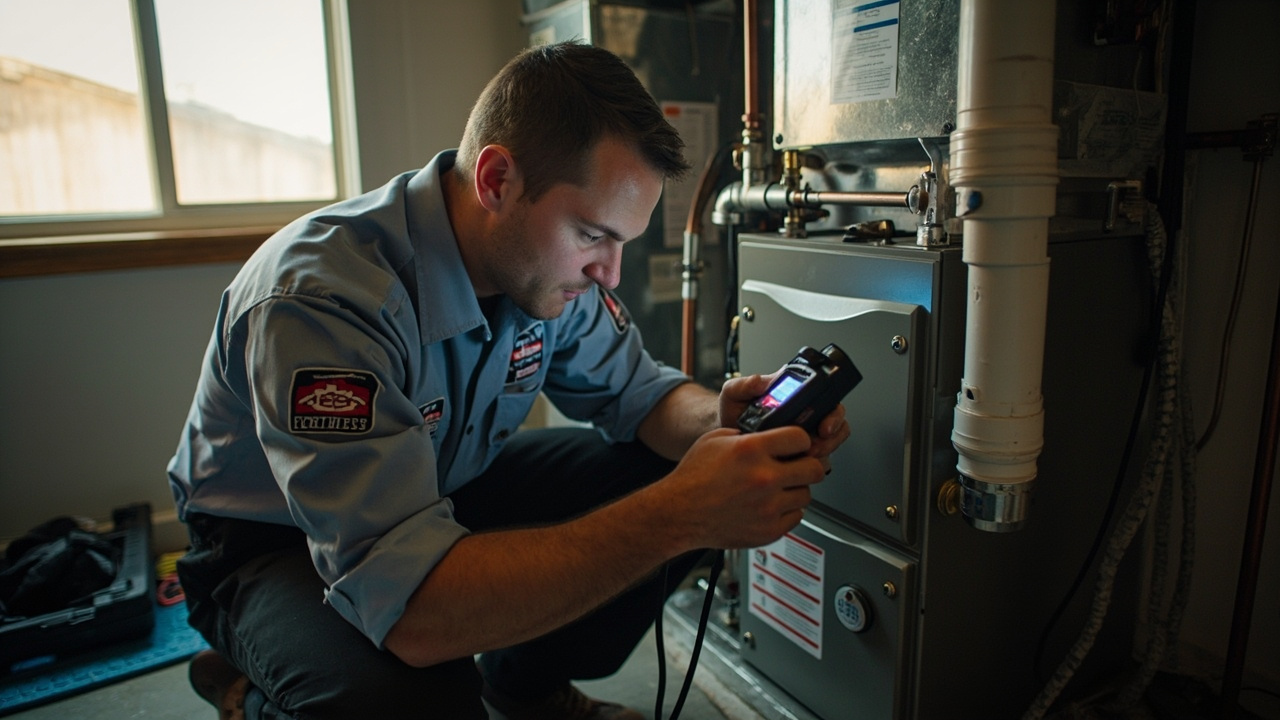
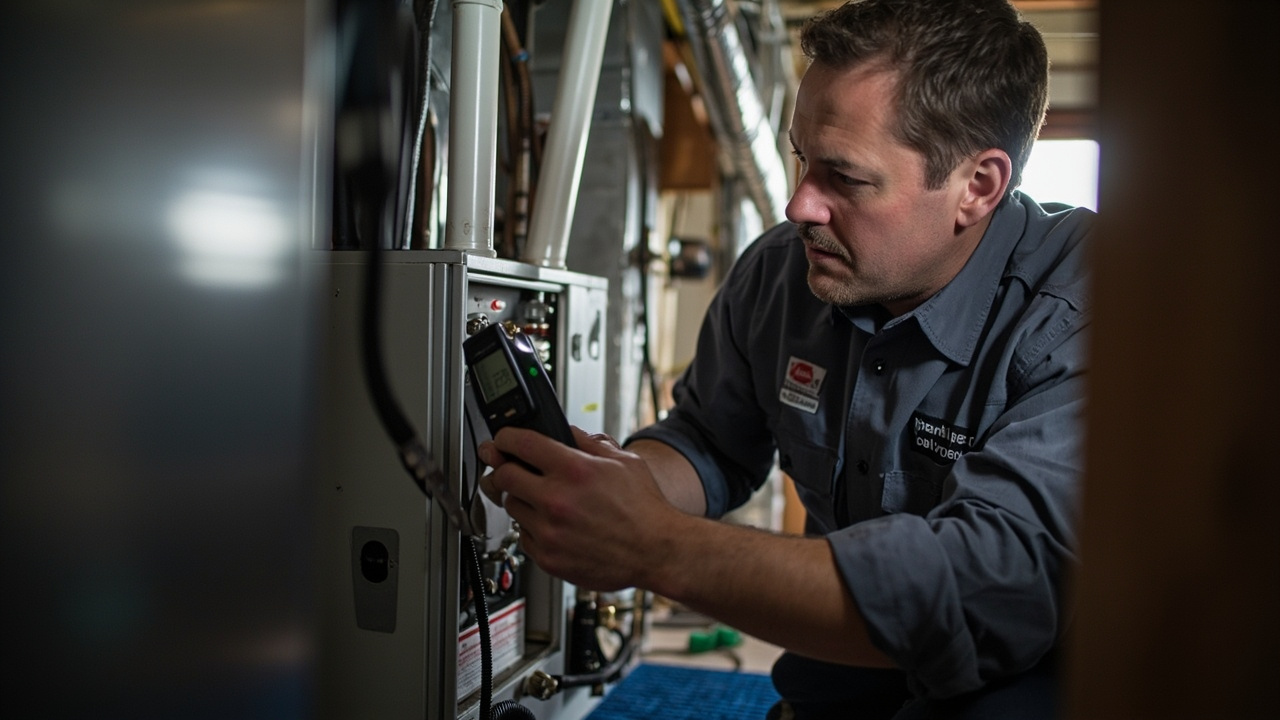
Our first step is safety triage. We use combustible gas detectors calibrated to parts per million to scan your furnace room, basement, and air returns. These tools identify exactly where gas is escaping, whether from the gas valve, flex connector, heat exchanger, or burner manifold. We do not guess. We measure.

Once we locate the leak, we shut off gas supply to the furnace and ventilate the area. For leaks at connection points like the union between your gas line and furnace valve, we often tighten or replace the coupling and test with soap bubble solution and a manometer to verify zero leakage under operating pressure. Colorado requires all gas work to meet IFGC standards, and we pull permits when replacing gas lines or valves.

Heat exchanger cracks are more complex. Denver's dry air and temperature swings cause metal fatigue in older furnaces. If your heat exchanger is cracked, gas and combustion byproducts mix with your home's air supply. We do not patch heat exchangers. We replace the furnace because the risk of carbon monoxide exposure is too high.

For gas line corrosion or damage, we replace sections with new black iron or CSST flexible gas line, properly sized to your furnace's BTU input. Every joint is tested at 15 psi for leaks before we restore service. We also inspect your gas meter, sediment trap, and shutoff valve because leaks often indicate systemic issues with your gas delivery system.

What Happens When You Call for Emergency Gas Leak Service

Emergency Gas Furnace Leak Repair in Denver – 24/7 Response When You Smell Gas
01

Immediate Safety Assessment

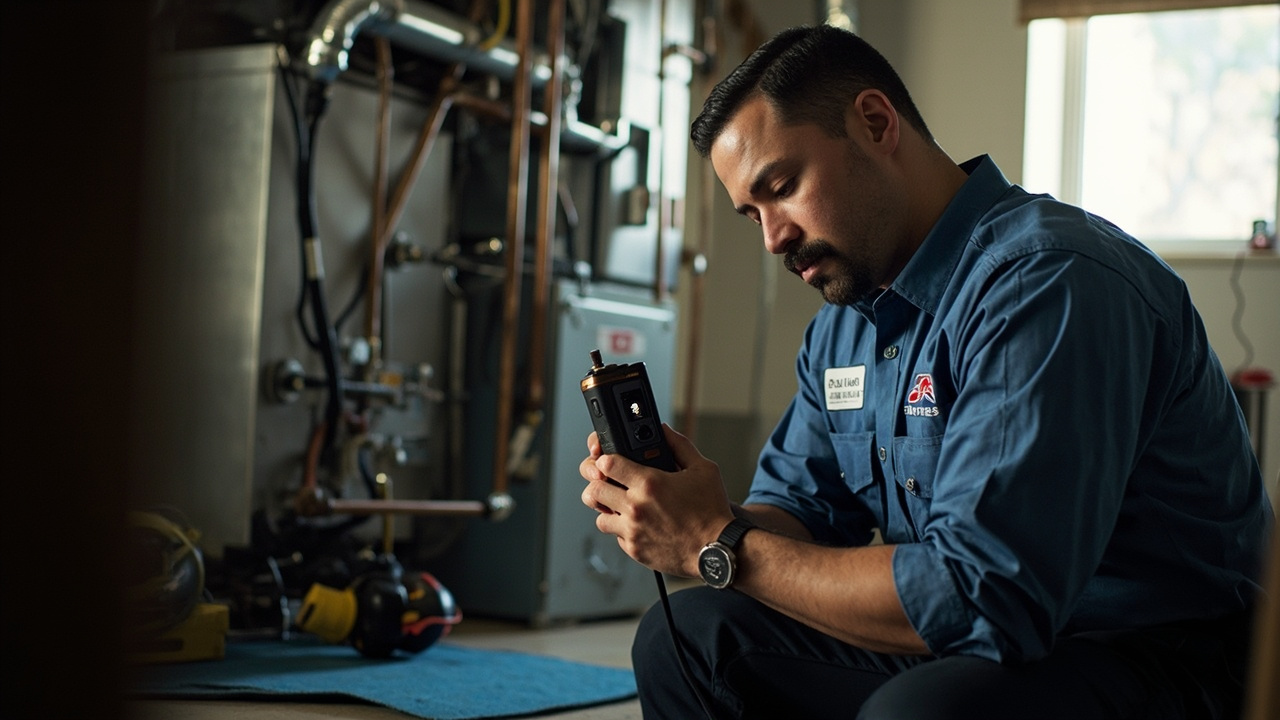
Our technician arrives with gas detection equipment and immediately tests air quality in your furnace area and living spaces. We verify whether gas levels are safe for entry, identify the leak source using electronic sniffers and pressure gauges, and shut off gas supply to your furnace. If gas concentration is high, we ventilate and coordinate with Xcel Energy to shut off your meter.
02

Leak Isolation and Repair

After isolating the furnace from gas supply, we diagnose whether the leak originates from fittings, the gas valve, burner assembly, or heat exchanger. We repair or replace the failed component using code-compliant materials and techniques. For heat exchanger failure, we provide furnace replacement options because patches are unsafe. All new gas connections are pressure-tested and inspected before restoration.
03

System Testing and Clearance

We restore gas flow, relight your furnace, and monitor combustion with a flue gas analyzer to verify proper air-fuel mixture and zero carbon monoxide spillage. We test all connections again with soap solution at operating pressure, check your venting system for blockages, and verify your carbon monoxide detectors are functioning. You receive documentation of all repairs and testing for your records and insurance.

Why Denver Homeowners Trust Fortress HVAC for Gas Leak Emergencies

Gas leaks require more than a screwdriver and a YouTube video. They require certification, testing equipment, and knowledge of Denver building codes and Xcel Energy requirements.

Fortress HVAC Denver employs technicians with current gas piping certifications and combustion analysis training. We understand how altitude affects gas pressure regulation and burner performance. We know that Denver homes built in different eras have different gas line materials: older homes in Berkeley and Highland often have corroded black iron, while newer builds in Lowry and Stapleton use CSST flexible lines that can fail at compression fittings.

We also understand Denver's permit and inspection process. Any time you replace a gas valve, extend a gas line, or install a new furnace, Denver requires a permit and inspection. DIY repairs or unlicensed work can void your homeowner's insurance and create liability if a leak causes injury or property damage down the line. We pull permits, coordinate inspections, and ensure your repair meets IFGC and IRC codes.

Our emergency response covers the entire Denver metro, from Golden to Aurora, Littleton to Thornton. We stock common furnace gas valves, flex connectors, and fittings on our trucks because waiting two days for a part is not an option when your heat is off in January.

You also get straight answers. If your furnace is 18 years old and the heat exchanger is cracked, we will not sell you a $900 repair on a system that should be replaced. We provide options, explain the risks, and let you decide. That honesty is why families across Denver call us first when they smell gas.

What to Expect During Your Gas Leak Repair

Emergency Response Time

We dispatch a technician within 60 minutes of your call, even at 2 a.m. on Sunday. Gas leaks do not wait for business hours. Our trucks carry gas detection equipment, replacement valves, fittings, and pipe stock so we can complete most repairs in one visit. For heat exchanger failures requiring furnace replacement, we provide temporary heating solutions while you decide on equipment and schedule installation. You will not spend three days without heat in winter.

Diagnostic Process

Our technician uses a calibrated combustible gas detector to measure gas concentration in parts per million around your furnace, gas line, and ductwork. We pressurize your gas line with air or nitrogen to 15 psi and monitor for pressure drop, which indicates a leak. We inspect heat exchanger integrity with a flashlight and mirror, looking for cracks, rust-through, or holes. We test burner flame with a flue gas analyzer to check for incomplete combustion that signals a failing heat exchanger. This diagnostic process takes 30 to 45 minutes.

Repair Quality and Safety

Every gas connection we make is tested twice: once with soap bubble solution to visually confirm no leaks, and again with a manometer to verify zero pressure loss over 10 minutes. We use only UL-listed gas valves, black iron pipe, or CSST flexible line rated for natural gas. All joints are sealed with yellow Teflon tape or pipe dope rated for gas service. After repair, we test combustion efficiency and carbon monoxide levels in your flue to ensure your furnace burns cleanly and safely. You get documentation of all test results.

Follow-Up and Prevention

After we restore your system, we explain what caused the leak and how to prevent future issues. Gas line corrosion often indicates moisture intrusion or poor venting. Heat exchanger cracks mean your furnace is past its safe service life. We recommend annual furnace maintenance that includes combustion analysis and heat exchanger inspection, especially for systems over 12 years old. If you need a carbon monoxide detector upgrade or gas shutoff valve replacement, we install those during the same visit. Prevention is cheaper than emergency calls.

Frequently Asked Questions

You Have Questions,
We Have Answers

Can I fix a furnace leak myself? +

No. Gas furnace leaks require a licensed HVAC technician. Natural gas is explosive and unforgiving. Attempting DIY repairs risks fire, explosion, or carbon monoxide poisoning. Denver's dry climate and altitude already stress heating systems, making leaks more unpredictable. You need specialized tools, leak detection equipment, and code knowledge to safely repair gas connections, heat exchangers, or valves. Evacuate immediately if you smell gas (rotten eggs), open windows, avoid electrical switches, and call a professional. Your safety depends on expert intervention. Do not risk your family or property.

How much do gas leaks cost to fix? +

Gas leak repairs range widely depending on the source. A simple valve replacement may cost less than a cracked heat exchanger, which requires furnace replacement. Factors include leak location, furnace age, and parts availability. Denver's older homes often have aging furnaces that need extensive work. Emergency service calls carry higher rates, but the risk of explosion justifies the cost. Never delay repairs to save money. Request a diagnostic visit to identify the exact issue. Reputable Denver HVAC companies provide transparent estimates before starting work.

Whose responsibility is it to fix a gas leak? +

Responsibility depends on property ownership and lease terms. Homeowners always pay for furnace repairs on their property. Renters typically are not responsible unless they caused the damage. Colorado law requires landlords to maintain heating systems and respond urgently to gas leaks. If you rent in Denver and smell gas, notify your landlord immediately and call Xcel Energy or 911. Landlords must address gas leaks within hours, not days. Document everything. For homeowners, responsibility falls entirely on you to protect your family and property.

Is it normal to smell a little gas near a furnace? +

No. You should never smell gas near your furnace. Natural gas is odorless, but utility companies add mercaptan (rotten egg smell) to warn you of leaks. Even a faint odor signals danger. Denver's dry air can concentrate gas odors, making detection easier, but do not wait to confirm. Evacuate immediately, avoid light switches or flames, and call Xcel Energy or 911 from outside. A properly functioning furnace burns gas completely with zero odor. Any gas smell means something is wrong and requires emergency attention.

How much does it cost to fix a leaky furnace? +

Leaky furnace repairs depend on whether you have a water leak or gas leak. Water leaks (condensate drain issues) cost less to fix than gas leaks. Gas leaks require immediate emergency response and can range significantly based on component failure. A cracked heat exchanger often means full furnace replacement, especially in Denver's older homes where furnaces endure freeze-thaw stress. Minor gas valve leaks cost less but still demand urgent professional repair. Always get a diagnostic inspection first. Delaying repairs risks catastrophic damage or worse.

Is it safe to stay in house with a gas leak? +

Absolutely not. Evacuate immediately if you suspect a gas leak. Do not turn on lights, use your phone inside, or operate any electrical device. Natural gas is highly explosive. Even a small spark from a thermostat or light switch can ignite accumulated gas. Denver's dry climate increases static electricity risk, making ignition more likely. Leave doors and windows open as you exit, but do not waste time. Call 911 or Xcel Energy from a safe distance outside. Wait for professionals to clear your home before re-entering.

Are gas leaks covered by insurance? +

Sometimes. Homeowners insurance may cover gas leak repairs if the damage resulted from a covered peril like fire, vandalism, or sudden equipment failure. Gradual wear and tear or neglected maintenance are typically excluded. Denver homeowners should review their policy carefully and document the leak source. If a gas explosion damages your home, coverage usually applies. File claims promptly and keep all repair invoices. Insurance adjusters will inspect the furnace to determine cause. Emergency mitigation costs are often reimbursable, so act fast and save receipts.

Who pays to fix a gas leak? +

The property owner pays unless a lease or warranty dictates otherwise. Homeowners bear full responsibility for gas leak repairs. Renters should notify landlords immediately, who must pay for repairs under Colorado habitability laws. If a contractor or installer caused the leak through faulty work, warranty coverage or liability insurance may apply. Denver homeowners with home warranties should check their coverage terms, though gas leaks often require emergency action before warranty approval. In multi-unit buildings, HOAs may cover common system repairs. Always clarify financial responsibility quickly during emergencies.

Do plumbers fix gas leaks in a house? +

Not usually. Gas furnace leaks require HVAC technicians, not plumbers. HVAC professionals specialize in heating systems, combustion safety, and gas line connections to furnaces. Plumbers handle gas piping outside the furnace but typically refer furnace-specific leaks to HVAC experts. Denver has strict licensing requirements for gas work. Some plumbers hold dual HVAC licenses, but always confirm credentials. If you smell gas near your furnace, call an HVAC company experienced in gas furnace repair. They have the diagnostic tools and code knowledge to fix leaks safely.

Are gas leaks fixed for free? +

No. Gas leak repairs are never free. Natural gas utilities like Xcel Energy may respond for free to shut off gas and confirm a leak, but they do not repair your furnace. You pay for all diagnostic work, parts, and labor from HVAC companies. Emergency service calls cost more due to urgency and after-hours response. Denver homeowners should budget for furnace maintenance to catch issues early and avoid emergency pricing. Some warranties or service plans cover repairs, but you must arrange coverage before leaks occur. Never delay repairs due to cost concerns.

How Denver's Altitude and Climate Stress Gas Furnaces

Denver's 5,280-foot elevation changes how your furnace burns gas. Lower atmospheric pressure means less oxygen per cubic foot of air, so furnaces must be adjusted or derated to prevent incomplete combustion that produces carbon monoxide. Many older furnaces in Denver were never properly altitude-adjusted, causing them to run rich and deposit soot inside heat exchangers. That soot traps moisture, which corrodes metal from the inside out and creates cracks where gas can leak into your ductwork. Add Denver's wild temperature swings, where your furnace cycles 15 times per day in shoulder seasons, and you stress gas connections, heat exchangers, and gaskets faster than homes at sea level.

Denver's jurisdiction requires permits for gas line work and furnace replacement, and inspections verify compliance with altitude adjustment requirements. Unlicensed furnace work is common in Denver, especially in older neighborhoods where contractors skip permits to save time. That creates risk for homeowners because non-compliant gas work voids insurance claims if a leak causes fire or injury. Fortress HVAC Denver operates under City and County of Denver mechanical licenses and coordinates all required inspections with the city. We also understand Xcel Energy protocols for gas restoration after emergency shutoffs, which speeds up your repair timeline and keeps your project legal.

HVAC Services in The Denver Area

Fortress HVAC is proud to serve the Denver area and surrounding communities. We invite you to view our location on the map, which highlights our service area. While we often come directly to you for services, knowing our central base can help you understand our reach. Feel free to contact us with any questions about our service coverage or to schedule an appointment directly.

Address:
Fortress HVAC Denver, 6035 E 38th Ave, Denver, CO, 80207

Additional Services We Offer

Our news updates

Latest Articles & News from The Blogs

Why Your Gas Fireplace Should Not Be Your Only Heat Source in Golden\n\nGolden homeowners often rely on gas fireplaces for…

Why Your Gas Fireplace Should Not Be Your Only Heat Source in Golden

Why Your Gas Fireplace Should Not Be Your Only Heat Source in Golden\n\nGolden homeowners often rely on gas fireplaces for…

Why Your Furnace Venting Needs Special Attention in High Altitude Morrison

Why Your Furnace Venting Needs Special Attention in High Altitude Morrison Living at 5,800 feet in Morrison means your furnace…

How to Integrate Your HVAC with Matter and Apple Home in Central Park

How to Integrate Your HVAC with Matter and Apple Home in Central Park Central Park residents who want their HVAC…

Contact Us

Do not wait. Do not troubleshoot. If you smell gas near your furnace or your carbon monoxide detector is alarming, evacuate and call (720) 502-9511. We answer 24/7 and dispatch immediately for gas leak emergencies across Denver metro.

;