




Denver sits at 5,280 feet above sea level. Thinner air reduces heat transfer efficiency and forces furnaces to work harder to maintain setpoint. Temperature swings of 30 to 40 degrees between morning and afternoon are common, especially in spring and fall. A basic programmable thermostat cannot adapt to these rapid changes. Smart thermostats use algorithms to predict when your home will reach temperature and adjust staging to prevent overshoot. But only if the thermostat is configured for your specific elevation and equipment. A thermostat set for sea-level parameters will short-cycle your furnace and waste energy in Denver's climate.
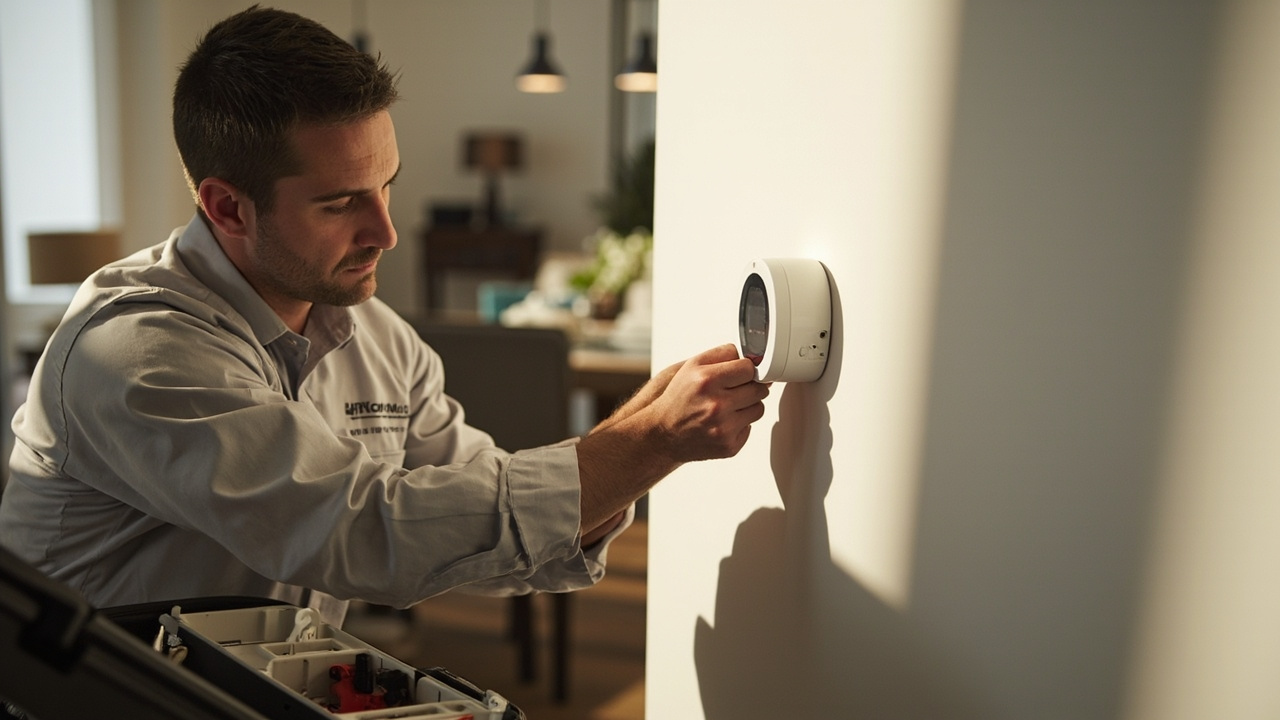
Denver enforces energy codes that encourage smart HVAC controls in new construction. The City and County of Denver adopted the 2021 International Energy Conservation Code, which incentivizes programmable and smart thermostats to reduce heating demand. Many older homes in neighborhoods like City Park, Congress Park, and Highlands still use analog thermostats from the 1980s. Upgrading to a Wi-Fi thermostat improves comfort and qualifies you for rebates from Xcel Energy. Local HVAC contractors who understand Denver's building stock and utility programs can guide you toward rebates and ensure your installation meets current code.