




Arvada sits at 5,344 feet elevation where thin air makes HVAC systems work harder than at sea level. Your furnace burns less efficiently in low oxygen conditions, and air conditioners struggle to cool effectively when the air is already thin. The Front Range climate hammers equipment with extreme temperature swings. We see 90-degree summer days followed by winter nights at negative 10, forcing your system to shift from maximum cooling to maximum heating within months.
The older neighborhoods near Olde Town Arvada have homes built in the 1950s and 1960s with undersized ductwork and minimal insulation. These systems were designed for smaller heating loads and never anticipated central air conditioning. Newer developments around Candelas and Leyden Rock have modern energy codes but face different problems. Builders sometimes install minimum-spec equipment to hit price points, leaving homeowners with systems that barely keep up during peak summer heat or January cold snaps.
Arvada's clay soil shifts with moisture changes, settling foundations and pulling apart ductwork connections in crawl spaces and basements. We find disconnected ducts dumping conditioned air into crawl spaces, wasting energy and money. The region's low humidity also dries out rubber seals and gaskets faster, creating refrigerant leaks that kill cooling capacity.
Fortress HVAC Denver built our reputation in Arvada by showing up when we say we will and fixing problems permanently. We don't patch systems with temporary fixes that fail again in three months. Our technicians carry diagnostic equipment that identifies the root cause, not just the symptom. When a compressor fails, we determine why it failed. Bad capacitor? Refrigerant leak? Low airflow from a dirty coil? We fix the underlying problem so you're not calling us back next season.
We stock our service trucks with the parts that actually fail in Arvada's climate. Contactors, capacitors, ignitors, flame sensors, reversing valves, and blower motors are on the truck when we arrive. For older systems, we maintain relationships with suppliers who stock obsolete parts for equipment that's no longer manufactured. This matters when you have a 20-year-old furnace that still has five good years left but needs a $90 part instead of a $6,000 replacement.
Our pricing is straightforward. You get a firm quote before we start work, and that number doesn't change when the job is finished. We don't upsell you on services you don't need. If your 12-year-old air conditioner needs a $400 repair but will likely need replacement in two years, we tell you that. Some repairs don't make financial sense, and we won't take your money for a fix that's not smart.
We answer our phones. When you call Fortress HVAC Denver, you talk to a person in our office who can check technician availability and give you a realistic arrival window. We serve Arvada year-round, including nights and weekends, because HVAC emergencies don't wait for business hours.

Your furnace quits at 10 PM when it's 15 degrees outside. We dispatch a technician to your Arvada home within hours, not days. Our trucks carry the diagnostic tools and replacement parts needed to restore heat tonight, so your family stays safe and warm.

Mile-high air density affects combustion efficiency and cooling capacity. Our technicians adjust gas pressures, air-fuel ratios, and refrigerant charges for Arvada's 5,344-foot elevation. We don't use sea-level settings that cause equipment to fail early or waste energy.
You get a complete price quote before work begins. That number includes parts, labor, and disposal of old equipment. No trip charges added at the end. No surprises. If the job costs more than quoted, we eat the difference.
We operate from Arvada and know every neighborhood from Applewood to West Woods. Our technicians reach your home faster because they're already in your area, not driving from Denver or Westminster. Local presence means faster service when your system fails.
Fortress HVAC Denver handles every heating and cooling need in Arvada, from emergency breakdowns to planned system replacements. We service all major brands including Carrier, Trane, Lennox, Rheem, Goodman, American Standard, and Bryant. Our technicians receive ongoing training on new refrigerants, smart thermostats, variable-speed systems, and high-efficiency equipment that meets Colorado's evolving energy codes.
We separate our services into three main categories based on what homeowners actually need. Emergency repairs get you up and running when something breaks. Maintenance keeps your system running efficiently and catches small problems before they become expensive failures. System replacement helps you choose the right equipment when repair costs exceed the value of keeping an old system alive. Each category requires different expertise, and we handle all three.
Most Arvada HVAC companies focus on new installations because that's where the money is. We built our business on repair work and maintenance because that's what homeowners need most. A well-maintained system lasts 15 to 20 years. A neglected system fails in 10. We keep your equipment running efficiently through regular service, honest repair recommendations, and expert installation when it's time to replace.
Your furnace quits in January or your air conditioner fails during a July heat wave. We respond fast with technicians who diagnose the problem and carry the parts needed to fix it today. Compressor failures, refrigerant leaks, ignitor replacements, blower motor repairs, thermostat issues, and frozen coils get handled on the first visit. We service furnaces, central air conditioners, heat pumps, and ductless mini-splits from all major manufacturers.
Annual maintenance catches problems before they cause breakdowns. We clean coils, check refrigerant levels, test electrical components, measure airflow, inspect heat exchangers for cracks, and verify combustion efficiency. Regular service prevents 85% of emergency repairs and keeps your energy bills low. We schedule maintenance in spring for cooling systems and fall for heating systems, getting your equipment ready before you need it most.
When repair costs approach replacement value, we help you choose new equipment sized correctly for your home. We perform heat load calculations using your home's square footage, insulation levels, window areas, and orientation. Proper sizing matters more than brand names. An oversized air conditioner short-cycles and fails early. An undersized furnace runs constantly and never keeps you comfortable. We install it right the first time.
Arvada's elevation, temperature extremes, and older housing stock create specific HVAC problems we see repeatedly. Understanding these issues helps homeowners recognize when to call for service before minor problems become major failures. Most breakdowns don't happen randomly. Equipment gives warning signs days or weeks before complete failure.
The Front Range climate forces your HVAC system through extreme stress cycles. Summer temperatures hit the low 90s, demanding maximum cooling output. Winter temperatures drop below zero, requiring full heating capacity. Your system swings from one extreme to the other with only brief shoulder seasons in between. This constant demand wears out components faster than moderate climates where systems coast through mild weather.
Arvada's older homes compound these problems with undersized ductwork, poor insulation, and outdated equipment. Many homes in the Ralston Valley and Five Parks areas still have original 1970s furnaces that waste energy and struggle to maintain comfort. Newer homes have better insulation but sometimes suffer from builder-grade equipment that meets minimum code requirements without any performance buffer. Both situations create reliability problems and high energy bills.
Your furnace clicks but won't light when temperatures drop below 20 degrees. Ignitors crack from thermal stress, and flame sensors corrode from combustion byproducts. We replace these components and verify proper gas pressure at Arvada's elevation. Low oxygen affects combustion efficiency, requiring altitude-specific adjustments that many technicians skip.
Your AC runs constantly but barely cools the house. Refrigerant leaks develop in coils, line sets, and connections. Arvada's temperature swings expand and contract copper tubing, eventually cracking joints and creating leaks. We locate leaks with electronic detectors, repair them permanently, and recharge the system to manufacturer specifications for elevation.
Your energy bills climb but comfort decreases. Clay soil settlement pulls apart duct connections in crawl spaces and basements, dumping conditioned air where you can't use it. We seal accessible ductwork with mastic and metal tape, reconnect separated sections, and insulate ducts in unconditioned spaces to stop energy waste.
Your system won't turn on or makes loud humming noises. Capacitors fail from voltage fluctuations and temperature extremes, leaving blower motors unable to start. Worn bearings in older motors create grinding noises and eventual seizure. We carry replacement capacitors and motors on our trucks for immediate repair.
When your HVAC system fails, you need clarity about what happens next. Fortress HVAC Denver follows a consistent process that keeps you informed and gets your system running as quickly as possible. You talk to a real person when you call, not a voicemail system. Our office staff checks technician locations and gives you an honest arrival window based on current service calls.
We respect your time and your home. Our technicians arrive in marked vehicles, wear identification, and put on shoe covers before entering your house. They ask questions about what you've experienced, when the problem started, and any unusual sounds or smells. This information helps narrow down the diagnosis before they even open the equipment panel.
The diagnostic process is thorough but efficient. We use digital meters, pressure gauges, and thermal imaging to identify problems accurately. You get a clear explanation of what failed, why it failed, and what it costs to fix. If you have options, we explain each one with honest recommendations. Our goal is a permanent fix that gives you years of reliable service, not a temporary patch that fails next month.
We dispatch the closest available technician to your Arvada location when you call. For emergency breakdowns during Colorado winters or summer heat waves, we prioritize no-heat and no-cooling calls to get vulnerable households comfortable quickly. You receive a phone call when the technician is 30 minutes away, so you know exactly when to expect arrival. We don't leave you waiting all day with a four-hour window.
Our technician explains the problem in plain language and shows you the failed component when possible. You receive a written quote for repair costs before any work begins. The price includes parts, labor, and haul-away of old components. We don't add surprise charges when the job is complete. If your system needs multiple repairs, we prioritize them by urgency and help you decide what makes financial sense.
We guarantee our repair work for one year. If a component we installed fails during that period, we replace it at no charge. After completing repairs, our technician tests the entire system to verify proper operation and explains any maintenance steps that extend equipment life. You get documentation of all work performed for your home maintenance records.
We keep the repair process simple and fast. Most emergency repairs finish in a single visit because our technicians carry common replacement parts on their trucks.
You call (720) 502-9511 and describe the problem to our office staff. We ask about symptoms, when the issue started, and your home's location in Arvada. Based on this information, we give you an arrival window and dispatch a certified technician. For emergency no-heat or no-cooling situations, we prioritize your call and respond the same day.
Our technician arrives, diagnoses the problem using professional test equipment, and explains what failed and why. You receive a firm price quote for the repair. Once you approve the work, we complete it immediately if we have the parts on the truck. For complex repairs requiring special-order components, we schedule a follow-up appointment and provide temporary solutions when possible.
After repairs are complete, we test the system through a full heating or cooling cycle. We verify proper temperature output, check for unusual sounds, and measure airflow. You receive documentation of all work performed and a one-year guarantee on parts and labor. We clean up the work area and haul away any replaced components.
Arvada sits at 5,344 feet elevation where atmospheric pressure is only 83% of sea-level pressure. This affects HVAC system performance in ways most homeowners and even some technicians don't understand. Air conditioners, furnaces, and heat pumps all require elevation-specific adjustments to operate efficiently and reliably at altitude.
Gas furnaces burn natural gas or propane in a combustion chamber, mixing fuel with oxygen from household air. At Arvada's elevation, each cubic foot of air contains 17% less oxygen than at sea level. This changes the stoichiometric air-fuel ratio required for complete combustion. Furnaces installed with sea-level gas pressure settings run rich at altitude, producing carbon monoxide, sooting up heat exchangers, and wasting fuel. Proper installation requires reducing gas manifold pressure and verifying combustion efficiency with a flue gas analyzer. Colorado code requires this adjustment, but shortcuts happen when installers skip the testing phase.
Air conditioner performance also suffers at elevation. Refrigerant charge specifications published by manufacturers assume sea-level installation. The lower atmospheric pressure at 5,344 feet changes how refrigerant behaves in the system. Condenser coils reject heat less efficiently in thin air because there's less air mass flowing across the coils per cubic foot. This requires careful charging using subcooling and superheat measurements rather than simple pressure readings. A system properly charged for Denver operates differently than the same model installed in Houston.
Ductwork sizing calculations change at elevation too. The reduced air density means you need higher air velocity to deliver the same heating or cooling capacity. Undersized ducts that barely work at sea level create serious problems at altitude, restricting airflow and forcing blower motors to work harder. This increases energy consumption and shortens equipment life. Manual D duct design calculations include altitude correction factors, but builders sometimes ignore them to save installation costs.
Heat pumps face unique challenges in Arvada's climate. These systems move heat rather than generate it, but they struggle when outdoor temperatures drop below 25 degrees. At that point, the heat pump can't extract enough heat from cold outdoor air to warm your home efficiently. Quality heat pump installations include supplemental electric or gas heat that engages during temperature extremes. Systems installed without proper backup heat leave homeowners cold during January temperature drops.
Natural gas furnaces require reduced gas pressure at 5,344 feet elevation to maintain proper air-fuel ratios. Technicians adjust manifold pressure and verify combustion with flue gas analysis, measuring oxygen, carbon monoxide, and exhaust temperature. Proper adjustment prevents sooting, reduces carbon monoxide risk, and maximizes efficiency.
Accurate refrigerant charging at altitude uses subcooling measurements for systems with thermal expansion valves and superheat for fixed-orifice systems. Simple pressure chart readings don't account for elevation effects. Overcharging damages compressors. Undercharging reduces capacity and makes your system run constantly without adequate cooling.
Proper system sizing requires Manual J heat load calculations using your home's square footage, insulation values, window areas, and orientation. Oversized equipment short-cycles, wasting energy and failing early. Undersized equipment runs constantly and never maintains comfort. We size systems for Arvada's 99% design temperatures, ensuring adequate capacity during extreme weather.
New HVAC installations in Arvada must meet or exceed Colorado's energy code requirements for minimum efficiency ratings and proper installation practices. This includes sealed ductwork, correct refrigerant charging, combustion efficiency testing, and proper condensate drainage. Permits and inspections verify code compliance and protect your investment.
This video explains why HVAC systems fail more frequently in Arvada, Colorado due to 5,344-foot elevation and extreme temperature swings. Learn about altitude effects on furnace combustion, air conditioner refrigerant performance, and ductwork integrity. Fortress HVAC Denver technicians demonstrate proper diagnostic techniques and explain common repair needs including ignition system failures, refrigerant leaks, and blower motor problems. Homeowners discover warning signs of impending equipment failure and understand when repair makes sense versus system replacement.
Fortress HVAC Denver serves every neighborhood in Arvada, from established communities near Olde Town to newer developments in the northern growth areas. We know the housing types, construction methods, and common HVAC problems specific to each part of the city.
The historic neighborhoods around Olde Town Arvada and Ralston Valley contain homes built between 1950 and 1970 with original HVAC equipment or first-generation replacements now reaching end of life. These areas feature ranch-style homes with crawl spaces, minimal attic insulation, and undersized ductwork. We frequently upgrade systems in these neighborhoods, replacing aging furnaces and adding central air conditioning to homes that never had it. The tree-lined streets and mature landscaping in Five Parks and Lake Arbor provide shade that helps cooling efficiency but requires careful placement of outdoor condensing units away from debris.
Northwest Arvada communities like Candelas and Leyden Rock feature modern construction with better insulation and more efficient HVAC systems. However, builder-grade equipment installations sometimes cut corners on duct sealing and refrigerant charging. We service many newer homes where systems underperform because of installation shortcuts. These higher-elevation neighborhoods also experience stronger winds coming off the Rockies, which affects outdoor unit performance and requires secure mounting.
The central Arvada corridor along Wadsworth Boulevard and near Apex Park serves a mix of residential and commercial properties. Older apartment complexes and townhomes in this area often have individual furnaces and air conditioners for each unit, creating high service demand during temperature extremes. We maintain relationships with property managers who trust us for emergency repairs and preventive maintenance programs.
Eastern Arvada neighborhoods near Berkeley and Tennyson benefit from proximity to downtown Denver but face unique challenges from older infrastructure and urban density. Homes here often have limited space for outdoor equipment, requiring creative solutions for condenser placement. We work within these constraints to deliver reliable heating and cooling without compromising performance.
West Arvada communities extending toward Indiana Street and beyond feature a mix of original 1960s ranches and recent redevelopments. The Colorado bedrock closer to the foothills affects foundation types and crawl space access, sometimes complicating ductwork modifications. Our technicians know how to work in these conditions and deliver solutions that fit the existing structure.
We serve areas north of Highway 72 including developments near Blunn Reservoir and the Standley Lake region. These neighborhoods sit at slightly higher elevations with increased exposure to weather extremes, demanding robust HVAC systems that handle temperature swings reliably. Proper system sizing and installation matter even more in these exposed locations.
The $5000 rule is a guideline to help you decide between repairing or replacing your system. Multiply the age of your unit by the repair cost. If the result exceeds $5000, replacement makes more financial sense. For example, a 12-year-old furnace needing a $500 repair equals $6000, suggesting replacement. Arvada's temperature swings and high altitude put extra stress on aging systems, making this rule especially useful. A newer, efficient unit saves you money on utility bills and prevents emergency breakdowns during those brutal winter cold snaps.
A new HVAC system in Arvada typically ranges from $5000 to $12,000 depending on size, efficiency rating, and installation complexity. Your altitude, home size, and insulation quality affect equipment selection. Higher-efficiency models cost more upfront but slash heating bills during cold Arvada winters. Ductwork modifications, permits, and removal of old equipment add to total costs. Two-stage or variable-speed systems handle Colorado's dramatic temperature shifts better than single-stage units. Get multiple quotes from licensed contractors who understand local building codes and climate demands before committing.
Average HVAC jobs in Arvada vary widely. Basic maintenance runs $100 to $200. Minor repairs like thermostat replacement or capacitor fixes cost $150 to $400. Larger repairs such as compressor or blower motor replacement run $500 to $1500. Complete system replacement ranges from $5000 to $12,000. Emergency service during freezing nights or heat waves costs more. Arvada's elevation and dry climate create unique wear patterns on equipment. Regular seasonal tune-ups prevent expensive breakdowns. Always get written estimates and ask about warranty coverage before authorizing work.
The $5000 rule is a guideline to help you decide between repairing or replacing your system. Multiply the age of your unit by the repair cost. If the result exceeds $5000, replacement makes more financial sense. For example, a 12-year-old furnace needing a $500 repair equals $6000, suggesting replacement. Arvada's temperature swings and high altitude put extra stress on aging systems, making this rule especially useful. A newer, efficient unit saves you money on utility bills and prevents emergency breakdowns during those brutal winter cold snaps.
A new HVAC system in Arvada typically ranges from $5000 to $12,000 depending on size, efficiency rating, and installation complexity. Your altitude, home size, and insulation quality affect equipment selection. Higher-efficiency models cost more upfront but slash heating bills during cold Arvada winters. Ductwork modifications, permits, and removal of old equipment add to total costs. Two-stage or variable-speed systems handle Colorado's dramatic temperature shifts better than single-stage units. Get multiple quotes from licensed contractors who understand local building codes and climate demands before committing.
Average HVAC jobs in Arvada vary widely. Basic maintenance runs $100 to $200. Minor repairs like thermostat replacement or capacitor fixes cost $150 to $400. Larger repairs such as compressor or blower motor replacement run $500 to $1500. Complete system replacement ranges from $5000 to $12,000. Emergency service during freezing nights or heat waves costs more. Arvada's elevation and dry climate create unique wear patterns on equipment. Regular seasonal tune-ups prevent expensive breakdowns. Always get written estimates and ask about warranty coverage before authorizing work.
A 3000 square foot house in Arvada needs a 3.5 to 5-ton HVAC system, depending on insulation, ceiling height, and window quality. Colorado's high altitude reduces air density, affecting heating and cooling efficiency. Installation costs range from $7000 to $14,000 for quality equipment. Your home's orientation, number of stories, and exposure to sun impact sizing requirements. Oversized units cycle on and off too frequently, wasting energy. Undersized systems run constantly without reaching desired temperatures. A proper load calculation by a qualified contractor ensures correct sizing for Arvada's climate.
Yes, under the Inflation Reduction Act, qualified energy-efficient HVAC systems can earn you a tax credit of up to 30 percent of the cost, capped at $2000 for 2025. Equipment must meet specific efficiency ratings. Heat pumps may qualify for higher credits. You need manufacturer certification statements and receipts. Colorado residents may also qualify for state rebates or utility company incentives. Consult a tax professional to verify eligibility based on your specific equipment and installation. Energy Star certified systems typically meet federal requirements for credits.
The 3-minute rule protects your compressor from damage. After your air conditioner shuts off, wait at least 3 minutes before restarting it. This delay allows refrigerant pressure to equalize throughout the system. Restarting too quickly forces the compressor to work against high pressure, causing strain and potential failure. In Arvada's dry climate where systems cycle frequently, this rule prevents premature wear. Modern thermostats include built-in delay protection. If you experience short cycling or rapid on-off patterns, call a technician to diagnose airflow or refrigerant issues.
Replacing HVAC for a 2000 square foot house in Arvada costs $5000 to $10,000 on average. You need a 2.5 to 4-ton system depending on insulation, windows, and layout. High-efficiency models cost more but reduce monthly utility bills. Arvada's cold winters demand reliable heating, making furnace quality critical. Installation complexity, ductwork condition, and equipment brand affect final price. Spring and fall offer better pricing than peak summer or winter seasons. Get three written estimates from licensed contractors. Factor in warranty coverage and maintenance plans when comparing quotes.
HVAC systems last 15 to 20 years on average with proper maintenance. Furnaces in Arvada often reach 15 to 18 years, while air conditioners last 12 to 15 years due to outdoor exposure. Colorado's temperature extremes, high altitude, and dry air affect lifespan. Regular filter changes, annual tune-ups, and prompt repairs extend equipment life. Poor maintenance can cut lifespan in half. If your system exceeds 15 years and needs frequent repairs, replacement becomes more cost-effective than continued fixes. Energy efficiency drops significantly in aging units.
Spring and fall are the best months to buy HVAC systems in Arvada. April through May and September through October offer slower periods for contractors, leading to better pricing and quicker installation scheduling. You avoid the desperation premium of emergency replacement during summer heat or winter freezes. Manufacturers release new models in spring, creating discounts on previous year inventory. Contractors have more time for proper installation without rushing between emergency calls. Planning ahead lets you research options, compare bids, and choose equipment that fits your budget and needs.
Standard homeowners insurance rarely covers routine HVAC repairs or mechanical breakdowns from age and wear. Insurance may cover damage from covered perils like fire, lightning strikes, vandalism, or fallen trees. If a hailstorm damages your outdoor condenser unit, you might have coverage. Flood damage requires separate flood insurance. Review your policy or call your agent to verify coverage before filing a claim. Home warranties sometimes cover HVAC repairs but include deductibles and coverage limits. Regular maintenance prevents most failures and costs less than insurance deductibles.
A 3000 square foot house in Arvada needs a 3.5 to 5-ton HVAC system, depending on insulation, ceiling height, and window quality. Colorado's high altitude reduces air density, affecting heating and cooling efficiency. Installation costs range from $7000 to $14,000 for quality equipment. Your home's orientation, number of stories, and exposure to sun impact sizing requirements. Oversized units cycle on and off too frequently, wasting energy. Undersized systems run constantly without reaching desired temperatures. A proper load calculation by a qualified contractor ensures correct sizing for Arvada's climate.
Yes, under the Inflation Reduction Act, qualified energy-efficient HVAC systems can earn you a tax credit of up to 30 percent of the cost, capped at $2000 for 2025. Equipment must meet specific efficiency ratings. Heat pumps may qualify for higher credits. You need manufacturer certification statements and receipts. Colorado residents may also qualify for state rebates or utility company incentives. Consult a tax professional to verify eligibility based on your specific equipment and installation. Energy Star certified systems typically meet federal requirements for credits.
The 3-minute rule protects your compressor from damage. After your air conditioner shuts off, wait at least 3 minutes before restarting it. This delay allows refrigerant pressure to equalize throughout the system. Restarting too quickly forces the compressor to work against high pressure, causing strain and potential failure. In Arvada's dry climate where systems cycle frequently, this rule prevents premature wear. Modern thermostats include built-in delay protection. If you experience short cycling or rapid on-off patterns, call a technician to diagnose airflow or refrigerant issues.
Replacing HVAC for a 2000 square foot house in Arvada costs $5000 to $10,000 on average. You need a 2.5 to 4-ton system depending on insulation, windows, and layout. High-efficiency models cost more but reduce monthly utility bills. Arvada's cold winters demand reliable heating, making furnace quality critical. Installation complexity, ductwork condition, and equipment brand affect final price. Spring and fall offer better pricing than peak summer or winter seasons. Get three written estimates from licensed contractors. Factor in warranty coverage and maintenance plans when comparing quotes.
HVAC systems last 15 to 20 years on average with proper maintenance. Furnaces in Arvada often reach 15 to 18 years, while air conditioners last 12 to 15 years due to outdoor exposure. Colorado's temperature extremes, high altitude, and dry air affect lifespan. Regular filter changes, annual tune-ups, and prompt repairs extend equipment life. Poor maintenance can cut lifespan in half. If your system exceeds 15 years and needs frequent repairs, replacement becomes more cost-effective than continued fixes. Energy efficiency drops significantly in aging units.
Spring and fall are the best months to buy HVAC systems in Arvada. April through May and September through October offer slower periods for contractors, leading to better pricing and quicker installation scheduling. You avoid the desperation premium of emergency replacement during summer heat or winter freezes. Manufacturers release new models in spring, creating discounts on previous year inventory. Contractors have more time for proper installation without rushing between emergency calls. Planning ahead lets you research options, compare bids, and choose equipment that fits your budget and needs.
Standard homeowners insurance rarely covers routine HVAC repairs or mechanical breakdowns from age and wear. Insurance may cover damage from covered perils like fire, lightning strikes, vandalism, or fallen trees. If a hailstorm damages your outdoor condenser unit, you might have coverage. Flood damage requires separate flood insurance. Review your policy or call your agent to verify coverage before filing a claim. Home warranties sometimes cover HVAC repairs but include deductibles and coverage limits. Regular maintenance prevents most failures and costs less than insurance deductibles.
Fortress HVAC is proud to serve the Denver area and surrounding communities. We invite you to view our location on the map, which highlights our service area. While we often come directly to you for services, knowing our central base can help you understand our reach. Feel free to contact us with any questions about our service coverage or to schedule an appointment directly.
Address:
Arvada, CO, 80003
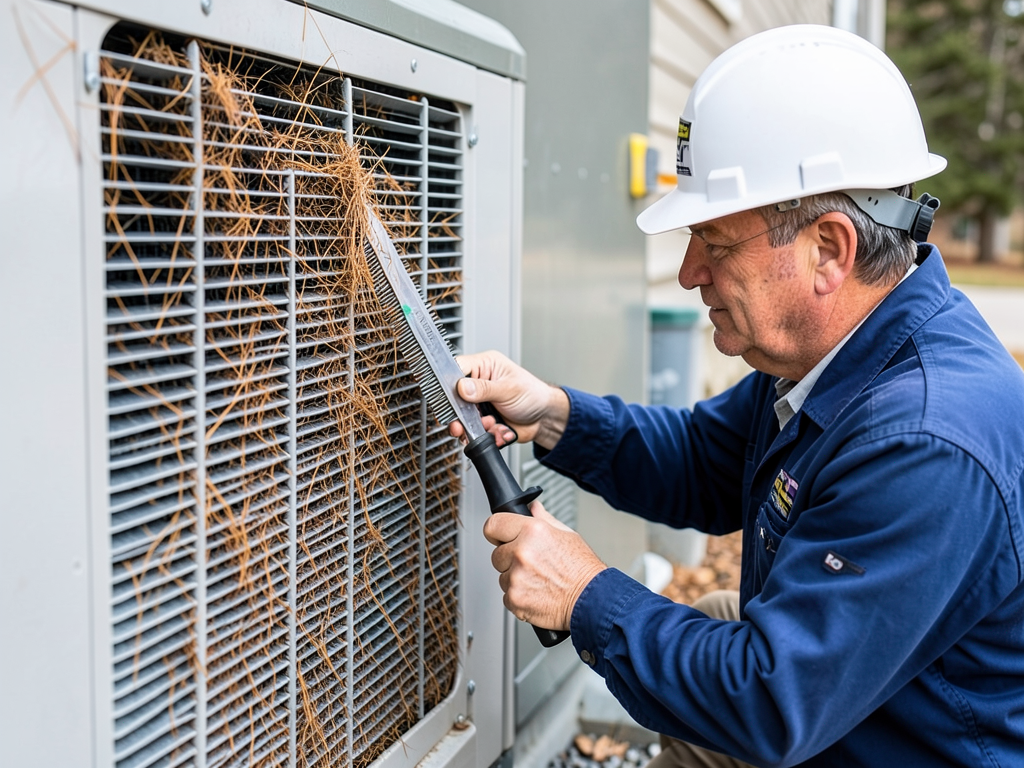
Why Pine Needles are a Unique Threat to Denver AC Units Living in Genesee means dealing with the beautiful but challenging mountain environment. The pine trees that give your property its scenic charm can wreak…

Why Your Gas Fireplace Should Not Be Your Only Heat Source in Golden\n\nGolden homeowners often…
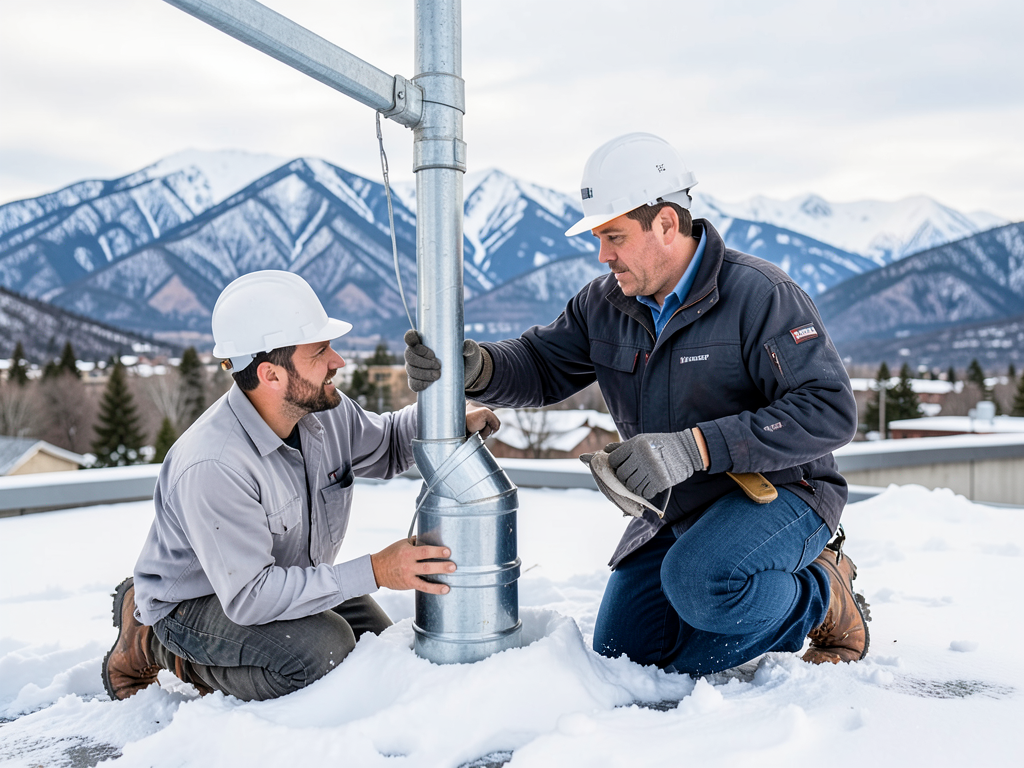
Why Your Furnace Venting Needs Special Attention in High Altitude Morrison Living at 5,800 feet…
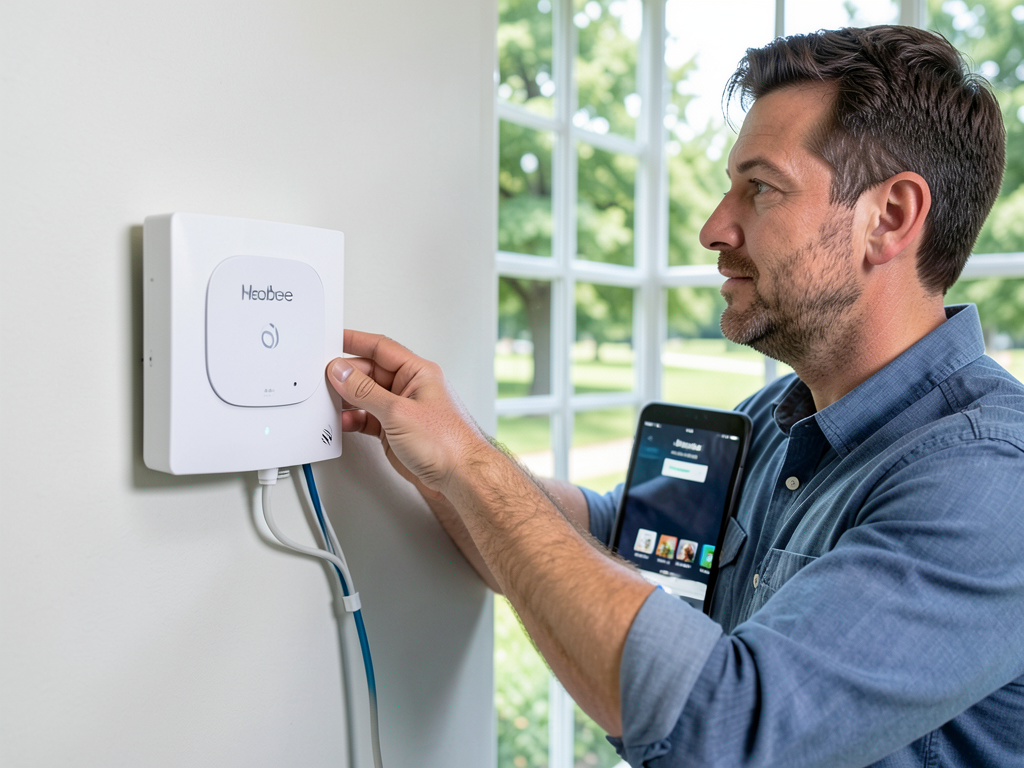
How to Integrate Your HVAC with Matter and Apple Home in Central Park Central Park…
Your HVAC emergency won't wait, and neither should you. Call (720) 502-9511 right now to get a certified technician dispatched to your Arvada home. We answer our phones, respond fast, and fix your system today.