
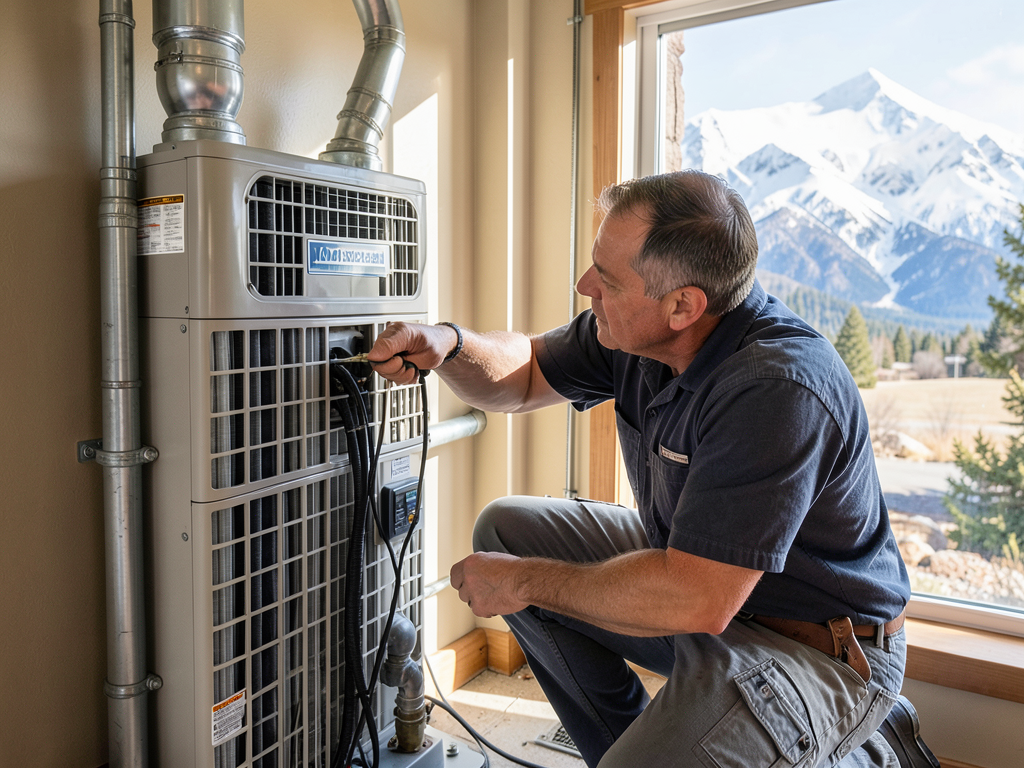
Understanding the Federal Tax Credits for New HVAC Equipment in 2026
Homeowners in Denver can save thousands on HVAC upgrades through federal tax credits in 2026. The Energy Efficient Home Improvement Credit offers 30% back on qualifying equipment with specific annual limits. This guide shows you exactly what qualifies and how to maximize your savings. Energy Star tax credits.
Federal Tax Credits Available in 2026
The federal government provides tax credits for high-efficiency heating and cooling equipment installed in 2026. These credits come from the Inflation Reduction Act and remain available through 2032. Credit amounts may decrease after 2032.
Energy Efficient Home Improvement Credit (Section 25C)
The main federal credit for HVAC equipment is the Energy Efficient Home Improvement Credit under Section 25C of the tax code. This credit covers 30% of qualifying equipment costs up to specific annual limits.
Heat Pumps
Air-source heat pumps qualify for the maximum annual credit of $2,000 in 2026. Ground-source heat pumps also qualify for this $2,000 annual credit. These systems must meet specific efficiency standards to qualify.
Central Air Conditioners
High-efficiency central air conditioning systems qualify for a $600 annual credit when they meet required SEER2 and EER2 efficiency ratings for 2026. The system must install in your primary residence to qualify. Getting a New Central Air System Installed in Your Lakewood Home.
Furnaces and Boilers
High-efficiency natural gas propane or oil furnaces and boilers qualify for a $600 annual credit when they meet required AFUE efficiency standards. Electric heat pump water heaters also qualify for this $600 credit. Emergency Furnace Repair for Denver Residents Dealing with a Frozen House.
Biomass Stoves
Biomass stoves and boilers that meet specific efficiency requirements qualify for a $2,000 annual credit. These must be certified by the EPA to meet emission standards.
2026 Energy Efficiency Requirements
To qualify for federal tax credits in 2026 HVAC equipment must meet specific efficiency standards. These standards use updated testing methods (SEER2 EER2 HSPF2) that provide more accurate real-world performance data.
Heat Pump Requirements
Air-source heat pumps must achieve a SEER2 rating of at least 16 and a HSPF2 rating of at least 8.2 to qualify for the $2,000 credit. Ground-source heat pumps must meet different efficiency criteria based on their specific design.
Air Conditioner Requirements
Central air conditioning systems must achieve a SEER2 rating of at least 16 and an EER2 rating of at least 12 to qualify for the $600 credit. These ratings ensure the system provides significant energy savings compared to standard models.
Furnace Requirements
Gas propane and oil furnaces must achieve an AFUE (Annual Fuel Utilization Efficiency) rating of at least 95% to qualify for the $600 credit. This means 95% of the fuel energy converts to heat for your home.
Colorado State and Local Incentives
Denver homeowners can stack federal tax credits with Colorado state incentives and local utility rebates to maximize savings on HVAC upgrades in 2026.
Colorado State Tax Credits
Colorado offers a state income tax credit for residential energy efficiency improvements including HVAC upgrades. This credit equals 10% of the cost of qualifying equipment up to $500 per installation.
Xcel Energy Rebates
Xcel Energy provides rebates for high-efficiency HVAC equipment to its Colorado customers. These rebates range from $100 to $1,000 depending on equipment type and efficiency level. Heat pumps with SEER2 ratings above 18 may qualify for the highest rebates. Xcel Energy rebates.
Denver Climate Action Rebates
The City and County of Denver offers additional rebates through the Office of Climate Action Sustainability and Resilience for high-efficiency electric equipment. These rebates target heat pumps and electric water heaters to support the city’s climate goals.
Step-by-Step: How to Claim Your Credits
Claiming federal tax credits for your HVAC upgrade requires proper documentation and following specific procedures. Here’s how to ensure you get every dollar you’re entitled to in 2026.
Step 1: Choose Qualifying Equipment
Verify that your selected HVAC equipment meets the 2026 efficiency requirements. Ask your contractor for the AHRI (Air-Conditioning Heating and Refrigeration Institute) certificate showing the system’s efficiency ratings. This certificate is essential for claiming your credit.
Step 2: Keep All Documentation
Save all receipts contracts and manufacturer specifications. You’ll need proof of purchase installation dates and the equipment’s efficiency ratings when filing your taxes. The IRS may request this documentation during an audit. IRS Form 5695.
Step 3: Complete IRS Form 5695
When filing your 2026 taxes complete IRS Form 5695 (Residential Energy Credits). This form calculates your credit amount based on the qualifying expenses you incurred during the tax year.
Step 4: File with Your Tax Return
Attach Form 5695 to your federal tax return for the year the equipment was installed. The credit reduces your tax liability dollar-for-dollar potentially resulting in a larger refund or lower tax bill.
Step 5: Track Annual Limits
Remember that the $2,000 heat pump credit and $600 other equipment credit are annual limits. If you install multiple qualifying items in the same year the total credit cannot exceed these caps.
Qualifying Equipment Examples for 2026
Here are examples of equipment that would qualify for federal tax credits in 2026 based on current Energy Star specifications.
Heat Pumps
A 2-ton air-source heat pump with a SEER2 rating of 18 and HSPF2 rating of 9.5 would qualify for the full $2,000 credit. This represents a system that provides both heating and cooling with exceptional efficiency.
Central Air Conditioners
A 3-ton central air conditioner with a SEER2 rating of 17 and EER2 rating of 13 would qualify for the $600 credit. This system provides efficient cooling for homes in Denver’s hot summers.
High-Efficiency Furnaces
A natural gas furnace with a 96% AFUE rating would qualify for the $600 credit. This high-efficiency furnace minimizes energy waste while providing reliable heating during Denver’s cold winters.
Common Questions About HVAC Tax Credits
Can I claim credits for DIY installation?
No. The equipment must be installed by a qualified professional to qualify for federal tax credits. This ensures proper installation and safety compliance with local building codes.
Do rentals qualify for these credits?
No. The equipment must be installed in your primary residence to qualify for the Energy Efficient Home Improvement Credit. Second homes may qualify if they’re used as a personal residence but rental properties do not qualify.
What if I install equipment in December 2026 but take possession in January 2027?
The installation date determines which tax year you claim the credit for. If installation occurs in 2026 you claim the credit on your 2026 tax return even if you take possession in 2027.
Are there income limits for these credits?
The Energy Efficient Home Improvement Credit (25C) has no income limits. However other programs like the High-Efficiency Electric Home Rebate Act (HEEHRA) do have income-based eligibility requirements for point-of-sale rebates.
Comparing Tax Credits vs. Rebates
Understanding the difference between tax credits and rebates helps you maximize your savings when upgrading HVAC equipment in Denver.
| Feature | Federal Tax Credits | Utility Rebates | State/Local Rebates |
|---|---|---|---|
| Maximum Amount | $2,000 (heat pumps) | $1,000 | $500 |
| Payment Method | Tax credit on return | Check after installation | Check after installation |
| Eligibility | Federal standards | Xcel Energy customer | Denver resident |
| Timing | Tax filing season | 4-6 weeks after install | 4-6 weeks after install |
| Stackable | Yes | Yes | Yes |
Why Choose High-Efficiency Equipment in 2026
Beyond tax credits high-efficiency HVAC equipment offers significant long-term benefits for Denver homeowners facing extreme climate conditions.
Climate Benefits
Denver’s semi-arid climate with hot summers and cold winters makes efficient heating and cooling essential. High-efficiency heat pumps can provide both heating and cooling reducing the need for separate systems and lowering energy consumption year-round.
Cost Savings
While high-efficiency equipment has a higher upfront cost the combination of tax credits rebates and lower utility bills often results in a payback period of 3-5 years. After that you continue saving money on energy costs.
Environmental Impact
High-efficiency systems reduce your carbon footprint by using less energy to heat and cool your home. This is particularly important in Colorado where many utilities are transitioning to renewable energy sources.
Frequently Asked Questions
What is the maximum federal tax credit for a heat pump in 2026?
The maximum federal tax credit for qualifying air-source heat pumps in 2026 is $2,000 which covers 30% of the installation cost up to that amount.
Do I need a specific contractor to qualify for tax credits?
While you don’t need a specific contractor the installation must be performed by a qualified professional who can provide the necessary documentation and ensure the system meets all code requirements.
Can I claim credits for multiple HVAC upgrades in the same year?
Yes you can claim credits for multiple qualifying upgrades but the total credit cannot exceed the annual limits ($2,000 for heat pumps $600 for other equipment).
How long will these tax credits be available?
The Energy Efficient Home Improvement Credit is available through 2032 though credit amounts may decrease after 2032 as part of the Inflation Reduction Act’s phase-out schedule.
What documentation do I need to keep for my tax records?
You should keep all receipts contracts AHRI certificates manufacturer specifications and any utility rebate documentation. The IRS may request this information to verify your credit claim.
Ready to Upgrade Your HVAC System?
Understanding the available tax credits and rebates can help you make an informed decision about your HVAC upgrade in 2026. The combination of federal tax credits Colorado state incentives and local utility rebates can significantly reduce your upfront costs while providing long-term energy savings.
Call (720) 502-9511 today to schedule a consultation and learn which high-efficiency systems qualify for the maximum tax credits in 2026. Our experts can help you navigate the available incentives and choose the right equipment for your Denver home.
Don’t wait until the end of the year to start planning your HVAC upgrade. The sooner you begin the more time you’ll have to research options compare quotes and ensure you’re getting the most value from available tax credits and rebates.
Pick up the phone and call (720) 502-9511 now to schedule your free consultation. Our team will help you understand exactly which systems qualify for 2026 tax credits and how to maximize your savings on your HVAC upgrade.
{
“@context”: “https://schema.org”,
“@type”: “BlogPosting”,
“headline”: “Understanding the Federal Tax Credits for New HVAC Equipment in 2026”,
“description”: “Learn about federal tax credits for HVAC upgrades in Denver. Get up to $2,000 back on heat pumps and $600 on other qualifying equipment in 2026.”,
“wordCount”: 1694,
“datePublished”: “2026-03-21T13:59:00.000Z”,
“dateModified”: “2026-03-21T13:59:00.000Z”,
“inLanguage”: “en-US”,
“mainEntityOfPage”: {
“@type”: “WebPage”,
“@id”: “https://fortresshvacdenver.com”
},
“publisher”: {
“@type”: “LocalBusiness”,
“name”: “Fortress HVAC Denver”,
“url”: “https://fortresshvacdenver.com”
},
“author”: {
“@type”: “Organization”,
“name”: “Fortress HVAC Denver”,
“url”: “https://fortresshvacdenver.com”
},
“image”: {
“@type”: “ImageObject”,
“url”: “https://fortresshvacdenver.com/wp-content/uploads/2026/03/understanding-the-federal-tax-credits-for-new-hvac-1.png”
}
}
{
“@context”: “https://schema.org”,
“@type”: “HVACBusiness”,
“name”: “Fortress HVAC Denver”,
“url”: “https://fortresshvacdenver.com”,
“address”: {
“@type”: “PostalAddress”,
“addressLocality”: “Denver”
},
“areaServed”: {
“@type”: “City”,
“name”: “Denver”
}
}
{
“@context”: “https://schema.org”,
“@type”: “FAQPage”,
“mainEntity”: [
{
“@type”: “Question”,
“name”: “Can I claim credits for DIY installation?”,
“acceptedAnswer”: {
“@type”: “Answer”,
“text”: “No. The equipment must be installed by a qualified professional to qualify for federal tax credits. This ensures proper installation and safety compliance with local building codes.”
}
},
{
“@type”: “Question”,
“name”: “Do rentals qualify for these credits?”,
“acceptedAnswer”: {
“@type”: “Answer”,
“text”: “No. The equipment must be installed in your primary residence to qualify for the Energy Efficient Home Improvement Credit. Second homes may qualify if they’re used as a personal residence but rental properties do not qualify.”
}
},
{
“@type”: “Question”,
“name”: “What if I install equipment in December 2026 but take possession in January 2027?”,
“acceptedAnswer”: {
“@type”: “Answer”,
“text”: “The installation date determines which tax year you claim the credit for. If installation occurs in 2026 you claim the credit on your 2026 tax return even if you take possession in 2027.”
}
},
{
“@type”: “Question”,
“name”: “Are there income limits for these credits?”,
“acceptedAnswer”: {
“@type”: “Answer”,
“text”: “The Energy Efficient Home Improvement Credit (25C) has no income limits. However other programs like the High-Efficiency Electric Home Rebate Act (HEEHRA) do have income-based eligibility requirements for point-of-sale rebates.”
}
},
{
“@type”: “Question”,
“name”: “What is the maximum federal tax credit for a heat pump in 2026?”,
“acceptedAnswer”: {
“@type”: “Answer”,
“text”: “The maximum federal tax credit for qualifying air-source heat pumps in 2026 is $2,000 which covers 30% of the installation cost up to that amount.”
}
},
{
“@type”: “Question”,
“name”: “Do I need a specific contractor to qualify for tax credits?”,
“acceptedAnswer”: {
“@type”: “Answer”,
“text”: “While you don’t need a specific contractor the installation must be performed by a qualified professional who can provide the necessary documentation and ensure the system meets all code requirements.”
}
},
{
“@type”: “Question”,
“name”: “Can I claim credits for multiple HVAC upgrades in the same year?”,
“acceptedAnswer”: {
“@type”: “Answer”,
“text”: “Yes you can claim credits for multiple qualifying upgrades but the total credit cannot exceed the annual limits ($2,000 for heat pumps $600 for other equipment).”
}
},
{
“@type”: “Question”,
“name”: “How long will these tax credits be available?”,
“acceptedAnswer”: {
“@type”: “Answer”,
“text”: “The Energy Efficient Home Improvement Credit is available through 2032 though credit amounts may decrease after 2032 as part of the Inflation Reduction Act’s phase-out schedule.”
}
},
{
“@type”: “Question”,
“name”: “What documentation do I need to keep for my tax records?”,
“acceptedAnswer”: {
“@type”: “Answer”,
“text”: “You should keep all receipts contracts AHRI certificates manufacturer specifications and any utility rebate documentation. The IRS may request this information to verify your credit claim.”
}
},
{
“@type”: “Question”,
“name”: “Ready to Upgrade Your HVAC System?”,
“acceptedAnswer”: {
“@type”: “Answer”,
“text”: “Understanding the available tax credits and rebates can help you make an informed decision about your HVAC upgrade in 2026. The combination of federal tax credits Colorado state incentives and local utility rebates can significantly reduce your upfront costs while providing long-term energy savings.”
}
}
]
}
{
“@context”: “https://schema.org”,
“@type”: “BreadcrumbList”,
“itemListElement”: [
{
“@type”: “ListItem”,
“position”: 1,
“name”: “Home”,
“item”: “https://fortresshvacdenver.com”
},
{
“@type”: “ListItem”,
“position”: 2,
“name”: “Blog”,
“item”: “https://fortresshvacdenver.com/blog”
},
{
“@type”: “ListItem”,
“position”: 3,
“name”: “Understanding the Federal Tax Credits for New HVAC Equipment in 2026”
}
]
}
{
“@context”: “https://schema.org”,
“@type”: “Service”,
“serviceType”: “HVAC”,
“provider”: {
“@type”: “LocalBusiness”,
“name”: “Fortress HVAC Denver”,
“url”: “https://fortresshvacdenver.com”
},
“areaServed”: {
“@type”: “City”,
“name”: “Denver”
},
“description”: “Learn about federal tax credits for HVAC upgrades in Denver. Get up to $2,000 back on heat pumps and $600 on other qualifying equipment in 2026.”
}