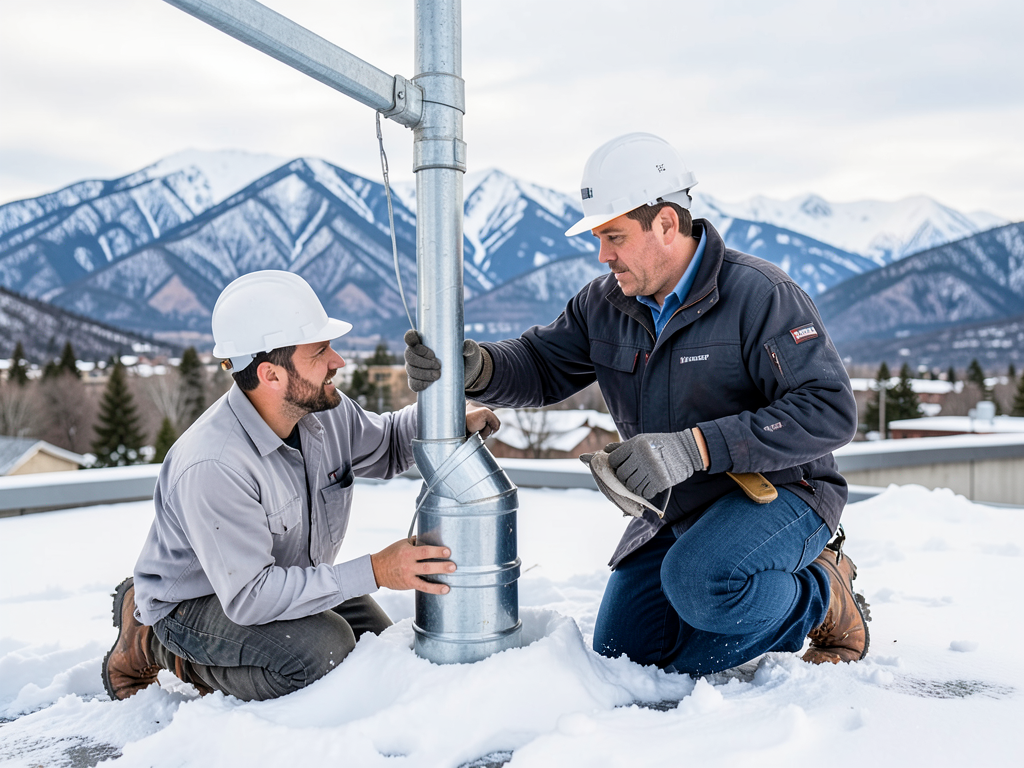





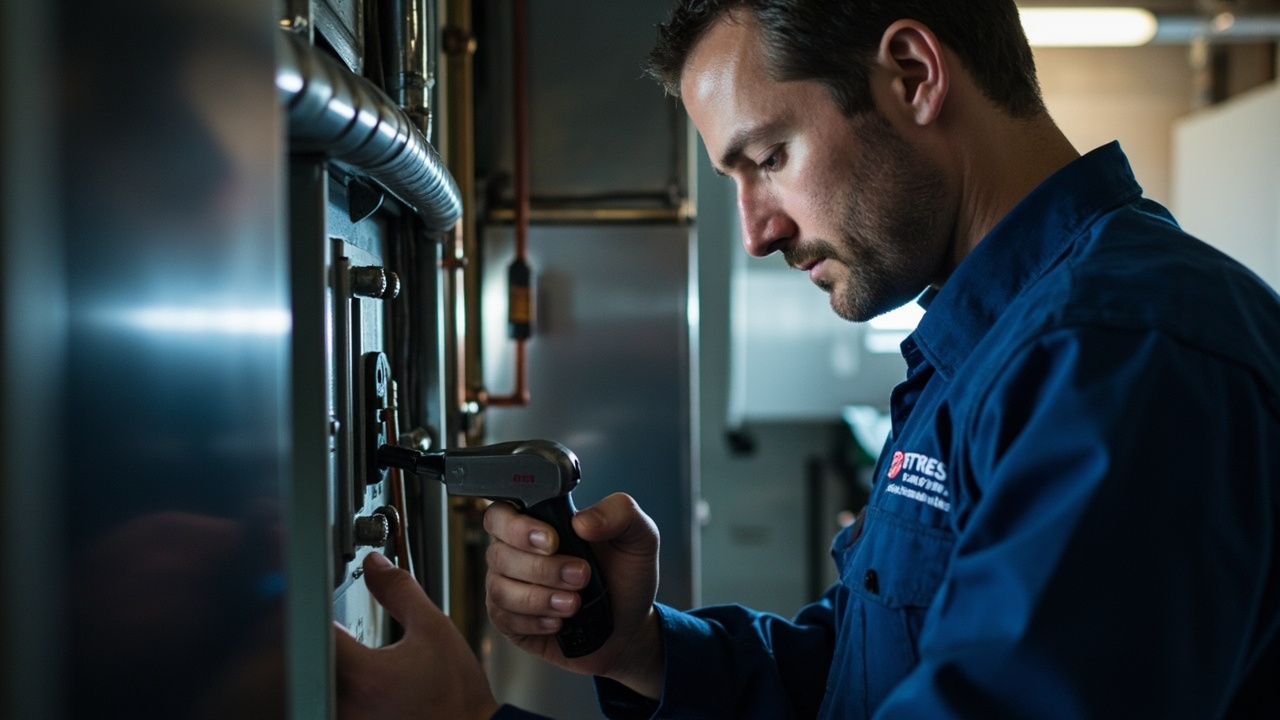
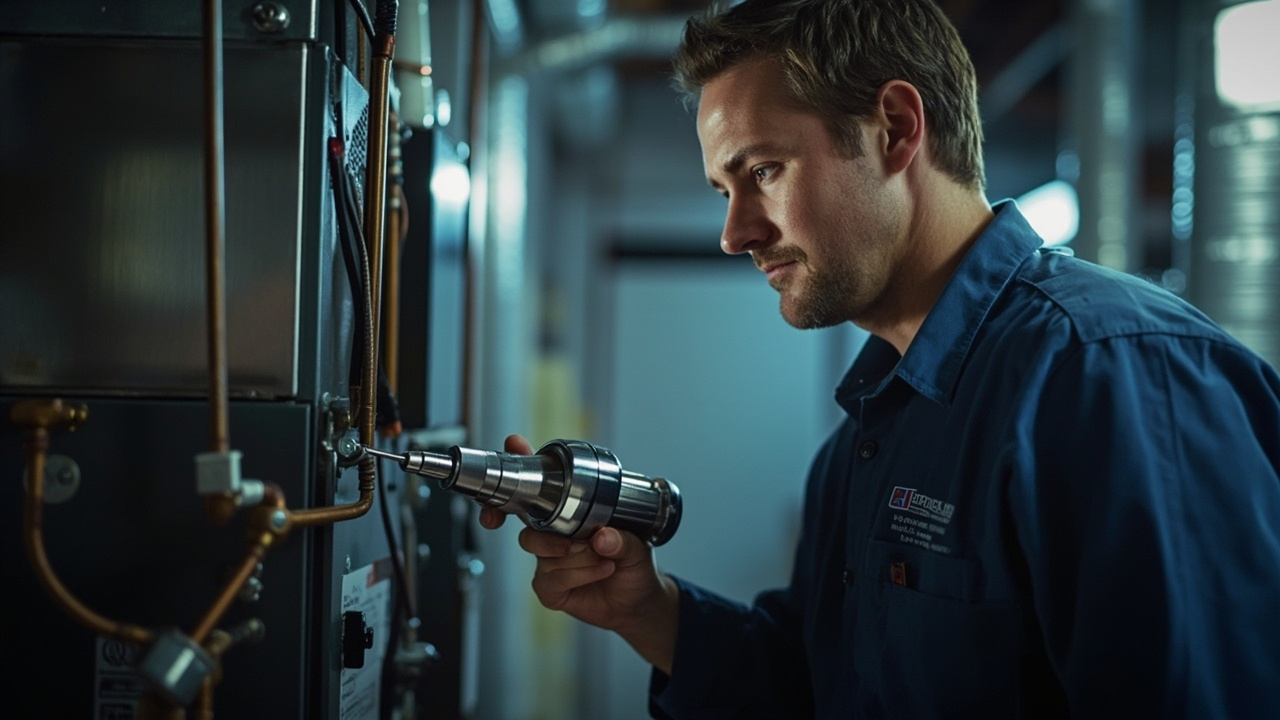
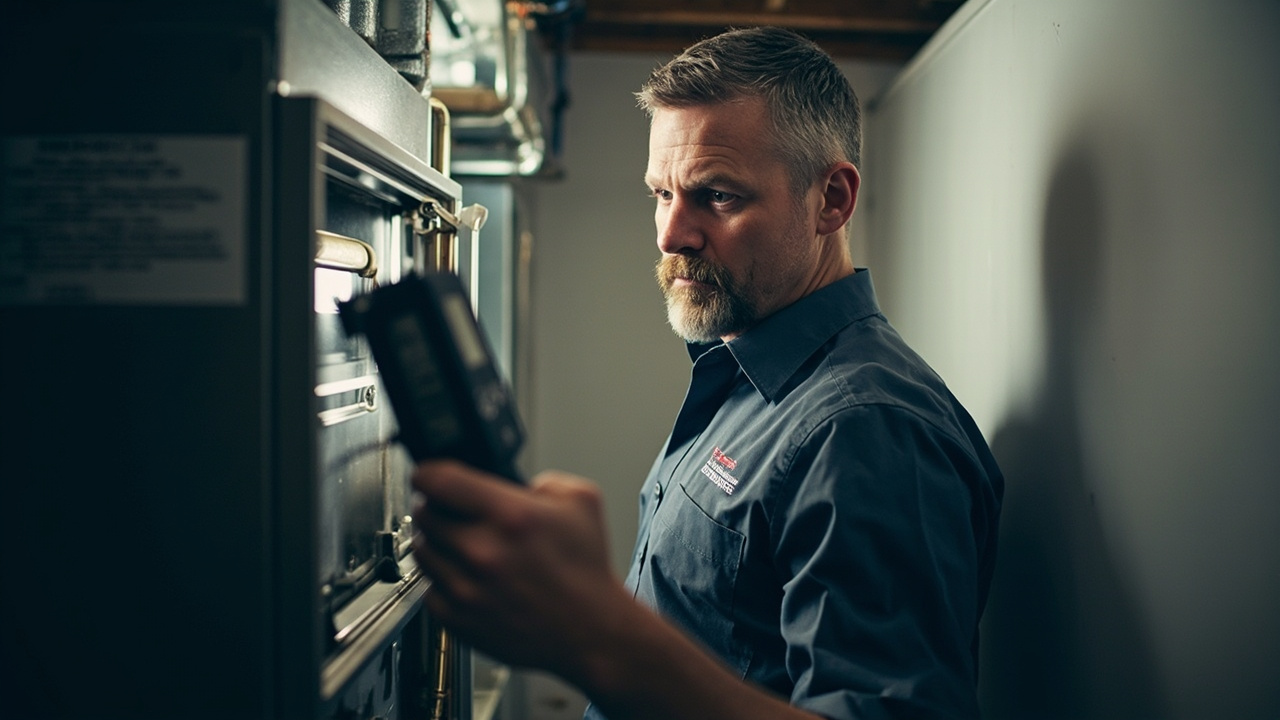
At 5,280 feet, Denver's thin air reduces oxygen availability for combustion. Your furnace compensates by adjusting the air-to-fuel ratio, but this increases wear on igniters, flame sensors, and heat exchangers. Temperature swings from 60 degrees to 15 degrees in a single day force your heating system through rapid thermal cycling. Metal expands and contracts. Gaskets crack. Seals fail. The dry air accelerates deterioration of rubber components and increases static pressure in ductwork. These conditions make preventive maintenance critical. A furnace that runs fine in Houston will fail faster in Denver without proper calibration and regular inspections.
Denver's building codes require specific venting configurations for high-altitude gas appliances. Many older homes in neighborhoods like Stapleton, Park Hill, and Cherry Creek have furnaces that were retrofitted into spaces designed for boilers or gravity furnaces. These installations present unique challenges for combustion air supply and flue draft. Working with a local HVAC team means you get technicians who understand these retrofit systems and know how to troubleshoot them correctly. We work with Denver inspectors regularly and stay current on local code amendments. This ensures every repair meets safety standards and passes inspection if your home is under permit review.