





Lakewood sits at 5,500 feet elevation where thin air forces HVAC systems to work harder than units at sea level. Your furnace and air conditioner cycle more frequently to maintain comfort, creating extra wear on components. The Front Range climate hammers equipment with temperature swings that can shift 40 degrees in a single day. A sunny January afternoon might hit 60 degrees, then drop to 15 overnight. This constant expansion and contraction stresses ductwork seals, cracks heat exchangers, and ages compressors faster than in stable climates.
Denver Basin clay soil under Lakewood homes shifts with moisture changes, moving foundations and pulling ductwork apart at seams. Homes near Bear Creek or Sloan's Lake face higher humidity that corrodes electrical connections and grows mold in air handlers. Properties in Green Mountain or Applewood built before 1980 often have undersized ductwork that can't handle modern high-efficiency systems without modifications.
Winter inversions trap cold air in the valley while Foothills communities stay warmer, creating microclimates across Lakewood that demand different heating approaches. Homes near West Colfax battle road salt corrosion on outdoor units. Understanding these location-specific factors separates competent HVAC service from guesswork that costs you more in callbacks and premature replacements.
We built our reputation in Lakewood by showing up when other companies won't. Our service area covers every neighborhood from Bear Creek Lake to Belmar, and we staff enough technicians to respond the same day you call, even during peak demand in January cold snaps or July heat waves. Most HVAC companies dispatch from Aurora or Westminster and treat Lakewood as overflow territory. We prioritized Lakewood routes specifically because we saw too many families waiting two days for furnace repairs while temperatures dropped below freezing.
Our technicians carry diagnostic tools calibrated for high-altitude performance issues that sea-level training manuals don't cover. We stock parts for the Lennox, Trane, Carrier, and Rheem systems most common in Lakewood housing stock, which means we complete most repairs in a single visit instead of ordering components and returning days later. When we evaluate your system, we account for Colorado-specific factors like altitude derating, UV damage from intense Front Range sunshine, and the thermal stress from dramatic temperature swings.
We don't upsell replacements when repairs make sense, and we don't patch failing systems that will strand you again next month. Our pricing stays consistent whether you call at 2 PM or 2 AM because emergencies cost the same to fix regardless of when they happen. Lakewood homeowners choose us because we combine fast response with permanent solutions, not temporary fixes that buy a company repeat service calls at your expense.

We dispatch from Lakewood service routes, not distant suburbs, putting technicians at your door within hours of your call. Stocked trucks and skilled diagnostics mean most repairs finish the same day. No waiting through freezing nights or sweltering afternoons while companies shuffle their schedule.

Mile-high elevation changes how HVAC systems perform. We size equipment for reduced air density, adjust combustion on furnaces for proper fuel-air ratios, and calculate cooling capacity based on Lakewood's actual atmospheric pressure. Our technicians train on Colorado-specific performance factors that coastal manufacturers don't address.
We show you the failed component, explain what caused the failure, and present repair options with honest cost expectations. You see the cracked heat exchanger or seized compressor before we quote the work. No hidden fees, no surprise charges, no pressure tactics to replace functional equipment.
We prioritized Lakewood routes because we saw families underserved by companies based in distant suburbs. Our geographic focus means faster response times, better parts inventory for local housing stock, and technicians who know whether your home sits on stable ground or shifting clay.
Fortress HVAC Denver handles every aspect of residential climate control from emergency furnace repair to complete system replacement. We service forced-air furnaces, central air conditioning, heat pumps, ductless mini-splits, and hybrid heating systems common in Lakewood homes. Our capabilities span urgent breakdowns that need immediate attention, planned maintenance that prevents failures, and system upgrades that improve efficiency and comfort.
Each service category addresses different homeowner needs. Emergency repair stops active problems causing discomfort or safety risks. Maintenance service catches developing issues before they become emergencies. System replacement solves chronic problems in aging equipment that costs more to repair than replace. We structure our services around these three distinct approaches because Lakewood homeowners face different situations requiring different solutions. The furnace that quits on Christmas Eve demands different response than planning a spring AC tune-up or evaluating whether a 20-year-old system deserves another repair.
When your heating or cooling fails, we respond fast with diagnostic tools and parts inventory to complete most repairs in one visit. We handle no-heat emergencies, AC compressor failures, blower motor replacements, thermostat malfunctions, refrigerant leaks, ignition problems, and electrical faults. Our trucks stock common failure components for major brands, and our technicians troubleshoot systematically to find root causes, not just reset error codes that will trip again tomorrow.
Scheduled maintenance catches problems before they strand you without heat or cooling. We inspect heat exchangers for cracks, test capacitors before they fail, clean coils for efficient operation, verify proper airflow, check refrigerant levels, calibrate thermostats, and replace filters. Fall furnace checks and spring AC service prepare your system for peak demand seasons when failures cause the most discomfort and emergency calls cost the most.
We replace failing systems with properly sized equipment matched to Lakewood's climate and your home's needs. This includes load calculations for accurate sizing, ductwork modifications for proper airflow, refrigerant line installation, thermostat upgrades, and complete removal of old equipment. We install high-efficiency furnaces, central air conditioners, heat pumps, and ductless systems from major manufacturers with warranties and performance guarantees backed by correct installation.
Lakewood's combination of altitude, temperature swings, and soil conditions creates specific HVAC challenges. Homes built on Denver Basin clay experience foundation movement that separates ductwork connections, creating air leaks that waste energy and reduce comfort. The 5,500-foot elevation reduces air density, forcing blowers to work harder and aging motors faster than in lower-altitude climates.
Temperature swings from 15 degrees overnight to 60 degrees by afternoon stress expansion joints and crack heat exchangers in furnaces cycled aggressively. Properties near Bear Creek face higher humidity that corrodes electrical connections and promotes mold growth in air handlers. Older homes in Applewood and Green Mountain often have undersized ductwork installed before modern high-efficiency equipment required larger air volumes. These location-specific problems demand solutions beyond generic HVAC service.
Lakewood's dramatic daily temperature swings cause furnace heat exchangers to expand and contract repeatedly, eventually cracking the metal. A cracked heat exchanger can leak carbon monoxide into your home. We test with combustion analyzers and pressure checks, never relying on visual inspection alone to clear safety-critical components.
Clay soil under Lakewood homes swells with moisture and shrinks when dry, shifting foundations and pulling apart ductwork connections. Separated ducts dump conditioned air into crawlspaces and attics, wasting energy and creating uneven temperatures between rooms. We seal connections with mastic and mechanical fasteners that flex with building movement.
Furnaces installed at sea level burn inefficiently at 5,500 feet because air density affects fuel-oxygen ratios. Improper combustion wastes gas, produces excess carbon monoxide, and soots up heat exchangers. We adjust gas valves and verify combustion efficiency with analyzers calibrated for altitude, ensuring your furnace burns cleanly and safely.
Many Lakewood homes built before 1980 have ductwork sized for less efficient equipment that moved less air volume. Modern high-efficiency systems push more air through undersized ducts, creating pressure imbalances, noisy operation, and reduced comfort. We measure static pressure and modify ductwork when upgrades demand better airflow.
We answer your call with a real person who understands HVAC emergencies, not an automated system that shuffles you through menus. You'll speak with someone who can assess urgency, schedule response, and give you immediate troubleshooting steps if safe to attempt before the technician arrives. We provide arrival time windows we actually meet, and our technicians call when they're 15 minutes away so you're not waiting anxiously at the window.
When our technician arrives, they introduce themselves, wear identification, and respect your home by using floor protection and cleaning up completely. They listen to your description of the problem because homeowners often notice patterns that guide faster diagnosis. The diagnostic process happens in front of you with explanations in plain language, not technical jargon designed to confuse. You'll see the failed component, understand what caused the failure, and receive honest options for repair or replacement with transparent pricing before any work begins.
We staff enough technicians to respond the same day you call, even during peak demand in January and July. You receive accurate arrival windows, not four-hour ranges that waste your day. Our technicians call before arriving and text updates if anything changes. Emergency calls get prioritized based on safety risk and weather conditions, with no-heat calls in freezing weather dispatched immediately.
We show you exactly what failed and explain why it happened. You'll see the seized compressor, cracked heat exchanger, or failed capacitor before we quote repair costs. We present options that make sense for your situation, including repair costs versus replacement value for aging systems. No pressure tactics, no inflated quotes to make replacements look cheaper, no hidden fees added after you approve the work.
We install manufacturer-specified parts, not cheap aftermarket components that fail prematurely. Our technicians follow proper procedures including nitrogen purging on refrigerant work, torque specifications on gas connections, and combustion testing on furnace repairs. You receive documentation of work performed, parts installed, and test results proving your system operates safely and efficiently.
We designed our process to minimize your time without heating or cooling while ensuring repairs last. Each step focuses on accuracy, transparency, and permanent solutions.
Our technician arrives with diagnostic tools and begins systematic troubleshooting to identify the root cause of failure. We test electrical components, measure refrigerant pressures, analyze combustion efficiency, and check airflow. You'll see the testing process and understand what each measurement reveals. We explain the failure in plain language and show you the failed component whenever possible to confirm the diagnosis.
Before starting work, you receive a written quote with parts and labor broken down clearly. We discuss repair versus replacement if your system's age makes replacement more economical long-term. Once you approve, we complete the repair with manufacturer-specified parts and proper installation procedures. Most repairs finish the same visit because our trucks stock common failure components for major brands.
After repairs, we test system operation under load to verify the fix holds. Furnace work includes combustion analysis to prove safe operation. AC repairs include refrigerant pressure checks and temperature measurements. You receive documentation showing what we repaired, parts we installed, and test results confirming your system operates correctly. We clean the work area completely and remove all debris.
Professional HVAC work in Lakewood requires understanding factors that generic training manuals don't address. At 5,500 feet elevation, air density is approximately 83% of sea-level density, which reduces heat transfer efficiency and forces blowers to move higher volumes to achieve the same heating and cooling effect. This altitude derating affects equipment capacity calculations and combustion air requirements on gas furnaces.
Proper furnace installation requires adjusting gas valve pressure and verifying combustion efficiency with analyzers that measure oxygen content, carbon monoxide levels, and flue gas temperature. Colorado requires furnaces to operate with combustion efficiency verified through testing, not assumed from factory settings. At altitude, the fuel-to-air ratio shifts because of reduced oxygen density, and failing to adjust causes incomplete combustion that wastes gas and produces dangerous carbon monoxide levels.
Ductwork design must account for static pressure limitations specific to high-efficiency equipment. Modern variable-speed blowers can compensate for duct restrictions up to a point, but excessive static pressure from undersized ducts reduces airflow, freezes evaporator coils, and trips safety limits. We measure total external static pressure and compare against manufacturer specifications, modifying ductwork when pressure exceeds equipment tolerances.
Air conditioning systems face challenges from intense UV radiation at altitude and dramatic temperature swings that stress refrigerant systems. The daily temperature range in Lakewood can exceed 40 degrees, causing repeated thermal expansion and contraction in refrigerant lines. Proper installation includes vibration isolation, stress relief loops in refrigerant piping, and UV-resistant insulation on outdoor components. We nitrogen-purge refrigerant lines before charging to prevent oxidation and contamination that degrades compressor oil and shortens equipment life.
Clay soil movement under Lakewood foundations demands flexible duct connections that accommodate building shifts without separating. We use mastic sealant and mechanical fasteners rather than relying on tape alone, because tape adhesive fails when foundations move. Return air plenums require particular attention because negative pressure amplifies leak effects, pulling unconditioned air from attics and crawlspaces that wastes energy and introduces humidity and pollutants.
Gas furnaces require altitude-specific adjustments to gas valve pressure and air intake to maintain proper fuel-air ratios. We verify combustion efficiency with analyzers measuring oxygen and carbon monoxide levels, ensuring your furnace burns cleanly at 5,500 feet. Incorrect combustion wastes fuel, produces safety risks, and voids manufacturer warranties.
Proper system sizing requires Manual J load calculations accounting for insulation levels, window area, orientation, infiltration rates, and occupancy. Oversized equipment short-cycles, reducing efficiency and component life. Undersized systems run continuously without achieving comfort. We size equipment for Lakewood's actual climate data, not generic regional assumptions.
Total external static pressure must stay within manufacturer specifications for proper airflow and efficiency. We measure pressure with manometers and modify ductwork when readings exceed tolerances. Undersized ducts create noise, reduce capacity, freeze coils, and waste energy. Proper duct design includes adequate return air, balanced supply registers, and sealed connections.
We nitrogen-purge refrigerant lines before charging to prevent contamination and oxidation. Proper installation includes evacuation to remove moisture, leak testing with pressure, and charging by weight or subcooling method. Refrigerant leaks waste expensive refrigerant, reduce efficiency, and damage compressors. We find and fix leaks permanently rather than adding refrigerant repeatedly.
This video explains common HVAC problems affecting Lakewood, Colorado homeowners including altitude combustion issues, foundation movement affecting ductwork, and temperature stress on heating and cooling equipment. Viewers learn how to identify cracked heat exchangers, understand proper refrigerant service, and recognize when repairs make sense versus system replacement. The video covers altitude-specific furnace adjustments, AC performance at 5,500 feet elevation, and ductwork challenges in homes built on clay soil.
Fortress HVAC Denver provides complete heating and cooling service throughout Lakewood from Bear Creek Lake to Sloan's Lake and every neighborhood between. We serve the established communities around Belmar where mid-century homes often need ductwork upgrades for modern high-efficiency systems. Green Mountain and Applewood residents call us for furnace repairs on homes built into hillside lots where ductwork runs through challenging crawlspaces and altitude affects combustion even more than valley properties.
The West Colfax corridor presents unique challenges where road salt corrosion attacks outdoor AC units and commercial activity creates higher cooling demands on mixed-use properties. We handle residential HVAC throughout the neighborhoods near Lakewood High School and Bear Creek Lake Park where families need reliable heating through Colorado winters and efficient cooling during summer heat waves. Properties near Lakewood Cultural Center and the downtown Lakewood area receive the same rapid response we provide to homes near Red Rocks Community College and the Foothills communities.
Our service area extends to newer developments near Belleview and Kipling where modern construction codes demand specific efficiency standards and proper installation documentation. We know the older housing stock around Wadsworth Boulevard often needs creative ductwork solutions to retrofit central air into homes built with radiators or baseboard heat. The Bear Valley area's ranch homes from the 1960s typically have accessible ductwork but aging furnaces that need replacement before cracked heat exchangers create safety risks.
We prioritized Lakewood specifically because we saw too many residents underserved by companies based in Aurora or Westminster that treated this area as low-priority overflow territory. Whether you're near Crown Hill Park, along West Sixth Avenue, or in the residential neighborhoods south of Alameda Avenue, you receive the same day-of-call response and expert service. Our familiarity with Lakewood's geography means we account for microclimates where homes near Bear Creek face different humidity levels than properties on higher ground near the Foothills, and we size systems for the specific elevation and exposure your home experiences.
The $5000 rule is a guideline to help you decide between repair and replacement. Multiply your system's age by the repair cost. If the result exceeds $5000, replacement makes more financial sense. For example, a 12-year-old unit needing a $500 repair equals $6000, signaling it's time for a new system. In Lakewood, where temperature swings stress older equipment, this rule helps you avoid throwing money at a failing system. Consider energy efficiency upgrades too, as newer units can cut your utility bills significantly during Colorado's hot summers and cold winters.
Most HVAC jobs in Lakewood range from basic repairs to full system replacements. Simple repairs like capacitor swaps or thermostat replacements run a few hundred dollars. Larger repairs involving compressors or coils cost more. Full system installations vary widely based on tonnage, efficiency rating, ductwork condition, and whether you need a furnace and air conditioner or a heat pump. Lakewood homes face unique demands due to altitude and dry climate, which affect equipment sizing. Get multiple quotes and compare equipment specs, not just price tags, to understand what you're paying for.
A new HVAC system for a typical Lakewood home varies based on square footage, efficiency level, and installation complexity. Higher SEER ratings mean better energy efficiency but higher upfront costs. You'll recover that through lower utility bills. Factor in ductwork modifications if your existing ducts are undersized or leaking. Lakewood's climate demands reliable heating for winter and efficient cooling for summer heat. Two-stage or variable-speed systems handle Colorado's temperature swings better than single-stage units. Get itemized quotes that break down equipment, labor, permits, and warranty coverage so you can compare apples to apples.
The $5000 rule is a guideline to help you decide between repair and replacement. Multiply your system's age by the repair cost. If the result exceeds $5000, replacement makes more financial sense. For example, a 12-year-old unit needing a $500 repair equals $6000, signaling it's time for a new system. In Lakewood, where temperature swings stress older equipment, this rule helps you avoid throwing money at a failing system. Consider energy efficiency upgrades too, as newer units can cut your utility bills significantly during Colorado's hot summers and cold winters.
Most HVAC jobs in Lakewood range from basic repairs to full system replacements. Simple repairs like capacitor swaps or thermostat replacements run a few hundred dollars. Larger repairs involving compressors or coils cost more. Full system installations vary widely based on tonnage, efficiency rating, ductwork condition, and whether you need a furnace and air conditioner or a heat pump. Lakewood homes face unique demands due to altitude and dry climate, which affect equipment sizing. Get multiple quotes and compare equipment specs, not just price tags, to understand what you're paying for.
A new HVAC system for a typical Lakewood home varies based on square footage, efficiency level, and installation complexity. Higher SEER ratings mean better energy efficiency but higher upfront costs. You'll recover that through lower utility bills. Factor in ductwork modifications if your existing ducts are undersized or leaking. Lakewood's climate demands reliable heating for winter and efficient cooling for summer heat. Two-stage or variable-speed systems handle Colorado's temperature swings better than single-stage units. Get itemized quotes that break down equipment, labor, permits, and warranty coverage so you can compare apples to apples.
For a 2000 square-foot house in Lakewood, you'll need a system sized between 2.5 to 4 tons, depending on insulation, ceiling height, window quality, and sun exposure. Costs vary based on whether you choose a basic single-stage system or a high-efficiency variable-speed model. Split systems with separate furnace and air conditioner are common here. Heat pumps work well in Lakewood's moderate climate but may need supplemental heat during extreme cold snaps. Proper sizing matters more than square footage alone. An oversized system short-cycles and wastes energy. An undersized system runs constantly and never achieves comfort.
You may qualify for federal tax credits if your new HVAC system meets energy efficiency requirements. The Inflation Reduction Act offers credits for high-efficiency heat pumps, central air conditioners with SEER2 ratings of 16 or higher, and ENERGY STAR certified furnaces. Tax credits can cover a percentage of equipment and installation costs, subject to annual limits. Colorado may offer additional state rebates or utility company incentives for Lakewood residents upgrading to efficient systems. Consult a tax professional to confirm eligibility and keep all receipts and manufacturer certification statements for documentation when you file.
A 4000 square-foot home requires a larger capacity system, often 5 tons or more, depending on layout and insulation. Costs increase due to equipment size, ductwork complexity, and zoning requirements. Larger Lakewood homes benefit from zoned systems that allow temperature control in different areas, preventing energy waste. Multi-stage or variable-speed equipment handles diverse heating and cooling loads better. Factor in two furnaces and air conditioners if your home has multiple levels or wings. Higher efficiency models cost more upfront but reduce utility bills over time. Proper load calculations prevent oversizing, which wastes money and reduces comfort.
The 3-minute rule protects your compressor from damage. After your air conditioner shuts off, wait at least three minutes before restarting. This allows refrigerant pressure to equalize between the high and low sides of the system. Restarting too soon forces the compressor to start against high pressure, which causes mechanical stress and can burn out the motor. Modern thermostats have built-in time delays. In Lakewood's dry climate, short-cycling caused by oversized units or thermostat placement issues triggers frequent restarts. If your system cycles on and off rapidly, call a technician to diagnose the underlying problem.
HVAC systems in Lakewood last 12 to 18 years with proper maintenance. Furnaces often outlast air conditioners because they run only during heating season. Air conditioners work hard during Colorado summers and may fail sooner if neglected. Heat pumps run year-round, so they wear faster. Factors affecting lifespan include installation quality, maintenance frequency, usage patterns, and equipment brand. Lakewood's temperature extremes and low humidity stress components. Annual tune-ups catch small issues before they become failures. Replace filters every one to three months. If your system is over 15 years old and needs major repairs, replacement often makes more sense.
Homeowners insurance rarely covers HVAC repairs from normal wear and tear. Policies typically exclude mechanical breakdown and maintenance issues. However, if your system fails due to a covered peril like fire, lightning strike, hail damage, or vandalism, insurance may pay for replacement. Some insurers offer optional equipment breakdown endorsements that cover sudden mechanical failure. In Lakewood, hailstorms occasionally damage outdoor condensing units. Document damage with photos and get repair estimates. Review your policy or call your agent to confirm coverage before filing a claim. Regular maintenance helps prevent failures and may strengthen claims when legitimate damage occurs.
Fall and spring are ideal times to buy HVAC equipment in Lakewood. Demand drops after summer cooling season and before winter heating season, so contractors offer better pricing and faster installation schedules. You'll have time to research options without the pressure of a failed system during extreme weather. October through early November works well before first freeze. March through May allows installation before summer heat arrives. Avoid buying during July or January when emergency replacements drive up prices. Plan ahead if your system is over 12 years old. Proactive replacement beats emergency failure during a Colorado cold snap or heat wave.
For a 2000 square-foot house in Lakewood, you'll need a system sized between 2.5 to 4 tons, depending on insulation, ceiling height, window quality, and sun exposure. Costs vary based on whether you choose a basic single-stage system or a high-efficiency variable-speed model. Split systems with separate furnace and air conditioner are common here. Heat pumps work well in Lakewood's moderate climate but may need supplemental heat during extreme cold snaps. Proper sizing matters more than square footage alone. An oversized system short-cycles and wastes energy. An undersized system runs constantly and never achieves comfort.
You may qualify for federal tax credits if your new HVAC system meets energy efficiency requirements. The Inflation Reduction Act offers credits for high-efficiency heat pumps, central air conditioners with SEER2 ratings of 16 or higher, and ENERGY STAR certified furnaces. Tax credits can cover a percentage of equipment and installation costs, subject to annual limits. Colorado may offer additional state rebates or utility company incentives for Lakewood residents upgrading to efficient systems. Consult a tax professional to confirm eligibility and keep all receipts and manufacturer certification statements for documentation when you file.
A 4000 square-foot home requires a larger capacity system, often 5 tons or more, depending on layout and insulation. Costs increase due to equipment size, ductwork complexity, and zoning requirements. Larger Lakewood homes benefit from zoned systems that allow temperature control in different areas, preventing energy waste. Multi-stage or variable-speed equipment handles diverse heating and cooling loads better. Factor in two furnaces and air conditioners if your home has multiple levels or wings. Higher efficiency models cost more upfront but reduce utility bills over time. Proper load calculations prevent oversizing, which wastes money and reduces comfort.
The 3-minute rule protects your compressor from damage. After your air conditioner shuts off, wait at least three minutes before restarting. This allows refrigerant pressure to equalize between the high and low sides of the system. Restarting too soon forces the compressor to start against high pressure, which causes mechanical stress and can burn out the motor. Modern thermostats have built-in time delays. In Lakewood's dry climate, short-cycling caused by oversized units or thermostat placement issues triggers frequent restarts. If your system cycles on and off rapidly, call a technician to diagnose the underlying problem.
HVAC systems in Lakewood last 12 to 18 years with proper maintenance. Furnaces often outlast air conditioners because they run only during heating season. Air conditioners work hard during Colorado summers and may fail sooner if neglected. Heat pumps run year-round, so they wear faster. Factors affecting lifespan include installation quality, maintenance frequency, usage patterns, and equipment brand. Lakewood's temperature extremes and low humidity stress components. Annual tune-ups catch small issues before they become failures. Replace filters every one to three months. If your system is over 15 years old and needs major repairs, replacement often makes more sense.
Homeowners insurance rarely covers HVAC repairs from normal wear and tear. Policies typically exclude mechanical breakdown and maintenance issues. However, if your system fails due to a covered peril like fire, lightning strike, hail damage, or vandalism, insurance may pay for replacement. Some insurers offer optional equipment breakdown endorsements that cover sudden mechanical failure. In Lakewood, hailstorms occasionally damage outdoor condensing units. Document damage with photos and get repair estimates. Review your policy or call your agent to confirm coverage before filing a claim. Regular maintenance helps prevent failures and may strengthen claims when legitimate damage occurs.
Fall and spring are ideal times to buy HVAC equipment in Lakewood. Demand drops after summer cooling season and before winter heating season, so contractors offer better pricing and faster installation schedules. You'll have time to research options without the pressure of a failed system during extreme weather. October through early November works well before first freeze. March through May allows installation before summer heat arrives. Avoid buying during July or January when emergency replacements drive up prices. Plan ahead if your system is over 12 years old. Proactive replacement beats emergency failure during a Colorado cold snap or heat wave.
Fortress HVAC is proud to serve the Denver area and surrounding communities. We invite you to view our location on the map, which highlights our service area. While we often come directly to you for services, knowing our central base can help you understand our reach. Feel free to contact us with any questions about our service coverage or to schedule an appointment directly.
Address:
Lakewood, CO, 80226
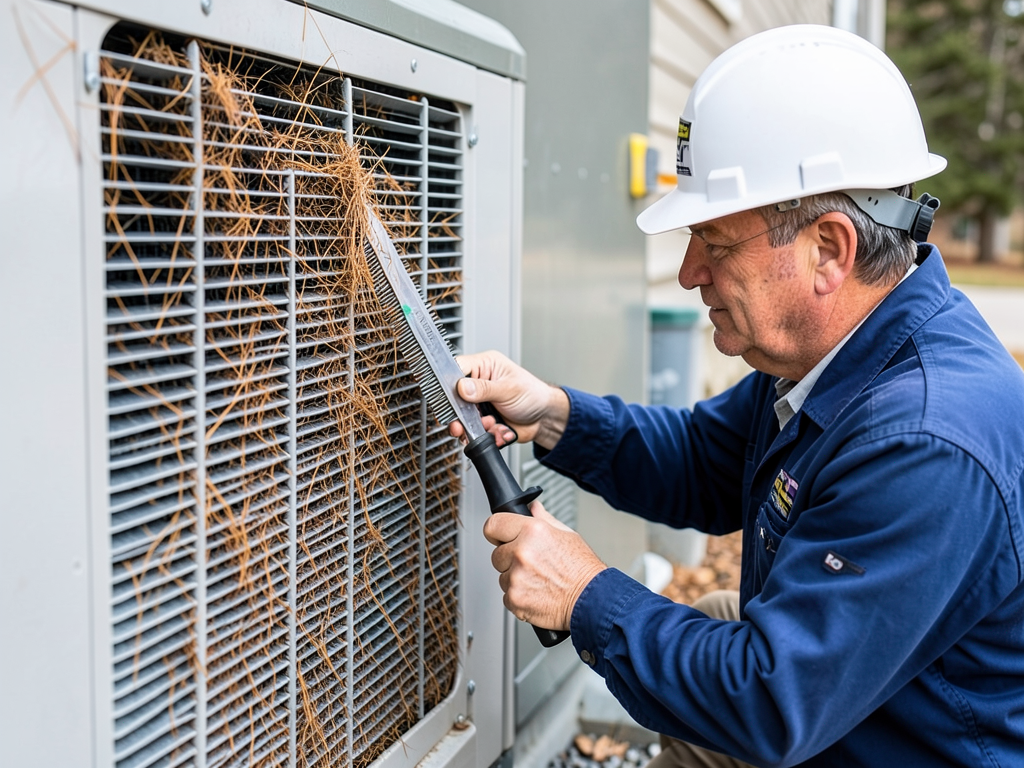
Why Pine Needles are a Unique Threat to Denver AC Units Living in Genesee means dealing with the beautiful but challenging mountain environment. The pine trees that give your property its scenic charm can wreak…

Why Your Gas Fireplace Should Not Be Your Only Heat Source in Golden\n\nGolden homeowners often…
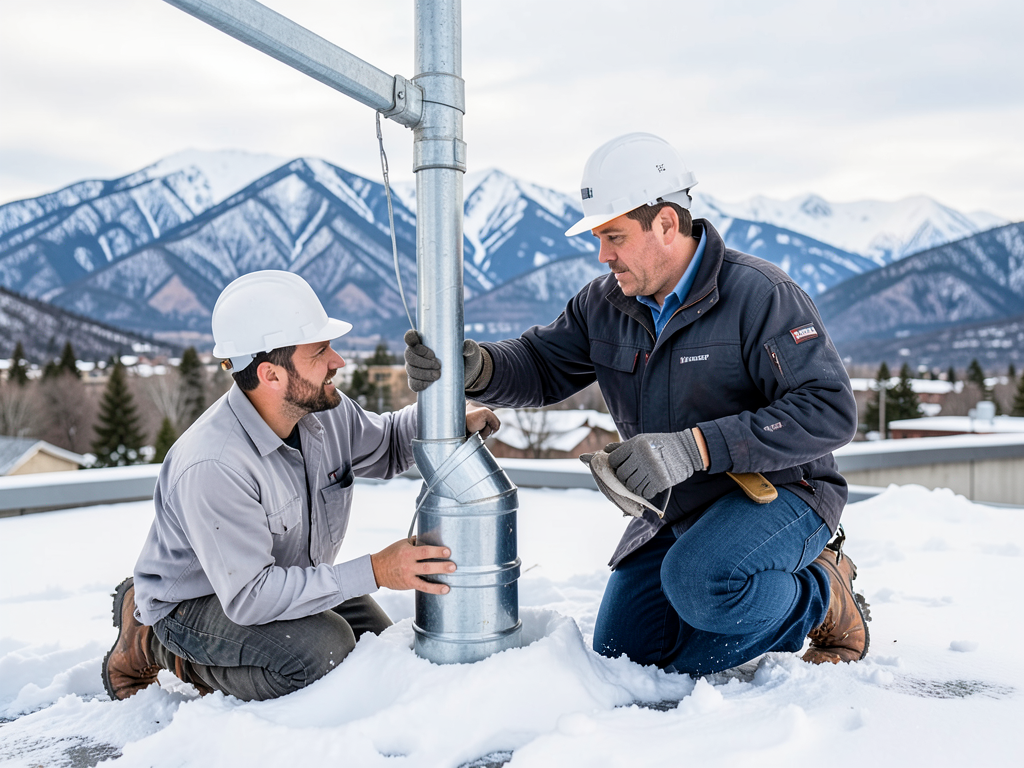
Why Your Furnace Venting Needs Special Attention in High Altitude Morrison Living at 5,800 feet…
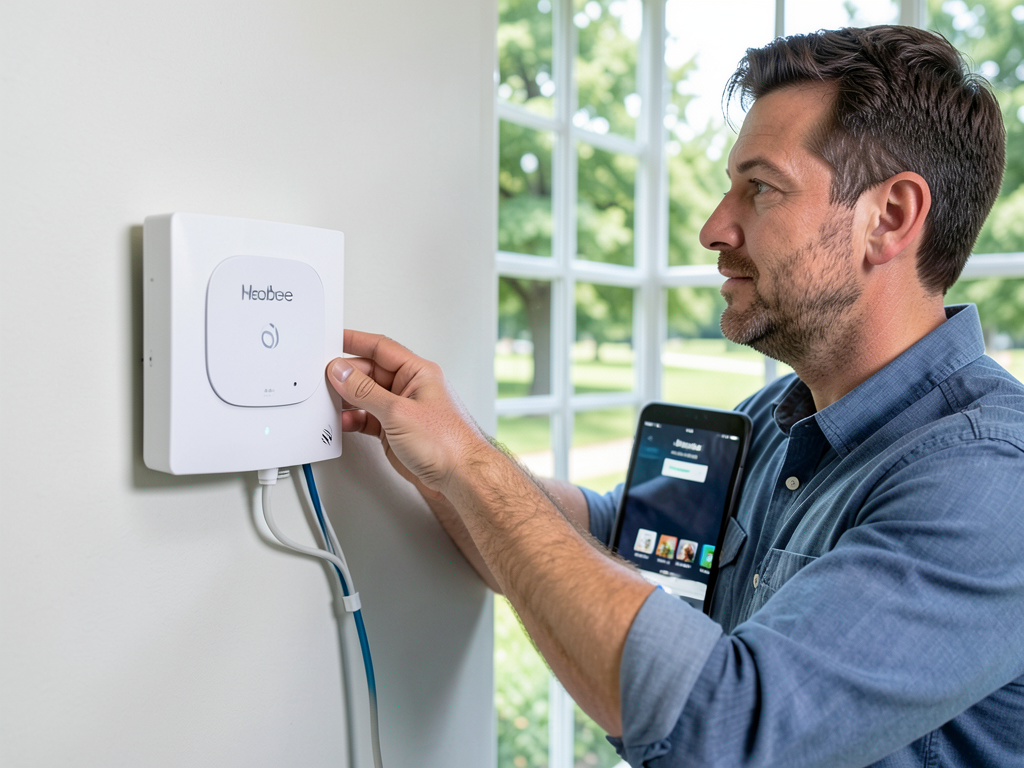
How to Integrate Your HVAC with Matter and Apple Home in Central Park Central Park…
Call (720) 502-9511 now for same-day service on furnace and AC problems. Our technicians are ready with stocked trucks and solutions that last. No waiting, no runaround, just fast professional service that gets your comfort back.