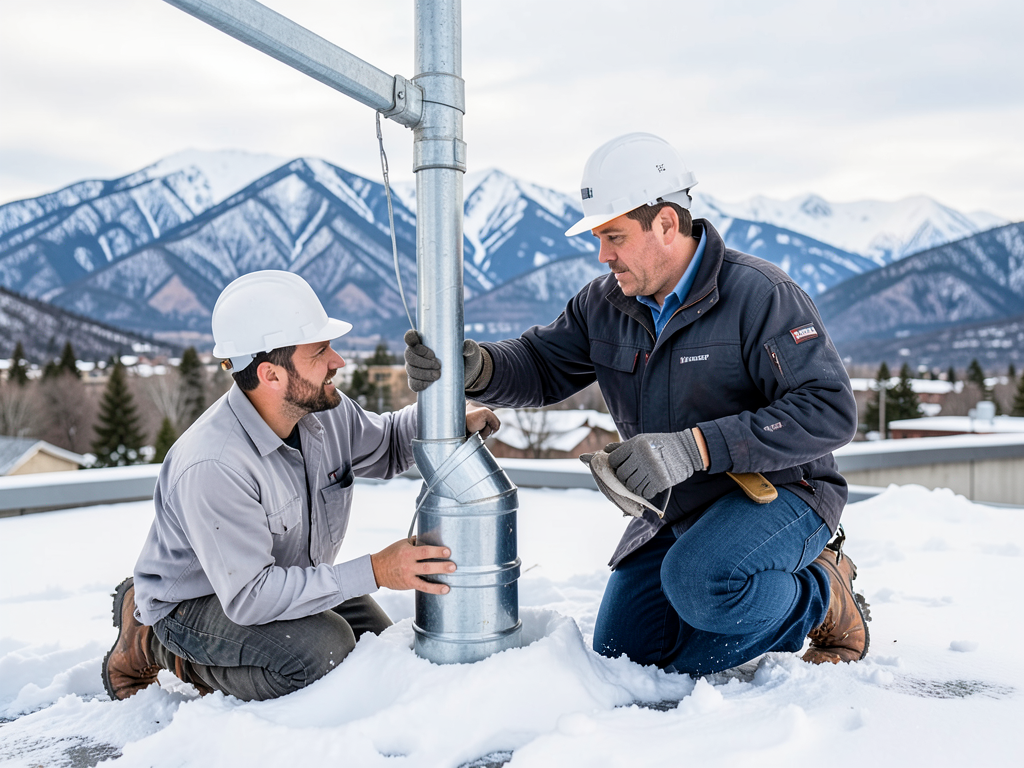







Denver sits at 5,280 feet above sea level, where atmospheric pressure is 17% lower than at sea level. This affects boiler combustion in ways most technicians miss. Burners calibrated for sea level run rich in Denver, producing yellow flames and carbon buildup. The reduced oxygen density means gas boilers need larger combustion air openings to maintain proper air-to-fuel ratios. When winter storms drop temperatures to single digits and wind speeds hit 40 mph, boilers run continuously. This extended runtime exposes weak components that might last years in milder climates. Denver's 300 days of sunshine also create dramatic temperature swings. Your boiler fires up on a 15-degree morning, then sits idle during a 55-degree afternoon, then fires again when evening temperatures crash. This thermal cycling stresses heat exchangers and expansion tanks more than steady cold climates.
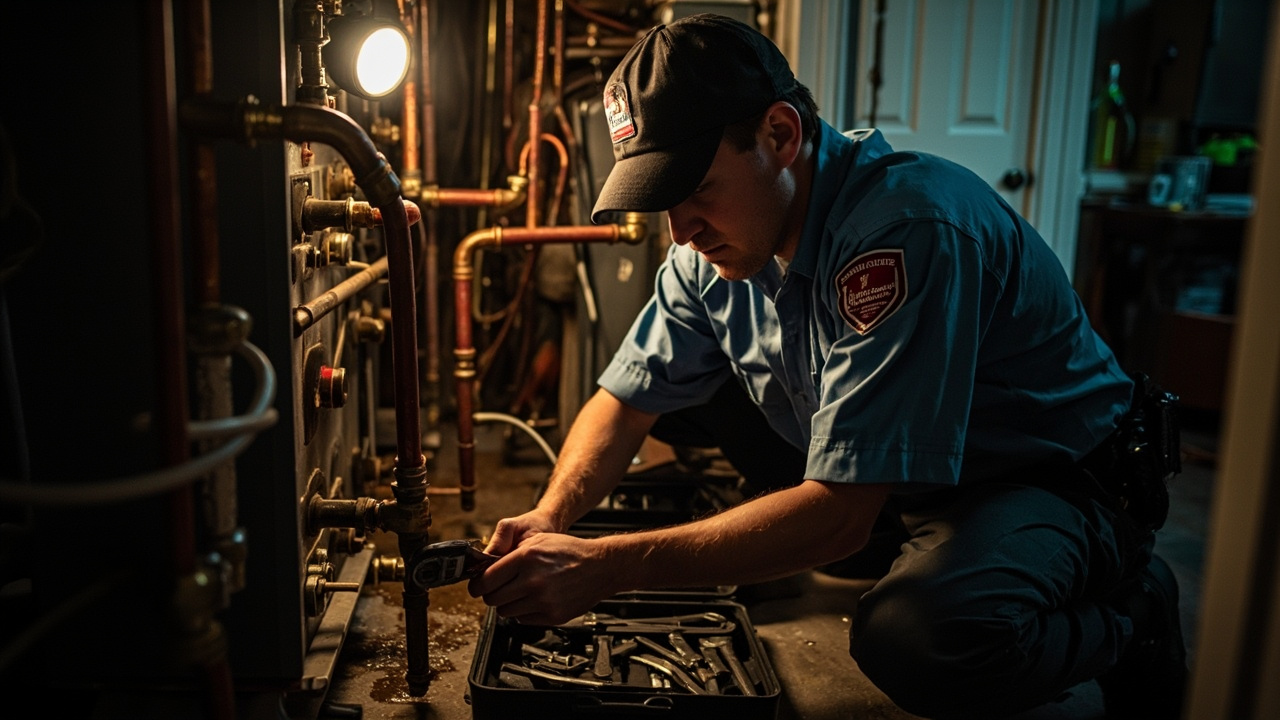
Fortress HVAC Denver has served metro area homeowners since our founding, repairing boilers in every Denver neighborhood from historic Curtis Park to newer developments in Stapleton. We understand local building practices and the specific boiler brands Denver contractors install. Our technicians train on high-altitude combustion adjustments and stay current with Denver building code amendments. When you need urgent boiler repair in the middle of a January cold snap, you want technicians who've handled hundreds of identical emergencies, not a company dispatching whoever is available. We're part of this community. We know that 24/7 boiler service means showing up when Denver families need help most, not when it's convenient for us.