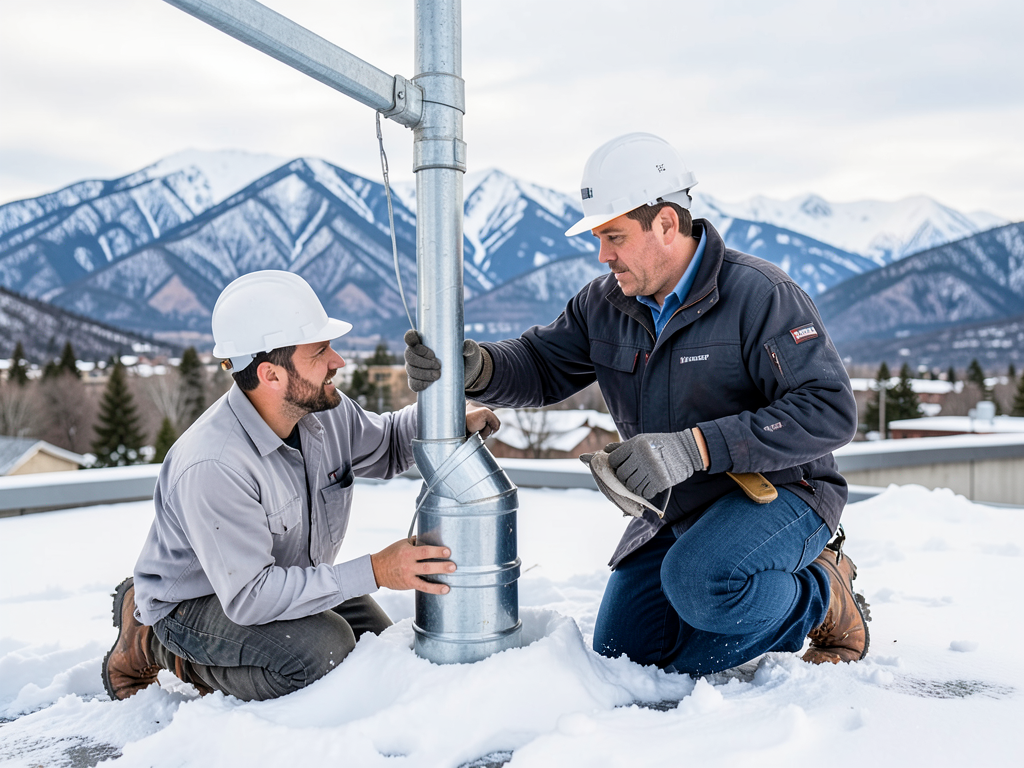







Denver's elevation creates unique challenges for commercial refrigeration systems that coastal technicians often misdiagnose. Refrigerant boiling points change at high altitude, affecting evaporator performance and compressor efficiency. The 30 to 60 degree temperature swings between day and night cause expansion and contraction cycles that stress door seals, gaskets, and refrigerant line connections. Winter temperatures that drop below zero freeze condensate drain lines and create ice buildup on evaporator coils if defrost cycles are not properly adjusted. Summer afternoon temperatures reaching the mid-90s increase heat load on condenser units, especially for south-facing installations exposed to direct sunlight. Commercial refrigeration contractors working in Denver must account for these factors during installation and maintenance to prevent premature component failure and maintain proper food safety temperatures.
Denver's Tri-County Health Department and Denver Environmental Health enforce strict temperature control standards for food service and retail operations. Walk-in coolers must maintain temperatures at or below 41 degrees, and freezers must stay at zero degrees or colder. Businesses face citations and potential closure for repeated temperature violations. Working with commercial refrigeration companies that understand local inspection requirements and maintain proper documentation protects your business license and reduces liability exposure. Our technicians know Denver building inspectors by name, understand the permit process for new installations, and provide the compliance documentation your operation needs during health department inspections.