




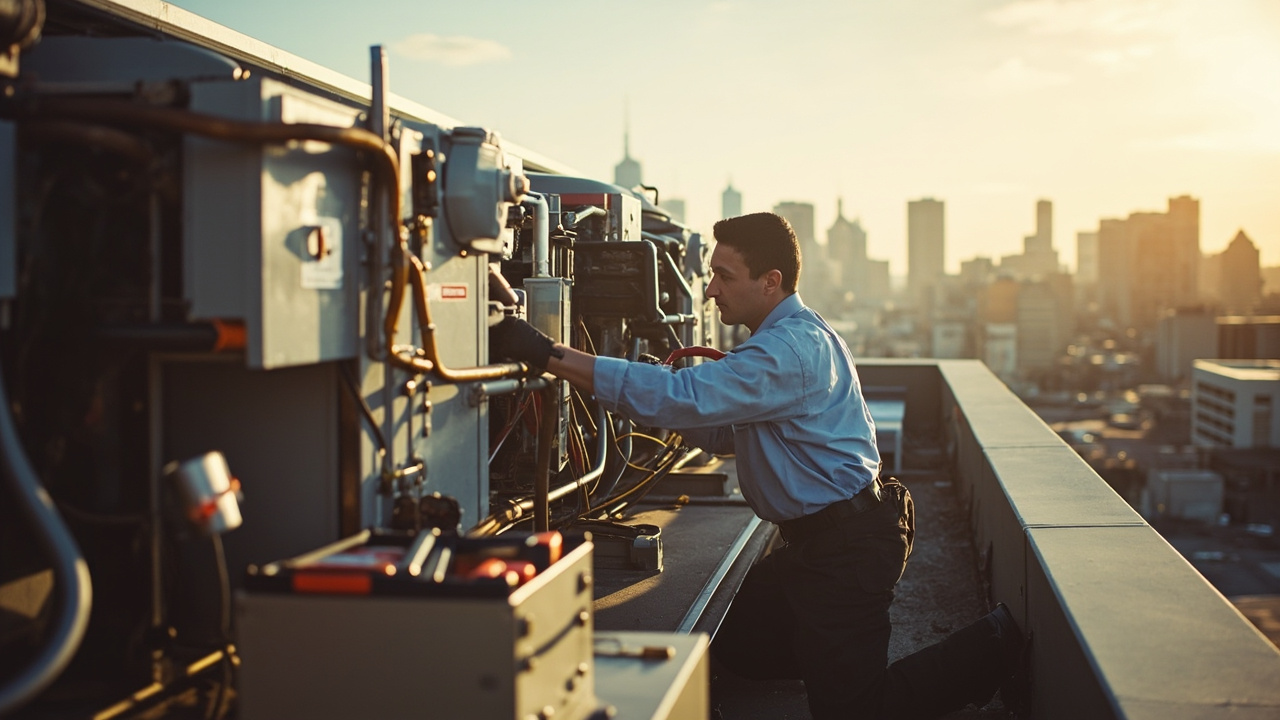
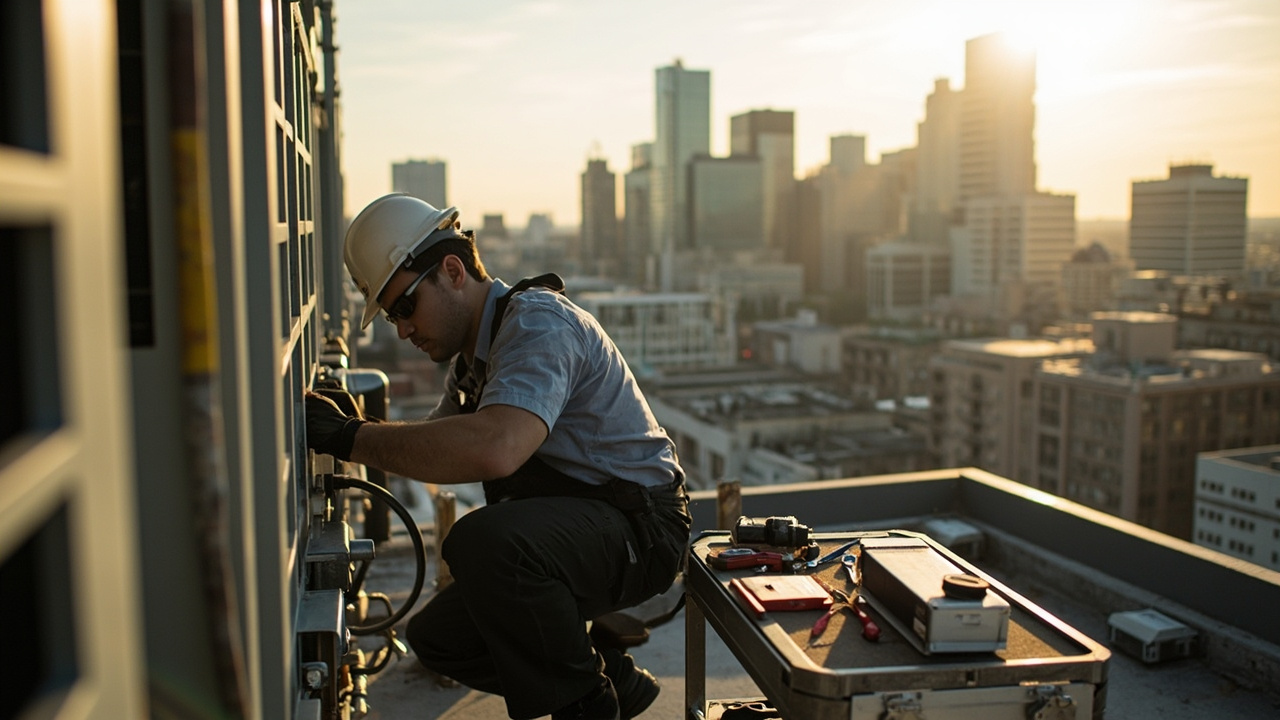
Denver's average annual humidity is 31 percent. Winter months drop below 20 percent. Commercial spaces require humidification to prevent employee discomfort, static damage to electronics, and respiratory irritation. Standard rooftop units do not include humidifiers. Commercial HVAC contractors must integrate steam or evaporative humidifiers into the ductwork. The challenge is balancing humidity control with Denver's altitude. Water boils at 203 degrees instead of 212 degrees. Steam humidifiers require pressure adjustments. Evaporative systems work efficiently in dry climates but require larger water supplies. Our commercial mechanical contractors size humidification equipment based on building volume, ventilation rates, and desired humidity setpoints to maintain proper indoor air quality year-round.
Denver requires commercial HVAC service providers to meet strict energy codes. The 2021 International Energy Conservation Code applies to all commercial construction and major renovations. Equipment must meet minimum SEER and EER ratings. Ductwork must be sealed and tested. Economizers are mandatory on units over five tons. Many municipalities in the Denver metro have adopted additional requirements. Aurora requires commissioning reports on systems over 20 tons. Lakewood mandates refrigerant leak detection on all new installations. Our team stays current on every jurisdiction's requirements. We maintain relationships with plan reviewers across the Front Range. This local expertise prevents costly redesigns and keeps your project moving forward. Commercial HVAC companies without local experience struggle with Denver's unique regulatory environment.