





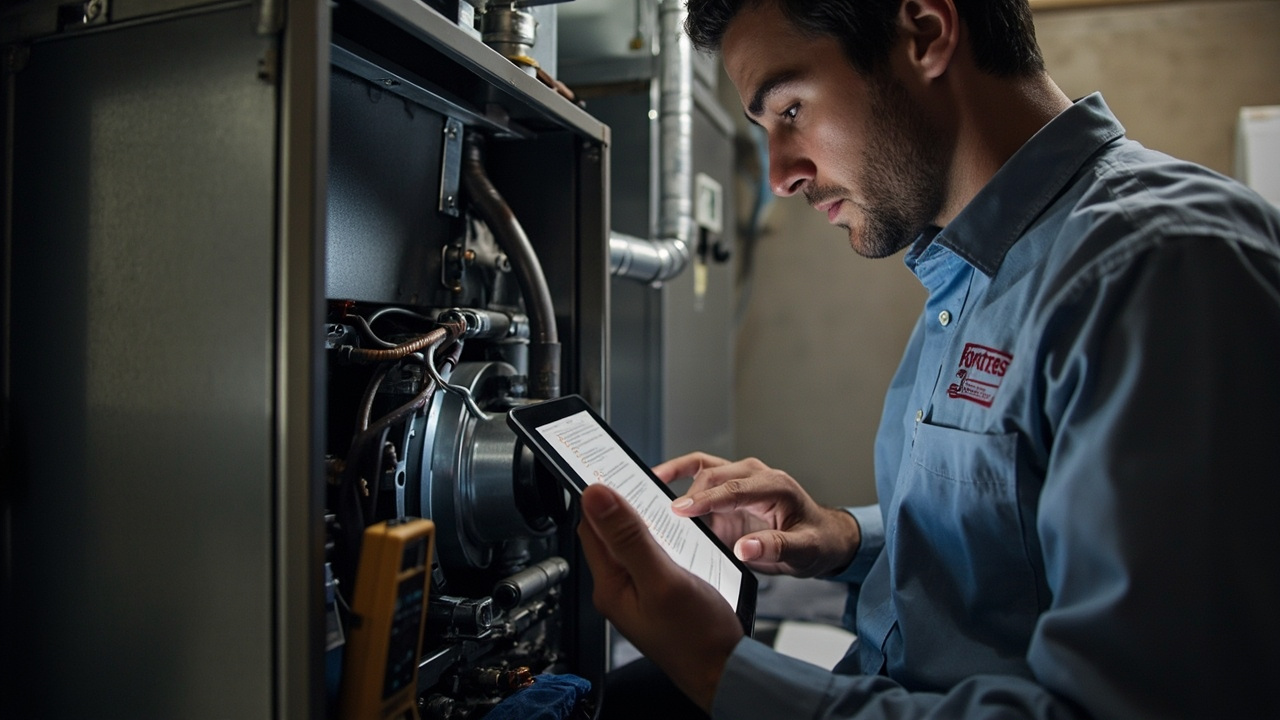
Operating a furnace at 5,280 feet creates combustion challenges that do not exist at lower elevations. The reduced oxygen content means burners must be precisely adjusted to prevent incomplete combustion and carbon monoxide production. Denver's temperature swings from 70 degrees during the day to 30 degrees at night force your furnace to cycle more frequently than systems in stable climates. Each heating cycle creates thermal expansion and contraction in the heat exchanger, accelerating metal fatigue. That is why heat exchanger cracks appear 20 percent sooner in Denver furnaces compared to the same models installed in temperate regions.
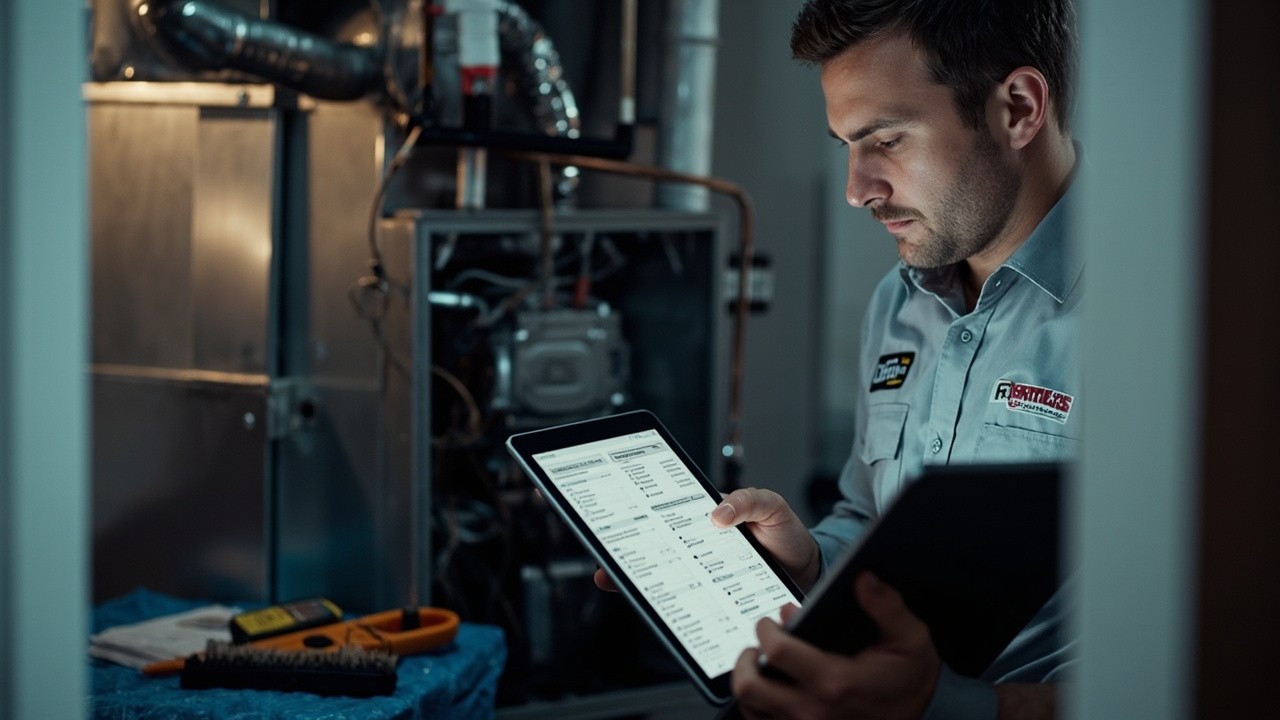
Fortress HVAC Denver has maintained heating systems across the Front Range since our founding. We understand the specific challenges of Denver's climate zone and altitude. Our technicians receive ongoing training on high-altitude combustion adjustment and work daily with the furnace configurations common to Denver's housing stock. When you choose local expertise, you get technicians who have diagnosed these exact problems in homes throughout Wash Park, Stapleton, and Highlands. We know the mechanical code amendments specific to Denver and maintain relationships with local inspectors and suppliers. That local knowledge means faster diagnosis, better repairs, and maintenance performed to the standards your climate demands.