Why Your Furnace Venting Needs Special Attention in High Altitude Morrison
Living at 5,800 feet in Morrison means your furnace faces unique challenges that Denver homeowners do not experience. The thin mountain air affects how your furnace burns fuel and expels exhaust making proper venting critical for both safety and efficiency. At this elevation combustion air contains less oxygen which can cause incomplete burning and dangerous carbon monoxide buildup if your system is not properly adjusted. Emergency Furnace Repair for Denver Residents Dealing with a Frozen House.
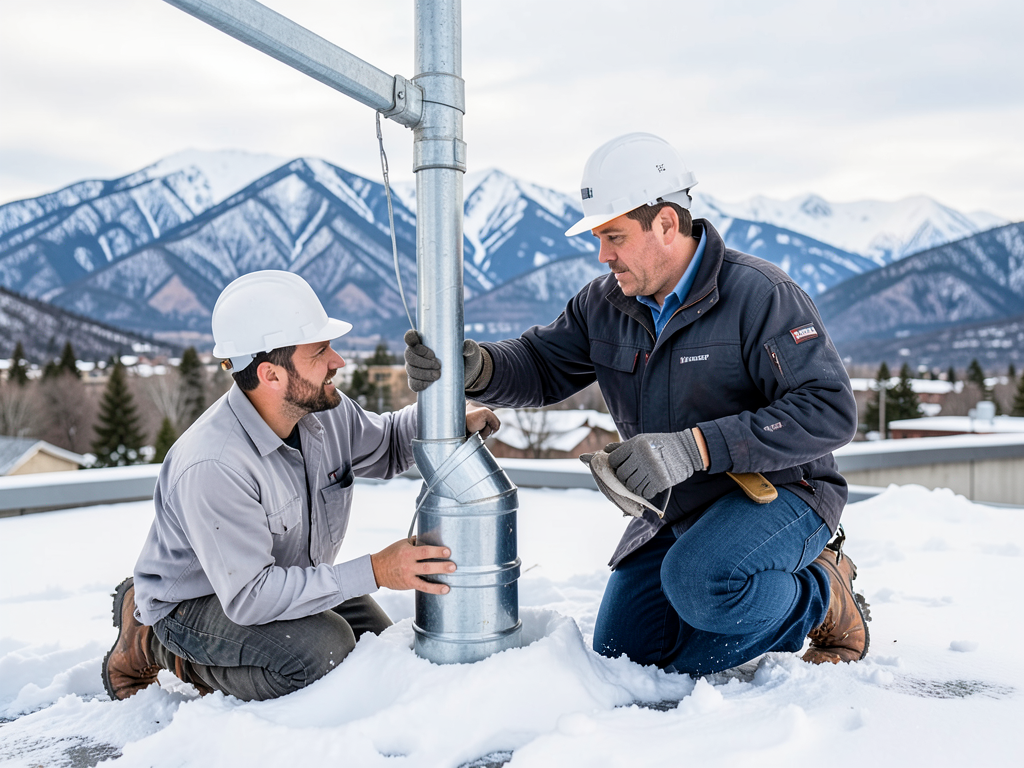
Morrison’s steep terrain and heavy snowfall add another layer of complexity. Snowdrifts can block vent terminations and the high winds common to the foothills can create backdrafting issues that force exhaust back into your home. These are not just comfort problems. They are serious safety hazards that require specific venting solutions designed for high-altitude mountain living.
Local Building Codes and Permits for Morrison and Jefferson County
Jefferson County requires all furnace installations to meet specific mechanical code standards that account for Morrison’s unique conditions. The county’s Building Safety Division enforces the International Fuel Gas Code with local amendments for high-altitude areas. Any furnace replacement or major repair requires a mechanical permit which ensures your system meets current safety standards. Jefferson County Building Safety Division.
Local codes mandate specific clearance distances from windows doors and property lines that differ from Denver’s requirements. Morrison’s building department also requires snow load calculations for vent terminations since the area receives significantly more snow than lower elevations. These regulations exist to prevent the very problems that plague improperly vented systems in mountain communities. EPA Carbon Monoxide Safety Information.
High-Altitude Venting Why Morrison is Different from Denver
At 5,800 feet Morrison sits nearly 1,000 feet higher than downtown Denver and that elevation difference dramatically affects furnace performance. The air density drops by about 15 percent compared to sea level which means your furnace needs specific adjustments to burn fuel properly. Without these modifications you will experience reduced heating efficiency higher energy bills and potentially dangerous combustion issues.
High-altitude furnaces require derated burners and modified gas pressure settings. The orifices that control gas flow must be resized to compensate for the thinner air. Many standard furnaces installed without altitude adjustments will produce carbon monoxide instead of clean exhaust creating a silent but deadly hazard in your home. This is why professional installation matters so much in mountain communities.
Standard Clearance Requirements for Category I and IV Furnaces
Category I furnaces which are standard efficiency and Category IV furnaces which are high-efficiency condensing have different venting requirements that Morrison homeowners need to understand. Category I systems use metal B-vents and require specific clearances from combustible materials while Category IV systems use PVC pipes and have different termination rules.
The Jefferson County mechanical code specifies minimum distances. Category IV vents must be 12 inches from windows and doors. Category IV vents must be 3 feet from gas meters and 7 feet above grade for sidewall terminations. These clearances prevent exhaust from re-entering your home or affecting neighboring properties. In Morrison’s snowy conditions these distances often need to be increased to prevent snow blockage.
Horizontal vs. Vertical Termination Rules
Morrison’s building codes allow both horizontal and vertical vent terminations but each has specific requirements. Horizontal vents must terminate at least 12 inches above the highest anticipated snow level which in Morrison often means 24 to 36 inches due to heavy snow accumulation. The termination cap must also be positioned to prevent snow from drifting back into the pipe.
Vertical terminations through the roof require different considerations. The vent must extend at least 2 feet above the roof surface and 3 feet above any nearby obstacles within 10 feet. This prevents downdrafts from wind swirling around your home from pushing exhaust back down the vent. In Morrison’s windy foothills these heights are often minimums rather than maximums.
Common Venting Materials PVC vs. Metal B-Vent
Category IV high-efficiency furnaces use PVC venting because the exhaust is cool and acidic. PVC works well in Morrison’s conditions but requires protection from UV degradation and physical damage from snow removal equipment. The pipes must be properly supported and sloped to prevent condensate traps that can freeze and block the vent.
Category I furnaces use metal B-vents that can withstand higher temperatures but are more susceptible to corrosion from acidic condensate. In Morrison’s climate metal vents need regular inspection for rust and deterioration. The choice between PVC and metal depends on your furnace efficiency but both require specific installation techniques that account for altitude and weather conditions.
Safety First Carbon Monoxide and Combustion Air Requirements
Carbon monoxide detectors are mandatory in all Morrison homes with fuel-burning appliances. The Jefferson County code requires detectors on every level and within 15 feet of sleeping areas. These devices provide crucial protection since high-altitude combustion issues can produce CO without obvious warning signs like soot or unusual odors.
Combustion air requirements become more critical at elevation. Your furnace needs adequate fresh air for proper burning and in tightly sealed Morrison homes this often means installing dedicated combustion air ducts. Without sufficient combustion air your furnace will struggle to operate efficiently and may produce dangerous levels of carbon monoxide even with proper venting.
When to Call a Professional HVAC Technician in Morrison
Warning signs that your furnace venting needs professional attention include unusual odors soot around vents frequent pilot light outages or visible rust on vent pipes. If you notice any of these issues do not wait for a complete system failure. Morrison’s unique conditions mean that venting problems can escalate quickly from minor inefficiencies to major safety hazards.
Professional HVAC technicians in Morrison understand the specific challenges of high-altitude venting. They carry specialized tools to test combustion efficiency at elevation and know the local code requirements that generic technicians might overlook. When your family’s safety depends on proper furnace operation local expertise is not just convenient. It is essential.
Frequently Asked Questions
How much does a furnace venting permit cost in Jefferson County?
Mechanical permits for furnace work in Jefferson County typically range from 75 to 150 dollars depending on the scope of work. This fee covers the permit itself and the required inspections. The investment ensures your system meets all safety codes and operates efficiently in Morrison’s challenging conditions.
How long does a venting inspection take in Morrison?
A thorough venting inspection usually takes 1 to 2 hours for a residential system. The technician will check all clearances test for proper draft inspect for corrosion or damage and verify that all components meet current code requirements. In Morrison’s climate inspectors pay special attention to snow clearance and wind protection measures.
Can I install my own furnace vent in Morrison?
DIY furnace venting is strongly discouraged and often violates local codes. Improper installation can create deadly carbon monoxide hazards and may void your furnace warranty. Morrison’s specific altitude and weather requirements make professional installation essential for both safety and efficiency.
Don’t Wait Until It’s Too Late
Your furnace venting system works silently every day to keep your family safe and warm. In Morrison’s high-altitude environment even small venting problems can quickly become serious hazards. The combination of thin air heavy snow and high winds creates conditions that standard venting systems were not designed to handle.
If you have not had your furnace venting inspected recently now is the time. Our NATE-certified technicians understand Morrison’s unique challenges and can ensure your system meets all local code requirements. We will check clearances test combustion efficiency and verify that your venting can handle whatever Colorado weather throws at it.
Call (720) 502-9511 today to schedule your furnace venting inspection. Do not let another winter pass with an unsafe or inefficient system. Your family’s safety and comfort depend on proper venting and we are here to make sure you have both. For more information, visit National Fuel Gas Code.
You may also find this helpful. Why Your Gas Fireplace Should Not Be Your Only Heat Source in Golden.
{
“@context”: “https://schema.org”,
“@type”: “BlogPosting”,
“headline”: “Why Your Furnace Venting Needs Special Attention in High Altitude Morrison”,
“description”: “Discover why Morrison’s 5,800-foot elevation creates unique furnace venting challenges. Learn local codes, safety requirements, and when to call professionals.”,
“wordCount”: 1316,
“datePublished”: “2026-06-08T12:23:00.000Z”,
“dateModified”: “2026-06-08T12:23:00.000Z”,
“inLanguage”: “en-US”,
“mainEntityOfPage”: {
“@type”: “WebPage”,
“@id”: “https://fortresshvacdenver.com”
},
“publisher”: {
“@type”: “LocalBusiness”,
“name”: “Fortress HVAC Denver”,
“url”: “https://fortresshvacdenver.com”
},
“author”: {
“@type”: “Organization”,
“name”: “Fortress HVAC Denver”,
“url”: “https://fortresshvacdenver.com”
},
“image”: {
“@type”: “ImageObject”,
“url”: “https://fortresshvacdenver.com/wp-content/uploads/2026/03/why-your-furnace-venting-needs-special-attention-i-1.png”
}
}
{
“@context”: “https://schema.org”,
“@type”: “HVACBusiness”,
“name”: “Fortress HVAC Denver”,
“url”: “https://fortresshvacdenver.com”,
“address”: {
“@type”: “PostalAddress”,
“addressLocality”: “Denver”
},
“areaServed”: {
“@type”: “City”,
“name”: “Denver”
}
}
{
“@context”: “https://schema.org”,
“@type”: “FAQPage”,
“mainEntity”: [
{
“@type”: “Question”,
“name”: “How much does a furnace venting permit cost in Jefferson County?”,
“acceptedAnswer”: {
“@type”: “Answer”,
“text”: “Mechanical permits for furnace work in Jefferson County typically range from 75 to 150 dollars depending on the scope of work. This fee covers the permit itself and the required inspections. The investment ensures your system meets all safety codes and operates efficiently in Morrison’s challenging conditions.”
}
},
{
“@type”: “Question”,
“name”: “How long does a venting inspection take in Morrison?”,
“acceptedAnswer”: {
“@type”: “Answer”,
“text”: “A thorough venting inspection usually takes 1 to 2 hours for a residential system. The technician will check all clearances test for proper draft inspect for corrosion or damage and verify that all components meet current code requirements. In Morrison’s climate inspectors pay special attention to snow clearance and wind protection measures.”
}
},
{
“@type”: “Question”,
“name”: “Can I install my own furnace vent in Morrison?”,
“acceptedAnswer”: {
“@type”: “Answer”,
“text”: “DIY furnace venting is strongly discouraged and often violates local codes. Improper installation can create deadly carbon monoxide hazards and may void your furnace warranty. Morrison’s specific altitude and weather requirements make professional installation essential for both safety and efficiency.”
}
}
]
}
{
“@context”: “https://schema.org”,
“@type”: “BreadcrumbList”,
“itemListElement”: [
{
“@type”: “ListItem”,
“position”: 1,
“name”: “Home”,
“item”: “https://fortresshvacdenver.com”
},
{
“@type”: “ListItem”,
“position”: 2,
“name”: “Blog”,
“item”: “https://fortresshvacdenver.com/blog”
},
{
“@type”: “ListItem”,
“position”: 3,
“name”: “Why Your Furnace Venting Needs Special Attention in High Altitude Morrison”
}
]
}
{
“@context”: “https://schema.org”,
“@type”: “Service”,
“serviceType”: “HVAC”,
“provider”: {
“@type”: “LocalBusiness”,
“name”: “Fortress HVAC Denver”,
“url”: “https://fortresshvacdenver.com”
},
“areaServed”: {
“@type”: “City”,
“name”: “Denver”
},
“description”: “Discover why Morrison’s 5,800-foot elevation creates unique furnace venting challenges. Learn local codes, safety requirements, and when to call professionals.”
}