
Why Pine Needles are a Unique Threat to Denver AC Units
Living in Genesee means dealing with the beautiful but challenging mountain environment. The pine trees that give your property its scenic charm can wreak havoc on your outdoor AC unit. Unlike the cottonwood fluff that plagues Denver’s lower elevations, pine needles from Ponderosa and Lodgepole pines create a persistent problem that builds up throughout the year.
Pine needles have a distinct advantage over leaves and other debris. Their long, slender shape allows them to slip through standard condenser grates and accumulate deep inside your unit. Once inside, they trap moisture against the aluminum fins, creating the perfect environment for corrosion. This moisture retention accelerates rust formation on the copper tubing and can lead to refrigerant leaks that compromise your system’s efficiency.
The impact goes beyond simple blockages. A condenser coil covered in pine needles and sap can reduce airflow by up to 50%, forcing your compressor to work harder during Denver’s 90-degree summer days. This increased strain not only raises your energy bills but also shortens the lifespan of your entire AC system. The acidic nature of pine sap can eat through the protective coating on aluminum fins, leading to premature coil failure.
Golden Nugget #1: Denver’s mountain suburbs like Genesee experience 300+ more hours of direct sunlight annually than downtown Denver, accelerating sap drying and creating a sticky residue that bonds needles to coils more aggressively than in other regions.
Safety First: Preparing for DIY Cleaning
Before you touch your AC unit, electrical safety must be your top priority. The outdoor condenser contains high-voltage components that can deliver a fatal shock even when the system appears off. Denver’s building code requires a dedicated disconnect switch within sight of the outdoor unit, typically mounted on the exterior wall nearby.
Locating and using this disconnect is critical. The switch is usually a gray or black metal box with a pull-out handle or circuit breaker. Turn off the main breaker at your electrical panel, then open the disconnect and pull out the handle. Many homeowners skip this step and simply turn off the thermostat, but that leaves live power running to the outdoor unit.
Golden Nugget #2: According to the National Electrical Code Article 440, outdoor AC units must have a readily accessible disconnect within 50 feet of the equipment, and many Genesee homes have the disconnect mounted on the same post as the unit for mountain accessibility.
- Locate the Disconnect Box
Find the gray metal box mounted on the exterior wall near your condenser unit. It’s typically 5-6 feet high for easy access.
- Turn Off Main Breaker
Go to your main electrical panel and switch off the breaker labeled “AC” or “Condenser.”
- Pull the Disconnect Handle
Open the disconnect box and remove the pull-out handle or flip the internal breaker to “off.”
- Test for Power
Try turning your thermostat to “cool” to verify the system won’t start.
Tools You’ll Need for Denver Pine Needle Removal
Successfully cleaning your AC unit requires specific tools designed for the job. Standard household vacuums won’t cut it – you need equipment that can handle the acidic sap and reach deep between the fins without causing damage.
The essential toolkit includes a wet/dry Shop-Vac with a crevice tool attachment, a specialized fin comb for straightening bent aluminum fins, and a soft-bristled brush for gentle debris removal. For Denver’s specific pine sap challenges, you’ll also want a coil cleaning solution formulated for acidic residues. Many homeowners make the mistake of using household cleaners that can damage the coil’s protective coating.. Read more about The Essential Spring HVAC Checklist for Homeowners in University Hills.
Golden Nugget #3: The aluminum fins on Denver AC units are typically only 0.006 inches thick – about the thickness of a credit card – making them extremely vulnerable to damage from aggressive cleaning methods or bent fin combs.
Step-by-Step Guide to Removing Pine Needles
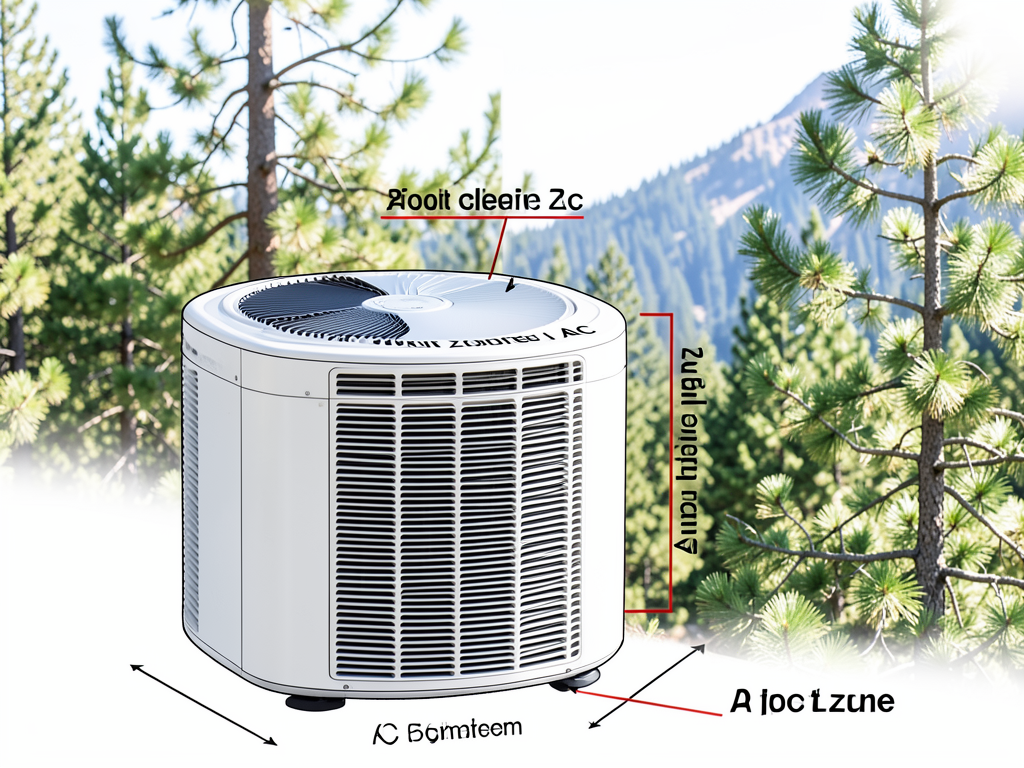
Proper cleaning technique is crucial for protecting your investment. The 2-foot rule is your first line of defense – clear all vegetation, including pine needles, at least 24 inches from all sides of your unit. This clearance allows proper airflow and makes future maintenance much easier.
Start by removing the top fan assembly. Most Genesee homes have units with a removable top cage held in place by four screws. Before removing it, take photos of the wire connections so you can reassemble correctly. The fan motor wires are delicate and can be easily damaged if pulled incorrectly.
Once the top is off, use your Shop-Vac with the crevice tool to vacuum out loose needles from the bottom up. Work slowly and methodically – rushing can push needles deeper between the fins. Pay special attention to corners where needles tend to accumulate in tight clusters.
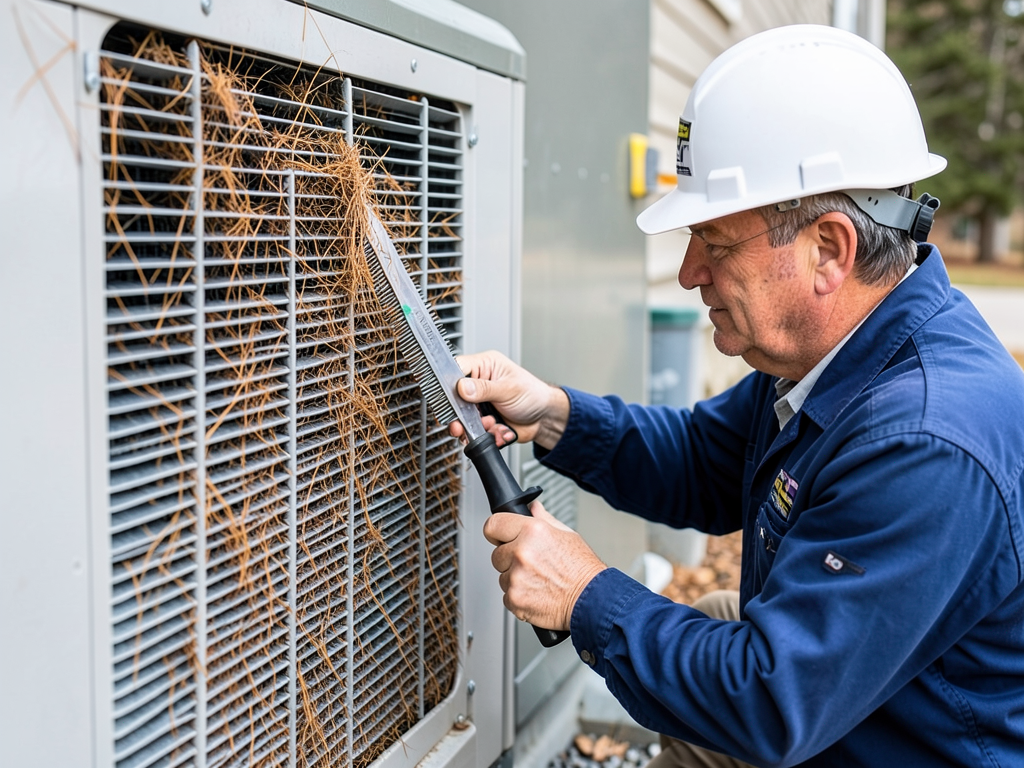
After vacuuming, use the fin comb to straighten any bent fins you encounter. Bent fins restrict airflow just like debris does. Work in straight lines parallel to the coil tubes, never forcing the comb if you hit resistance. If fins are severely damaged, this might be a job for a professional.
Technical diagram showing proper fin comb technique and the 2-foot clearance zone around AC units in mountain environments.
Wet Cleaning vs. Dry Cleaning: Why Vacuum First
Many homeowners make the critical mistake of immediately spraying their AC unit with a garden hose. While water can help with sap removal, spraying before vacuuming creates a bigger mess. Wet pine needles become heavy and sticky, creating a paste that’s even harder to remove from between the fins.
The correct approach is a two-phase process. First, remove all loose debris through vacuuming. This step alone often removes 70-80% of the visible buildup. Only after the unit is free of loose material should you consider wet cleaning for stubborn sap residue.
If you do need to wet clean, use a low-pressure spray rather than a high-pressure nozzle. High-pressure water can bend the delicate aluminum fins or force water into electrical components. Spray at a 45-degree angle to avoid direct impact on the fins, and always spray from the inside out to push debris away from the unit.
For Genesee’s specific pine sap challenges, consider using a biodegradable coil cleaner designed for acidic residues. These products break down the sap without damaging the coil’s protective coating. Apply according to manufacturer instructions, typically letting the solution sit for 5-10 minutes before gentle rinsing.
When to Call a Denver HVAC Professional
While DIY cleaning is valuable maintenance, certain situations require professional expertise. If you notice your AC lines freezing up or the unit cycling on and off rapidly, these are signs of deeper problems that simple cleaning won’t fix. The refrigerant lines should never have ice buildup, even during peak cooling season.
Pine needles that have worked their way deep between the fins often require professional extraction. When needles become embedded in the coil structure, attempting DIY removal can cause more damage than leaving them. Professional technicians use specialized tools and have the experience to clean without damaging your expensive equipment.
Annual professional maintenance becomes especially important for Genesee properties surrounded by mature pine trees. A professional cleaning includes checking refrigerant levels, testing electrical components, and inspecting for early signs of corrosion that homeowners might miss. This preventative approach can extend your AC system’s life by 3-5 years.
Technician using specialized fin straightening tools on a mountain-area AC unit showing signs of pine needle corrosion.
Preventative Maintenance for Mountain AC Units
Prevention is always better than cure when it comes to pine needle accumulation. Strategic landscaping can significantly reduce the debris your AC unit encounters. Consider installing a specialized hail/needle guard over your condenser. These guards feature smaller mesh openings than standard covers, blocking needles while still allowing adequate airflow.
Regular seasonal maintenance schedules are crucial in Genesee’s mountain environment. Schedule professional cleaning in late spring before the heavy cooling season begins, and again in early fall after pine needles have finished dropping. This biannual approach prevents the year-round buildup that can damage your system.
Monitor your energy bills for unexplained increases. A sudden 15-20% jump in cooling costs often indicates airflow restrictions from debris buildup. By the time you notice reduced cooling performance, significant damage may have already occurred to your compressor or coils.
Consider installing a smart thermostat that monitors system performance. These devices can alert you to reduced airflow or unusual cycling patterns that might indicate debris-related problems before they cause system failure.
The Financial Impact of Pine Needle Buildup
Many Genesee homeowners underestimate the cost of neglecting pine needle removal. A condenser coil operating at reduced efficiency due to debris can increase your monthly cooling costs by $30-50 during peak summer months. Over a single cooling season, this adds up to $300-500 in wasted energy.
More concerning is the impact on equipment lifespan. Compressors forced to work harder due to restricted airflow typically fail 2-3 years earlier than properly maintained units. Given that AC compressor replacement costs $1,500-2,500 in the Denver area, this represents a significant financial hit. Repair vs. Replace AC Guide.
Regular maintenance also preserves your system’s SEER rating. A new high-efficiency unit with a 16 SEER rating can degrade to 12-13 SEER when coils are dirty, eliminating the energy savings you paid for when purchasing the system.
Before and after comparison showing airflow improvement after professional pine needle removal from a mountain-area AC unit.
Denver-Specific Tree Considerations
Genesee’s mountain environment features tree species that create unique challenges for AC maintenance. Ponderosa pines, common in the area, produce needles that are 5-10 inches long and contain higher resin content than many other pine species. This resin becomes sticky sap that bonds debris to coils more aggressively than deciduous leaf litter.
Austrian pines, another common species in Denver’s mountain suburbs, have shorter needles but produce more sap per tree. Their dense canopy creates a microclimate around your AC unit that traps moisture and accelerates corrosion. Understanding your specific tree types helps you anticipate and prevent problems.
Seasonal needle drop patterns also vary by species. Ponderosa pines typically drop needles in late spring and early fall, while Austrian pines have more sporadic drop patterns throughout the growing season. This means year-round vigilance is necessary rather than just seasonal cleaning.
Local Building Code Considerations
Denver’s Green Building Ordinance affects how you maintain your AC unit. While the ordinance doesn’t specifically address pine needle removal, it does require proper equipment clearances and prohibits modifications that could reduce system efficiency. Using harsh chemicals or high-pressure washing methods that damage fins could technically violate these efficiency requirements.
Jefferson County, where Genesee is located, has specific requirements for outdoor equipment placement that affect maintenance access. Units must be installed with sufficient clearance for service and cleaning, typically a minimum of 24 inches on all sides. Many older installations don’t meet these standards, making DIY cleaning more difficult.
According to the International Mechanical Code Section 1305.1.1, outdoor HVAC equipment must maintain minimum clearances for service access. If your unit is tucked into a tight space surrounded by pine trees, you might be in violation of these clearance requirements, making professional service more challenging and expensive. International Association of Certified Home Inspectors.
Frequently Asked Questions
How often should I clean pine needles from my AC unit?
Clean your AC unit at least twice yearly – once in late spring before heavy cooling season and again in early fall. If you have multiple pine trees nearby, monthly visual inspections are recommended to catch buildup before it becomes severe.
Can I use a pressure washer to clean my AC unit?
No, pressure washers can damage the delicate aluminum fins and force water into electrical components. Use a low-pressure garden hose only if necessary, and always spray at a 45-degree angle from the inside out.
How do I know if pine needles have damaged my AC coils?
Signs of damage include visible corrosion spots on the fins, refrigerant leaks indicated by oily residue, reduced cooling performance, or unusual noises from the compressor working harder than normal.
Should I cover my AC unit during winter?
Covering your unit can trap moisture and create a perfect environment for corrosion. Instead, maintain the 2-foot clearance zone and consider installing a specialized hail/needle guard that allows airflow while blocking debris.
How much does professional pine needle cleaning cost in Denver?
Professional cleaning typically costs $150-300 depending on the severity of buildup and your specific location. Annual maintenance contracts including cleaning usually run $250-400 per year.
Take Action Before Your AC Fails
Pine needle buildup is a silent killer of AC efficiency, especially in Denver’s mountain suburbs like Genesee. What starts as a minor inconvenience can quickly escalate into expensive repairs or complete system failure during the hottest days of summer when you need cooling most. EPA Energy Star Program.
Don’t wait until your system shows signs of strain. If you’re uncomfortable performing DIY cleaning or if you notice any of the warning signs mentioned above, professional help is just a phone call away. Our Denver-based technicians understand the unique challenges that mountain pine trees create for outdoor AC units.
Call (720) 502-9511 today to schedule your professional AC inspection and cleaning. We’ll ensure your system is ready to handle whatever summer throws at it, protecting your comfort and your wallet from unnecessary energy costs and premature equipment failure.
Pick up the phone and call (720) 502-9511 before the next storm hits. Your AC unit – and your summer comfort – will thank you.
Golden Nugget #4: The EPA’s Energy Star program estimates that dirty condenser coils can increase energy consumption by 30-37%, making regular cleaning one of the most cost-effective energy-saving measures for Denver homeowners.
Golden Nugget #5: Denver’s high altitude (5,280+ feet) means AC units work harder than at sea level due to lower air density, making debris-related efficiency losses even more pronounced than in lower-elevation markets.
{
“@context”: “https://schema.org”,
“@type”: “BlogPosting”,
“headline”: “How to Clear Pine Needles and Sap from Your Outdoor AC Unit in Genesee”,
“description”: “Denver’s mountain suburbs like Genesee face unique pine needle and sap buildup on AC units. Learn safe DIY cleaning methods and when to call a pro at (720) 502-9511.”,
“wordCount”: 2298,
“datePublished”: “2026-06-10T07:07:00.000Z”,
“dateModified”: “2026-06-10T07:07:00.000Z”,
“inLanguage”: “en-US”,
“mainEntityOfPage”: {
“@type”: “WebPage”,
“@id”: “https://fortresshvacdenver.com”
},
“publisher”: {
“@type”: “LocalBusiness”,
“name”: “Fortress HVAC Denver”,
“url”: “https://fortresshvacdenver.com”
},
“author”: {
“@type”: “Organization”,
“name”: “Fortress HVAC Denver”,
“url”: “https://fortresshvacdenver.com”
},
“image”: {
“@type”: “ImageObject”,
“url”: “https://fortresshvacdenver.com/wp-content/uploads/2026/03/how-to-clear-pine-needles-and-sap-from-your-outdoo-1.png”
}
}
{
“@context”: “https://schema.org”,
“@type”: “HVACBusiness”,
“name”: “Fortress HVAC Denver”,
“url”: “https://fortresshvacdenver.com”,
“address”: {
“@type”: “PostalAddress”,
“addressLocality”: “Denver”
},
“areaServed”: {
“@type”: “City”,
“name”: “Denver”
}
}
{
“@context”: “https://schema.org”,
“@type”: “FAQPage”,
“mainEntity”: [
{
“@type”: “Question”,
“name”: “How often should I clean pine needles from my AC unit?”,
“acceptedAnswer”: {
“@type”: “Answer”,
“text”: “Clean your AC unit at least twice yearly – once in late spring before heavy cooling season and again in early fall. If you have multiple pine trees nearby, monthly visual inspections are recommended to catch buildup before it becomes severe.”
}
},
{
“@type”: “Question”,
“name”: “Can I use a pressure washer to clean my AC unit?”,
“acceptedAnswer”: {
“@type”: “Answer”,
“text”: “No, pressure washers can damage the delicate aluminum fins and force water into electrical components. Use a low-pressure garden hose only if necessary, and always spray at a 45-degree angle from the inside out.”
}
},
{
“@type”: “Question”,
“name”: “How do I know if pine needles have damaged my AC coils?”,
“acceptedAnswer”: {
“@type”: “Answer”,
“text”: “Signs of damage include visible corrosion spots on the fins, refrigerant leaks indicated by oily residue, reduced cooling performance, or unusual noises from the compressor working harder than normal.”
}
},
{
“@type”: “Question”,
“name”: “Should I cover my AC unit during winter?”,
“acceptedAnswer”: {
“@type”: “Answer”,
“text”: “Covering your unit can trap moisture and create a perfect environment for corrosion. Instead, maintain the 2-foot clearance zone and consider installing a specialized hail/needle guard that allows airflow while blocking debris.”
}
},
{
“@type”: “Question”,
“name”: “How much does professional pine needle cleaning cost in Denver?”,
“acceptedAnswer”: {
“@type”: “Answer”,
“text”: “Professional cleaning typically costs $150-300 depending on the severity of buildup and your specific location. Annual maintenance contracts including cleaning usually run $250-400 per year.”
}
}
]
}
{
“@context”: “https://schema.org”,
“@type”: “HowTo”,
“name”: “How to Safely Disconnect Your AC Unit”,
“step”: [
{
“@type”: “HowToStep”,
“position”: 1,
“name”: “Locate the Disconnect Box”,
“text”: “Find the gray metal box mounted on the exterior wall near your condenser unit. It’s typically 5-6 feet high for easy access.”
},
{
“@type”: “HowToStep”,
“position”: 2,
“name”: “Turn Off Main Breaker”,
“text”: “Go to your main electrical panel and switch off the breaker labeled \”AC\” or \”Condenser.\””
},
{
“@type”: “HowToStep”,
“position”: 3,
“name”: “Pull the Disconnect Handle”,
“text”: “Open the disconnect box and remove the pull-out handle or flip the internal breaker to \”off.\””
},
{
“@type”: “HowToStep”,
“position”: 4,
“name”: “Test for Power”,
“text”: “Try turning your thermostat to \”cool\” to verify the system won’t start.”
}
],
“image”: “https://fortresshvacdenver.com/wp-content/uploads/2026/03/how-to-clear-pine-needles-and-sap-from-your-outdoo-1.png”
}
{
“@context”: “https://schema.org”,
“@type”: “BreadcrumbList”,
“itemListElement”: [
{
“@type”: “ListItem”,
“position”: 1,
“name”: “Home”,
“item”: “https://fortresshvacdenver.com”
},
{
“@type”: “ListItem”,
“position”: 2,
“name”: “Blog”,
“item”: “https://fortresshvacdenver.com/blog”
},
{
“@type”: “ListItem”,
“position”: 3,
“name”: “How to Clear Pine Needles and Sap from Your Outdoor AC Unit in Genesee”
}
]
}
{
“@context”: “https://schema.org”,
“@type”: “Service”,
“serviceType”: “HVAC”,
“provider”: {
“@type”: “LocalBusiness”,
“name”: “Fortress HVAC Denver”,
“url”: “https://fortresshvacdenver.com”
},
“areaServed”: {
“@type”: “City”,
“name”: “Denver”
},
“description”: “Denver’s mountain suburbs like Genesee face unique pine needle and sap buildup on AC units. Learn safe DIY cleaning methods and when to call a pro at (720) 502-9511.”
}