
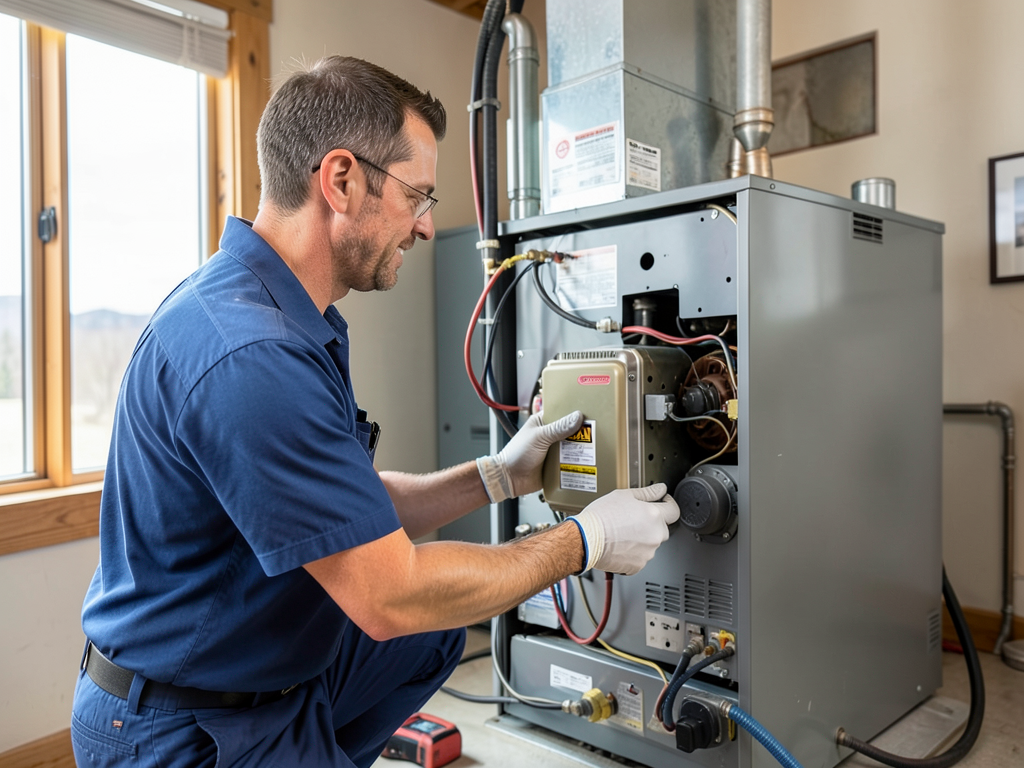
Simple Ways to Lower Your High Xcel Energy Bills This Winter
Denver’s winter brings freezing temperatures and heavy snowfall that push your heating system into overdrive. With Xcel Energy’s recent rate increases taking effect this season, many homeowners are seeing utility bills jump by 15-20% compared to last year. The good news is that simple changes can cut those costs significantly while keeping your home comfortable through the coldest months. Xcel Energy rebates.
High altitude and low humidity in the Denver metro area mean your furnace works harder than it would at sea level. The thin air reduces heat retention in your home, and the dry climate makes 68°F feel more like 64°F. These local conditions create unique challenges that generic energy-saving advice doesn’t address. Emergency Furnace Repair for Denver Residents Dealing with a Frozen House.
Quick DIY Fixes That Cut Heating Costs
Before calling a technician, several easy adjustments can reduce your energy consumption immediately. These fixes take less than an hour but can save you $50-100 per month during winter.
Seal Air Leaks Around Windows and Doors
Most Denver homes lose 25-30% of their heat through drafts. Walk around your home with a lit incense stick or thermal leak detector near windows, doors, and electrical outlets. You’ll see smoke waver where cold air enters. Apply weatherstripping to movable joints and caulk stationary cracks. Focus on north-facing walls where winter winds hit hardest.
Maximize Sun Loading on South-Facing Windows
Denver gets over 300 sunny days annually, and winter sun angles are lower. Open south-facing blinds during daylight hours to let solar heat warm your rooms naturally. Close them at sunset to trap that heat inside. This passive solar gain can reduce furnace runtime by 10-15% on sunny days.
Adjust Your Thermostat Strategically
Denver’s diurnal temperature swings mean nights get much colder than days. Program your thermostat to lower by 7-10°F when you’re asleep or away. Each degree you lower saves about 3% on heating costs. Smart thermostats learn your schedule and adjust automatically, often paying for themselves within one winter.. Read more about Is a Dual Fuel Heating System Worth the Investment for Your Parker Home?.
Control Humidity Levels
Denver’s relative humidity often drops below 20% in winter, making your home feel colder than it is. Adding humidity to 30-40% range makes 68°F feel like 72°F. Whole-house humidifiers integrated with your furnace provide the most consistent results, but portable units work for single rooms.. Read more about How to Decide Between a Heat Pump and a Gas Furnace in Denver’s Climate.
Professional HVAC Maintenance for Maximum Efficiency
Professional maintenance prevents the most common causes of high energy bills. A dirty furnace filter alone can increase energy use by 15% while reducing airflow and comfort.. Read more about Common Reasons Your Littleton Furnace Is Blowing Cold Air.
Replace Filters More Frequently in Denver
Denver’s dry, dusty air clogs filters faster than coastal areas. Replace 1-inch filters every 30-45 days instead of the standard 90 days. High-efficiency pleated filters catch more particles but restrict airflow if not changed regularly. Consider upgrading to a 4-5 inch media filter that lasts 6-12 months. Repair vs. Replace AC Guide.
Calibrate Your Blower Motor
Incorrect blower motor speed wastes energy and reduces comfort. Many Denver homes run blowers at 100% speed constantly, using excess electricity. Modern variable-speed motors adjust automatically and use 75% less power while providing better airflow distribution.
Check Heat Exchanger for Cracks
Denver’s temperature swings cause metal fatigue in heat exchangers. A cracked exchanger not only wastes energy but can release carbon monoxide. Professional inspection includes checking for flame rollout and proper venting, critical at Denver’s high altitude where combustion air is thinner.
Clean and Inspect Ductwork
Leaky ducts in unconditioned spaces like attics and crawl spaces waste 20-30% of heated air. Professional duct sealing with mastic compound or aeroseal technology can recover those losses. Denver’s expansive clay soil shifts foundations seasonally, often misaligning duct connections.
Local Rebates and Financial Incentives
Xcel Energy and Colorado state programs offer substantial rebates for efficiency upgrades. These incentives change annually, so current 2026 programs provide the best returns. Colorado State tax credits.
Xcel Energy Rebates for Denver Homes
Xcel Energy’s Home Energy Squad program offers free or discounted energy audits for Denver residents. They provide instant rebates on LED bulbs, smart thermostats, and low-flow fixtures. The Home Energy Audit rebate covers up to $200 of professional assessment costs.. Read more about How to Tell If Your Thermostat Is Broken or Your Furnace Is Dying (Belmar Resident Guide).
For major HVAC upgrades, Xcel offers rebates of $300-600 for high-efficiency furnaces with 95+ AFUE ratings. Heat pump installations qualify for $1,000-2,000 depending on system size and efficiency. These rebates apply to both natural gas and electric systems.. Read more about Choosing the Quietest HVAC Systems for Narrow Lots in LoHi.
Colorado State Tax Credits
Colorado’s Energy Office provides tax credits for heat pump installations through 2026. Credits cover 10% of installation costs up to $500 for air-source heat pumps. Ground-source heat pumps qualify for larger credits due to higher installation costs.. Read more about Fixing Hot and Cold Spots in Large Cherry Hills Village Estates with HVAC Zoning.
The state’s Clean Energy Fund offers zero-interest loans for energy efficiency improvements, including HVAC upgrades. Loan amounts up to $20,000 with terms up to 10 years make premium systems affordable.
Federal IRA Incentives
The Inflation Reduction Act extends tax credits for energy efficiency through 2032. Homeowners can claim 30% of heat pump installation costs, up to $2,000. High-efficiency furnaces qualify for smaller credits but still provide meaningful savings.
Denver residents should consult tax professionals about stacking multiple incentives. Many qualify for Xcel rebates, state credits, and federal tax breaks simultaneously, potentially covering 50% or more of upgrade costs.. Read more about Why You Should Consider a Garage Heater for Your Workshop in Lone Tree.
Long-Term Weatherization Strategies
Weatherization provides the highest return on investment for Denver homes. The city’s Building Code requires R-49 attic insulation for new construction, but many older homes have only R-19 or less.
Upgrade Attic Insulation to Zone 5 Standards
Denver sits in Energy Star’s Zone 5 climate region. Current code requires R-49 to R-60 insulation in attics, depending on roof type. Adding blown-in cellulose or fiberglass to reach these levels can reduce heating costs by 20-30%.
Attic access hatches often leak more heat than the entire attic floor. Install an insulated cover or weatherstripped door to seal this common weak point.
Seal Rim Joists and Crawl Spaces
Many Denver homes have crawl spaces or basements with uninsulated rim joists. These areas account for significant heat loss and can create cold floors. Spray foam insulation seals air leaks while adding R-13 to R-20 insulation value.
Crawl space encapsulation with vapor barriers prevents moisture issues common in Denver’s freeze-thaw cycles. Proper drainage and sump pumps protect against spring snowmelt infiltration.. Read more about Can You Safely Use Smart Vents to Control Temperature in Your Baker District Victorian?.
Upgrade Windows for Denver’s Climate
Single-pane windows lose 10-15 times more heat than modern double-pane units. Denver’s high UV exposure also fades furniture and carpets. Low-E coated windows reflect heat back into rooms while blocking UV radiation.
Window replacement costs $300-800 per unit but qualifies for energy efficiency tax credits. Storm windows provide a lower-cost alternative, adding an insulating air gap for about $100-200 per window.
Heat Pump Technology for Colorado Winters
Heat pumps have evolved significantly for cold climates. Modern cold-climate heat pumps operate efficiently at temperatures as low as -13°F, making them viable for Denver’s winter conditions.. Read more about How to Fix Uneven Temperatures Between Floors in Your Park Hill Tudor.
Performance at Denver’s Altitude
Heat pump efficiency decreases about 2% per 1,000 feet of elevation due to thinner air. Denver’s 5,280-foot elevation means units lose roughly 10% capacity compared to sea-level ratings. However, improved compressor technology and variable-speed operation compensate for this loss.
Dual-fuel systems combine heat pumps with gas furnaces, automatically switching based on outdoor temperatures. These provide the best efficiency in Denver’s climate, using electric heat when temperatures are moderate and gas when it’s extremely cold.
Installation Considerations
Heat pump outdoor units need proper clearance from snow accumulation. Install on elevated pads or wall brackets to prevent snow burial. Defrost cycles use energy but are necessary for maintaining efficiency in freezing conditions.
Ductless mini-split heat pumps work well for room additions or homes without ductwork. These systems avoid duct losses while providing zoned temperature control. Ductless Mini Split Installation for Older Homes in The Highlands.
Smart Home Integration
Smart technology optimizes energy use without sacrificing comfort. Modern systems learn occupancy patterns and adjust automatically.
Wi-Fi Thermostats with Weather Compensation
Smart thermostats with Denver weather data adjust heating schedules based on forecasts. They pre-heat homes before cold fronts arrive and reduce heating when warm spells are predicted. Integration with utility programs can provide additional rebates for allowing slight temperature adjustments during peak demand periods.
Energy Monitoring Systems
Whole-home energy monitors track HVAC usage patterns and identify waste. These systems show which appliances consume the most power and suggest optimization strategies. Many Denver homeowners discover their second refrigerator or old dehumidifier costs more to operate than they realized.
Emergency Preparedness for Winter Storms
Denver’s winter storms can knock out power for days. Preparing your home prevents frozen pipes and maintains basic comfort during outages.
Backup Power Options
Portable generators keep essential systems running during outages. Calculate your critical loads: furnace (400-800 watts), refrigerator (100-200 watts), and a few lights (50-100 watts). A 2,000-3,000 watt generator handles these basics.
Whole-house standby generators automatically start when power fails. These systems cost $5,000-15,000 installed but provide complete protection. Natural gas models work best in Denver where winter storms can last several days.
Emergency Heating Sources
Ventless propane heaters provide backup heat without electricity. These units produce 10,000-30,000 BTU and can warm a room during outages. Always maintain proper ventilation and install carbon monoxide detectors when using any combustion heating.
Electric space heaters work if you have a generator or battery backup. Modern ceramic heaters are safer and more efficient than older models. Never use outdoor equipment like camp stoves or grills indoors due to carbon monoxide risks.
Comparing Heating System Options
Different heating systems have varying efficiency levels and costs. Your choice depends on home size, insulation levels, and budget constraints.
| System Type | Efficiency | Installation Cost | Annual Operating Cost |
|---|---|---|---|
| 80% AFUE Gas Furnace | 80% | $3,500-5,000 | $800-1,200 |
| 96% AFUE Gas Furnace | 96% | $5,000-7,500 | $650-950 |
| Air-Source Heat Pump | 300-400% (COP 3-4) | $8,000-15,000 | $400-700 |
| Dual-Fuel System | 200-300% (average) | $10,000-18,000 | $500-800 |
Professional Energy Audit Benefits
A professional energy audit identifies specific waste sources in your home. Certified auditors use blower door tests, infrared cameras, and combustion analyzers to pinpoint problems.
The audit process typically takes 2-4 hours and costs $200-400, often rebated by utilities. Results include prioritized recommendations with payback periods for each improvement. Many homeowners find that fixing the top three issues recovers the audit cost within one heating season.
Seasonal Maintenance Schedule
Following a seasonal maintenance schedule prevents costly breakdowns and maintains efficiency throughout winter.. Read more about Local HVAC Maintenance Plans That Actually Save You Money in Centennial.
- Fall Preparation – Schedule professional furnace tune-up before cold weather arrives. Technicians check heat exchangers, clean burners, and calibrate controls.
- Monthly Checks – Inspect and replace air filters. Check thermostat batteries and programming.
- Winter Monitoring – Watch for uneven heating, unusual noises, or increased energy bills which indicate developing problems.
- Spring Assessment – Evaluate system performance and consider upgrades while planning summer projects.
Common Mistakes That Increase Bills
Several common practices actually increase heating costs rather than reducing them.
- Closing vents in unused rooms – This increases pressure in ductwork, causing leaks and reducing overall efficiency.
- Using exhaust fans excessively – Bathroom and kitchen fans remove heated air, forcing your furnace to work harder.
- Neglecting maintenance – Dirty filters and coils reduce efficiency by 10-30%.
- Ignoring duct leaks – Unsealed ducts waste 20-30% of heated air.
- Setting thermostat too high – Each degree above 68°F increases energy use by 3-5%.
Call (720) 502-9511 for Your Energy Audit
Ready to start saving on your Xcel Energy bills this winter? Our certified technicians can identify exactly where your home is losing energy and recommend cost-effective solutions. We serve all Denver neighborhoods including Capitol Hill, Cherry Creek, and Highlands with same-day service available.
Don’t wait until your furnace fails during a cold snap. Call (720) 502-9511 today to schedule your comprehensive energy audit. Our team will show you exactly how much you can save with targeted improvements and help you qualify for all available rebates.
Pick up the phone and call (720) 502-9511 before the next storm hits. Your comfort and your wallet will thank you.
Frequently Asked Questions
How much can I really save on my heating bill?
Most Denver homeowners save 15-30% on heating costs by implementing the strategies in this guide. Homes with major issues like duct leaks or inadequate insulation can save 40% or more.
Are heat pumps worth it in Denver’s cold climate?
Yes. Modern cold-climate heat pumps work efficiently down to -13°F. When paired with a gas furnace for extreme cold, they provide the best overall efficiency and lowest operating costs.
How often should I replace my furnace filter?
In Denver’s dry, dusty climate, replace 1-inch filters every 30-45 days. Thicker 4-5 inch media filters last 6-12 months but cost more initially.
What’s the most cost-effective improvement I can make?
Sealing air leaks typically provides the fastest payback. Professional duct sealing and attic insulation also offer excellent returns, often recovering costs within 2-3 heating seasons.
Do I need a professional for energy improvements?
Some tasks like changing filters and sealing minor leaks are DIY-friendly. However, professional installation of insulation, duct sealing, and HVAC systems ensures safety, code compliance, and warranty protection.
How do I qualify for Xcel Energy rebates?
Most rebates require installation by a certified contractor and submission of proof of purchase. We handle all rebate paperwork as part of our installation services, making the process simple for you. Fast AC Repair Services in Aurora for When the Summer Heat Hits.
{
“@context”: “https://schema.org”,
“@type”: “BlogPosting”,
“headline”: “Simple Ways to Lower Your High Xcel Energy Bills This Winter”,
“description”: “Cut your Xcel Energy bills this winter with Denver-specific tips. Learn about local rebates, high-efficiency furnaces, and weatherization strategies that actually work.”,
“wordCount”: 2204,
“datePublished”: “2026-03-07T15:02:00.000Z”,
“dateModified”: “2026-03-07T15:02:00.000Z”,
“inLanguage”: “en-US”,
“mainEntityOfPage”: {
“@type”: “WebPage”,
“@id”: “https://fortresshvacdenver.com”
},
“publisher”: {
“@type”: “LocalBusiness”,
“name”: “Fortress HVAC Denver”,
“url”: “https://fortresshvacdenver.com”
},
“author”: {
“@type”: “Organization”,
“name”: “Fortress HVAC Denver”,
“url”: “https://fortresshvacdenver.com”
},
“image”: {
“@type”: “ImageObject”,
“url”: “https://fortresshvacdenver.com/wp-content/uploads/2026/03/simple-ways-to-lower-your-high-xcel-energy-bills-t-1.png”
}
}
{
“@context”: “https://schema.org”,
“@type”: “HVACBusiness”,
“name”: “Fortress HVAC Denver”,
“url”: “https://fortresshvacdenver.com”,
“address”: {
“@type”: “PostalAddress”,
“addressLocality”: “Denver”
},
“areaServed”: {
“@type”: “City”,
“name”: “Denver”
}
}
{
“@context”: “https://schema.org”,
“@type”: “FAQPage”,
“mainEntity”: [
{
“@type”: “Question”,
“name”: “How much can I really save on my heating bill?”,
“acceptedAnswer”: {
“@type”: “Answer”,
“text”: “Most Denver homeowners save 15-30% on heating costs by implementing the strategies in this guide. Homes with major issues like duct leaks or inadequate insulation can save 40% or more.”
}
},
{
“@type”: “Question”,
“name”: “Are heat pumps worth it in Denver’s cold climate?”,
“acceptedAnswer”: {
“@type”: “Answer”,
“text”: “Yes. Modern cold-climate heat pumps work efficiently down to -13°F. When paired with a gas furnace for extreme cold, they provide the best overall efficiency and lowest operating costs.”
}
},
{
“@type”: “Question”,
“name”: “How often should I replace my furnace filter?”,
“acceptedAnswer”: {
“@type”: “Answer”,
“text”: “In Denver’s dry, dusty climate, replace 1-inch filters every 30-45 days. Thicker 4-5 inch media filters last 6-12 months but cost more initially.”
}
},
{
“@type”: “Question”,
“name”: “What’s the most cost-effective improvement I can make?”,
“acceptedAnswer”: {
“@type”: “Answer”,
“text”: “Sealing air leaks typically provides the fastest payback. Professional duct sealing and attic insulation also offer excellent returns, often recovering costs within 2-3 heating seasons.”
}
},
{
“@type”: “Question”,
“name”: “Do I need a professional for energy improvements?”,
“acceptedAnswer”: {
“@type”: “Answer”,
“text”: “Some tasks like changing filters and sealing minor leaks are DIY-friendly. However, professional installation of insulation, duct sealing, and HVAC systems ensures safety, code compliance, and warranty protection.”
}
},
{
“@type”: “Question”,
“name”: “How do I qualify for Xcel Energy rebates?”,
“acceptedAnswer”: {
“@type”: “Answer”,
“text”: “Most rebates require installation by a certified contractor and submission of proof of purchase. We handle all rebate paperwork as part of our installation services, making the process simple for you. Fast AC Repair Services in Aurora for When the Summer Heat Hits.”
}
}
]
}
{
“@context”: “https://schema.org”,
“@type”: “BreadcrumbList”,
“itemListElement”: [
{
“@type”: “ListItem”,
“position”: 1,
“name”: “Home”,
“item”: “https://fortresshvacdenver.com”
},
{
“@type”: “ListItem”,
“position”: 2,
“name”: “Blog”,
“item”: “https://fortresshvacdenver.com/blog”
},
{
“@type”: “ListItem”,
“position”: 3,
“name”: “Simple Ways to Lower Your High Xcel Energy Bills This Winter”
}
]
}
{
“@context”: “https://schema.org”,
“@type”: “Service”,
“serviceType”: “HVAC”,
“provider”: {
“@type”: “LocalBusiness”,
“name”: “Fortress HVAC Denver”,
“url”: “https://fortresshvacdenver.com”
},
“areaServed”: {
“@type”: “City”,
“name”: “Denver”
},
“description”: “Cut your Xcel Energy bills this winter with Denver-specific tips. Learn about local rebates, high-efficiency furnaces, and weatherization strategies that actually work.”
}