
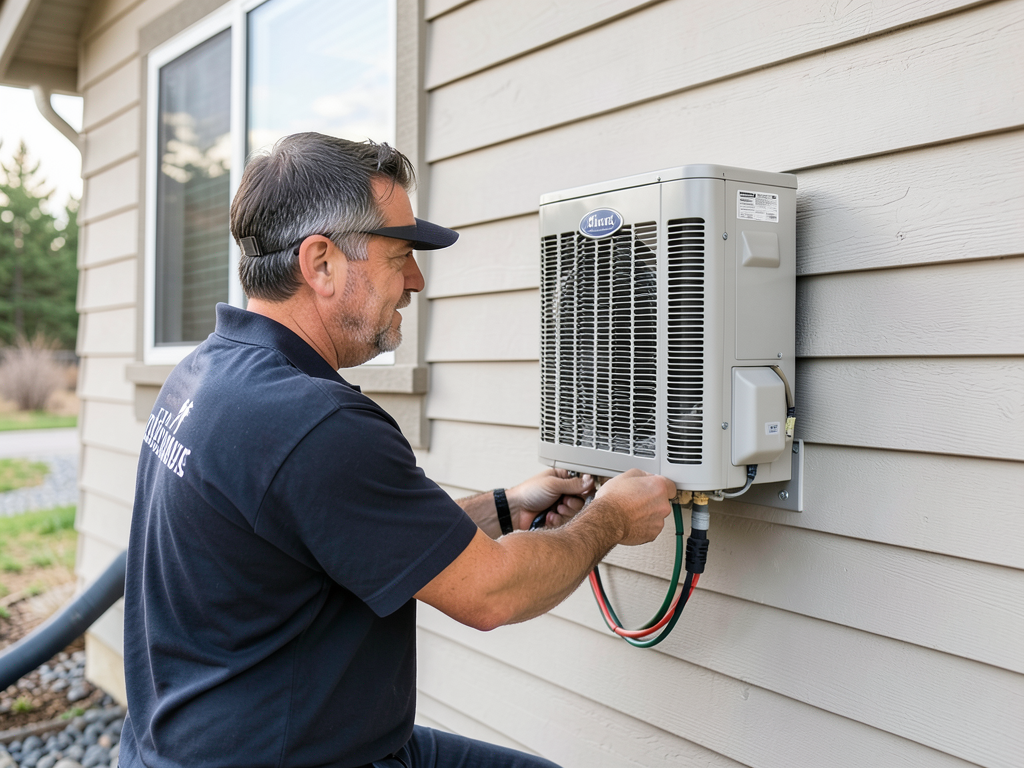
How to Decide Between a Heat Pump and a Gas Furnace in Denver’s Climate
Denver homeowners face a critical heating decision as winter temperatures drop to -10°F and energy prices fluctuate. The choice between a heat pump and a gas furnace impacts your comfort, utility bills, and home value for the next 15-20 years. This guide breaks down the technical performance, cost analysis, and local incentives to help you make the right call for your Denver home. Emergency Furnace Repair for Denver Residents Dealing with a Frozen House.
Denver’s Unique Climate Challenges for Heating Systems
Denver’s high-altitude environment creates specific performance demands that many out-of-state HVAC guides overlook. At 5,280 feet above sea level, the thin air affects combustion efficiency and heat pump operation differently than at sea level.. Read more about How High Altitude Affects Your Furnace Performance and What to Check.
The Front Range experiences extreme temperature swings where morning lows can reach -15°F during arctic outbreaks, while afternoon highs climb to 50°F. This 65-degree daily swing means your heating system must handle both intense cold snaps and rapid warm-ups.. Read more about Pros and Cons of Radiant Floor Heating for Renovated Homes in Congress Park.
Denver’s semi-arid climate with humidity levels often below 20% creates additional challenges. Low humidity makes cold air feel more intense and can cause static electricity buildup that affects electronic furnace controls.. Read more about What to Do When Your Furnace Makes a Loud Banging Noise (Wheat Ridge Troubleshooting).
Technical Performance Comparison: Heat Pumps vs. Gas Furnaces
Modern heat pumps use Cold Climate Heat Pump (CCHP) technology that maintains efficiency down to -15°F, while traditional gas furnaces operate consistently regardless of outdoor temperature.. Read more about Tips for Protecting Your Outdoor AC Unit from Cottonwood and Hail in Denver.
Heat pumps extract heat from outdoor air using refrigerant cycles. At 47°F, a typical heat pump achieves a Coefficient of Performance (COP) of 3.0, meaning it delivers three units of heat for every unit of electricity consumed. At 17°F, efficiency drops to COP 2.0, and at -4°F, it falls to COP 1.5.
Gas furnaces burn natural gas to create heat directly. A 95% efficient furnace converts 95% of fuel energy into heat, with 5% lost through exhaust. At Denver’s altitude, combustion efficiency drops approximately 4% due to thinner air, requiring proper derating calculations.
The critical performance difference emerges during extreme cold. When temperatures fall below 20°F, heat pumps must use electric resistance backup, which operates at COP 1.0—the same efficiency as electric space heaters.
Cost Analysis: Upfront Investment vs. Operating Expenses
Initial installation costs vary significantly between systems. A standard 80,000 BTU gas furnace with installation ranges from $4,500 to $7,000. A heat pump system with similar heating capacity costs $8,000 to $12,000, including the outdoor unit and indoor air handler.. Read more about Choosing the Quietest HVAC Systems for Narrow Lots in LoHi.
Operating costs depend on local utility rates. Xcel Energy’s natural gas rates in Denver average $0.90 per therm, while electricity costs $0.13 per kilowatt-hour. A gas furnace consuming 80 therms per month during winter costs approximately $72 in fuel. Xcel Energy rebate programs.
A heat pump using 1,500 kWh per month at similar heating output costs $195 in electricity. However, heat pumps also provide air conditioning, potentially eliminating the need for a separate AC unit that costs $3,000 to $5,000 to install.
Maintenance requirements differ significantly. Gas furnaces need annual cleaning and inspection ($150-200), while heat pumps require bi-annual service ($200-300) to maintain efficiency and check refrigerant levels.
Denver’s Heat Pump Rebate Programs and Tax Incentives
Xcel Energy offers substantial rebates for heat pump installations in 2026. The Colorado Heat Pump Rebate Program provides up to $2,000 for qualifying air-source heat pumps with HSPF2 ratings above 8.5.
The Federal 25C Tax Credit under the Inflation Reduction Act covers 30% of installation costs up to $2,000 for qualifying heat pumps. This credit applies to both purchase and installation labor. Federal 25C Tax Credit.
Colorado Senate Bill 23-016 creates additional state tax credits for heat pumps, offering up to $1,000 for systems installed in single-family homes. These credits stack with federal incentives, potentially reducing your net cost by $4,000 to $5,000.
Local utilities also offer time-of-use rates that benefit heat pump owners. Xcel Energy’s Time of Use (TOU) plan charges lower rates during off-peak hours, allowing strategic operation when electricity costs drop below $0.08 per kWh.
The Hybrid Solution: Dual-Fuel Systems for Denver Homes
Dual-fuel systems combine a heat pump with a gas furnace backup, automatically switching based on outdoor temperature and utility costs. This approach leverages heat pump efficiency during mild weather while maintaining gas furnace reliability during extreme cold.
The system typically switches from heat pump to gas furnace when outdoor temperatures fall below 35°F. At this point, heat pump efficiency begins declining rapidly, while gas furnaces maintain consistent performance.
Installation costs for dual-fuel systems range from $12,000 to $16,000, but the combined rebates often exceed those for single-system installations. The automatic switching also eliminates manual thermostat changes between seasons.
Hybrid systems provide the best long-term value for Denver homes, offering heat pump cooling in summer, efficient heating in spring and fall, and reliable gas backup during arctic outbreaks.
Making the Right Choice for Your Denver Home
Your decision depends on several factors specific to your situation. Home age and insulation quality significantly impact system performance requirements. Older homes with poor insulation may need oversized systems that reduce efficiency.
Calculate your heating load using Manual J calculations. A typical 2,000-square-foot Denver home requires 60,000 to 80,000 BTUs of heating capacity. Undersized systems run constantly during cold snaps, while oversized units cycle frequently, reducing efficiency and comfort.
Consider your energy priorities. If reducing carbon footprint matters most, heat pumps powered by Colorado’s increasingly renewable grid produce fewer emissions than gas furnaces. If lowest operating cost is the priority, current natural gas prices favor gas furnaces.. Read more about Signs Your Five Points Home Has a Carbon Monoxide Leak (And How to Stay Safe).
Evaluate your home’s electrical infrastructure. Heat pumps require 240-volt circuits and may need electrical panel upgrades costing $1,500 to $3,000 if your panel lacks capacity.
Installation Quality and Local Expertise Matter
Proper installation determines system performance more than equipment brand. Heat pumps require precise refrigerant charging and airflow balancing that inexperienced contractors often overlook. Commercial HVAC Contractors.
Denver’s altitude affects combustion air calculations for gas furnaces. Installers must derate input ratings by approximately 4% and ensure proper venting through roof penetrations that handle heavy snow loads.
Local building codes require mechanical permits and inspections for heating system replacements. Denver’s Green Building Ordinance mandates efficiency standards that may affect your system choices for new installations. Repair vs. Replace AC Guide.
Ask contractors about their experience with Cold Climate Heat Pumps specifically. Many HVAC companies lack training on the latest CCHP technology and may recommend oversized gas furnaces instead of properly sized heat pump systems.. Read more about Everything You Need to Know About Adding Heating and Cooling to a New Denver ADU.
Performance in Real Denver Conditions
During Denver’s record December 2022 cold snap, outdoor temperatures remained below 10°F for seven consecutive days. Heat pumps with electric backup maintained indoor temperatures above 68°F, though electricity consumption spiked dramatically.
Gas furnaces operated consistently during this period but experienced higher than normal cycling due to the extreme temperature differential between indoor and outdoor environments.
Heat pumps provide superior dehumidification during summer months, removing 10-15% more moisture from indoor air than standard air conditioners. This benefit proves valuable in Denver’s monsoon season when humidity levels temporarily rise.
The noise factor differs between systems. Modern heat pumps operate at 50-60 decibels, similar to a refrigerator, while gas furnaces produce noise primarily during ignition and burner operation, typically 40-50 decibels.
Long-Term Value and Home Resale Considerations
Heat pumps increase home value more than gas furnaces due to their dual heating and cooling capability. Appraisers typically add $3,000 to $5,000 to home values for heat pump installations compared to standard AC systems.
Energy efficiency ratings affect resale marketability. Homes with high-efficiency systems (SEER2 above 16, HSPF2 above 8.5) attract environmentally conscious buyers willing to pay premium prices for lower utility costs.
Future energy trends favor electrification. Colorado’s Renewable Energy Standard requires 100% clean electricity by 2040, making heat pumps increasingly environmentally favorable as the grid becomes greener.
Insurance considerations may influence your decision. Some insurers offer premium discounts for homes with modern, high-efficiency heating systems due to reduced fire risk and improved safety features.
Frequently Asked Questions
Do heat pumps work in Denver’s extreme cold?
Yes, modern Cold Climate Heat Pumps maintain efficiency down to -15°F. Below this temperature, electric resistance backup activates automatically. Most Denver homeowners never experience temperatures cold enough to trigger backup mode during typical winters.
How long do heat pumps and gas furnaces last in Denver?
Heat pumps typically last 12-15 years with proper maintenance. Gas furnaces often operate 15-20 years. Denver’s dry air and temperature extremes can reduce lifespan by 2-3 years compared to milder climates.
Can I install a heat pump if I don’t have air conditioning?
Absolutely. Heat pumps replace both your furnace and air conditioner, providing year-round comfort. The installation includes both heating and cooling capabilities, eliminating the need for separate systems.
Ready to Make Your Decision?
The right heating system depends on your home’s specific needs, your energy priorities, and your budget. A professional load calculation and utility rate analysis can reveal which option saves you the most money over the system’s lifetime.
Call (720) 502-9511 today to schedule your free consultation. Our NATE-certified technicians will evaluate your home’s heating requirements and provide a detailed comparison of heat pump and gas furnace options with current rebate pricing.
Don’t wait until the next cold snap leaves you shivering. Contact us now to explore your heating options and take advantage of 2026 rebate programs before they change.
Pick up the phone and call (720) 502-9511 before the next storm hits. Your comfort and energy savings are just one call away.
{
“@context”: “https://schema.org”,
“@type”: “BlogPosting”,
“headline”: “How to Decide Between a Heat Pump and a Gas Furnace in Denver’s Climate”,
“description”: “Comparing heat pumps and gas furnaces for Denver homes in 2026. Learn about efficiency, costs, rebates, and cold-weather performance from local HVAC experts.”,
“wordCount”: 1565,
“datePublished”: “2026-03-03T13:58:00.000Z”,
“dateModified”: “2026-03-03T13:58:00.000Z”,
“inLanguage”: “en-US”,
“mainEntityOfPage”: {
“@type”: “WebPage”,
“@id”: “https://fortresshvacdenver.com”
},
“publisher”: {
“@type”: “LocalBusiness”,
“name”: “Fortress HVAC Denver”,
“url”: “https://fortresshvacdenver.com”
},
“author”: {
“@type”: “Organization”,
“name”: “Fortress HVAC Denver”,
“url”: “https://fortresshvacdenver.com”
},
“image”: {
“@type”: “ImageObject”,
“url”: “https://fortresshvacdenver.com/wp-content/uploads/2026/03/how-to-decide-between-a-heat-pump-and-a-gas-furnac-1.png”
}
}
{
“@context”: “https://schema.org”,
“@type”: “HVACBusiness”,
“name”: “Fortress HVAC Denver”,
“url”: “https://fortresshvacdenver.com”,
“address”: {
“@type”: “PostalAddress”,
“addressLocality”: “Denver”
},
“areaServed”: {
“@type”: “City”,
“name”: “Denver”
}
}
{
“@context”: “https://schema.org”,
“@type”: “FAQPage”,
“mainEntity”: [
{
“@type”: “Question”,
“name”: “Do heat pumps work in Denver’s extreme cold?”,
“acceptedAnswer”: {
“@type”: “Answer”,
“text”: “Yes, modern Cold Climate Heat Pumps maintain efficiency down to -15°F. Below this temperature, electric resistance backup activates automatically. Most Denver homeowners never experience temperatures cold enough to trigger backup mode during typical winters.”
}
},
{
“@type”: “Question”,
“name”: “How long do heat pumps and gas furnaces last in Denver?”,
“acceptedAnswer”: {
“@type”: “Answer”,
“text”: “Heat pumps typically last 12-15 years with proper maintenance. Gas furnaces often operate 15-20 years. Denver’s dry air and temperature extremes can reduce lifespan by 2-3 years compared to milder climates.”
}
},
{
“@type”: “Question”,
“name”: “Can I install a heat pump if I don’t have air conditioning?”,
“acceptedAnswer”: {
“@type”: “Answer”,
“text”: “Absolutely. Heat pumps replace both your furnace and air conditioner, providing year-round comfort. The installation includes both heating and cooling capabilities, eliminating the need for separate systems.”
}
},
{
“@type”: “Question”,
“name”: “Ready to Make Your Decision?”,
“acceptedAnswer”: {
“@type”: “Answer”,
“text”: “The right heating system depends on your home’s specific needs, your energy priorities, and your budget. A professional load calculation and utility rate analysis can reveal which option saves you the most money over the system’s lifetime.”
}
}
]
}
{
“@context”: “https://schema.org”,
“@type”: “BreadcrumbList”,
“itemListElement”: [
{
“@type”: “ListItem”,
“position”: 1,
“name”: “Home”,
“item”: “https://fortresshvacdenver.com”
},
{
“@type”: “ListItem”,
“position”: 2,
“name”: “Blog”,
“item”: “https://fortresshvacdenver.com/blog”
},
{
“@type”: “ListItem”,
“position”: 3,
“name”: “How to Decide Between a Heat Pump and a Gas Furnace in Denver’s Climate”
}
]
}
{
“@context”: “https://schema.org”,
“@type”: “Service”,
“serviceType”: “HVAC”,
“provider”: {
“@type”: “LocalBusiness”,
“name”: “Fortress HVAC Denver”,
“url”: “https://fortresshvacdenver.com”
},
“areaServed”: {
“@type”: “City”,
“name”: “Denver”
},
“description”: “Comparing heat pumps and gas furnaces for Denver homes in 2026. Learn about efficiency, costs, rebates, and cold-weather performance from local HVAC experts.”
}