
Is a Dual Fuel Heating System Worth the Investment for Your Parker Home?
Dual fuel heating systems combine a high-efficiency heat pump with a natural gas furnace to deliver year-round comfort while optimizing energy costs. In Parker’s high-desert climate with extreme temperature swings, this hybrid approach automatically switches between electric and gas heat depending on outdoor conditions. The system uses the heat pump for mild weather and transitions to the gas furnace when temperatures drop below the balance point, typically around 35-40°F. This technology has gained significant traction among Denver metro homeowners seeking to reduce utility bills while maintaining reliable warmth during our coldest winter nights. Energy Star heat pump efficiency ratings.
How a Dual Fuel System Works in Denver’s Climate
Denver’s semi-arid high-desert climate creates unique challenges for heating systems. Our region experiences dramatic diurnal temperature swings where daytime highs can reach 50-60°F while nighttime temperatures plummet below freezing. A dual fuel system addresses this variability through intelligent switching technology. The heat pump operates efficiently during shoulder seasons when temperatures hover between 40-50°F, extracting heat from outdoor air even in cold conditions. When outdoor temperatures fall below the pre-set balance point, the system automatically transitions to the gas furnace, which provides powerful heat regardless of how cold it gets outside. This seamless transition happens without homeowner intervention and ensures optimal efficiency throughout the year. Emergency Furnace Repair for Denver Residents Dealing with a Frozen House.
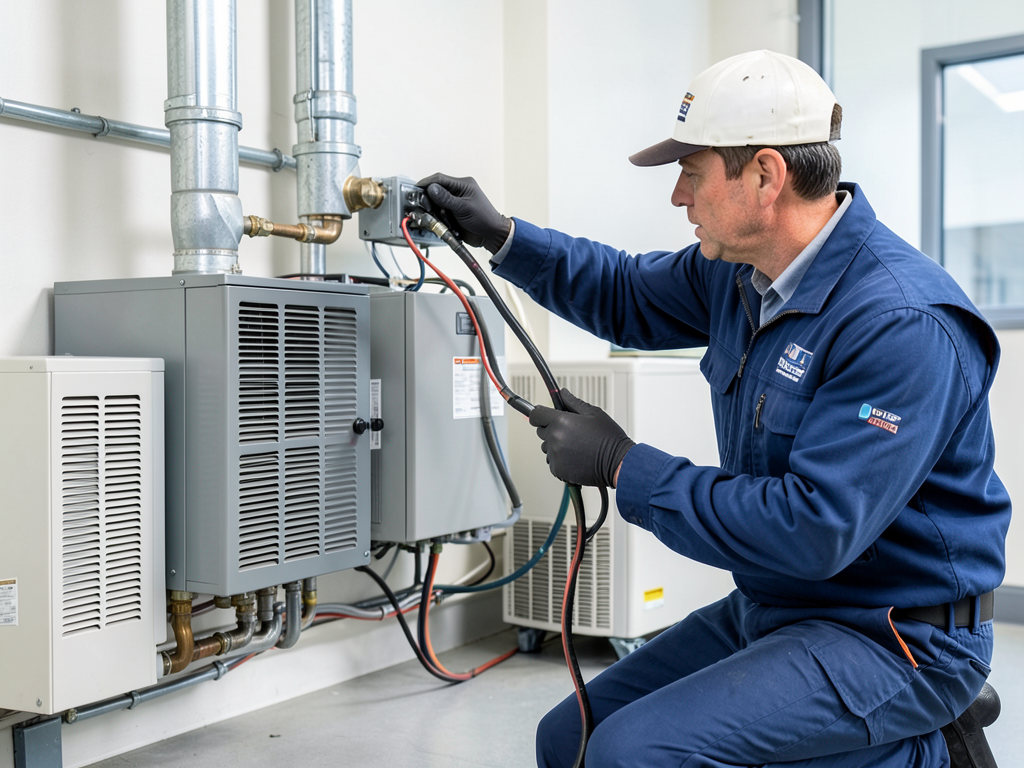
Diagram showing heat pump to furnace transition at 35-40°F balance point. Read more about How to Decide Between a Heat Pump and a Gas Furnace in Denver’s Climate.
The Pros: Why Denver Homeowners Choose Hybrid Heat
Energy efficiency represents the primary advantage of dual fuel systems in our climate zone. During Denver’s shoulder seasons, heat pumps can deliver 300-400% efficiency compared to the 95-98% efficiency of even the best gas furnaces. This translates to significant utility savings when outdoor temperatures allow heat pump operation. The system also provides superior dehumidification during summer months since heat pumps remove moisture from indoor air more effectively than standard air conditioners. Another benefit is the reduced carbon footprint since the system minimizes fossil fuel consumption during the majority of the heating season. The gas furnace serves as reliable backup during extreme cold snaps or power grid stress events, ensuring your home stays warm even during the most severe winter storms.. Read more about What to Do When Your Furnace Makes a Loud Banging Noise (Wheat Ridge Troubleshooting).
The Cons: Potential Drawbacks to Consider
The higher upfront installation cost remains the most significant barrier for many homeowners. A complete dual fuel system typically costs 30-40% more than a standard single-source furnace installation due to the additional heat pump components and sophisticated control systems. The complexity of dual fuel thermostats and controls can also create learning curves for homeowners who are accustomed to simple on/off systems. Maintenance requirements increase since you’re essentially maintaining two distinct heating systems, each with its own service needs and potential failure points. Additionally, the physical space requirements are greater since you need room for both the indoor furnace unit and the outdoor heat pump condenser, which may be challenging in some Parker homes with limited mechanical room space.. Read more about How High Altitude Affects Your Furnace Performance and What to Check.

Technician installing dual fuel system showing indoor furnace and outdoor heat pump units
Cost Analysis: Gas vs. Electricity in Colorado
Current Xcel Energy rates in Colorado create a favorable economic environment for dual fuel systems. Natural gas prices average around $0.90 per therm while electricity costs approximately $0.13 per kilowatt-hour for residential customers. The break-even analysis shows that heat pumps become more cost-effective than gas furnaces when outdoor temperatures remain above 35-40°F. Below this threshold, gas furnaces typically provide lower operating costs due to the higher efficiency of direct combustion heating in extreme cold. A typical Parker home using a dual fuel system can expect to save 15-25% on annual heating costs compared to a standard high-efficiency gas furnace, with the highest savings occurring during the spring and fall months when temperatures fluctuate frequently. Xcel Energy Colorado rebates.
| Temperature Range | Recommended Heat Source | Estimated Efficiency | Cost per BTU |
|---|---|---|---|
| Above 50°F | Heat Pump Only | 300-400% | $0.004 |
| 35-50°F | Heat Pump Preferred | 250-300% | $0.005 |
| Below 35°F | Gas Furnace | 95-98% | $0.009 |
Denver Rebates and Federal Tax Credits (2026)
The 2022 Inflation Reduction Act provides substantial financial incentives for dual fuel system installations through federal tax credits. Homeowners can claim 30% of installation costs up to $2,000 for qualifying heat pump systems under the Energy Efficient Home Improvement Credit (25C). Xcel Energy offers additional rebates ranging from $800 to $2,000 depending on the system’s efficiency ratings and whether you’re replacing an existing system or installing in new construction. The City of Denver’s Climate Action, Sustainability & Resiliency (CASR) program provides supplementary rebates for low-income households and homes in specific neighborhoods. These combined incentives can reduce the total installed cost by 40-50%, significantly improving the return on investment timeline for Parker homeowners considering this technology.
Local utility programs also offer time-of-use rate plans that can further enhance savings with dual fuel systems. By programming the system to maximize heat pump operation during off-peak hours when electricity rates are lowest, homeowners can achieve even greater cost reductions. The specific rebate amounts and eligibility requirements change annually, so consulting with a qualified HVAC contractor familiar with current programs is essential before making investment decisions.
Frequently Asked Questions
Does a heat pump work in Denver winters?
Yes, modern cold-climate heat pumps operate effectively in Denver’s winter conditions. Today’s systems can extract heat from outdoor air down to -10°F or lower, though efficiency decreases as temperatures drop. The dual fuel system automatically switches to the gas furnace when temperatures fall below the balance point, ensuring reliable heating regardless of how cold it gets.
Is dual fuel worth it for high-altitude homes?
High-altitude homes in Parker benefit significantly from dual fuel systems due to our extreme temperature variations and high heating demands. The automatic switching between heat sources optimizes efficiency across our wide temperature range, while the gas furnace provides the powerful heating needed for our coldest nights without the efficiency losses that single-source heat pumps experience in extreme cold.
How long does a dual fuel system last?
With proper maintenance, dual fuel systems typically last 15-20 years. The heat pump components generally require replacement sooner than the gas furnace due to outdoor exposure and compressor wear. Regular maintenance, including annual inspections of both the heat pump and furnace components, helps maximize system longevity and maintain efficiency throughout the system’s operational life. Repair vs. Replace AC Guide.
What size system do I need for my Parker home?
System sizing depends on your home’s square footage, insulation levels, window efficiency, and local climate conditions. A professional Manual J load calculation is essential to determine the correct capacity. Parker homes typically require 30-60 BTUs per square foot, but factors like high ceilings, large windows, and local wind exposure can significantly impact sizing requirements.
Before and after installation photos showing old furnace replaced with new dual fuel system
Ready to explore whether a dual fuel system makes sense for your Parker home? Call (720) 502-9511 today to schedule your inspection. Our NATE-certified technicians will evaluate your current system, analyze your energy usage patterns, and provide a detailed cost-benefit analysis specific to your home’s needs. Don’t wait until your old system fails during the next cold snap – get the information you need to make an informed decision about your home’s heating future.
{
“@context”: “https://schema.org”,
“@type”: “BlogPosting”,
“headline”: “Is a Dual Fuel Heating System Worth the Investment for Your Parker Home?”,
“description”: “Explore dual fuel HVAC costs, rebates, and Denver performance. Find out if hybrid heating makes sense for Parker’s climate and your energy bills in 2026.”,
“wordCount”: 1211,
“datePublished”: “2026-03-05T14:42:00.000Z”,
“dateModified”: “2026-03-05T14:42:00.000Z”,
“inLanguage”: “en-US”,
“mainEntityOfPage”: {
“@type”: “WebPage”,
“@id”: “https://fortresshvacdenver.com”
},
“publisher”: {
“@type”: “LocalBusiness”,
“name”: “Fortress HVAC Denver”,
“url”: “https://fortresshvacdenver.com”
},
“author”: {
“@type”: “Organization”,
“name”: “Fortress HVAC Denver”,
“url”: “https://fortresshvacdenver.com”
},
“image”: {
“@type”: “ImageObject”,
“url”: “https://fortresshvacdenver.com/wp-content/uploads/2026/03/is-a-dual-fuel-heating-system-worth-the-investment-1.png”
}
}
{
“@context”: “https://schema.org”,
“@type”: “HVACBusiness”,
“name”: “Fortress HVAC Denver”,
“url”: “https://fortresshvacdenver.com”,
“address”: {
“@type”: “PostalAddress”,
“addressLocality”: “Denver”
},
“areaServed”: {
“@type”: “City”,
“name”: “Denver”
}
}
{
“@context”: “https://schema.org”,
“@type”: “FAQPage”,
“mainEntity”: [
{
“@type”: “Question”,
“name”: “Does a heat pump work in Denver winters?”,
“acceptedAnswer”: {
“@type”: “Answer”,
“text”: “Yes, modern cold-climate heat pumps operate effectively in Denver’s winter conditions. Today’s systems can extract heat from outdoor air down to -10°F or lower, though efficiency decreases as temperatures drop. The dual fuel system automatically switches to the gas furnace when temperatures fall below the balance point, ensuring reliable heating regardless of how cold it gets.”
}
},
{
“@type”: “Question”,
“name”: “Is dual fuel worth it for high-altitude homes?”,
“acceptedAnswer”: {
“@type”: “Answer”,
“text”: “High-altitude homes in Parker benefit significantly from dual fuel systems due to our extreme temperature variations and high heating demands. The automatic switching between heat sources optimizes efficiency across our wide temperature range, while the gas furnace provides the powerful heating needed for our coldest nights without the efficiency losses that single-source heat pumps experience in extreme cold.”
}
},
{
“@type”: “Question”,
“name”: “How long does a dual fuel system last?”,
“acceptedAnswer”: {
“@type”: “Answer”,
“text”: “With proper maintenance, dual fuel systems typically last 15-20 years. The heat pump components generally require replacement sooner than the gas furnace due to outdoor exposure and compressor wear. Regular maintenance, including annual inspections of both the heat pump and furnace components, helps maximize system longevity and maintain efficiency throughout the system’s operational life. Repair vs. Replace AC Guide.”
}
},
{
“@type”: “Question”,
“name”: “What size system do I need for my Parker home?”,
“acceptedAnswer”: {
“@type”: “Answer”,
“text”: “System sizing depends on your home’s square footage, insulation levels, window efficiency, and local climate conditions. A professional Manual J load calculation is essential to determine the correct capacity. Parker homes typically require 30-60 BTUs per square foot, but factors like high ceilings, large windows, and local wind exposure can significantly impact sizing requirements.”
}
}
]
}
{
“@context”: “https://schema.org”,
“@type”: “BreadcrumbList”,
“itemListElement”: [
{
“@type”: “ListItem”,
“position”: 1,
“name”: “Home”,
“item”: “https://fortresshvacdenver.com”
},
{
“@type”: “ListItem”,
“position”: 2,
“name”: “Blog”,
“item”: “https://fortresshvacdenver.com/blog”
},
{
“@type”: “ListItem”,
“position”: 3,
“name”: “Is a Dual Fuel Heating System Worth the Investment for Your Parker Home?”
}
]
}
{
“@context”: “https://schema.org”,
“@type”: “Service”,
“serviceType”: “HVAC”,
“provider”: {
“@type”: “LocalBusiness”,
“name”: “Fortress HVAC Denver”,
“url”: “https://fortresshvacdenver.com”
},
“areaServed”: {
“@type”: “City”,
“name”: “Denver”
},
“description”: “Explore dual fuel HVAC costs, rebates, and Denver performance. Find out if hybrid heating makes sense for Parker’s climate and your energy bills in 2026.”
}