Pros and Cons of Radiant Floor Heating for Renovated Homes in Congress Park
Radiant floor heating offers Congress Park homeowners a luxurious and efficient way to warm their renovated spaces during Denver’s cold winters. This heating method distributes warmth evenly through the floor, creating comfortable living areas without the noise and dust circulation of forced-air systems. However, like any major home improvement, radiant heating comes with specific advantages and challenges that homeowners must consider before installation.. Read more about Why You Should Consider a Garage Heater for Your Workshop in Lone Tree.
The decision between radiant heating and traditional HVAC systems depends on your home’s existing structure, renovation budget, and long-term comfort goals. Understanding the technical differences between hydronic and electric systems, along with Denver’s unique climate requirements, helps you make an informed choice for your Congress Park renovation project.. Read more about Managing Pet Hair and Dander in Your HVAC System if You Live in Dog-Friendly Denver.
Understanding Radiant Floor Heating Systems
Radiant floor heating works by circulating warm water through PEX tubing or using electric heating cables installed beneath your flooring. The system heats objects and people directly rather than warming air, which creates a more consistent and comfortable environment. This method eliminates cold spots and reduces the temperature differences between floor and ceiling that occur with forced-air heating.
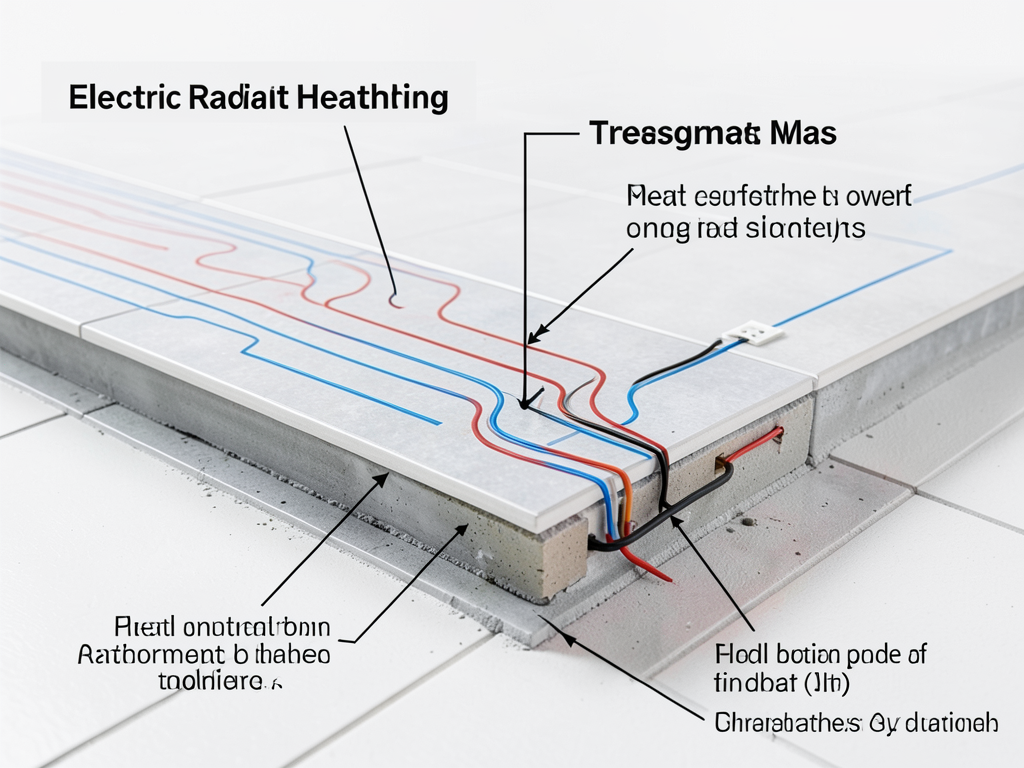
The two main types of radiant floor heating serve different purposes in Congress Park homes. Hydronic systems use a boiler to heat water that circulates through tubing embedded in concrete slabs or installed between floor joists. These systems excel at whole-house heating and work well with Denver’s existing natural gas infrastructure. Electric systems use heating cables or mats that connect directly to your home’s electrical panel, making them ideal for smaller areas like bathrooms or kitchen additions.
Denver’s high-altitude climate affects system performance differently than sea-level installations. The thinner air at 5,280 feet means boilers must work slightly harder to achieve the same heat output, and proper sizing becomes critical for efficient operation. Local building codes require specific insulation requirements under radiant slabs to prevent heat loss into the ground, which is particularly important given Colorado’s significant temperature swings between day and night.

Hydronic vs Electric Radiant Systems: A Detailed Comparison
| Feature | Hydronic Systems | Electric Systems |
|---|---|---|
| Installation Cost | $8-15 per square foot | $6-10 per square foot |
| Operating Cost | Lower (natural gas) | Higher (electricity) |
| Best For | Whole-house heating | Bathrooms, kitchens |
| Response Time | Slower (30-60 minutes) | Faster (10-20 minutes) |
| Maintenance | Annual boiler service | Minimal (check connections) |
| Lifespan | 25-30 years | 15-20 years |
Hydronic systems require more upfront investment but deliver lower operating costs over time, making them ideal for Congress Park homes where whole-house heating is the goal. The boiler component typically costs $3,000-6,000, with additional expenses for PEX tubing, manifolds, and controls. These systems integrate seamlessly with existing forced-air setups by providing primary heating while keeping air handlers for cooling.
Electric systems offer simpler installation and lower initial costs, perfect for targeted heating in renovated bathrooms or kitchen additions. The heating cables install directly under tile or engineered wood flooring, with programmable thermostats controlling individual room temperatures. While operating costs run higher per square foot, the convenience and quick response time make electric systems attractive for specific applications in Congress Park renovations.
Benefits of Radiant Floor Heating for Congress Park Homes
Radiant floor heating provides several compelling advantages for Congress Park homeowners. The even heat distribution eliminates cold spots and drafts common with forced-air systems, creating consistently comfortable living spaces. This method also reduces airborne dust and allergens since it doesn’t rely on blowing air through ducts, which is particularly beneficial for Denver’s dry climate where dust accumulation is already a concern.
Energy efficiency represents a significant benefit in Denver’s high-altitude environment. Radiant systems typically operate at lower temperatures than forced-air systems while maintaining the same comfort level, reducing energy consumption by 15-25 percent according to Department of Energy studies. The thermal mass of concrete or tile flooring helps maintain steady temperatures, reducing the frequency of heating cycles and extending equipment life. Department of Energy radiant heating guide.
Silent operation enhances the living experience in Congress Park’s historic homes where noise reduction matters. Unlike furnaces that cycle on and off with noticeable sounds, radiant systems provide quiet, consistent warmth. The absence of visible ductwork or radiators also preserves architectural details in renovated historic properties, maintaining the aesthetic integrity of Congress Park’s classic home designs. Emergency Furnace Repair for Denver Residents Dealing with a Frozen House.
Installation Considerations for Renovated Homes
Installing radiant floor heating in existing Congress Park homes requires careful planning and structural assessment. The weight of added concrete slabs or tile flooring must be evaluated against your home’s foundation capacity, particularly in older properties built before modern building codes. Ceiling height reduction from floor build-up can impact room proportions, especially in basements or areas with limited vertical space.. Read more about Managing Basement Humidity and Mold Risk in Older Berkeley Homes.
Access for installation presents another consideration. Hydronic systems require running PEX tubing from the boiler location to each heated area, which may involve cutting into walls or ceilings. Electric systems need dedicated electrical circuits, potentially requiring panel upgrades in older Congress Park homes. Both systems benefit from professional design to ensure proper zoning and thermostat placement for optimal performance.
Floor covering compatibility affects system efficiency and longevity. Tile and stone provide excellent heat transfer but add significant weight. Engineered wood offers good performance with less structural impact, while solid hardwood requires careful temperature monitoring to prevent warping. Carpet installation over radiant systems reduces efficiency significantly, making it unsuitable for areas where maximum heat output is desired.
Denver Climate Considerations for Radiant Heating
Denver’s semi-arid climate with extreme temperature variations creates specific demands for radiant heating systems. The dramatic diurnal temperature swings mean systems must respond quickly during cold nights while avoiding overheating during sunny winter days. Proper zoning becomes essential, allowing different areas of your Congress Park home to maintain optimal temperatures based on sun exposure and usage patterns.
Denver’s low humidity levels affect both system performance and comfort. Radiant heating doesn’t introduce additional moisture like some forced-air systems with humidifiers, which can be advantageous for preventing condensation issues. However, the dry air may increase perceived temperature differences, requiring careful thermostat programming to maintain comfort without excessive energy use.
Winter storm preparation takes on added importance with radiant systems. Unlike forced-air furnaces that provide immediate heat when power returns after outages, radiant systems require time to reheat floors and spaces. Backup heating solutions or generator connections become important considerations for Congress Park homeowners who want reliable warmth during Denver’s occasional severe winter weather events. EPA indoor air quality information.
Cost Analysis and Return on Investment
The initial investment for radiant floor heating varies significantly based on system type and installation complexity. Hydronic systems for whole-house heating typically range from $12,000-25,000 for a 2,000-square-foot Congress Park home, including boiler, tubing, controls, and installation. Electric systems for smaller areas cost $2,000-8,000 depending on square footage and control requirements.
Operating costs depend on local utility rates and system efficiency. Natural gas prices in Denver currently average $0.80-1.20 per therm, while electricity runs $0.12-0.15 per kilowatt-hour. Hydronic systems typically cost $0.50-0.75 per square foot annually to operate, compared to $0.75-1.25 for electric systems. The higher efficiency of hydronic systems often offsets the additional upfront cost within 5-7 years of operation.
Property value impact represents another consideration for Congress Park renovations. Radiant floor heating often increases home marketability and can boost resale value by 3-5 percent according to local real estate data. The luxury appeal and energy efficiency features appeal to buyers seeking modern comfort in historic Denver neighborhoods, potentially providing returns beyond direct energy savings.
Maintenance Requirements and Longevity
Radiant floor heating systems require different maintenance approaches than traditional HVAC equipment. Hydronic systems need annual boiler service to check pressure, inspect components, and ensure proper water chemistry to prevent corrosion in the tubing. The PEX tubing itself carries warranties of 25-50 years when properly installed, with minimal maintenance requirements beyond occasional system pressure checks.
Electric systems demand less frequent maintenance but require attention to electrical connections and thermostat calibration. The heating cables themselves typically last 15-20 years, with failure rates below 1 percent when installed correctly. Regular cleaning of floor coverings prevents dust accumulation that could insulate against heat transfer, maintaining system efficiency over time.. Read more about Restoring and Maintaining Original Cast Iron Radiators in Historic Curtis Park Homes.
Repair considerations become important for long-term planning. Hydronic system leaks, while rare, require specialized detection equipment and access to tubing runs. Electric system failures may necessitate floor removal in affected areas. Both systems benefit from professional installation with accessible manifolds and control panels to simplify future maintenance and repairs in your Congress Park home. Fast AC Repair Services in Aurora for When the Summer Heat Hits.
Smart Home Integration and Modern Controls
Modern radiant floor heating systems integrate seamlessly with smart home technology, offering Congress Park homeowners enhanced control and energy management. Wi-Fi enabled thermostats allow remote temperature adjustment through smartphone apps, enabling pre-heating before arrival or adjusting settings while away. This connectivity also enables energy usage tracking and optimization based on occupancy patterns and local weather forecasts.
Zoning capabilities maximize efficiency by allowing different areas to maintain separate temperatures. Bedrooms can stay cooler at night while living areas remain warm, or home offices can operate independently from rarely-used guest rooms. Advanced control systems learn usage patterns over time, automatically adjusting heating schedules to match your Congress Park lifestyle while minimizing energy waste. The Best Swamp Cooler Service and Startup in Denver and Arvada.
Integration with whole-home automation systems creates comprehensive environmental control. Radiant heating can coordinate with window shading, ventilation systems, and even snowmelt capabilities for outdoor areas. This level of integration proves particularly valuable in Denver’s variable climate, where sunny winter days might allow natural heating while maintaining comfort during cold nights.
Frequently Asked Questions
Can radiant floor heating replace my existing forced-air system entirely?
Yes, radiant floor heating can serve as your primary heating system. However, you’ll still need a separate cooling solution since radiant systems don’t provide air conditioning. Many Congress Park homeowners install radiant heating for winter comfort while keeping existing air handlers for summer cooling.
How long does it take for radiant floors to heat up?
Electric systems typically reach operating temperature in 10-20 minutes, while hydronic systems require 30-60 minutes to warm floors and spaces adequately. This slower response time makes programmable thermostats valuable for maintaining comfort without continuous operation.
Will radiant heating work with my existing hardwood floors?
Engineered hardwood works well with radiant heating when properly installed over temperature-controlled systems. Solid hardwood requires careful monitoring to prevent moisture-related warping. Always consult with both your flooring and HVAC professionals to ensure compatibility with your specific floor covering.
What permits are required for radiant floor heating installation in Denver?
Denver requires mechanical permits for radiant heating installation, with additional plumbing permits needed for hydronic systems. The permitting process ensures compliance with local building codes, including proper insulation requirements and system sizing calculations specific to Denver’s high-altitude climate.
Making the Right Choice for Your Congress Park Home
Radiant floor heating represents a significant investment that can transform your Congress Park home’s comfort and efficiency. The decision ultimately depends on your renovation scope, budget constraints, and long-term comfort priorities. Hydronic systems offer superior whole-house heating efficiency for larger renovations, while electric systems provide cost-effective solutions for targeted areas like bathrooms and kitchen additions.
Consider your home’s existing infrastructure, including available fuel sources, electrical capacity, and structural limitations. Professional assessment helps determine the most suitable system type and ensures proper sizing for Denver’s unique climate conditions. The combination of even heat distribution, energy efficiency, and silent operation makes radiant heating an attractive option for many Congress Park homeowners seeking modern comfort in historic properties.
Quality installation proves crucial for system performance and longevity. Work with experienced contractors familiar with Denver’s building codes and high-altitude installation requirements. Proper design, including appropriate zoning and control systems, maximizes efficiency while ensuring reliable operation throughout Colorado’s heating season. Commercial HVAC Contractors.
Ready to explore radiant floor heating for your Congress Park renovation? Call (720) 502-9511 today to schedule a consultation and discover how this heating solution can enhance your home’s comfort and efficiency. Our team understands Denver’s unique climate challenges and can design a system that meets your specific needs while maximizing energy savings.
Don’t wait until winter arrives to consider your heating options. Contact us now to learn more about radiant floor heating installation, costs, and how it compares to traditional HVAC systems for your Congress Park home renovation project.. Read more about Everything You Need to Know About Adding Heating and Cooling to a New Denver ADU.
- Assess Your Space
Evaluate the areas you want to heat, considering square footage, existing flooring, and structural limitations. Determine whether whole-house heating or targeted room solutions better suit your needs.
- Choose System Type
Decide between hydronic and electric systems based on your budget, installation timeline, and long-term operating cost preferences. Consider your home’s existing fuel sources and electrical capacity.
- Plan Installation
Work with qualified professionals to design your system, ensuring proper zoning, control integration, and compliance with Denver building codes. Schedule installation during major renovations for easiest access.
- Prepare for Operation
Learn your system’s controls and optimal operating procedures. Understand maintenance requirements and establish service schedules to protect your investment and ensure reliable performance.
{
“@context”: “https://schema.org”,
“@type”: “BlogPosting”,
“headline”: “Pros and Cons of Radiant Floor Heating for Renovated Homes in Congress Park”,
“description”: “Discover the benefits and drawbacks of radiant floor heating for Congress Park home renovations. Learn about hydronic vs electric systems, costs, and Denver climate considerations.”,
“wordCount”: 2167,
“datePublished”: “2026-03-12T07:44:00.000Z”,
“dateModified”: “2026-03-12T07:44:00.000Z”,
“inLanguage”: “en-US”,
“mainEntityOfPage”: {
“@type”: “WebPage”,
“@id”: “https://fortresshvacdenver.com”
},
“publisher”: {
“@type”: “LocalBusiness”,
“name”: “Fortress HVAC Denver”,
“url”: “https://fortresshvacdenver.com”
},
“author”: {
“@type”: “Organization”,
“name”: “Fortress HVAC Denver”,
“url”: “https://fortresshvacdenver.com”
},
“image”: {
“@type”: “ImageObject”,
“url”: “https://fortresshvacdenver.com/wp-content/uploads/2026/03/pros-and-cons-of-radiant-floor-heating-for-renovat-1.png”
}
}
{
“@context”: “https://schema.org”,
“@type”: “HVACBusiness”,
“name”: “Fortress HVAC Denver”,
“url”: “https://fortresshvacdenver.com”,
“address”: {
“@type”: “PostalAddress”,
“addressLocality”: “Denver”
},
“areaServed”: {
“@type”: “City”,
“name”: “Denver”
}
}
{
“@context”: “https://schema.org”,
“@type”: “FAQPage”,
“mainEntity”: [
{
“@type”: “Question”,
“name”: “Can radiant floor heating replace my existing forced-air system entirely?”,
“acceptedAnswer”: {
“@type”: “Answer”,
“text”: “Yes, radiant floor heating can serve as your primary heating system. However, you’ll still need a separate cooling solution since radiant systems don’t provide air conditioning. Many Congress Park homeowners install radiant heating for winter comfort while keeping existing air handlers for summer cooling.”
}
},
{
“@type”: “Question”,
“name”: “How long does it take for radiant floors to heat up?”,
“acceptedAnswer”: {
“@type”: “Answer”,
“text”: “Electric systems typically reach operating temperature in 10-20 minutes, while hydronic systems require 30-60 minutes to warm floors and spaces adequately. This slower response time makes programmable thermostats valuable for maintaining comfort without continuous operation.”
}
},
{
“@type”: “Question”,
“name”: “What permits are required for radiant floor heating installation in Denver?”,
“acceptedAnswer”: {
“@type”: “Answer”,
“text”: “Denver requires mechanical permits for radiant heating installation, with additional plumbing permits needed for hydronic systems. The permitting process ensures compliance with local building codes, including proper insulation requirements and system sizing calculations specific to Denver’s high-altitude climate.”
}
}
]
}
{
“@context”: “https://schema.org”,
“@type”: “HowTo”,
“name”: “How to Choose Radiant Floor Heating”,
“step”: [
{
“@type”: “HowToStep”,
“position”: 1,
“name”: “Assess Your Space”,
“text”: “Evaluate the areas you want to heat, considering square footage, existing flooring, and structural limitations. Determine whether whole-house heating or targeted room solutions better suit your needs.”
},
{
“@type”: “HowToStep”,
“position”: 2,
“name”: “Choose System Type”,
“text”: “Decide between hydronic and electric systems based on your budget, installation timeline, and long-term operating cost preferences. Consider your home’s existing fuel sources and electrical capacity.”
},
{
“@type”: “HowToStep”,
“position”: 3,
“name”: “Plan Installation”,
“text”: “Work with qualified professionals to design your system, ensuring proper zoning, control integration, and compliance with Denver building codes. Schedule installation during major renovations for easiest access.”
},
{
“@type”: “HowToStep”,
“position”: 4,
“name”: “Prepare for Operation”,
“text”: “Learn your system’s controls and optimal operating procedures. Understand maintenance requirements and establish service schedules to protect your investment and ensure reliable performance.”
}
],
“image”: “https://fortresshvacdenver.com/wp-content/uploads/2026/03/pros-and-cons-of-radiant-floor-heating-for-renovat-1.png”
}
{
“@context”: “https://schema.org”,
“@type”: “BreadcrumbList”,
“itemListElement”: [
{
“@type”: “ListItem”,
“position”: 1,
“name”: “Home”,
“item”: “https://fortresshvacdenver.com”
},
{
“@type”: “ListItem”,
“position”: 2,
“name”: “Blog”,
“item”: “https://fortresshvacdenver.com/blog”
},
{
“@type”: “ListItem”,
“position”: 3,
“name”: “Pros and Cons of Radiant Floor Heating for Renovated Homes in Congress Park”
}
]
}
{
“@context”: “https://schema.org”,
“@type”: “Service”,
“serviceType”: “HVAC”,
“provider”: {
“@type”: “LocalBusiness”,
“name”: “Fortress HVAC Denver”,
“url”: “https://fortresshvacdenver.com”
},
“areaServed”: {
“@type”: “City”,
“name”: “Denver”
},
“description”: “Discover the benefits and drawbacks of radiant floor heating for Congress Park home renovations. Learn about hydronic vs electric systems, costs, and Denver climate considerations.”
}