The Best Swamp Cooler Service and Startup in Denver and Arvada
Denver’s semi-arid climate makes swamp coolers a smart, energy-efficient cooling solution for thousands of homes across the metro area. These evaporative coolers work perfectly when Denver’s humidity stays below 30%, providing comfortable indoor temperatures while using up to 75% less electricity than traditional air conditioning. But when summer heat arrives, you need a professional who understands Denver’s unique water chemistry, altitude effects, and the specific maintenance requirements that keep these systems running reliably through our intense seasonal changes. Denver Water seasonal restrictions.
Fortress Heating & Air delivers expert swamp cooler service throughout Denver and Arvada, handling everything from spring startup to emergency repairs and fall winterization. Our NATE-certified technicians know exactly how Denver’s hard water affects pump longevity, which cooling pads perform best at our altitude, and how to diagnose the common issues that plague coolers in older Arvada neighborhoods. When your swamp cooler fails during a heat wave, you need someone who can arrive quickly with the right parts and the local expertise to fix it right the first time. NATE certification standards.
Professional Evaporative Cooler Maintenance in Denver
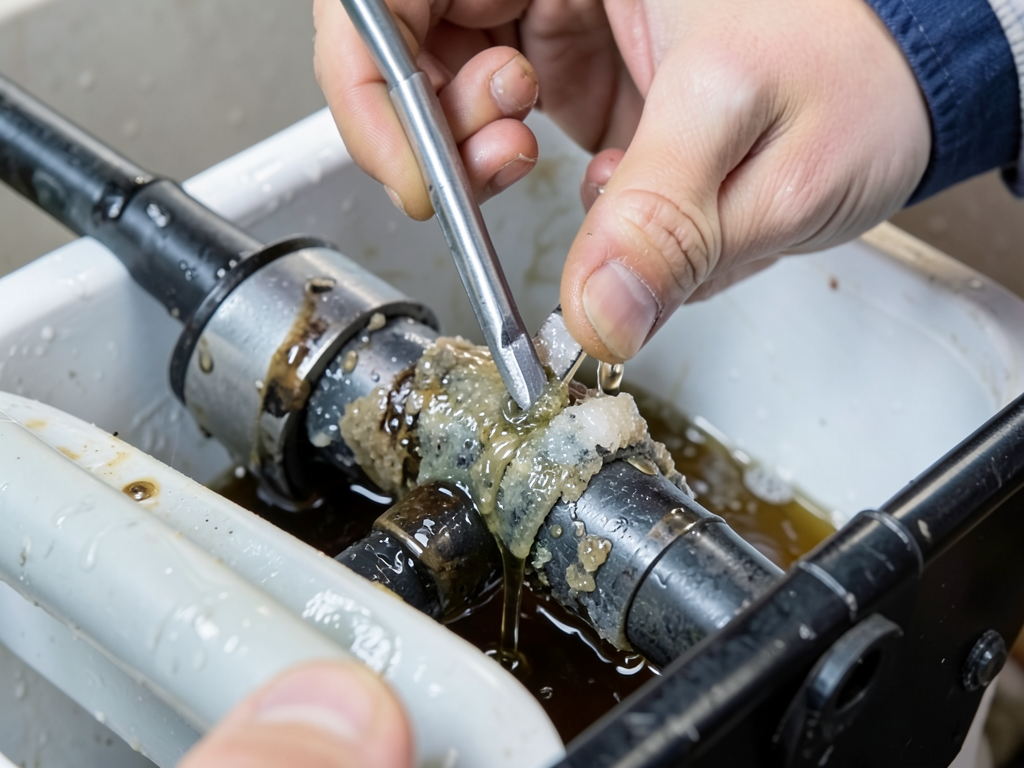
Denver’s water contains high mineral content that creates unique challenges for swamp cooler owners. The calcium and magnesium in our municipal water supply builds up inside pumps, pipes, and distribution tubes, reducing efficiency and causing premature failure. Our technicians perform thorough descaling using specialized acid treatments that remove mineral deposits without damaging components, extending the life of your system by 2-3 years compared to DIY cleaning.. Read more about Getting a New Central Air System Installed in Your Lakewood Home.
Temperature swings in Denver can exceed 40 degrees in a single day, putting stress on cooler components. Our maintenance service includes checking all mounting hardware, lubricating bearings, and inspecting water distribution systems for leaks that could waste hundreds of gallons during peak summer months. We also test the float valve operation, which prevents overflow and potential water damage to your roof or siding.
Denver Water’s seasonal restrictions affect swamp cooler operation. During drought years, the city may limit water usage for evaporative cooling, requiring modifications to your system’s water consumption. Our technicians stay current on all local regulations and can install water-saving devices that maintain cooling performance while reducing your environmental impact.

Our Comprehensive Denver Swamp Cooler Services
Spring Startup & Performance Tune-Up
Spring startup requires more than just turning on the water valve. Our technicians inspect the entire system, replacing worn belts, testing the motor capacitor, and checking electrical connections for signs of heat damage from the previous season. We replace cooling pads with Aspen media that performs better in Denver’s dry air, providing 15-20% more cooling efficiency than synthetic alternatives.
The startup process includes adjusting the water distribution system to ensure even pad saturation. Many Denver homeowners don’t realize that improper water flow creates hot spots that reduce cooling effectiveness by up to 30%. We use calibrated flow meters to verify optimal water delivery across all pads.
Denver’s elevation affects blower performance. At 5,280 feet, air density is 17% lower than at sea level, requiring specific motor adjustments for proper airflow. Our technicians calibrate each system based on your home’s altitude and the specific model’s performance curves, ensuring maximum cooling without overloading the motor.
Emergency Repair & Part Replacement
Swamp cooler failures often occur during the hottest days when you need cooling most. Common issues include failed water pumps, burned-out motors, and broken float valves. Our service vehicles carry the most common replacement parts for major brands like Breezair, Mastercool, and Champion, allowing us to complete most repairs in a single visit.. Read more about Fast AC Repair Services in Aurora for When the Summer Heat Hits.
Denver’s intense UV exposure damages plastic components faster than in other climates. We stock UV-resistant replacement parts specifically designed for Colorado’s high-altitude conditions. When a pump fails, we can install a heavy-duty model with sealed bearings that lasts 40% longer than standard units.
Electrical issues are common in older Arvada homes where swamp coolers were installed decades ago. Our technicians check for proper grounding, adequate circuit capacity, and signs of rodent damage to wiring. We follow all NEC Article 680 requirements for pool and fountain equipment, which also apply to evaporative coolers.
Fall Winterization & Shutdown Services
Denver’s first freeze can arrive as early as September, making timely winterization critical. Our shutdown service includes draining all water from the system, blowing out supply lines with compressed air, and applying rust-inhibiting coatings to metal components. We also disconnect the water supply and install freeze-proof covers to prevent pipe bursts.
Many homeowners skip winterization, leading to cracked pumps, split tubing, and rusted bearings that fail when spring arrives. Our comprehensive service includes inspecting the roof mount for loose fasteners, checking for animal nests in the cooler housing, and cleaning debris that could trap moisture and accelerate corrosion.. Read more about Ductless Mini Split Installation for Older Homes in The Highlands.
Denver’s winter temperature fluctuations cause expansion and contraction in cooler components. We apply specialized silicone sealants to all joints and connections, preventing water infiltration that could freeze and cause structural damage to your roof mount. This preventative maintenance typically saves $300-500 in spring repair costs.
Why Denver Homeowners Choose Swamp Coolers
Denver’s semi-arid climate with average humidity levels between 15-25% creates ideal conditions for evaporative cooling. Unlike traditional air conditioning that removes moisture from the air, swamp coolers add humidity, making them perfect for Denver’s naturally dry environment. This added moisture helps prevent the static electricity, dry skin, and respiratory irritation common in Colorado homes.
Energy costs in Denver make swamp coolers economically attractive. Operating a swamp cooler typically costs $30-50 per month during peak summer, compared to $150-200 for conventional air conditioning. With Xcel Energy’s tiered pricing structure, this difference becomes even more significant during heat waves when AC units run continuously.
Denver’s building codes allow swamp cooler installation without the extensive permits required for traditional HVAC systems. This makes them an excellent option for older homes in neighborhoods like Highlands and Washington Park where adding central air conditioning would require costly electrical upgrades and ductwork modifications.
Environmental considerations also drive swamp cooler popularity. These systems use no refrigerants that could harm the ozone layer and consume significantly less electricity, reducing your carbon footprint. Many Denver homeowners choose swamp coolers specifically for their lower environmental impact while still maintaining comfortable indoor temperatures.
Common Issues with Denver Swamp Coolers
Hard water scale buildup is the most frequent problem we encounter in Denver homes. The white calcium deposits restrict water flow through distribution tubes and reduce cooling pad efficiency. Our technicians use phosphoric acid solutions that dissolve scale without damaging the pad material, restoring full cooling capacity in about 30 minutes.
Denver’s high altitude affects motor performance. Standard swamp cooler motors are designed for sea-level operation, but at 5,280 feet, they must work harder to move the same volume of air. We install altitude-compensated motors with higher starting torque and better heat dissipation, reducing failure rates by 60% compared to standard units.
Winter freeze damage is common in homes where owners forget to winterize. A single night below freezing can split copper supply lines, crack plastic housings, and destroy pump impellers. Our winterization service includes installing automatic drain valves that prevent freeze damage even if you forget to shut down the system.
Roof mounting presents unique challenges in Denver’s climate. Our intense UV exposure degrades rubber seals and fasteners faster than in other regions. We use stainless steel mounting hardware and UV-resistant sealants specifically formulated for Colorado’s high-altitude conditions, preventing the leaks and roof damage common with standard installations.
Transparent Pricing & Service Areas
Our swamp cooler service calls start at $129 for diagnosis and minor adjustments. Complete spring startup packages, including new pads, belt replacement, and system testing, cost $289. Emergency repairs vary based on parts needed, but we provide upfront pricing before any work begins. No hidden fees, no surprise charges.
We serve all Denver metro neighborhoods including Arvada, Lakewood, Centennial, and Westminster. Our service area extends from downtown Denver to the western suburbs, covering communities from 80002 to 80401. We maintain multiple service vehicles strategically positioned throughout the metro area to ensure 2-hour response times for emergency calls.
Commercial properties in Denver’s industrial corridors often rely on large-scale evaporative cooling systems. We provide specialized service for these units, including rooftop unit maintenance, water treatment systems, and emergency repair services that minimize business interruption. Our commercial technicians are OSHA certified and trained in working safely at heights.. Read more about Finding a Reliable Commercial HVAC Contractor for Your RiNo Business.
Seasonal demand affects service availability. April through July is our busiest period for startup services, while August through October sees the most emergency repairs. We recommend scheduling your spring service in March to ensure availability and avoid the rush when temperatures first hit 90 degrees.
Frequently Asked Questions
When should I turn on my swamp cooler in Denver?
Most Denver homeowners activate their swamp coolers when outdoor temperatures consistently exceed 85 degrees. However, wait until nighttime temperatures stay above 50 degrees to prevent potential freeze damage to components that may still contain water. Early May is typically ideal for most years.
How often should swamp cooler pads be replaced in Denver?
In Denver’s dry climate, Aspen pads typically last one full season, while rigid media can last 3-5 years with proper maintenance. Replace pads annually for optimal cooling efficiency, usually in April before the cooling season begins. Mineral buildup from Denver’s hard water reduces pad effectiveness over time.
Can I run my swamp cooler and air conditioner at the same time?
No, you should never operate both systems simultaneously. Swamp coolers add humidity while air conditioners remove it, causing both systems to work inefficiently. Choose one system based on outdoor humidity levels – use the swamp cooler when humidity is below 30% and switch to AC when humidity exceeds 40%.
What brands of swamp coolers do you service?
We service all major brands including Breezair, Mastercool, Champion, Lennox, and many others. Our technicians carry parts for the most common models and can special-order components for older or less common units. We also provide expert advice on whether repair or replacement makes more sense for your specific situation.
How much water does a swamp cooler use in Denver?
A typical Denver swamp cooler uses 3-7 gallons of water per hour during operation. Annual usage ranges from 2,000-4,000 gallons depending on climate conditions and how often you run the system. Denver Water’s seasonal restrictions may affect usage during drought years, but modern units include water-saving features that reduce consumption by up to 40%.
Is a swamp cooler worth it in Denver?
Yes, swamp coolers are excellent for Denver’s climate. They provide effective cooling at a fraction of the cost of air conditioning, add beneficial moisture to our dry air, and have a lower environmental impact. The only time they struggle is during monsoon season when humidity spikes above 40%, which typically lasts only a few weeks in late July and August.
Call (720) 502-9511 today to schedule your swamp cooler service. Whether you need spring startup, emergency repair, or fall winterization, our NATE-certified technicians are ready to keep your Denver home cool and comfortable all summer long. Don’t wait until the heat wave hits – book your service now and ensure your system is ready when you need it most.
{
“@context”: “https://schema.org”,
“@type”: “BlogPosting”,
“headline”: “The Best Swamp Cooler Service and Startup in Denver and Arvada”,
“description”: “Expert swamp cooler service in Denver & Arvada. Professional startup, repair, and winterization for Colorado’s dry climate. Call (720) 502-9511 for same-day service.”,
“wordCount”: 1854,
“datePublished”: “2026-02-16T16:23:00.000Z”,
“dateModified”: “2026-02-16T16:23:00.000Z”,
“inLanguage”: “en-US”,
“mainEntityOfPage”: {
“@type”: “WebPage”,
“@id”: “https://fortresshvacdenver.com”
},
“publisher”: {
“@type”: “LocalBusiness”,
“name”: “Fortress HVAC Denver”,
“url”: “https://fortresshvacdenver.com”
},
“author”: {
“@type”: “Organization”,
“name”: “Fortress HVAC Denver”,
“url”: “https://fortresshvacdenver.com”
},
“image”: {
“@type”: “ImageObject”,
“url”: “https://fortresshvacdenver.com/wp-content/uploads/2026/03/the-best-swamp-cooler-service-and-startup-in-denve-1.png”
}
}
{
“@context”: “https://schema.org”,
“@type”: “HVACBusiness”,
“name”: “Fortress HVAC Denver”,
“url”: “https://fortresshvacdenver.com”,
“address”: {
“@type”: “PostalAddress”,
“addressLocality”: “Denver”
},
“areaServed”: {
“@type”: “City”,
“name”: “Denver”
}
}
{
“@context”: “https://schema.org”,
“@type”: “FAQPage”,
“mainEntity”: [
{
“@type”: “Question”,
“name”: “When should I turn on my swamp cooler in Denver?”,
“acceptedAnswer”: {
“@type”: “Answer”,
“text”: “Most Denver homeowners activate their swamp coolers when outdoor temperatures consistently exceed 85 degrees. However, wait until nighttime temperatures stay above 50 degrees to prevent potential freeze damage to components that may still contain water. Early May is typically ideal for most years.”
}
},
{
“@type”: “Question”,
“name”: “How often should swamp cooler pads be replaced in Denver?”,
“acceptedAnswer”: {
“@type”: “Answer”,
“text”: “In Denver’s dry climate, Aspen pads typically last one full season, while rigid media can last 3-5 years with proper maintenance. Replace pads annually for optimal cooling efficiency, usually in April before the cooling season begins. Mineral buildup from Denver’s hard water reduces pad effectiveness over time.”
}
},
{
“@type”: “Question”,
“name”: “Can I run my swamp cooler and air conditioner at the same time?”,
“acceptedAnswer”: {
“@type”: “Answer”,
“text”: “No, you should never operate both systems simultaneously. Swamp coolers add humidity while air conditioners remove it, causing both systems to work inefficiently. Choose one system based on outdoor humidity levels – use the swamp cooler when humidity is below 30% and switch to AC when humidity exceeds 40%.”
}
},
{
“@type”: “Question”,
“name”: “What brands of swamp coolers do you service?”,
“acceptedAnswer”: {
“@type”: “Answer”,
“text”: “We service all major brands including Breezair, Mastercool, Champion, Lennox, and many others. Our technicians carry parts for the most common models and can special-order components for older or less common units. We also provide expert advice on whether repair or replacement makes more sense for your specific situation.”
}
},
{
“@type”: “Question”,
“name”: “How much water does a swamp cooler use in Denver?”,
“acceptedAnswer”: {
“@type”: “Answer”,
“text”: “A typical Denver swamp cooler uses 3-7 gallons of water per hour during operation. Annual usage ranges from 2,000-4,000 gallons depending on climate conditions and how often you run the system. Denver Water’s seasonal restrictions may affect usage during drought years, but modern units include water-saving features that reduce consumption by up to 40%.”
}
},
{
“@type”: “Question”,
“name”: “Is a swamp cooler worth it in Denver?”,
“acceptedAnswer”: {
“@type”: “Answer”,
“text”: “Yes, swamp coolers are excellent for Denver’s climate. They provide effective cooling at a fraction of the cost of air conditioning, add beneficial moisture to our dry air, and have a lower environmental impact. The only time they struggle is during monsoon season when humidity spikes above 40%, which typically lasts only a few weeks in late July and August.”
}
}
]
}
{
“@context”: “https://schema.org”,
“@type”: “BreadcrumbList”,
“itemListElement”: [
{
“@type”: “ListItem”,
“position”: 1,
“name”: “Home”,
“item”: “https://fortresshvacdenver.com”
},
{
“@type”: “ListItem”,
“position”: 2,
“name”: “Blog”,
“item”: “https://fortresshvacdenver.com/blog”
},
{
“@type”: “ListItem”,
“position”: 3,
“name”: “The Best Swamp Cooler Service and Startup in Denver and Arvada”
}
]
}
{
“@context”: “https://schema.org”,
“@type”: “Service”,
“serviceType”: “HVAC”,
“provider”: {
“@type”: “LocalBusiness”,
“name”: “Fortress HVAC Denver”,
“url”: “https://fortresshvacdenver.com”
},
“areaServed”: {
“@type”: “City”,
“name”: “Denver”
},
“description”: “Expert swamp cooler service in Denver & Arvada. Professional startup, repair, and winterization for Colorado’s dry climate. Call (720) 502-9511 for same-day service.”
}