
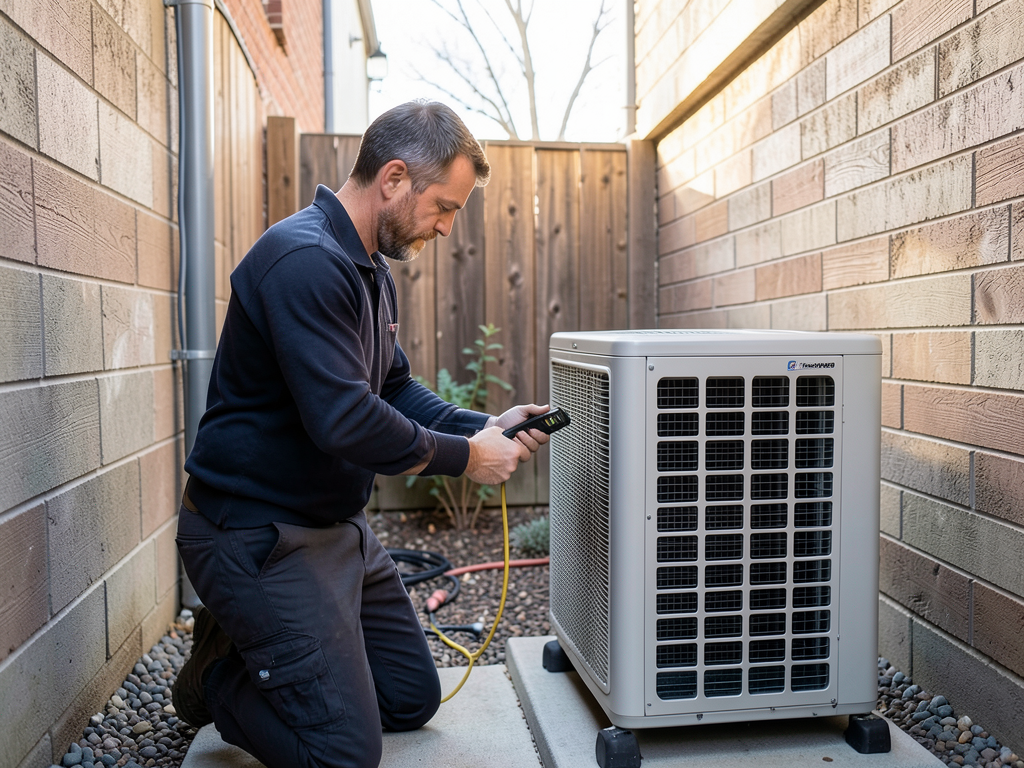
Choosing the Quietest HVAC Systems for Narrow Lots in LoHi
Living in LoHi means dealing with tight outdoor spaces and close neighbors. A loud air conditioner can turn your backyard into an echo chamber and trigger noise complaints. The good news is modern HVAC technology now offers ultra-quiet units specifically designed for small yards and zero-lot-line properties.
Denver’s noise ordinance limits outdoor equipment to 55 decibels during daytime hours. That’s about as loud as a normal conversation. Older units often exceed 70 decibels, which sounds like a vacuum cleaner running constantly. This guide breaks down the quietest air conditioners that fit narrow Denver lots while keeping your neighbors happy. Denver’s noise ordinance.
Understanding Decibel Ratings and Why They Matter in LoHi
Decibel levels work on a logarithmic scale. Every 10 dB increase sounds twice as loud to the human ear. A refrigerator hums at about 50 dB. Normal conversation hits 60 dB. A vacuum cleaner reaches 75 dB.. Read more about Everything You Need to Know About Adding Heating and Cooling to a New Denver ADU.
Most standard air conditioners operate between 65-75 dB at full speed. That’s fine if you have a large backyard, but in LoHi’s narrow lots, that noise bounces off nearby buildings and windows. Variable-speed compressors can drop operating noise to 50-55 dB, barely noticeable even with windows open.
Sound travels differently at Denver’s altitude. The thinner air absorbs less noise, meaning your unit’s sound carries farther than it would at sea level. This makes choosing a quiet unit even more important for LoHi properties.. Read more about What to Do When Your Furnace Makes a Loud Banging Noise (Wheat Ridge Troubleshooting).
Top Quiet Air Conditioners for Small Denver Yards
Side-discharge units are the game-changer for narrow lots. Unlike traditional top-discharge models that blow hot air straight up, side-discharge units vent horizontally. This allows installation just inches from walls and fences while maintaining proper airflow.
Modern inverter technology adjusts compressor speed based on cooling demand. Instead of cycling on and off at full power, these units run continuously at lower speeds. This reduces both energy consumption and noise output.
Sound blankets and vibration isolation pads can reduce noise by 2-4 dB. While that might not sound like much, a 3 dB reduction cuts the perceived loudness by about 25%. Combined with a quiet unit, these accessories make your outdoor equipment nearly silent.
Side-Discharge vs. Traditional Top-Discharge Units
Traditional top-discharge units need 24-30 inches of clearance above and 12-18 inches on all sides. In LoHi’s narrow side yards, that’s often impossible. Side-discharge units need only 6-8 inches of clearance on the sides and can be installed flush against walls.
Side-discharge design also improves efficiency in tight spaces. Hot exhaust air doesn’t get trapped under eaves or between buildings. This means your unit runs cooler and lasts longer, especially important during Denver’s 90-degree summer days. The Best Swamp Cooler Service and Startup in Denver and Arvada.
Installation flexibility is another major advantage. Side-discharge units can be mounted on walls, tucked under decks, or placed in utility closets. This opens up options for homes where traditional outdoor placement isn’t possible.
Denver Noise Ordinance Compliance for HVAC Equipment
Denver’s noise ordinance (Chapter 36 of the Revised Municipal Code) sets specific limits for residential HVAC equipment. During daytime hours (7 AM – 10 PM), outdoor units cannot exceed 55 dB(A) at the property line. Nighttime limits drop to 50 dB(A).
Violations can result in fines starting at $100 for the first offense. Repeat violations can reach $999. More importantly, noisy equipment can lead to neighbor disputes that affect property values and quality of life.
Professional installers use sound level meters to verify compliance. They measure noise at multiple points around the property, especially near bedroom windows and outdoor living areas. This testing ensures your new system meets both legal requirements and your personal comfort standards.
Installation Considerations for Narrow LoHi Lots
Clearance requirements go beyond just space for the unit. You need proper airflow for efficient operation. Blockages from fences, shrubs, or other structures can reduce efficiency by 15-30% and cause premature equipment failure.
Electrical service must be adequate for modern high-efficiency units. Many older LoHi homes have 100-amp service that struggles with today’s HVAC demands. Upgrading to 200-amp service might be necessary for optimal performance.
Permitting requirements vary by location within Denver. Units installed within 5 feet of property lines need additional review. Some historic districts have aesthetic requirements that affect equipment placement and screening.
Sound Reduction Accessories That Actually Work
Sound blankets wrap around the compressor, absorbing vibration before it becomes airborne noise. Quality blankets reduce noise by 2-4 dB without restricting airflow. They’re especially effective on older units where compressor noise is the primary issue.
Vibration isolation pads go under the unit, preventing structure-borne noise from traveling through your foundation. These rubber or composite pads can reduce low-frequency rumble that carries through walls and floors.. Read more about Pros and Cons of Radiant Floor Heating for Renovated Homes in Congress Park.
Strategic landscaping can also help. Dense shrubs planted 3-4 feet from the unit create a natural sound barrier without restricting airflow. Evergreen varieties work best since they provide year-round coverage.
Variable-Speed Technology: The Key to Quiet Operation
Single-stage compressors run at 100% capacity or not at all. This creates temperature swings and maximum noise levels. Two-stage units offer high and low settings, reducing noise by about 30% on mild days.
Variable-speed compressors can operate at any capacity between 30-100%. This means they often run at 40-60% capacity, producing minimal noise while maintaining precise temperature control. The difference is dramatic – a variable-speed unit might run at 52 dB compared to 72 dB for a single-stage unit.
The energy savings are substantial too. Variable-speed units use 30-50% less electricity than single-stage models. In Denver’s climate, this can mean $200-400 in annual savings, enough to offset the higher initial cost over time.
Maintenance Tips to Keep Your System Quiet
Regular maintenance prevents noise problems before they start. Dirty coils force the compressor to work harder, increasing both noise and energy consumption. Annual professional cleaning keeps your system running at peak efficiency.
Check refrigerant levels annually. Low refrigerant causes the compressor to strain, creating unusual noises and reducing cooling capacity. A properly charged system runs quieter and lasts longer.
Inspect fan blades for damage or imbalance. Bent blades create vibration that resonates through the entire unit. Replacement is usually quick and inexpensive compared to the noise reduction benefits. Repair vs. Replace AC Guide.
Cost Considerations for Quiet HVAC Systems
Quiet, high-efficiency units typically cost 15-25% more than standard models. However, the total installed cost often ends up similar because these units are smaller and easier to install in tight spaces.
Energy savings offset the higher purchase price. A variable-speed unit might save $200-400 annually on electricity. Over a 15-year lifespan, that’s $3,000-6,000 in utility savings – often more than the initial price difference.
Denver’s Xcel Energy offers rebates up to $1,000 for high-efficiency HVAC installations. These rebates apply to units meeting specific efficiency standards, which often overlap with the quietest models on the market.
Frequently Asked Questions
How much quieter are modern units compared to older models?
Modern variable-speed units can be 15-25 dB quieter than 10-15 year old single-stage models. That’s the difference between a normal conversation and a whisper.
Can I install a quiet unit myself to save money?
HVAC installation requires specialized tools, refrigerant handling certification, and knowledge of local codes. DIY installation can void warranties and create safety hazards. Professional installation ensures optimal performance and protects your investment.
What’s the best time of year to replace my air conditioner?
Spring and fall are ideal for HVAC replacement. Contractors have more availability, and you avoid the rush during peak cooling or heating seasons. This timing also gives you time to research options without pressure. Commercial HVAC Contractors.
How long do quiet, high-efficiency units typically last?
With proper maintenance, modern high-efficiency units last 15-20 years. Variable-speed compressors experience less wear because they don’t constantly cycle on and off at full power.
Will a quiet unit really make a difference in my small yard?
Absolutely. In narrow lots, noise bounces off buildings and carries farther. A quiet unit can reduce outdoor noise levels by 50-70%, making your backyard usable even when the AC is running.
Ready for a Quieter, More Efficient Home?
Don’t let a noisy air conditioner ruin your outdoor living space or strain your relationship with neighbors. Modern quiet HVAC systems offer the perfect solution for LoHi’s narrow lots while cutting your energy bills.
Our team has installed dozens of ultra-quiet systems in Denver’s historic neighborhoods. We understand the unique challenges of tight spaces, historic preservation guidelines, and Denver’s altitude effects on equipment performance.
Call (720) 502-9511 today to schedule your free sound assessment. We’ll measure your current noise levels, evaluate your space constraints, and recommend the perfect quiet system for your home. Your neighbors will thank you, and you’ll enjoy peaceful summers for years to come.
Pick up the phone and call (720) 502-9511 before the next heat wave hits. We’ll help you choose the right quiet system that fits your space and budget perfectly. For more information, visit ASHRAE HVAC standards.
{
“@context”: “https://schema.org”,
“@type”: “BlogPosting”,
“headline”: “Choosing the Quietest HVAC Systems for Narrow Lots in LoHi”,
“description”: “Find the quietest air conditioners for small Denver yards. Compare decibel ratings, side-discharge units, and Denver noise ordinances for LoHi homes.”,
“wordCount”: 1490,
“datePublished”: “2026-03-16T07:36:00.000Z”,
“dateModified”: “2026-03-16T07:36:00.000Z”,
“inLanguage”: “en-US”,
“mainEntityOfPage”: {
“@type”: “WebPage”,
“@id”: “https://fortresshvacdenver.com”
},
“publisher”: {
“@type”: “LocalBusiness”,
“name”: “Fortress HVAC Denver”,
“url”: “https://fortresshvacdenver.com”
},
“author”: {
“@type”: “Organization”,
“name”: “Fortress HVAC Denver”,
“url”: “https://fortresshvacdenver.com”
},
“image”: {
“@type”: “ImageObject”,
“url”: “https://fortresshvacdenver.com/wp-content/uploads/2026/03/choosing-the-quietest-hvac-systems-for-narrow-lots-1.png”
}
}
{
“@context”: “https://schema.org”,
“@type”: “HVACBusiness”,
“name”: “Fortress HVAC Denver”,
“url”: “https://fortresshvacdenver.com”,
“address”: {
“@type”: “PostalAddress”,
“addressLocality”: “Denver”
},
“areaServed”: {
“@type”: “City”,
“name”: “Denver”
}
}
{
“@context”: “https://schema.org”,
“@type”: “FAQPage”,
“mainEntity”: [
{
“@type”: “Question”,
“name”: “How much quieter are modern units compared to older models?”,
“acceptedAnswer”: {
“@type”: “Answer”,
“text”: “Modern variable-speed units can be 15-25 dB quieter than 10-15 year old single-stage models. That’s the difference between a normal conversation and a whisper.”
}
},
{
“@type”: “Question”,
“name”: “Can I install a quiet unit myself to save money?”,
“acceptedAnswer”: {
“@type”: “Answer”,
“text”: “HVAC installation requires specialized tools, refrigerant handling certification, and knowledge of local codes. DIY installation can void warranties and create safety hazards. Professional installation ensures optimal performance and protects your investment.”
}
},
{
“@type”: “Question”,
“name”: “What’s the best time of year to replace my air conditioner?”,
“acceptedAnswer”: {
“@type”: “Answer”,
“text”: “Spring and fall are ideal for HVAC replacement. Contractors have more availability, and you avoid the rush during peak cooling or heating seasons. This timing also gives you time to research options without pressure. Commercial HVAC Contractors.”
}
},
{
“@type”: “Question”,
“name”: “How long do quiet, high-efficiency units typically last?”,
“acceptedAnswer”: {
“@type”: “Answer”,
“text”: “With proper maintenance, modern high-efficiency units last 15-20 years. Variable-speed compressors experience less wear because they don’t constantly cycle on and off at full power.”
}
},
{
“@type”: “Question”,
“name”: “Will a quiet unit really make a difference in my small yard?”,
“acceptedAnswer”: {
“@type”: “Answer”,
“text”: “Absolutely. In narrow lots, noise bounces off buildings and carries farther. A quiet unit can reduce outdoor noise levels by 50-70%, making your backyard usable even when the AC is running.”
}
},
{
“@type”: “Question”,
“name”: “Ready for a Quieter, More Efficient Home?”,
“acceptedAnswer”: {
“@type”: “Answer”,
“text”: “Don’t let a noisy air conditioner ruin your outdoor living space or strain your relationship with neighbors. Modern quiet HVAC systems offer the perfect solution for LoHi’s narrow lots while cutting your energy bills.”
}
}
]
}
{
“@context”: “https://schema.org”,
“@type”: “BreadcrumbList”,
“itemListElement”: [
{
“@type”: “ListItem”,
“position”: 1,
“name”: “Home”,
“item”: “https://fortresshvacdenver.com”
},
{
“@type”: “ListItem”,
“position”: 2,
“name”: “Blog”,
“item”: “https://fortresshvacdenver.com/blog”
},
{
“@type”: “ListItem”,
“position”: 3,
“name”: “Choosing the Quietest HVAC Systems for Narrow Lots in LoHi”
}
]
}
{
“@context”: “https://schema.org”,
“@type”: “Service”,
“serviceType”: “HVAC”,
“provider”: {
“@type”: “LocalBusiness”,
“name”: “Fortress HVAC Denver”,
“url”: “https://fortresshvacdenver.com”
},
“areaServed”: {
“@type”: “City”,
“name”: “Denver”
},
“description”: “Find the quietest air conditioners for small Denver yards. Compare decibel ratings, side-discharge units, and Denver noise ordinances for LoHi homes.”
}