




Menu

Smart Thermostat Benefits in Denver – Cut Your Heating Bills by Up to 30% While You Sleep

Discover the advantages of smart thermostats designed for Denver's extreme temperature swings, from subzero winters to 90-degree summer days, and why connected thermostats deliver real savings for Mile High homeowners.

Slider Image 1
Slider Image 2
Slider Image 3
Slider Image 4
Slider Image 5
Slider Image 7
Slider Image 8
Slider Image 9
Slider Image 10
Slider Image 11

Why Denver Homeowners Are Upgrading to Smart Thermostats Right Now

Denver's climate is brutal on heating and cooling systems. Winter nights drop below zero, but sunny afternoons can hit 50 degrees. Summer mornings start cool, then spike to 95 by 3 PM. Your old thermostat cannot keep up with these swings. It runs your furnace or AC at full blast, then overcorrects, wasting energy and cash.

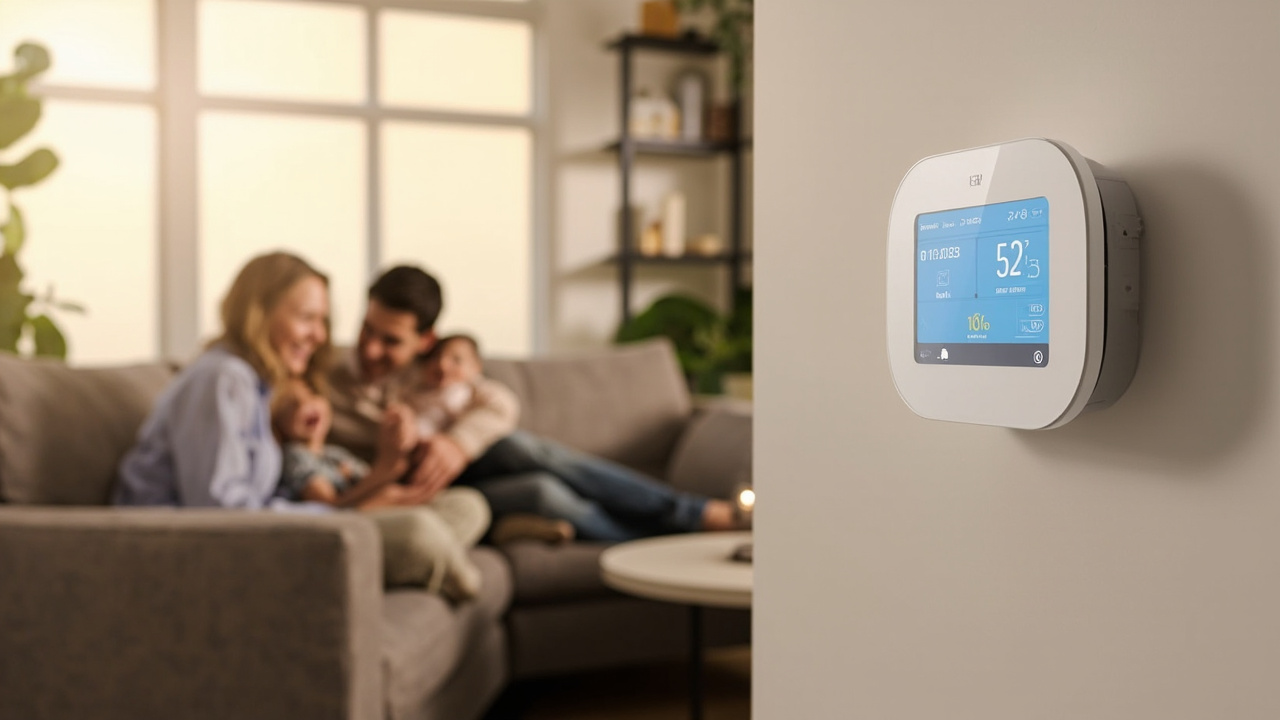
The advantages of smart thermostats show up fast in Denver. These devices learn your schedule and adjust heating or cooling before you walk in the door. They track outdoor temperature and humidity, then optimize runtime to match Denver's dry, high-altitude air. You stop heating an empty house at 2 PM when the sun warms your south-facing windows naturally.

The pros of wifi thermostats go beyond remote control. They send alerts when your furnace filter clogs from dust blowing off the Front Range. They detect inefficient cycles caused by Denver's 5,280-foot elevation, where lower air pressure changes combustion efficiency. They integrate with Xcel Energy's demand-response programs, shifting your AC load during peak hours to earn rebates.

The value of smart thermostats compounds over time. You avoid emergency repairs by catching small issues early. You extend equipment life by reducing strain from constant on-off cycles. You gain real-time data showing exactly where your energy dollars go, so you can make informed decisions about insulation, window upgrades, or zoning systems. Denver homeowners who upgrade see payback in 18 to 24 months, then enjoy pure savings for years.

Why Denver Homeowners Are Upgrading to Smart Thermostats Right Now
How Smart Thermostats Solve Denver's Unique HVAC Challenges

How Smart Thermostats Solve Denver's Unique HVAC Challenges

Smart thermostats use geofencing to detect when you leave for work or head to the mountains for the weekend. The system shifts to an energy-saving setback automatically, then preheats or precools your home 30 minutes before you return. You never walk into a cold house at 6 AM or waste gas heating empty rooms all day.

Multi-stage heating and cooling control is critical in Denver. Your furnace or heat pump may have two or three capacity levels. A smart thermostat optimizes which stage runs based on outdoor temperature, indoor humidity, and your comfort preferences. It avoids short cycling, which kills efficiency and wears out compressors and heat exchangers.

The benefits of connected thermostats include integration with whole-home humidifiers and ERVs (energy recovery ventilators). Denver's average humidity sits around 30 percent in winter. Dry air makes 68 degrees feel like 62, so you crank the heat higher. A smart thermostat balances temperature and humidity together, keeping you comfortable at lower setpoints and cutting heating costs.

Remote diagnostics help your HVAC tech troubleshoot issues before a service call. The thermostat logs runtime data, error codes, and temperature differentials. Your technician reviews this data remotely, orders the correct parts, and arrives ready to fix the problem in one trip. You avoid multiple diagnostic visits and get faster repairs during Denver's coldest weeks, when every HVAC company is slammed with calls.

Reasons to upgrade to a smart thermostat include future-proofing your home. These devices receive software updates that add features over time. You gain compatibility with new smart home systems, voice assistants, and utility programs without replacing hardware.

What Happens When You Install a Smart Thermostat

Smart Thermostat Benefits in Denver – Cut Your Heating Bills by Up to 30% While You Sleep
01

Compatibility Assessment and Planning

We inspect your existing HVAC system to confirm compatibility with smart thermostat models. Denver homes built before 1990 often lack a C-wire (common wire) for continuous power. We identify if you need a C-wire adapter, a new wire run, or a model with built-in power management. We also verify your system voltage, number of heating and cooling stages, and whether you have accessories like humidifiers or zone dampers that require additional wiring terminals.
02

Installation and System Configuration

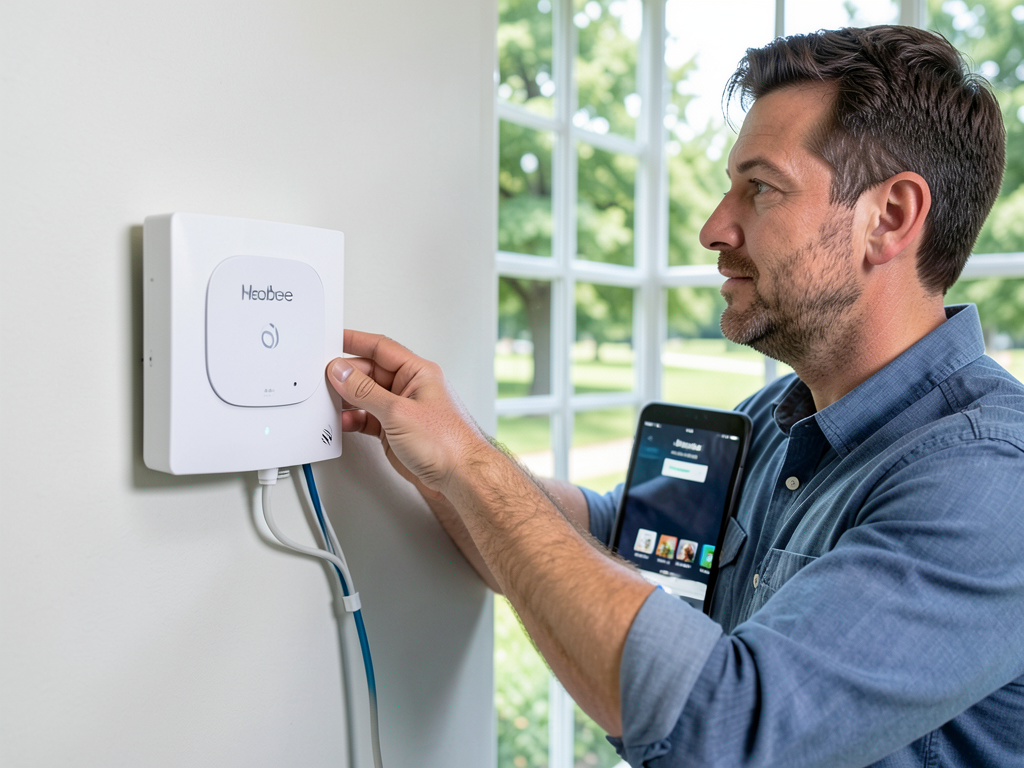
We remove your old thermostat, label existing wires, and install the new smart thermostat baseplate. We connect wires to the correct terminals, mount the display unit, and power up the system. We configure heating and cooling stages, set your altitude adjustment for Denver's elevation, and calibrate temperature sensors. We connect the thermostat to your wifi network and link it to the mobile app, then test all functions to confirm proper communication with your furnace, AC, and accessories.
03

Training and Optimization Setup

We walk you through the mobile app, showing you how to create schedules, adjust setpoints remotely, and enable geofencing. We set up energy reports so you can track usage and savings. We explain how to interpret alerts for filter changes, system errors, or extreme temperature conditions. We program your thermostat with an initial schedule based on your routine, but the device will learn and refine this over the first week as it observes your adjustments and comfort preferences.

Why Denver Homeowners Trust Fortress HVAC for Smart Thermostat Upgrades

Installing a smart thermostat looks simple, but mistakes cost you money. A technician unfamiliar with Denver's building stock might skip the altitude calibration setting, causing your furnace to run rich and waste gas. They might ignore the need for a humidifier integration, leaving you with dry air and high heating bills. They might fail to configure multi-stage heating correctly, so your second-stage burner never fires, and your furnace short cycles all winter.

We understand Denver's HVAC landscape. Many homes in neighborhoods like Park Hill, Highlands, and Washington Park have gravity furnaces or boilers converted to forced air. These systems require specific wiring configurations. Homes in newer developments like Stapleton or Green Valley Ranch often have multi-zone systems or heat pumps that need advanced thermostat programming to balance airflow and prevent frozen coils during cold snaps.

We configure your smart thermostat to work with Xcel Energy's programs. Colorado's largest utility offers time-of-use rates and demand-response incentives. We set your thermostat to shift cooling loads to off-peak hours, reducing your summer bills. We enable rush-hour rewards, which pay you to let Xcel adjust your AC during the hottest afternoons. These programs can save Denver homeowners $50 to $150 per year on top of the efficiency gains from the smart thermostat itself.

We also ensure your thermostat integrates with your home's smart ecosystem. Whether you use Alexa, Google Assistant, or Apple HomeKit, we link your thermostat so you can control temperature with voice commands or automate it with routines. You can trigger your heat to turn down when your smart lock engages at night or ramp up your AC when your garage door opens on a hot afternoon.

What to Expect When You Upgrade to a Smart Thermostat

Fast Installation Timeline

Most smart thermostat installations take 60 to 90 minutes. If your home lacks a C-wire, installation may extend to two hours while we run new wiring or install a power adapter. We schedule appointments within three to five days for standard installs. If you are replacing a failing thermostat during a cold snap, we offer same-day service to restore your heating control quickly. We carry the most popular smart thermostat models on our trucks, so you can choose the right unit for your budget and features without waiting for parts to arrive.

Comprehensive Compatibility Check

Before installation, we evaluate your HVAC system to confirm compatibility. We check if your furnace or AC uses 24-volt control wiring, which most smart thermostats require. We identify the number of heating and cooling stages, verify accessory wiring for humidifiers or dehumidifiers, and test for proper voltage. If your system is incompatible, we explain your options, including upgrading your control board or choosing a thermostat model designed for your specific setup. We never install a device that will not work correctly with your equipment.

Immediate Energy Savings and Comfort

You will notice comfort improvements within the first day. The thermostat starts learning your preferences and adjusting heating or cooling cycles to match. Within a week, it builds a detailed schedule based on your behavior. Energy savings appear on your first full billing cycle, typically 10 to 20 percent for heating and 15 to 30 percent for cooling. You will receive detailed energy reports showing daily and monthly usage, so you can see exactly how the smart thermostat reduces waste and lowers your bills.

Ongoing Support and Updates

Your smart thermostat receives automatic software updates that improve performance and add features. We provide phone and email support if you have questions about settings, alerts, or app functions. If your thermostat detects a system issue, we can review the diagnostic data remotely and schedule a service call if needed. We also offer annual HVAC maintenance plans that include a thermostat performance check, where we verify calibration, update settings for seasonal changes, and optimize your schedule to maximize savings.

Frequently Asked Questions

You Have Questions,
We Have Answers

Which is the main benefit of the smart thermostat? +

The main benefit is energy savings. Smart thermostats learn your schedule and adjust heating and cooling automatically. You avoid wasting energy when you are away or asleep. In Denver, where temperatures swing 40 degrees in a single day, this adaptive control prevents your system from overworking. Most users see 10-20% reductions in utility costs. You also gain remote control through your phone, which helps when you leave early for a ski trip or return home late. The device tracks energy usage and provides reports, so you see exactly where your money goes each month.

What are the disadvantages of a smart thermostat? +

Smart thermostats require Wi-Fi to unlock full features. If your internet drops, the device still functions as a basic programmable thermostat, but you lose remote access and learning capabilities. Installation can be tricky if your home has older wiring or lacks a C-wire for continuous power. Some models demand professional setup, adding cost. Privacy concerns exist because these devices collect data on your habits and share it with manufacturers. Compatibility issues arise with certain HVAC systems, especially older furnaces or multi-zone setups. You also face a higher upfront cost compared to manual thermostats.

Is it worth installing a smart thermostat? +

Yes, if you want lower energy bills and more control. Denver's extreme temperature swings, from subzero winters to 90-degree summers, make efficient climate control critical. A smart thermostat optimizes your system's run times and prevents waste. Most homeowners recover the installation cost within two years through reduced utility bills. You gain convenience through remote adjustments and scheduling. If you travel often or keep irregular hours, the payoff is immediate. However, if you already maintain a strict manual schedule and rarely adjust your thermostat, the financial benefit shrinks. Assess your current energy habits first.

Is 72 a good temperature for a house? +

72 degrees is comfortable but not necessarily efficient. In Denver's dry climate, you can often feel comfortable at lower temperatures because humidity stays low. During winter, set your thermostat to 68 degrees when you are home and 62-65 degrees when you sleep or leave. Each degree below 72 saves roughly 3% on heating costs. In summer, aim for 75-78 degrees during the day. Denver's cool nights allow you to open windows after sunset, reducing air conditioning demand. Personal comfort varies, but 72 degrees year-round will increase your bills significantly without added benefit.

What happens to a smart thermostat if Wi-Fi goes down? +

The thermostat continues working as a basic programmable unit. It follows the last schedule you set before the Wi-Fi outage. You lose remote access through your phone and cannot adjust settings from outside your home. Learning features pause because the device cannot sync data or update algorithms. If you have a Nest or Ecobee with built-in sensors, those still detect occupancy and adjust temperatures locally. Once Wi-Fi reconnects, the thermostat syncs its data and resumes full functionality. You do not lose heating or cooling, just the smart features that require internet connectivity.

Do smart thermostats increase home value? +

Yes, but the increase is modest. Smart home technology appeals to buyers, especially in Denver's competitive housing market where energy efficiency matters. A smart thermostat signals that your home is updated and cost-conscious. Appraisers rarely add significant value for a single device, but it contributes to an overall package of modern upgrades. Pairing a smart thermostat with other energy-efficient improvements like insulation or a high-efficiency furnace creates a stronger selling point. Buyers appreciate the convenience and potential savings. Expect a small boost in perceived value rather than a direct dollar-for-dollar return on investment.

What is the lawsuit against Nest thermostat? +

Multiple lawsuits accuse Nest of defective products and deceptive practices. Customers claim that certain Nest models shut down unexpectedly, leaving homes without heat during cold weather. Other complaints involve battery drain issues and failure to maintain programmed temperatures. Some lawsuits allege Nest misrepresented product capabilities and refused to honor warranties. A class action in 2016 targeted the Nest Learning Thermostat for design flaws causing system failures. Google, which owns Nest, settled some claims but denied wrongdoing. If you experience persistent problems with a Nest device, document the issues and contact customer support. Check if your model falls under any active recalls.

Can a thermostat cause a high electric bill? +

Yes, a malfunctioning thermostat can spike your electric bill. If the temperature sensor fails, your system runs longer than needed. Incorrect programming causes heating or cooling to run when you are away. Short cycling, where the system turns on and off rapidly, wastes energy and indicates a calibration problem. In Denver, where HVAC systems work hard year-round, a faulty thermostat compounds costs quickly. Dust buildup or outdated models also reduce efficiency. If your bill jumps suddenly, check your thermostat first. Ensure settings match your schedule and the device reads room temperature accurately. Replace batteries if applicable.

Can you just replace a thermostat with a smart thermostat? +

Most of the time, yes, but check compatibility first. Smart thermostats work with most forced-air systems, heat pumps, and gas furnaces. Older homes in Denver, especially those built before 1990, may lack a C-wire, which provides continuous power to smart devices. Some models include adapters or use battery power to bypass this issue. If you have a multi-zone system, radiant heating, or high-voltage baseboard heaters, installation gets complex. Review your current thermostat's wiring or consult an HVAC technician. Basic replacement takes 30 minutes, but troubleshooting compatibility problems can require professional help.

What's the cheapest temperature to keep your house at? +

68 degrees in winter and 78 degrees in summer minimize costs without sacrificing comfort. In Denver, where heating dominates your energy budget, every degree you lower during winter saves 3% on your bill. Drop the temperature to 62-65 degrees at night or when you leave. In summer, 78 degrees keeps you cool while reducing air conditioning strain. Use ceiling fans to circulate air and make higher temperatures feel cooler. Take advantage of Denver's cool nights by opening windows after sunset. Programmable or smart thermostats help maintain these settings automatically, preventing you from forgetting to adjust manually.

How Denver's Altitude and Temperature Swings Make Smart Thermostats Essential

Denver sits at 5,280 feet, where lower atmospheric pressure affects HVAC performance. Furnaces burn less efficiently because thinner air provides less oxygen for combustion. Air conditioners work harder because refrigerant pressures shift at altitude. A smart thermostat compensates by adjusting runtime and staging to match these conditions. It prevents short cycling during Denver's rapid temperature swings, where a 40-degree drop overnight forces your furnace to ramp up fast, then shut down as the morning sun heats your home. These cycles waste energy and strain equipment. Connected thermostats smooth out these transitions, reducing wear and cutting energy use during Denver's unpredictable shoulder seasons.

Denver's building codes and Xcel Energy programs make smart thermostats a smart investment. The city encourages energy efficiency through rebates and incentives. Xcel offers up to $100 back on qualifying smart thermostats, and the devices unlock access to demand-response programs that pay you to reduce energy use during peak hours. Local HVAC professionals understand how to configure these devices for Denver's climate, ensuring you get maximum savings and comfort. Choosing a contractor familiar with Denver's altitude, dry air, and rapid weather changes means your smart thermostat is set up correctly from day one, not just installed and left on default settings.

HVAC Services in The Denver Area

Fortress HVAC is proud to serve the Denver area and surrounding communities. We invite you to view our location on the map, which highlights our service area. While we often come directly to you for services, knowing our central base can help you understand our reach. Feel free to contact us with any questions about our service coverage or to schedule an appointment directly.

Address:
Fortress HVAC Denver, 6035 E 38th Ave, Denver, CO, 80207

Additional Services We Offer

Our news updates

Latest Articles & News from The Blogs

Why Your Gas Fireplace Should Not Be Your Only Heat Source in Golden\n\nGolden homeowners often rely on gas fireplaces for…

Why Your Gas Fireplace Should Not Be Your Only Heat Source in Golden

Why Your Gas Fireplace Should Not Be Your Only Heat Source in Golden\n\nGolden homeowners often rely on gas fireplaces for…

Why Your Furnace Venting Needs Special Attention in High Altitude Morrison

Why Your Furnace Venting Needs Special Attention in High Altitude Morrison Living at 5,800 feet in Morrison means your furnace…

How to Integrate Your HVAC with Matter and Apple Home in Central Park

How to Integrate Your HVAC with Matter and Apple Home in Central Park Central Park residents who want their HVAC…

Contact Us

Call Fortress HVAC Denver at (720) 502-9511 to schedule your smart thermostat installation. We will assess your system, recommend the best model for your home, and have you saving money within days. Do not wait for another expensive utility bill.