




Menu

Furnace Maintenance Checklist for Denver – Complete Seasonal Inspection Guide to Prevent Mid-Winter Breakdowns

Your step-by-step preventative heating maintenance guide designed specifically for Denver's extreme temperature swings and high-altitude conditions, helping you avoid emergency repairs when you need heat most.

Slider Image 1
Slider Image 2
Slider Image 3
Slider Image 4
Slider Image 5
Slider Image 7
Slider Image 8
Slider Image 9
Slider Image 10
Slider Image 11

Why Denver Furnaces Need More Frequent Maintenance Than National Standards Suggest

Denver sits at 5,280 feet above sea level. That altitude means thinner air and lower oxygen content, forcing your furnace to work harder to achieve complete combustion. The result? Carbon buildup happens faster here than at sea level.

Add in Denver's 40-degree temperature swings between day and night during shoulder seasons, and your heating system cycles on and off more frequently than furnaces in temperate climates. Each cycle creates thermal stress on heat exchangers, igniters, and blower motors.

The Front Range also delivers some of the driest winter air in the country. Low humidity means more static electricity and dust circulation through your ductwork. That dust accumulates on flame sensors and burner assemblies, causing ignition failures right when January cold fronts arrive.

Your annual furnace inspection list needs to account for these specific conditions. A heating system maintenance steps guide written for Chicago or Phoenix does not address the realities of operating a furnace in Denver's unique climate zone.

Most homeowners in neighborhoods from Highlands to Park Hill discover furnace problems during the first hard freeze in late October. By then, HVAC companies are overwhelmed with emergency calls. A preventative heating maintenance guide completed in September or early October keeps you ahead of the rush and ensures your system performs when temperatures drop below zero.

The seasonal furnace service schedule that works for most of the country leaves Denver homeowners vulnerable. You need a furnace tune-up checklist built specifically for high-altitude, low-humidity, extreme-swing conditions.

Why Denver Furnaces Need More Frequent Maintenance Than National Standards Suggest
The Complete Furnace Tune-Up Checklist for Denver Climate Conditions

The Complete Furnace Tune-Up Checklist for Denver Climate Conditions

A proper furnace maintenance inspection starts with combustion analysis. At Denver's altitude, the air-to-fuel ratio must be precisely calibrated. We measure oxygen levels, carbon monoxide output, and draft pressure to verify complete combustion. This step catches cracked heat exchangers before they become safety hazards.

Next comes the heat exchanger inspection. We pull the blower assembly to visually inspect the exchanger for stress cracks, rust-through, or flame impingement patterns. High-altitude operation creates more intense heat zones, accelerating metal fatigue in these critical components.

Igniter and flame sensor cleaning comes next. Denver's dust load means these components need more attention than coastal or humid climates. A dirty flame sensor causes nuisance shutdowns. A weakened igniter fails completely, usually at 2 AM when it is 15 degrees outside.

We test the limit switches and rollout switches that protect against overheating. Rapid cycling from temperature swings can cause these safety controls to drift out of calibration. We verify they trip at the correct temperatures.

Blower motor inspection includes checking capacitor health, lubricating bearings on older motors, and measuring amp draw. Motors working harder in thin air show different wear patterns than sea-level installations.

Gas pressure testing ensures your furnace receives adequate fuel supply. Denver's elevation affects gas pressure readings, requiring adjustment from manufacturer specifications.

Finally, we inspect the flue system for proper draft and check for condensation issues. Cold Denver nights can create temperature inversions that affect venting performance, particularly on 80 percent efficiency furnaces with natural draft systems.

This is not a 15-minute filter change. A complete Denver furnace tune-up takes 60 to 90 minutes when done correctly.

What Happens During Your Scheduled Furnace Maintenance Visit

Furnace Maintenance Checklist for Denver – Complete Seasonal Inspection Guide to Prevent Mid-Winter Breakdowns
01

System Assessment and Testing

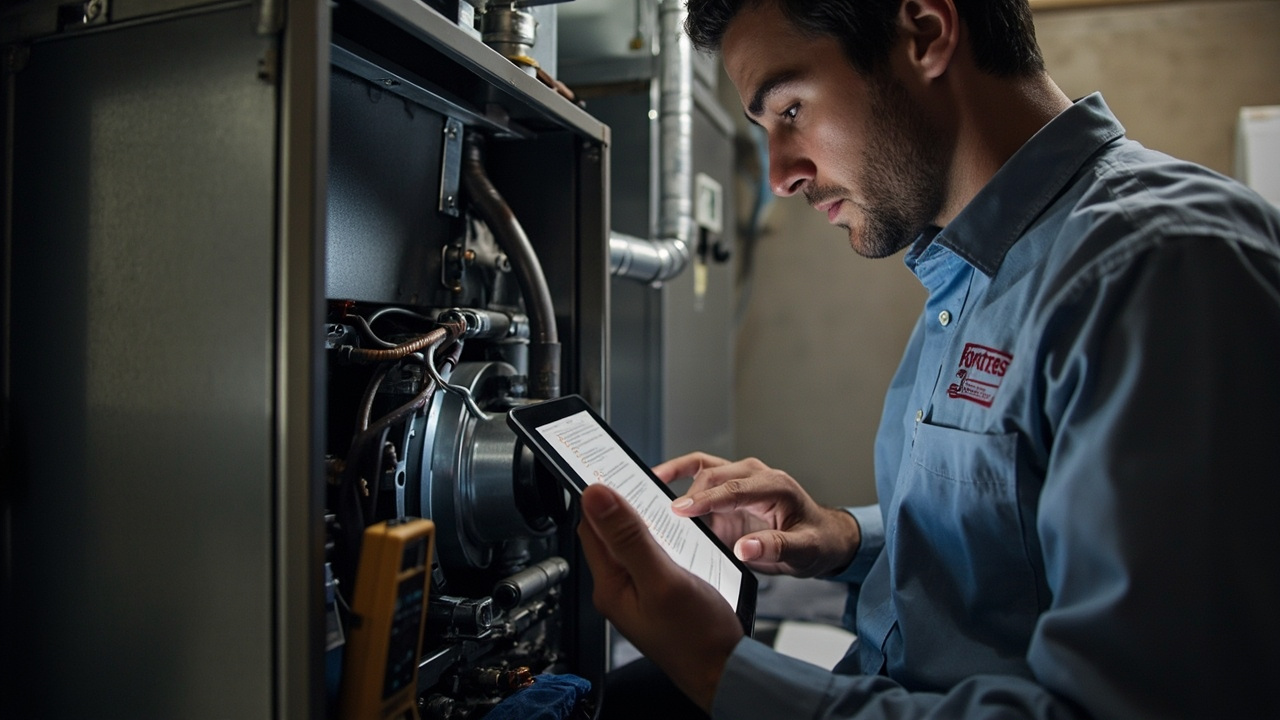
We arrive with combustion analyzers and manometers to test your system under actual operating conditions. This includes running a full heating cycle while monitoring temperature rise, static pressure across the heat exchanger, and exhaust gas composition. We document baseline performance metrics so you can track system efficiency year over year and catch degradation before it becomes failure.
02

Component Cleaning and Calibration

After testing, we clean burner assemblies, flame sensors, and ignition components using appropriate brushes and compressed air. We adjust the gas valve pressure regulator to compensate for altitude and verify proper flame characteristics. Blower wheels get vacuumed to remove dust buildup that reduces airflow. Every adjustment is measured and documented, not eyeballed. You receive a detailed report showing exactly what we found and what we corrected.
03

Safety Verification and Recommendations

Before we leave, we test all safety controls under simulated failure conditions to confirm they will shut down the system if problems develop. We check for gas leaks at every connection point using electronic detection. You receive a written report with photos of any components showing wear, along with realistic timelines for replacement. No scare tactics, just facts about what needs attention now versus what to monitor for next season.

Why Denver Homeowners Trust Local HVAC Expertise Over National Chains

Fortress HVAC Denver technicians train specifically on high-altitude combustion adjustments. The franchises send technicians who learned their trade in humid climates and never adjusted their diagnostic approach for 5,280 feet. That matters when diagnosing flame rollout or incomplete combustion issues that behave differently in thin air.

We stock parts for the furnace brands most common in Denver neighborhoods. When we find a failed inducer motor during maintenance, we often have the replacement on the truck. National companies order parts from regional warehouses in Kansas City or Phoenix, leaving you without heat for three days while you wait for shipping.

Denver amended the mechanical code in 2021 to require additional combustion air requirements for furnaces installed in tightly-built homes. We know these local code updates because we work with Denver building inspectors regularly. Out-of-state companies follow outdated national codes that do not account for Denver's specific requirements.

We also understand the building stock. Denver has thousands of homes built between 1920 and 1950 with gravity furnaces converted to forced air systems. These conversions create unique ductwork challenges. We have seen every possible configuration in neighborhoods like Washington Park and Congress Park. That experience means faster diagnosis and better solutions than a technician seeing these systems for the first time.

Our maintenance records stay local. When you call about a problem, we pull up the notes from your last three tune-ups and see the pattern immediately. Corporate databases do not capture the nuance of how your specific system behaves across multiple seasons.

Denver winters are not the time to discover your HVAC company does not really understand high-altitude heating systems. Local expertise is not marketing language. It translates to faster repairs, better diagnostics, and systems that actually work when temperatures drop below zero.

What Your Furnace Maintenance Appointment Includes

Scheduling and Arrival Window

We schedule maintenance appointments during September and early October, before the rush hits. You get a two-hour arrival window, not an all-day wait. Our technicians call 30 minutes before arrival so you are not stuck at home all day. Same-day appointments are often available during shoulder seasons. The appointment takes 60 to 90 minutes for a complete inspection. We work around your schedule, including evening and weekend slots for homeowners who work during the day.

Comprehensive System Inspection

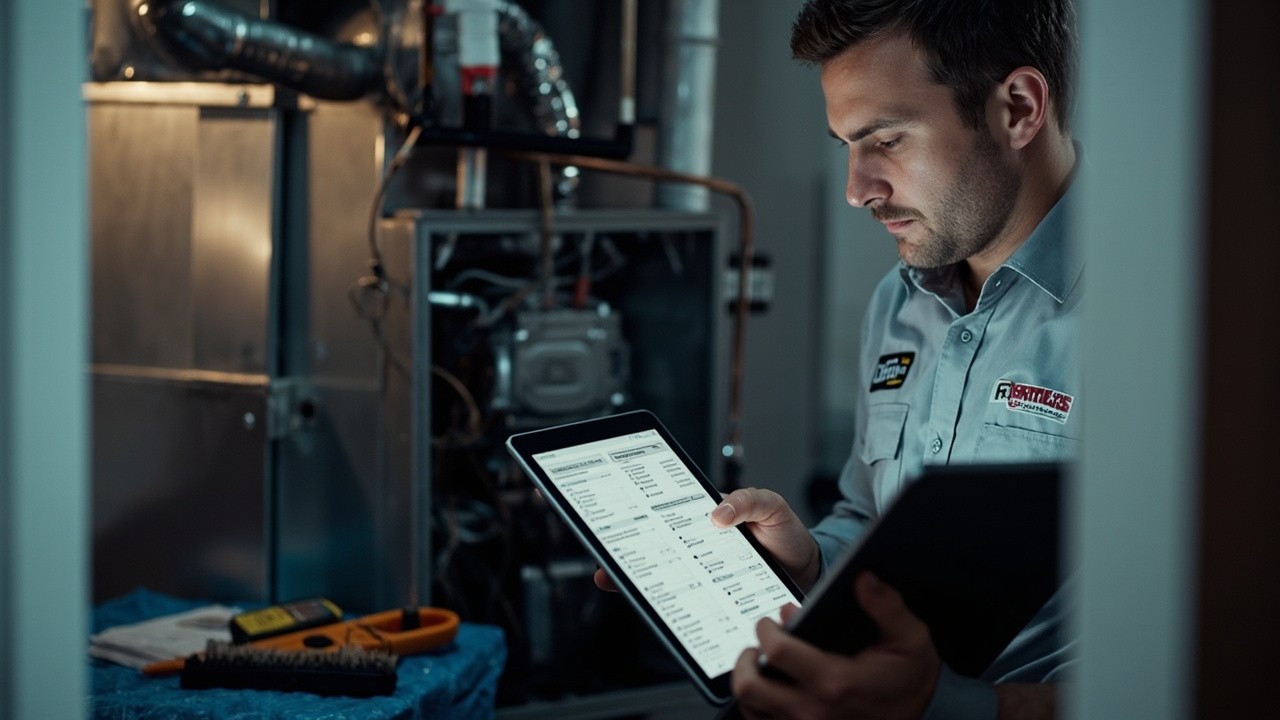
Your technician arrives with a tablet-based checklist covering 32 inspection points. We test combustion efficiency with a calibrated analyzer, not guesswork. You watch the readings in real-time if you want to see exactly how your system performs. We photograph any components showing wear and email you the images with explanations. The inspection includes your thermostat, ductwork connections, and condensate drainage system. Nothing gets skipped to save time. You receive a printed report before we leave showing measured results for every test performed.

Performance Results and Efficiency Rating

After maintenance, your furnace should operate at or near its rated efficiency. We provide before-and-after combustion readings showing the improvement from cleaning and adjustment. You get a projected efficiency percentage that helps you understand your heating costs for the coming winter. If your system tests below 75 percent efficiency, we explain what is causing the loss and provide replacement options with accurate pricing. We also estimate remaining service life based on component condition, so you can plan for replacement before an emergency happens.

Ongoing Maintenance Planning

We recommend annual maintenance every September for Denver furnaces. You can prepay for next year's service at a discounted rate before we leave. Our maintenance customers get priority scheduling for repairs and discounted service call fees if problems develop mid-season. We keep detailed service records and track your system's performance trends across multiple years. If a pattern emerges suggesting a component will fail soon, we alert you before it happens. No extended warranties or subscription plans required, just straightforward preventative maintenance that keeps your heat running.

Frequently Asked Questions

You Have Questions,
We Have Answers

What maintenance should be done on a furnace? +

Furnace maintenance includes inspecting and cleaning the burner assembly, checking the heat exchanger for cracks, testing the ignition system, and verifying proper airflow. A technician will measure combustion gases to ensure safe operation, lubricate moving parts, and inspect electrical connections. In Denver, altitude affects combustion efficiency, so this step is critical. The technician will also test the thermostat calibration, inspect the blower motor and belts, check refrigerant levels if you have a heat pump, and replace the air filter. Regular maintenance prevents carbon monoxide leaks and keeps your system running efficiently through Denver's cold winters.

What is included in furnace tune up? +

A furnace tune up covers cleaning the burner and flame sensor, inspecting the heat exchanger for corrosion or cracks, and testing the ignition sequence. The technician will check gas pressure, measure temperature rise across the heat exchanger, and inspect the venting system for blockages. Blower components get lubricated, electrical connections are tightened, and safety controls are tested. In Denver, technicians pay special attention to altitude-compensated combustion settings. The tune up includes replacing the air filter, checking thermostat accuracy, and verifying proper cycling. You will get a report detailing any issues that need attention before winter.

What is the average cost to service a furnace? +

Furnace service in Denver typically costs between $80 and $150 for a standard maintenance visit. This price covers inspection, cleaning, and minor adjustments. If repairs are needed, costs increase based on parts and labor. Factors affecting price include furnace age, system complexity, and whether you have a service agreement. High-efficiency units or multi-stage systems may cost more to service due to additional components. Emergency calls or weekend service carry premium pricing. Some Denver contractors offer maintenance plans that reduce per-visit costs. Get quotes from multiple licensed technicians, but prioritize experience with Denver's altitude-specific furnace requirements over price alone.

What parts of a furnace need to be cleaned? +

Critical furnace components that need cleaning include the burner assembly, which accumulates carbon deposits that reduce efficiency. The flame sensor must be cleaned to ensure proper ignition. The blower wheel and housing collect dust that restricts airflow and strains the motor. In Denver, dry air means more dust accumulation. The heat exchanger surfaces need inspection and cleaning to maintain heat transfer. The air filter requires replacement, not just cleaning. The flue pipe and vent termination should be checked for blockages, especially after wind events common along the Front Range. Clean components improve efficiency, extend equipment life, and prevent safety hazards.

What is the $5000 rule? +

The $5000 rule helps you decide between furnace repair and replacement. Multiply the repair cost by the furnace age in years. If the result exceeds $5000, replacement makes more financial sense. For example, a $400 repair on a 15-year-old furnace equals $6000, suggesting replacement. This rule accounts for diminishing returns on older equipment. In Denver, factor in efficiency gains from newer models, which handle altitude better and reduce heating costs. The rule is a guideline, not absolute. Consider repair frequency, remaining warranty coverage, and whether the furnace uses outdated refrigerant or parts that are hard to source.

How do I service my furnace myself? +

You can handle basic furnace maintenance yourself, but limit tasks to simple items. Replace the air filter monthly during heating season. Keep supply and return vents clear of furniture and debris. Check that the thermostat displays correctly and replace batteries annually. Inspect the area around the furnace for combustion air clearance. Listen for unusual noises that signal problems. However, leave technical tasks to licensed professionals. Combustion testing, gas pressure checks, heat exchanger inspection, and electrical work require specialized tools and training. In Denver, altitude affects combustion ratios, making professional calibration essential. Improper DIY work risks carbon monoxide poisoning or equipment damage.

What is the average cost of a full tune up? +

A full furnace tune up in Denver averages $100 to $175 for a comprehensive service visit. This includes all inspection points, cleaning, testing, and a new filter. Some contractors charge less but skip critical steps like combustion analysis. Premium service companies may charge $200 or more but include detailed reporting and priority scheduling. Multi-year maintenance agreements reduce the per-visit cost, often dropping prices to $75 to $125 per tune up. The investment prevents expensive emergency repairs and extends furnace life. Denver's heating season runs roughly September through May, so annual tune ups before winter provide the best value and reliability.

What is the most expensive part to fix on a furnace? +

The heat exchanger is the most expensive furnace component to replace, often costing $1200 to $2500 including labor. Heat exchanger failure usually means replacement makes more sense than repair, especially on furnaces over 15 years old. The blower motor ranks second, running $400 to $800 installed. Control boards cost $200 to $600 depending on furnace complexity. Gas valves run $300 to $500. In Denver, cracked heat exchangers occur more frequently due to rapid temperature swings that stress metal. Inducer motors fail from altitude-related combustion stress. Regular maintenance catches small issues before they become expensive failures requiring major component replacement.

How do I know if my furnace needs a tune up? +

Signs your furnace needs a tune up include uneven heating throughout your home, rising energy bills without increased usage, and frequent cycling on and off. Yellow or flickering burner flames instead of steady blue flames indicate combustion problems. Unusual noises like banging, squealing, or rattling signal mechanical issues. Increased dust around vents or a burning smell when the system starts points to dirty components. In Denver, if your furnace struggles during cold snaps below 10 degrees, it needs attention. Annual tune ups prevent these issues. If you skipped last year's service or notice any symptoms, schedule maintenance immediately before problems worsen.

How long does furnace maintenance take? +

A thorough furnace maintenance visit takes 60 to 90 minutes for a standard residential system. High-efficiency furnaces or complex zoned systems may require two hours. The technician needs time for proper combustion testing, which is critical in Denver due to altitude effects on gas combustion. Rushed service skips important steps like heat exchanger inspection or safety control testing. If significant cleaning is needed or minor adjustments are required, add 15 to 30 minutes. Factor in time for the technician to explain findings and recommendations. Quick 20-minute tune ups are insufficient. Quality maintenance takes time to ensure safe, efficient operation throughout Denver's heating season.

How Denver's Altitude and Temperature Swings Accelerate Furnace Wear

Operating a furnace at 5,280 feet creates combustion challenges that do not exist at lower elevations. The reduced oxygen content means burners must be precisely adjusted to prevent incomplete combustion and carbon monoxide production. Denver's temperature swings from 70 degrees during the day to 30 degrees at night force your furnace to cycle more frequently than systems in stable climates. Each heating cycle creates thermal expansion and contraction in the heat exchanger, accelerating metal fatigue. That is why heat exchanger cracks appear 20 percent sooner in Denver furnaces compared to the same models installed in temperate regions.

Fortress HVAC Denver has maintained heating systems across the Front Range since our founding. We understand the specific challenges of Denver's climate zone and altitude. Our technicians receive ongoing training on high-altitude combustion adjustment and work daily with the furnace configurations common to Denver's housing stock. When you choose local expertise, you get technicians who have diagnosed these exact problems in homes throughout Wash Park, Stapleton, and Highlands. We know the mechanical code amendments specific to Denver and maintain relationships with local inspectors and suppliers. That local knowledge means faster diagnosis, better repairs, and maintenance performed to the standards your climate demands.

HVAC Services in The Denver Area

Fortress HVAC is proud to serve the Denver area and surrounding communities. We invite you to view our location on the map, which highlights our service area. While we often come directly to you for services, knowing our central base can help you understand our reach. Feel free to contact us with any questions about our service coverage or to schedule an appointment directly.

Address:
Fortress HVAC Denver, 6035 E 38th Ave, Denver, CO, 80207

Additional Services We Offer

Our news updates

Latest Articles & News from The Blogs

Why Your Gas Fireplace Should Not Be Your Only Heat Source in Golden\n\nGolden homeowners often rely on gas fireplaces for…

Why Your Gas Fireplace Should Not Be Your Only Heat Source in Golden

Why Your Gas Fireplace Should Not Be Your Only Heat Source in Golden\n\nGolden homeowners often rely on gas fireplaces for…

Why Your Furnace Venting Needs Special Attention in High Altitude Morrison

Why Your Furnace Venting Needs Special Attention in High Altitude Morrison Living at 5,800 feet in Morrison means your furnace…

How to Integrate Your HVAC with Matter and Apple Home in Central Park

How to Integrate Your HVAC with Matter and Apple Home in Central Park Central Park residents who want their HVAC…

Contact Us

Call (720) 502-9511 now to book your furnace tune-up during our September and October scheduling window. Our maintenance appointments fill quickly as fall approaches. Do not wait until the first cold snap when emergency calls slow our response time. Get ahead of winter today.